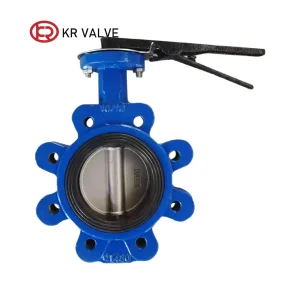
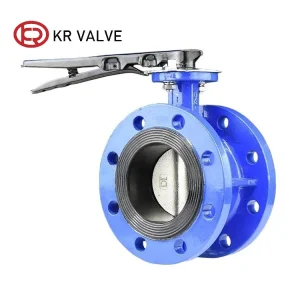
In structural fluid dynamics and piping networks, the manual handle of a butterfly valve is far more than a simple lever. It acts as the primary physical interface for modulating fluid flow, carrying the operational torque required to turn the disc against hydrodynamic resistance. Operating under severe environments, including temperature fluctuations, vibration, and chemical exposure, butterfly valve handles demand exceptional mechanical strength, corrosion resistance, and ergonomics. As a premier global manufacturer, we specialize in high-quality OEM/ODM butterfly valve handles constructed from materials like ductile iron (GGG40), malleable cast iron, carbon steel (WCB), and stainless steel (CF8/CF8M), ensuring precise alignment, robust locking capabilities, and extended service life.
Integrated ISO 5211 mounting standard compatibility for seamless manual-to-actuation system upgrades.
Coated with epoxy powder, nylon, or Rilsan polymer to protect against heavy industrial atmospheric corrosion.
10-position locking notch plates, trigger levers, and padlocking options prevent accidental operation.
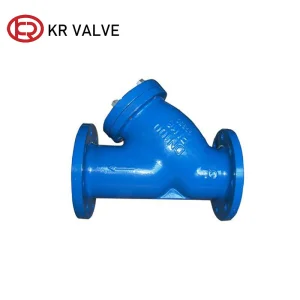
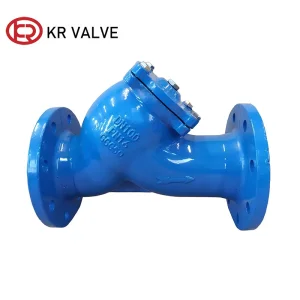
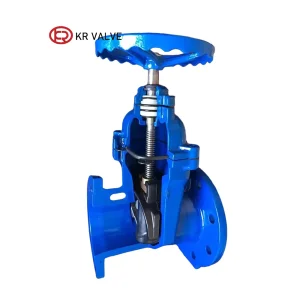
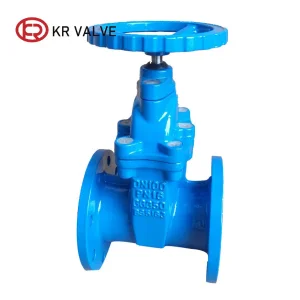
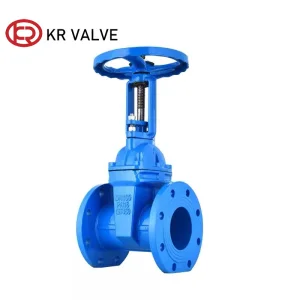
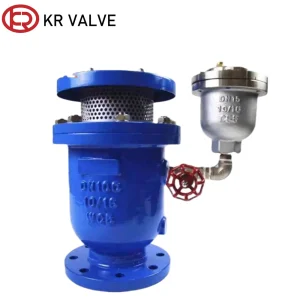
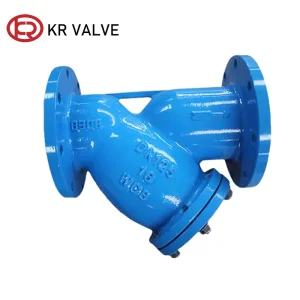
Select from our verified range of industrial valves, strainers, and manual override control accessories engineered to withstand extreme pressures.
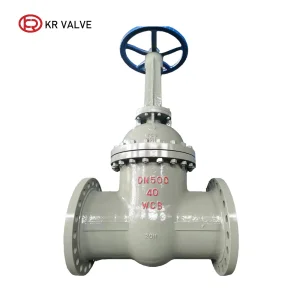
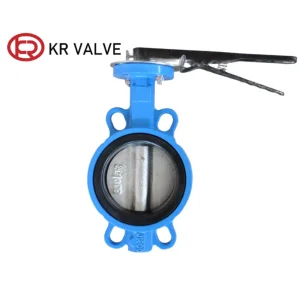
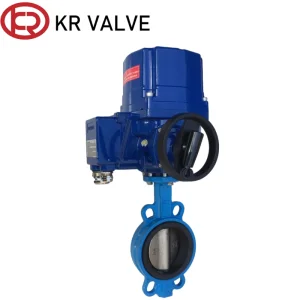
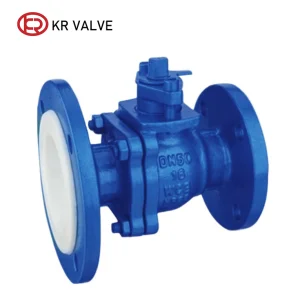
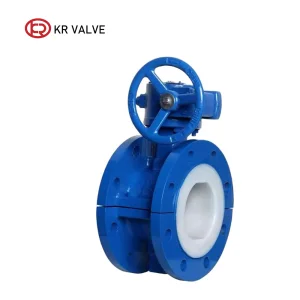
KR (KR VALVE) brings over two decades of design and manufacturing experience to the international fluid control market. Specializing in standard and customized valve configurations, we manage a diverse portfolio containing over 500 valve types. Our product range includes concentric and eccentric butterfly valves, resilient seated gate valves, double-door check valves, pilot-operated water control valves, and critical components such as locking levers, handle units, and gear operators.
Operating out of advanced machining facilities, our design department conducts continuous research to innovate and meet the rigorous needs of diverse sectors. With a customer base spanning more than 50 countries across Europe, Asia, Africa, and Oceania, our products support major infrastructures, dam projects, waterworks, chemical plants, and municipal pipeline systems.
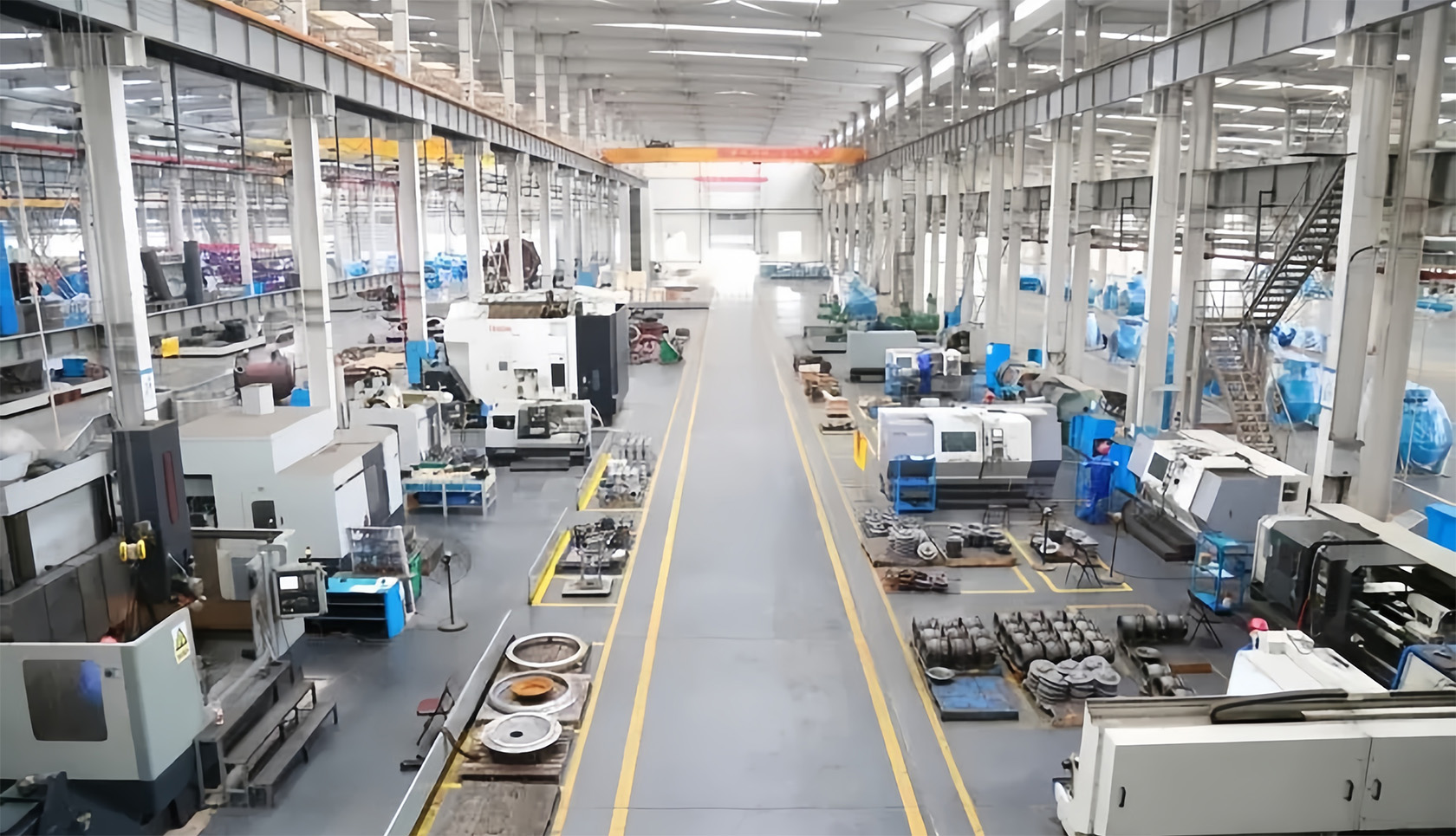
From raw material chemical analysis to final functional testing, our integrated processing guarantees zero-defect deliveries.
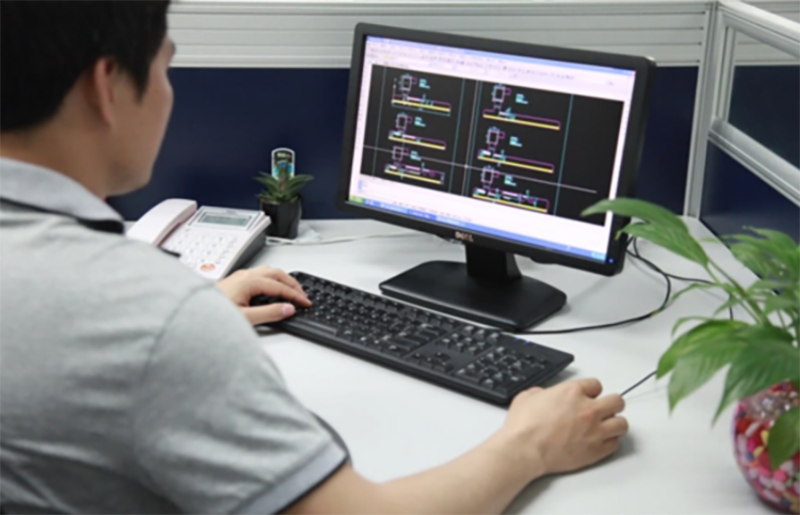
Our dedicated R&D department works closely with clients to develop custom handles and valve interfaces using CAD/CAE tools, verifying stress tolerances and torque efficiency before casting.
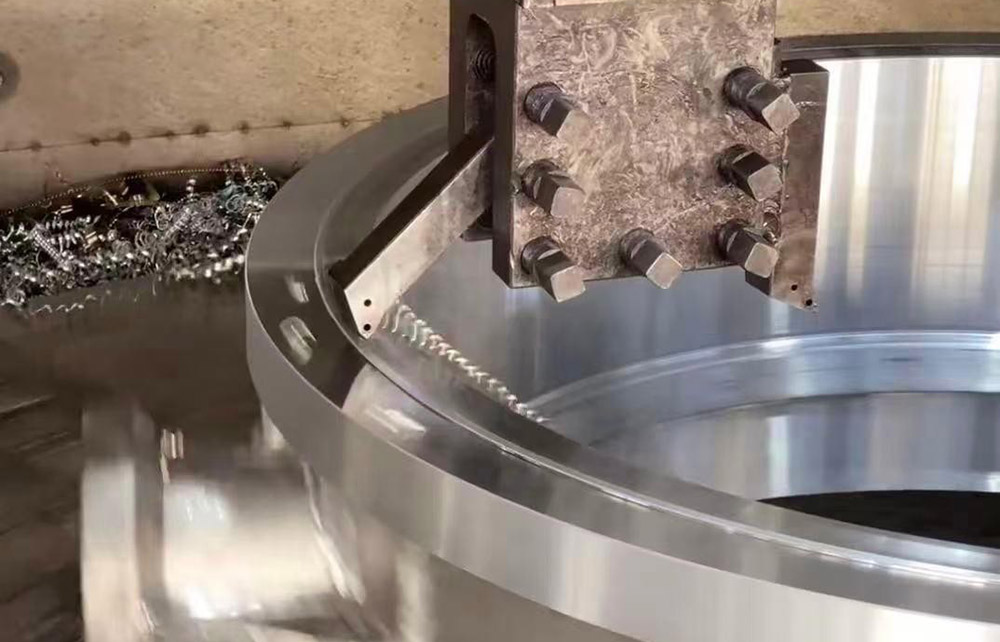
Utilizing 15 precision machining centers and dedicated manual assembly lines, we manufacture all components under a strict ISO-9001 certified Quality Management System to keep schedules aligned.
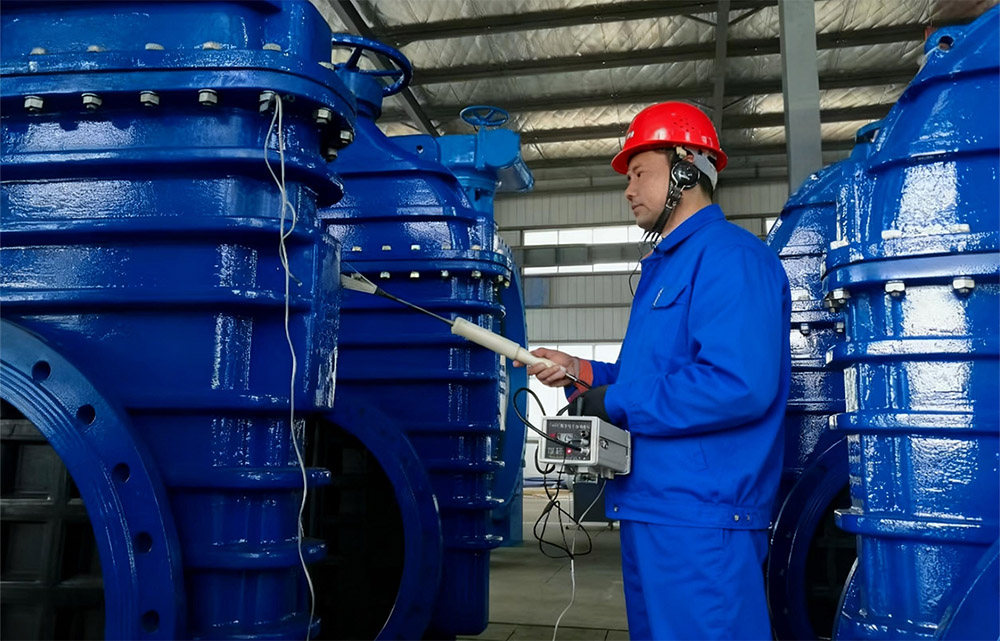
Zero leakage is our production standard. Each batch undergoes non-destructive testing, shell pressure tests, seat tightness tests, and manual torque actuation tests before leaving our facility.
Leveraging vertically integrated manufacturing to deliver reliable and cost-effective flow control interfaces.
We supply products under our own independent "KR" brand while offering comprehensive OEM/ODM design services to meet specific brand requirements and customized labeling.
Equipped with specialized shell molding machines, automatic sand preparation, and advanced CNC machining centers to maintain precise dimensional tolerances.
Offering over 20 product series and 500 customized handle modifications, covering standard ISO mounting pads, square drives, and multi-position lock notches.
We run physical and chemical spectral tests on every batch of cast iron, WCB carbon steel, and stainless steel to guarantee high yield strength and impact toughness.
Direct supply from our own foundry allows us to optimize manufacturing cost structures, delivering high value without compromising mechanical tolerances.
We provide full-process pre-sales consults and responsive after-sales support to assist engineers with design changes and field installation challenges.
Our valves perform in challenging critical infrastructures worldwide, showing reliable long-term operations.
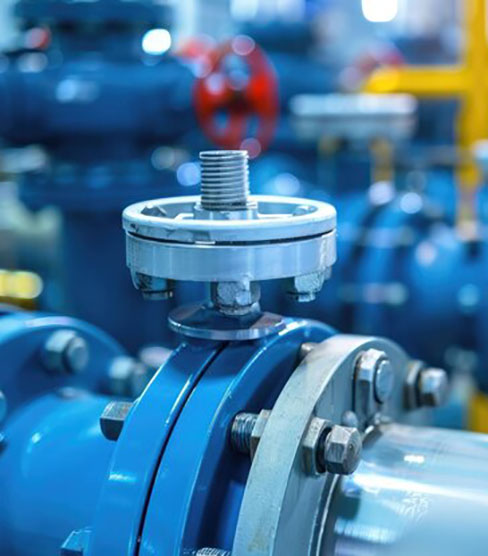
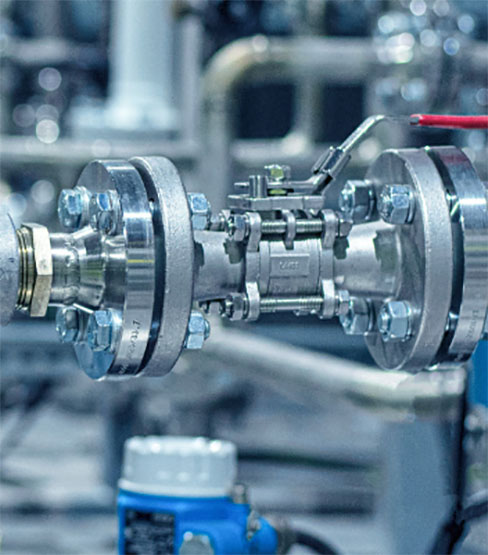
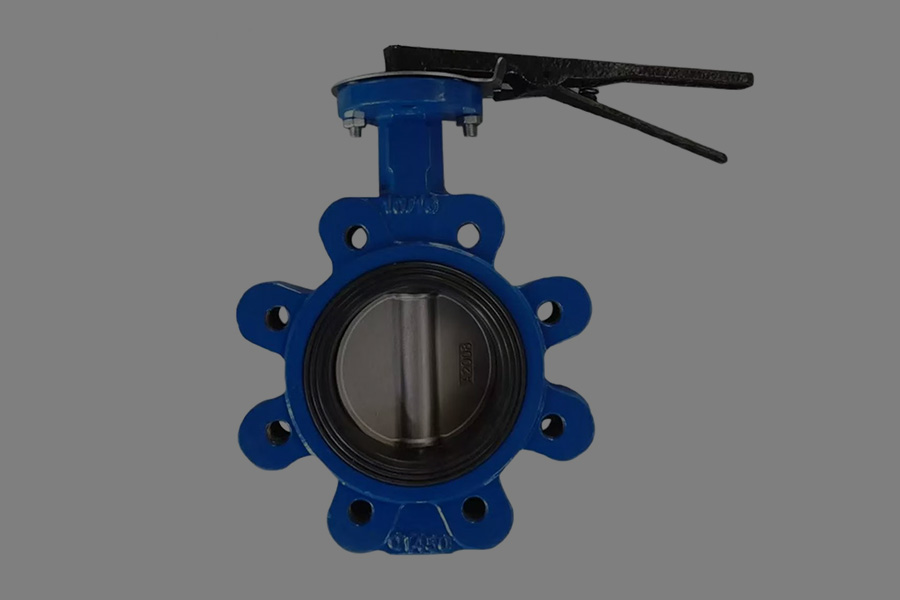
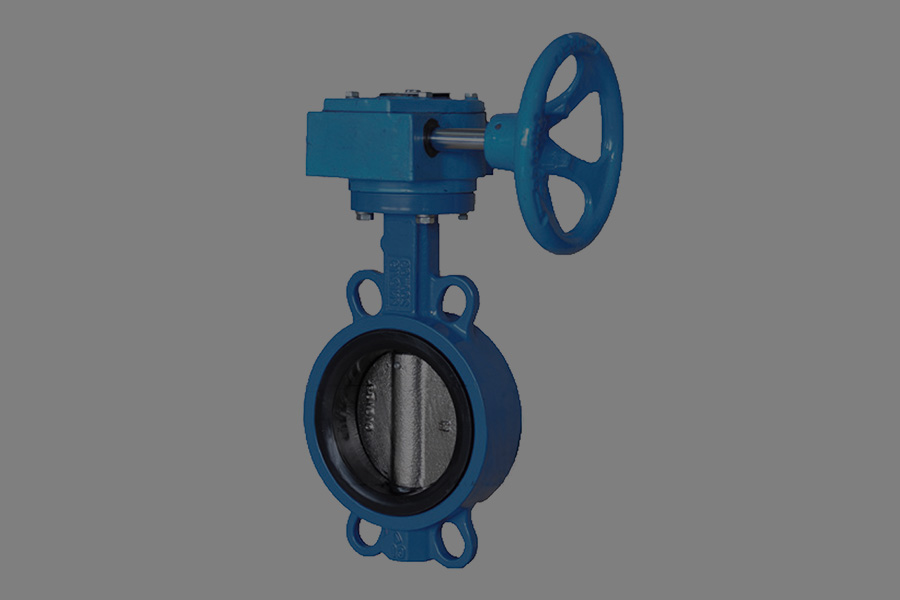
An engineering guide on manual butterfly valve handle materials, force dynamics, and locking mechanics.
The service life and maximum allowable torque of a butterfly valve handle depend directly on its metallurgical composition. Different applications require specific materials to ensure long-term durability:
A primary consideration when designing manually operated valves is the human-machine interface. The torque required to operate a butterfly valve is determined by seat friction, bearing friction, and dynamic fluid forces acting on the disc. The formula to calculate required manual input force is:
Where F is the force applied by the operator, T_total is the total operating torque, L_handle is the lever length, and η is mechanical efficiency. If the required manual force exceeds 360 N (80 lbf), ISO and international standards recommend transitioning from a lever handle to a multi-turn worm gear operator to ensure safe operation.
In industrial facilities, chemical vapor and salt spray can cause rapid galvanic or uniform corrosion. To mitigate this, our factory applies premium protective coatings to all handle assemblies:
As industrial automation and the Internet of Things (IoT) expand, manual valve handles are evolving to support smart infrastructure:
Smart handles equipped with integrated micro-limit switches and Bluetooth/LoRa transmitters send real-time open/close signals back to the SCADA system, verifying status without requiring external power wiring.
We are reducing our carbon footprint by utilizing recycled metals and organic powder coatings, aligning our foundry operations with modern green initiatives.
Using finite element analysis (FEA), we mold handles that reduce hand strain, increase tactile grip in wet or oily environments, and optimize torque transfer.
Quick overview of our key design offerings and their nominal sizes, materials, and standards compliance.
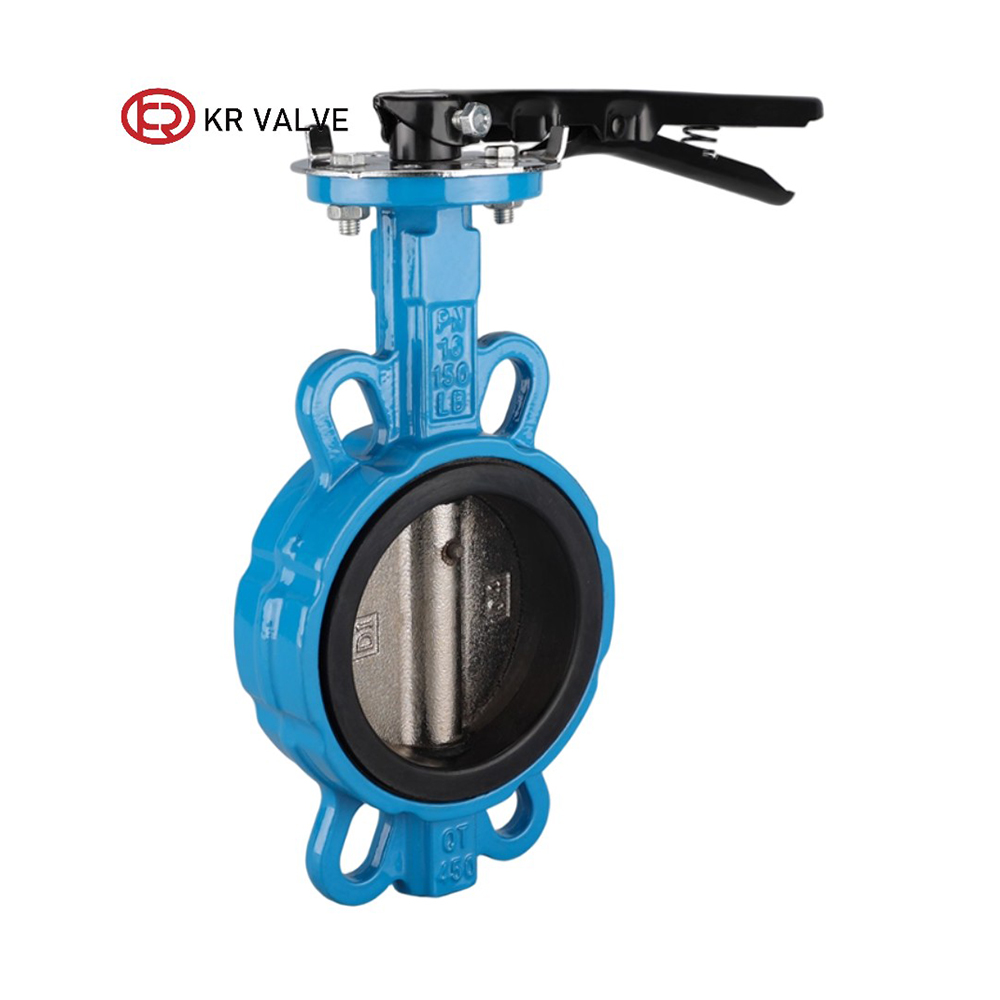
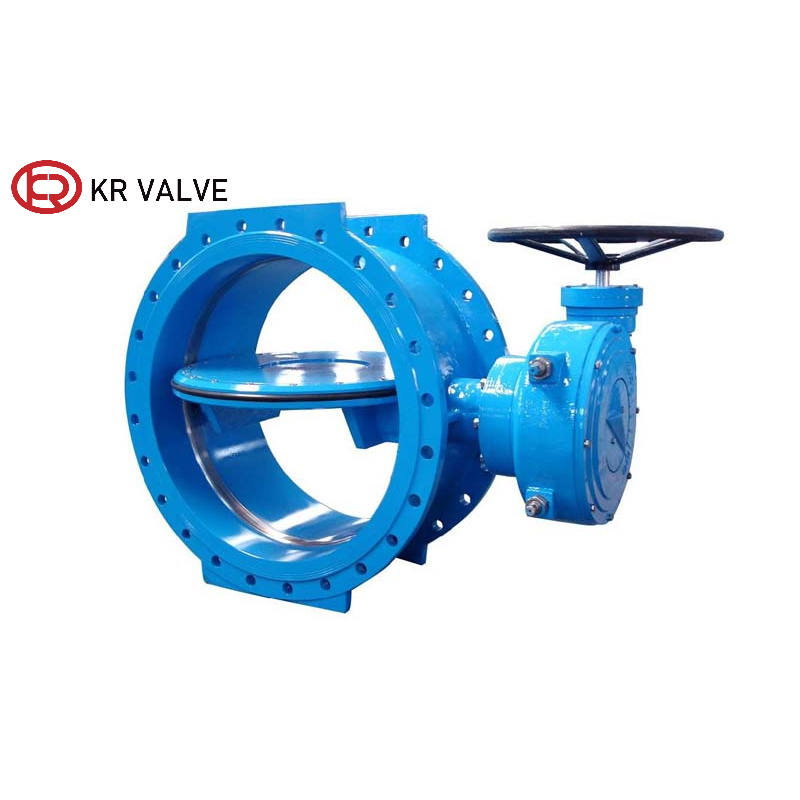
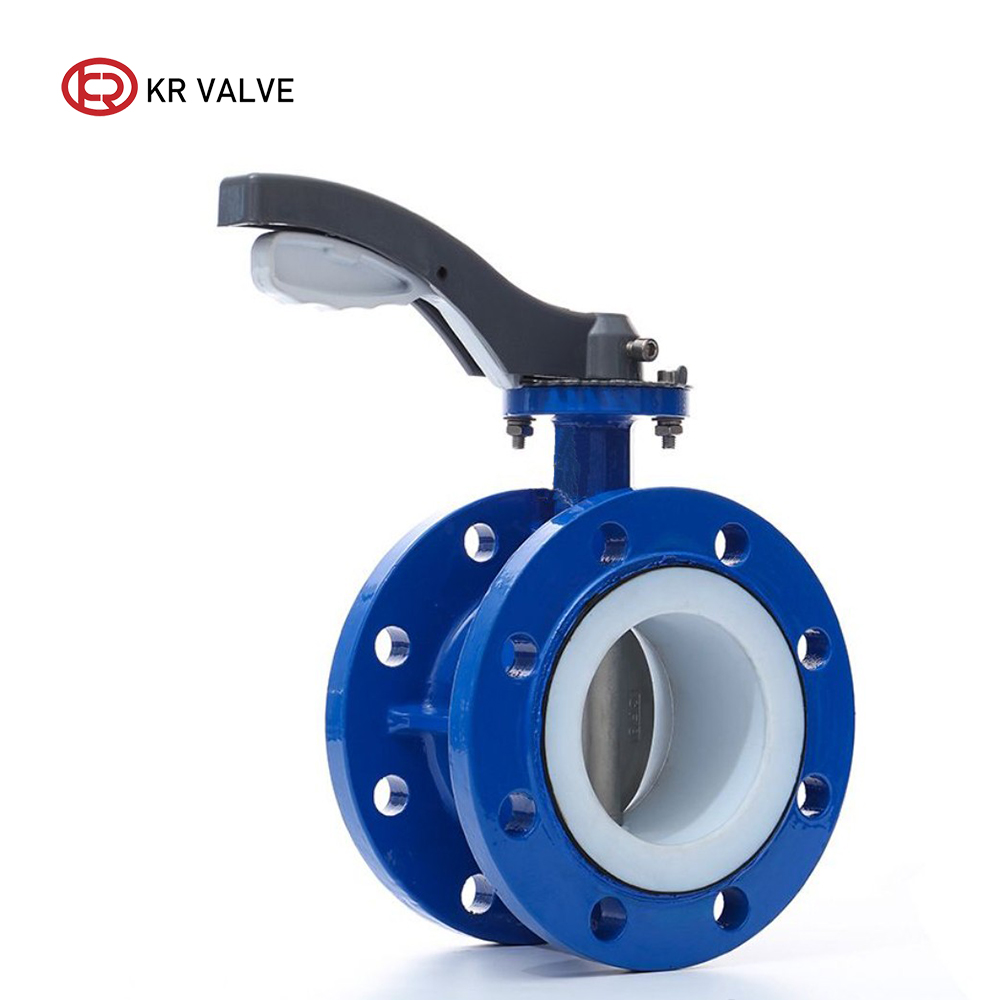
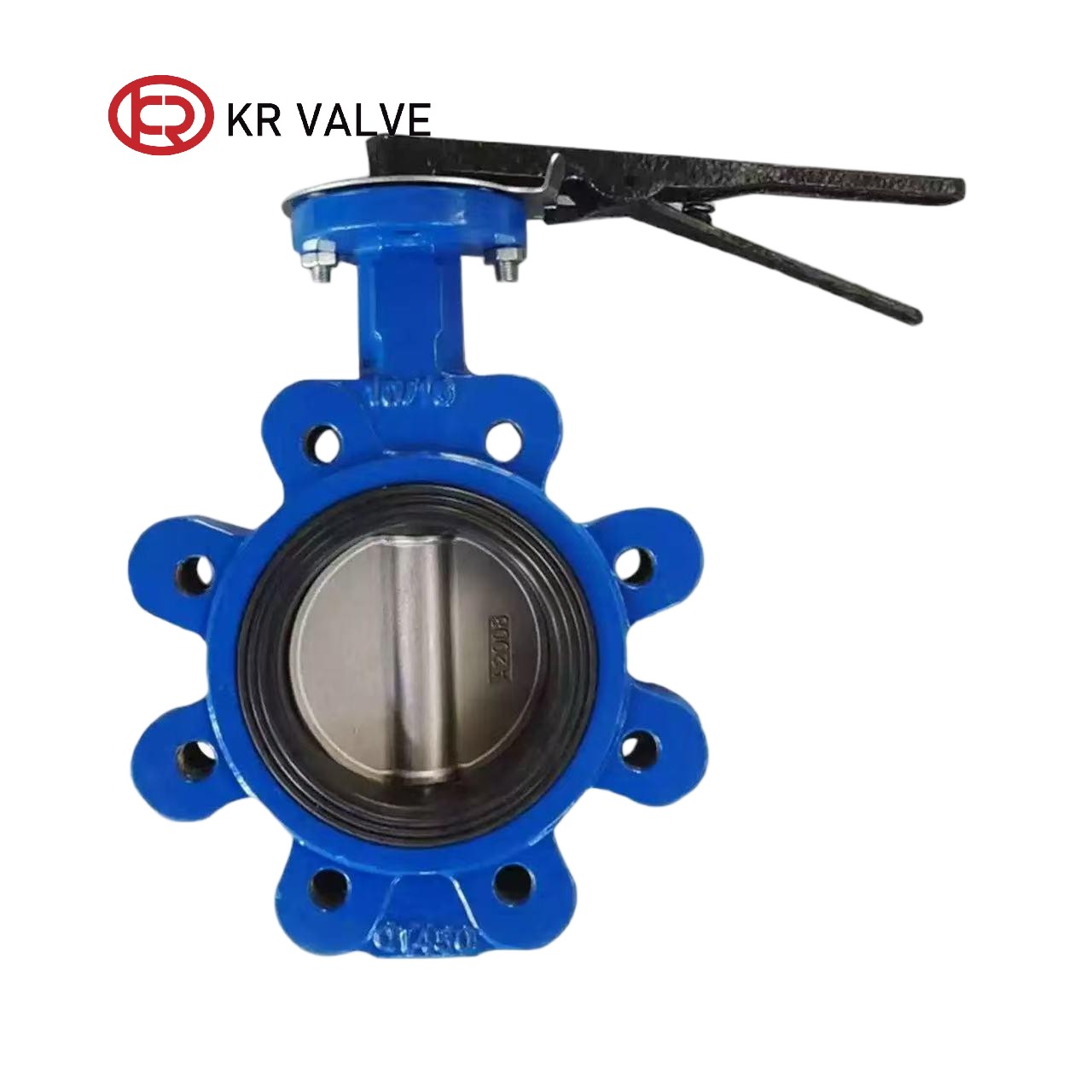
Heavy-duty pipeline accessories manufactured to global industrial specifications including API, DIN, EN, and BS.

Direct technical answers to common queries regarding butterfly valve handles, material specifications, and OEM options.
 KR VAVLE