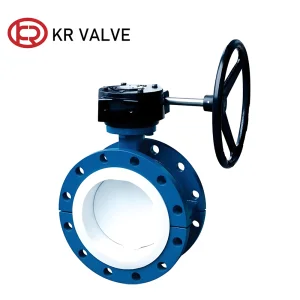
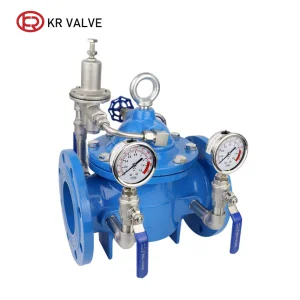
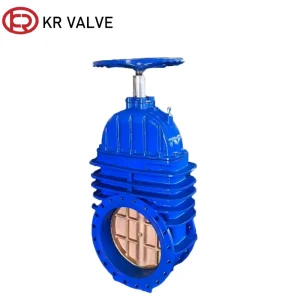
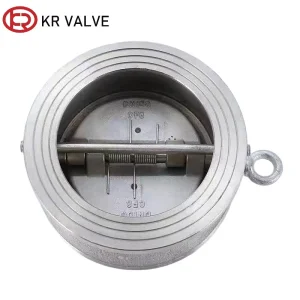
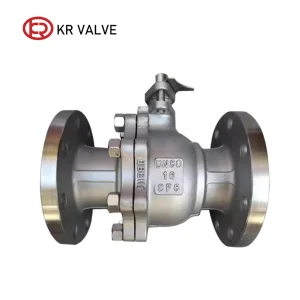
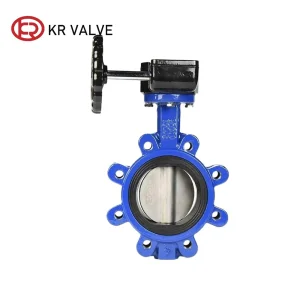
Explore our premium selection of industrial standard and custom valves designed for heavy-duty municipal and commercial infrastructure.
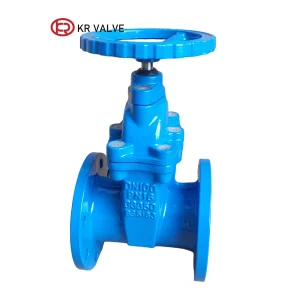
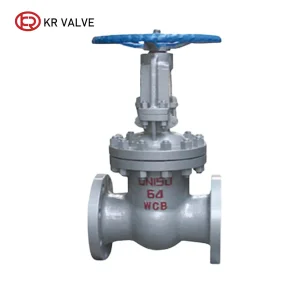
An in-depth analysis of metallurgical composition, design configurations, and selection guidelines for global industrial fluid systems.
In modern industrial piping networks, the selection of municipal, heavy-water, or industrial control valves requires deep consideration of material durability, hydrostatic performance, and economic viability. Cast Iron (CI) butterfly valves represent the cornerstone of cost-efficient and structurally reliable low-to-medium pressure pipeline isolation. By choosing high-grade gray cast iron (such as ASTM A126 Class B or GG25) and SG/Ductile Iron (such as ASTM A536 65-45-12 or GGG40/50), KR Valve Group designs flow solutions that excel in fluid processing, chemical distribution, commercial HVAC, and water treatment operations.
A crucial distinction in industrial valve design is selecting between Gray Cast Iron (CI) and Nodular/Ductile Iron (DI):
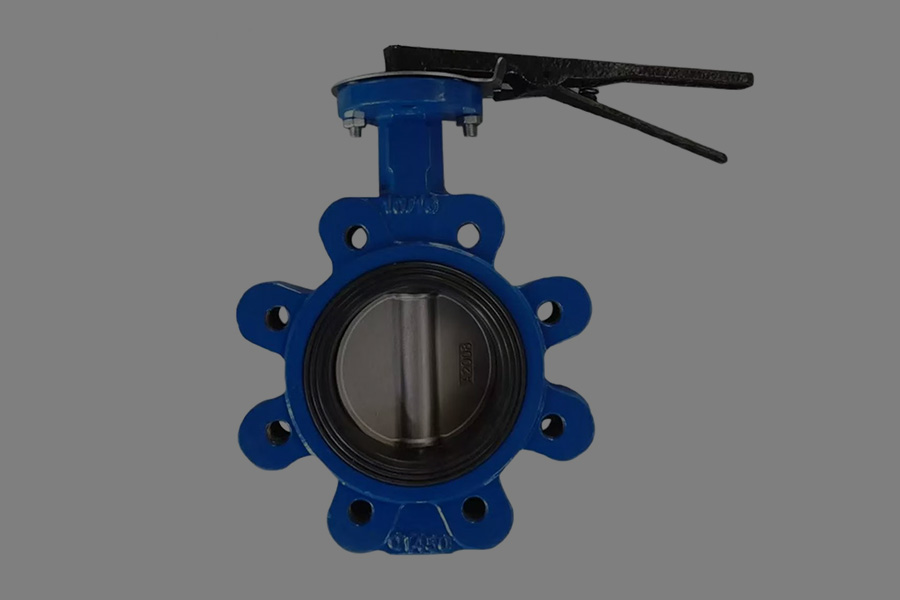
KR Valve Group manufactures concentric resilient seated butterfly valves and eccentric offset models to match application demands:
| Parameters | Cast Iron (GG25 / ASTM A126) | Ductile Iron (GGG40 / ASTM A536) | PTFE Lined Wafer / Lug Type |
|---|---|---|---|
| Standard Seat Materials | EPDM, NBR, Neoprene | EPDM, NBR, Viton, Metal | Virgin PTFE, Modified PTFE |
| Pressure Rating | PN6, PN10, PN16 | PN10, PN16, PN25, PN40 | PN10, PN16, Class 150 |
| Corrosion Resistance | Moderate (requires coatings) | Moderate to High (coatings required) | Excellent (chemically inert liner) |
| Typical Applications | HVAC, cooling towers, general water | Municipal water mains, high-rise construction | Chemical processing, food & pharma, acids |
The reliability of any resilient butterfly valve hinges entirely on seat compound engineering. KR utilizes automated vulcanization systems to chemically bond liners to the valve body, or applies robust cartridge seats:
From computerized design modeling to automated hydro-testing, our facility operates on zero-tolerance quality principles.
Our engineering laboratory utilizes 3D CAD/CAM software and Finite Element Analysis (FEA) to run simulations of structural load, flow velocity, and pressure limits. This ensures our designs remain reliable under real-world industrial demands.
Equipped with 15 advanced machining centers and specialized assembly lines, our manufacturing base ensures precise tolerances. Products are built in accordance with the ISO-9001 quality management framework.
Every single valve undergoes seat leakage and shell integrity testing (API 598 or EN 12266 standards) prior to shipping. Zero leakage is our baseline standard for every batch.
Our engineered solutions are deployed worldwide, providing process stability and safety in demanding conditions.
Our EPDM-lined concentric butterfly valves provide bubble-tight sealing for desalination facilities, primary clarifiers, sand filters, and municipal wastewater processing facilities.
We supply heavy-duty hydraulic and eccentric control valves for penstocks, bypass release lines, and dam cooling conduits, engineered to withstand high shear velocities.
Providing thermal balancing and reliable flow isolation in district heating networks, cooling towers, and large-scale commercial centralized chiller loops.
Full PTFE-lined corrosion-resistant valves engineered to handle highly concentrated acids, aggressive chemical feed lines, and pharmaceutical washdown zones.
Fitted with specialized NBR or Viton sealing profiles and fire-safe testing approvals to provide clean line shut-off across industrial fuel distribution points.
Specifically contoured discs and robust coatings minimize solid accumulation, allowing smooth operations when handling slurries or municipal secondary sludge.
Navigating cross-border standards to ensure compliance with municipal and commercial fluid network safety codes.
In global procurement, engineering and design teams often face a complex array of regional standards. Sourcing components that conform to multiple certification frameworks is vital for long-term project viability. KR Valve Group products are engineered to comply with major international specifications:
Atmospheric moisture, soil chemistry, and process fluids can lead to external and internal corrosion in cast iron components. KR Valve Group utilizes standard Fusion-Bonded Epoxy (FBE) powder coatings applied electrostatically. With a minimum thickness of 250 microns, this hard protective shell acts as an effective barrier against mechanical abrasion and chemical oxidation.
Observe our manufacturing and testing lines in action, maintaining high quality standards for every valve shipped.
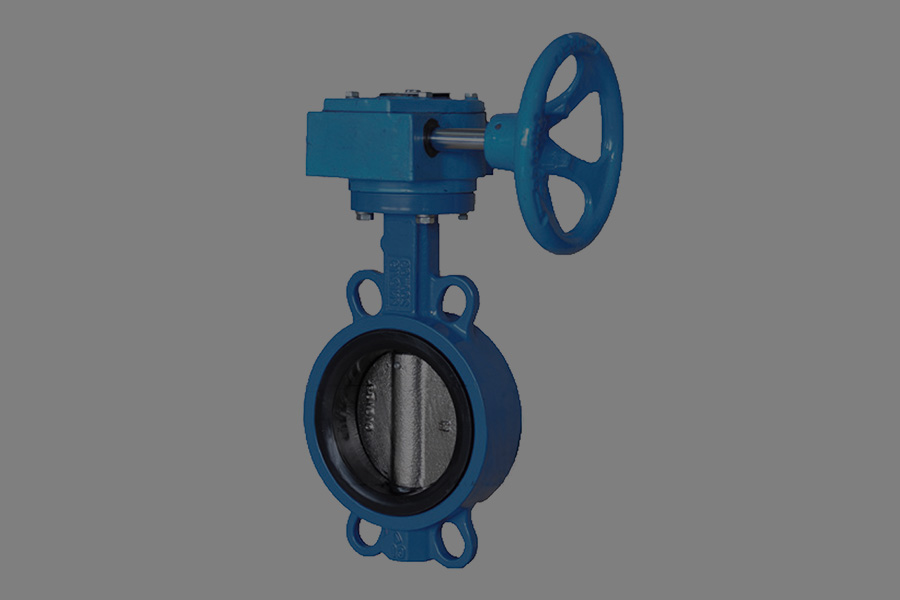
Our solutions have been implemented across various international infrastructure and industrial development projects.
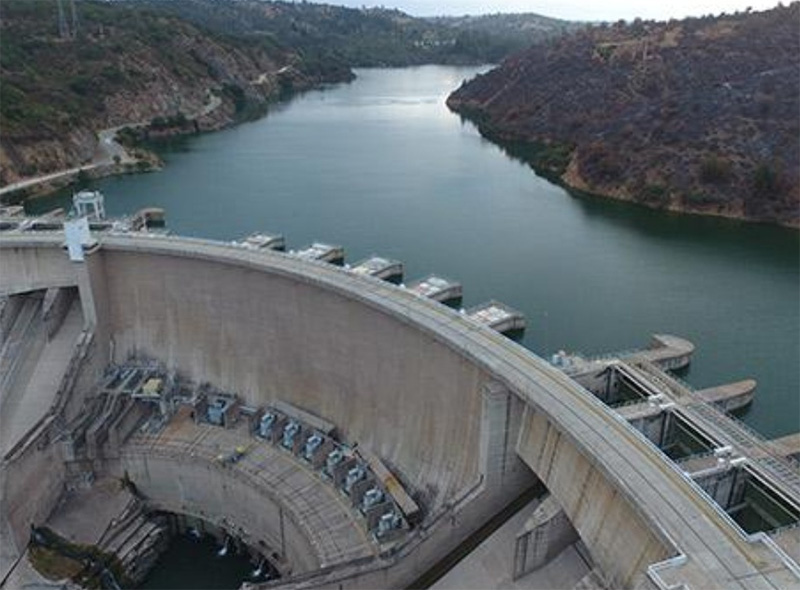
KR supplied a complete package of specialized water control valves for high-pressure bypass lines, supporting stable flow control.
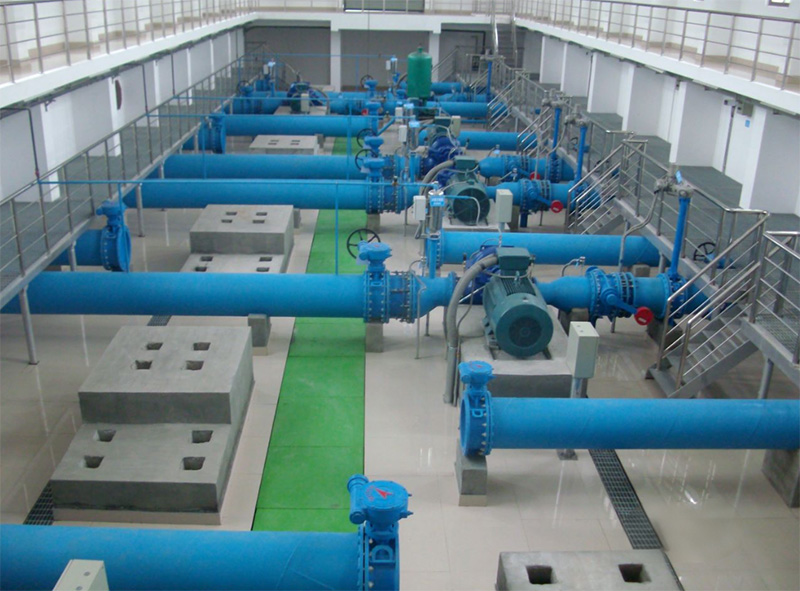
Supplied large-diameter concentric and eccentric butterfly valves for regional water supply expansion projects, ensuring bubble-tight shut-off.
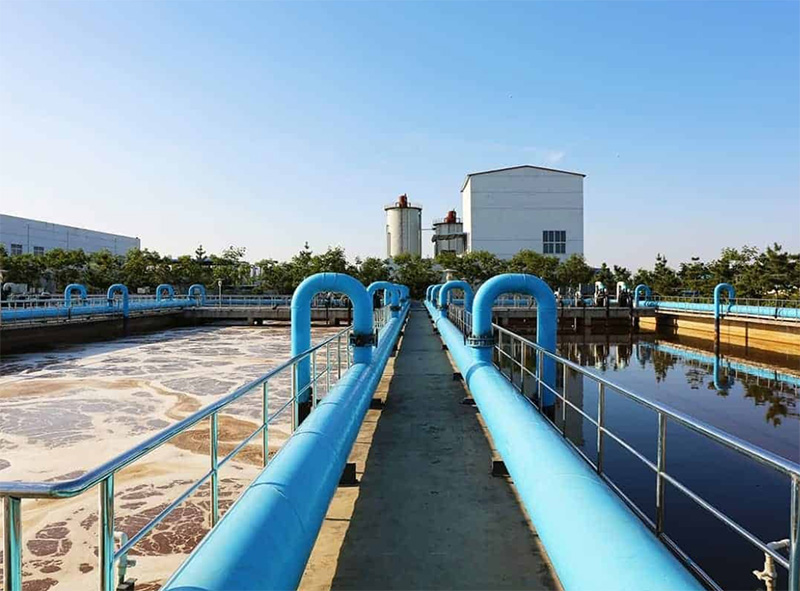
Delivered customized butterfly valves and resilient gate valves designed to handle thick sludge flow without line clogs.
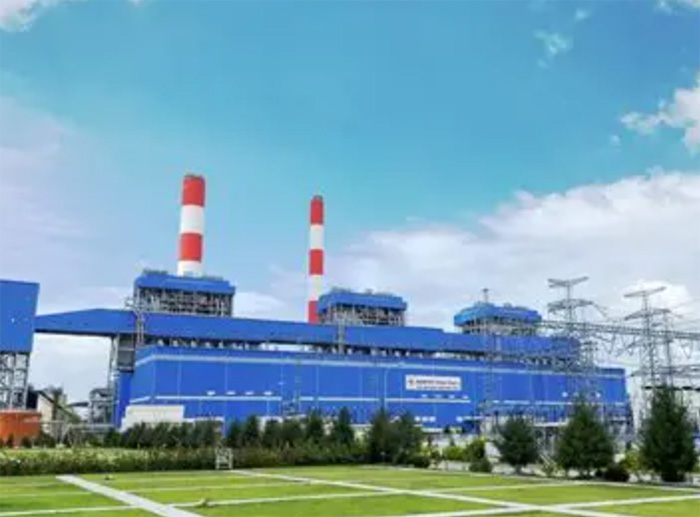
Supplied corrosion-resistant PTFE-lined butterfly valves to manage corrosive fluid processing in a chemical manufacturing plant.
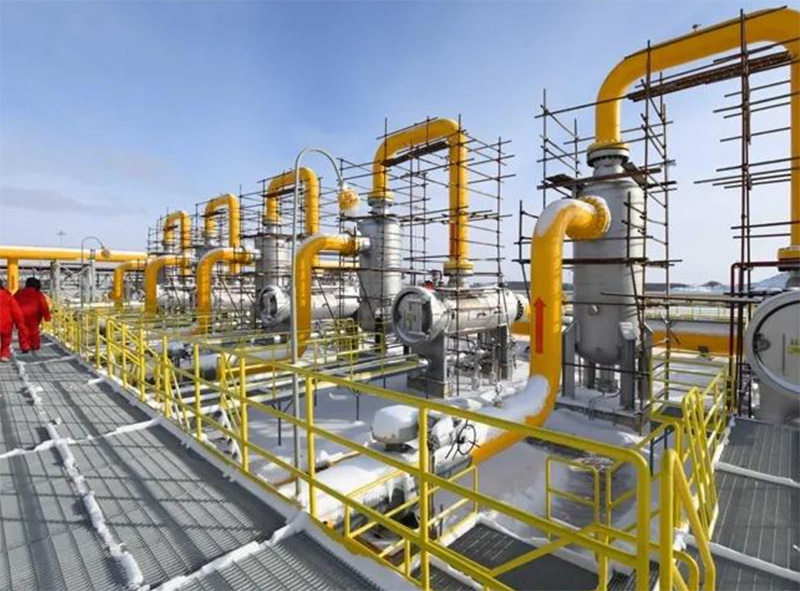
Delivered robust cast steel gate valves and high-reliability ball valves designed to maintain integrity in low-temperature environments.
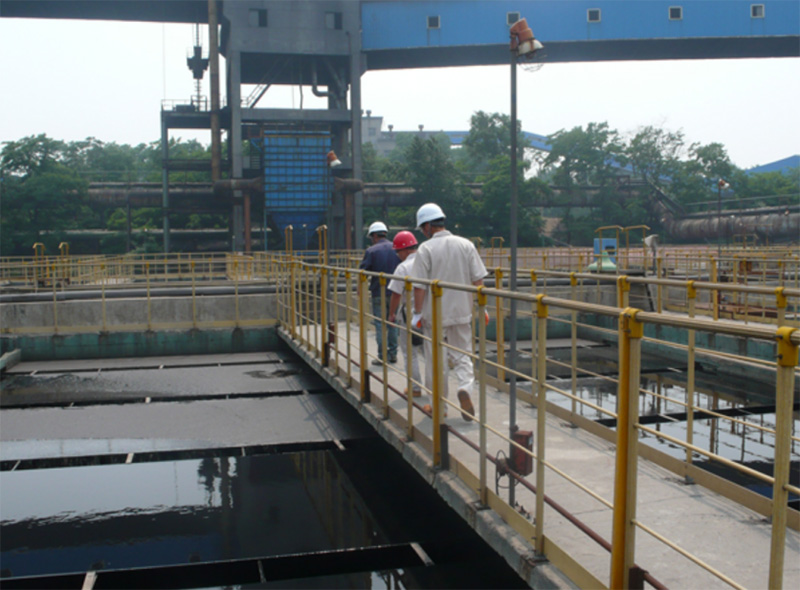
Supplied water control valves, gate valves, and check valves to support upgrades in a major metropolitan municipal sewage project.
Looking ahead at how smart diagnostics, advanced materials, and environmental standards are shaping flow control technologies.
Flow control technology is evolving, driven by the rise of Industrial Internet of Things (IIoT) applications and digital manufacturing processes. Standard manual mechanical isolation systems are transitioning toward integrated, communicative control points. The engineering roadmap at KR Valve Group focuses on three primary developments:
Clear, direct answers to common engineering questions regarding the application and maintenance of industrial butterfly valves.
Explore our complete catalog, featuring check valves, control valves, and specialty configurations designed for harsh environments.
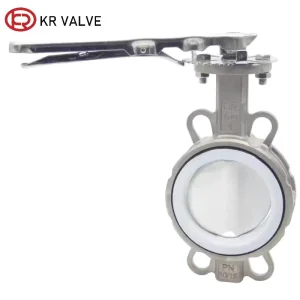
 KR VAVLE