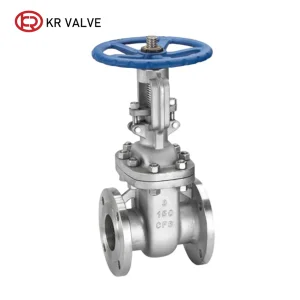
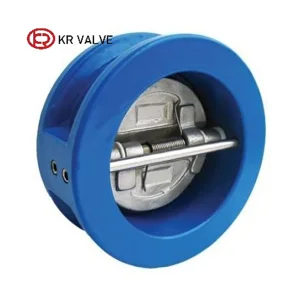
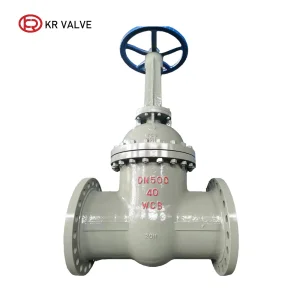
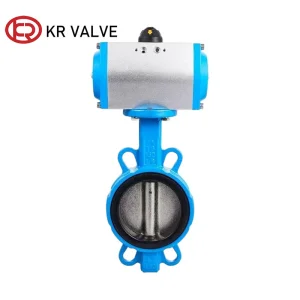
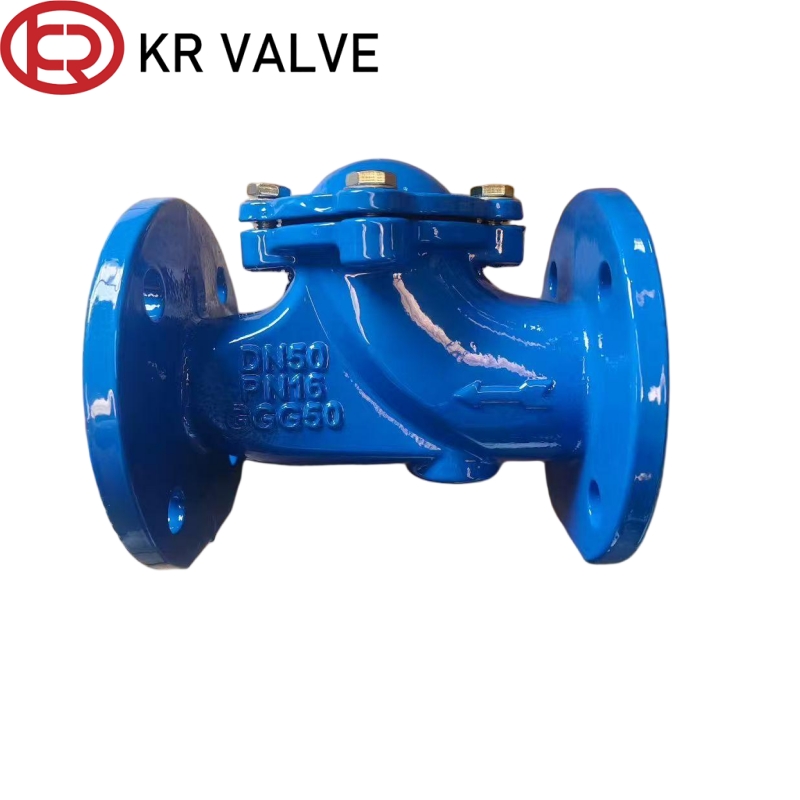
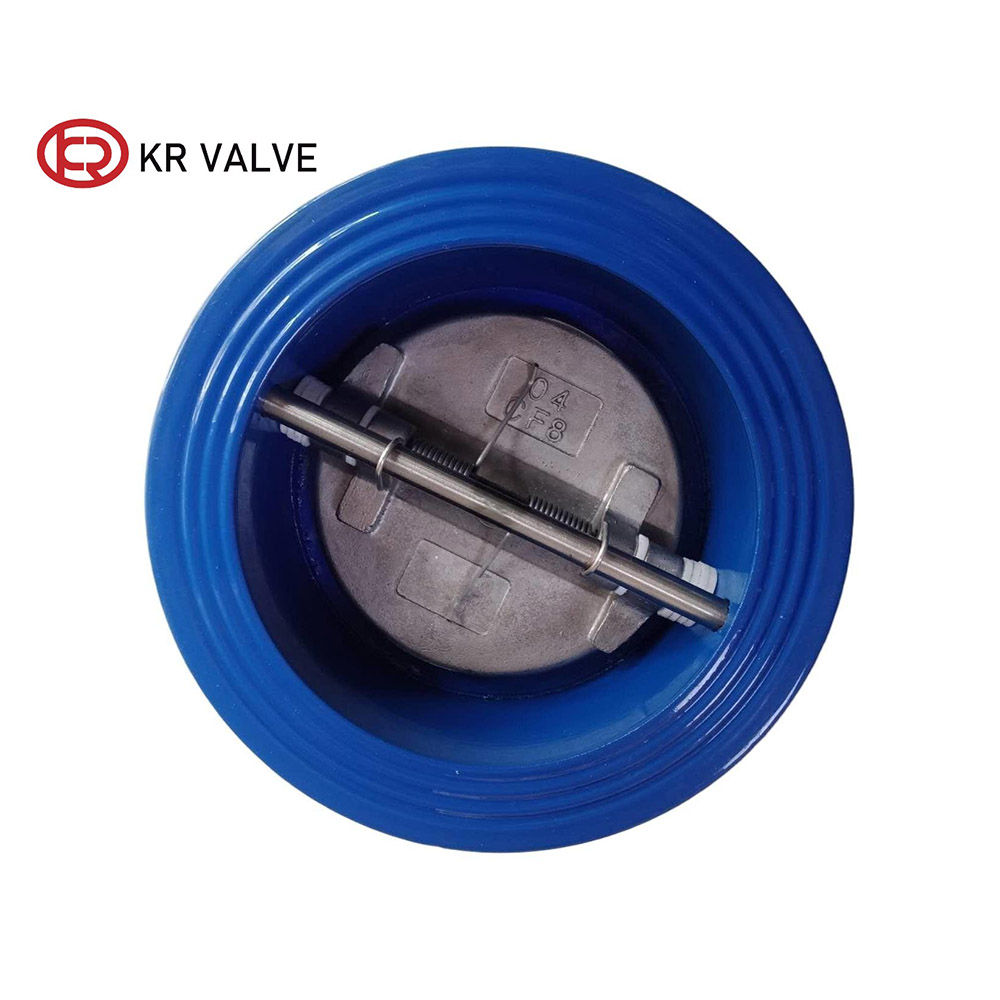
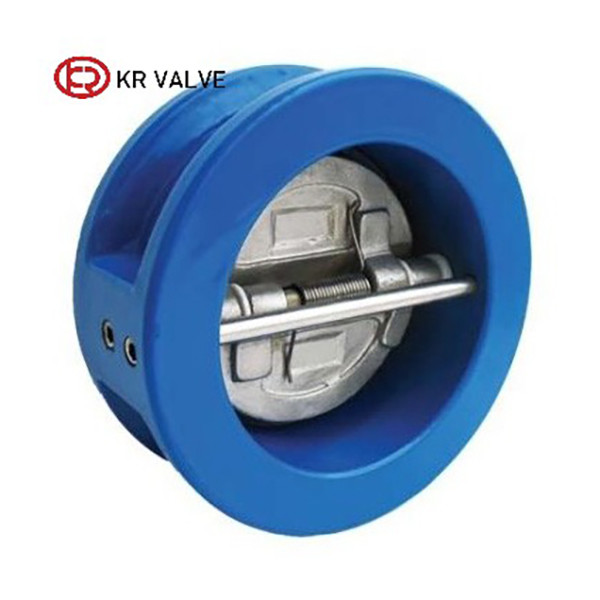
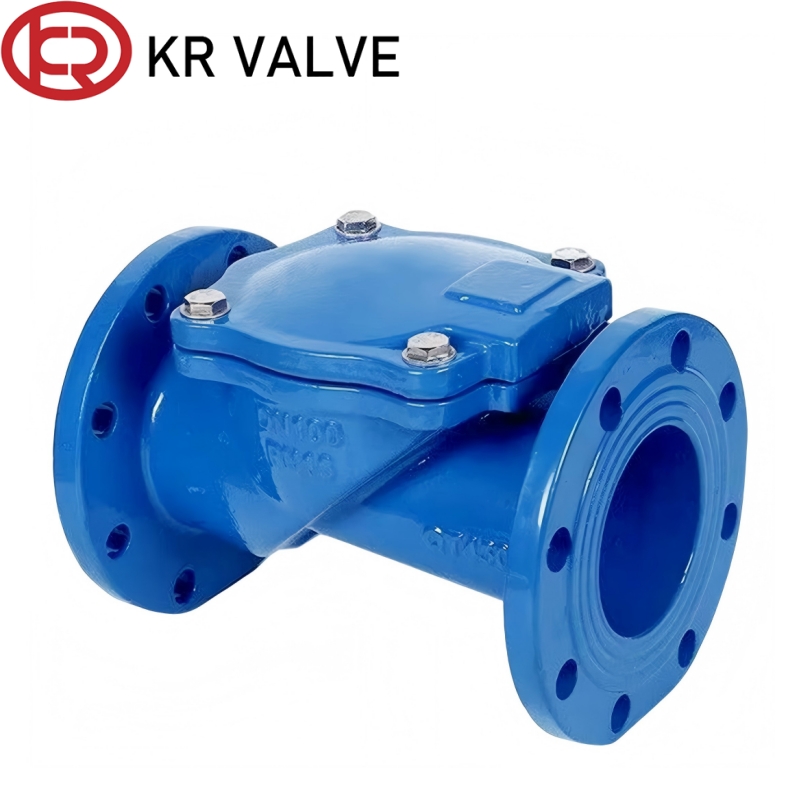
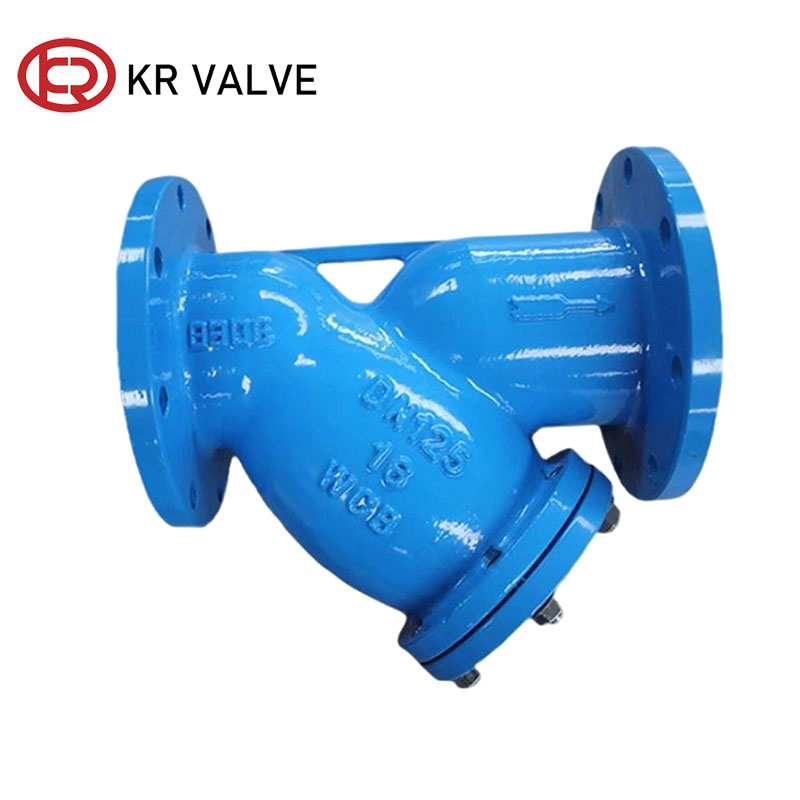
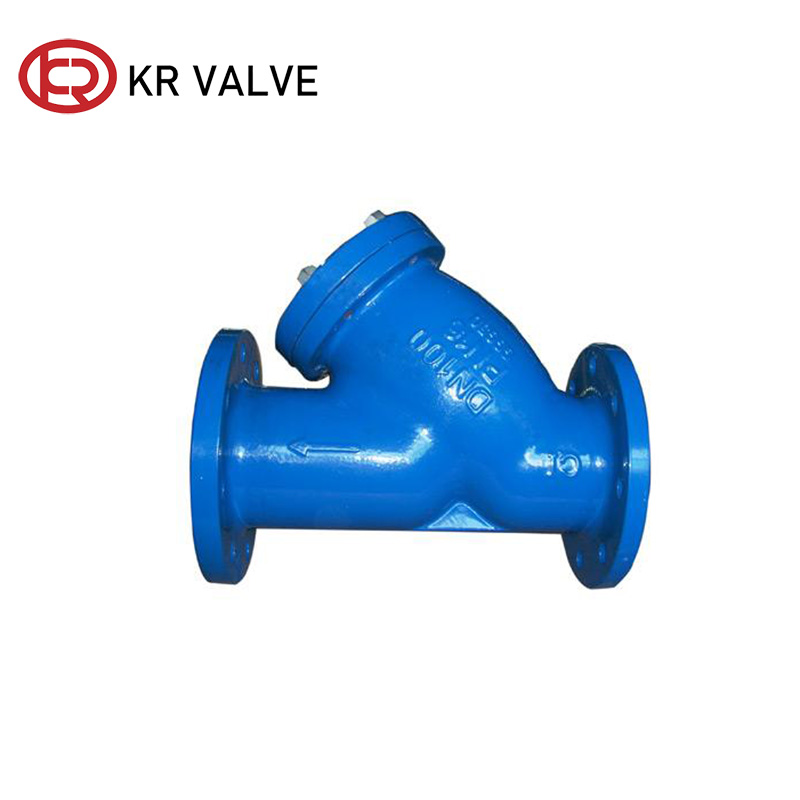
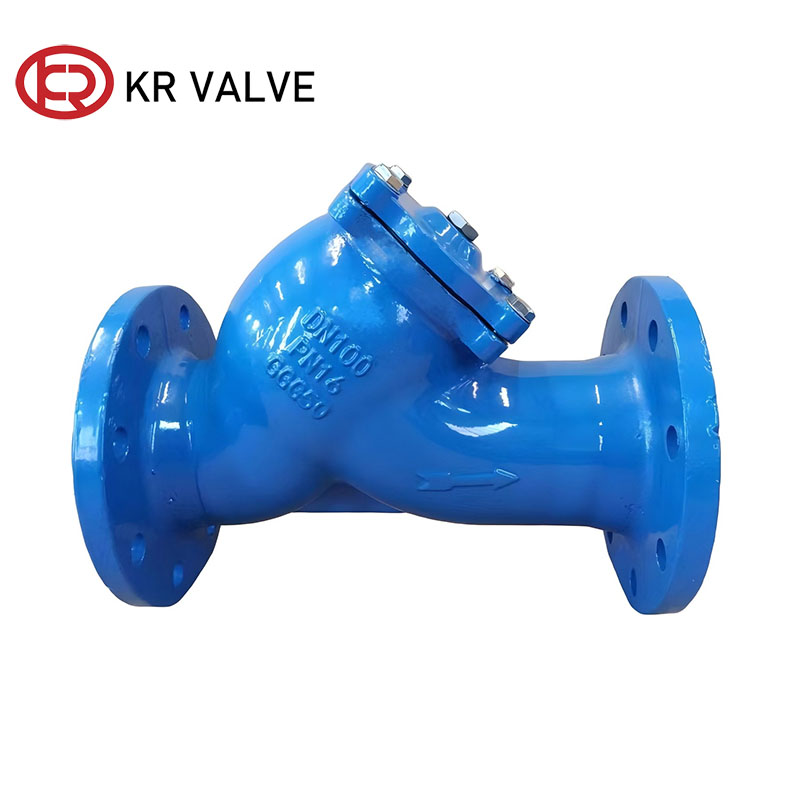
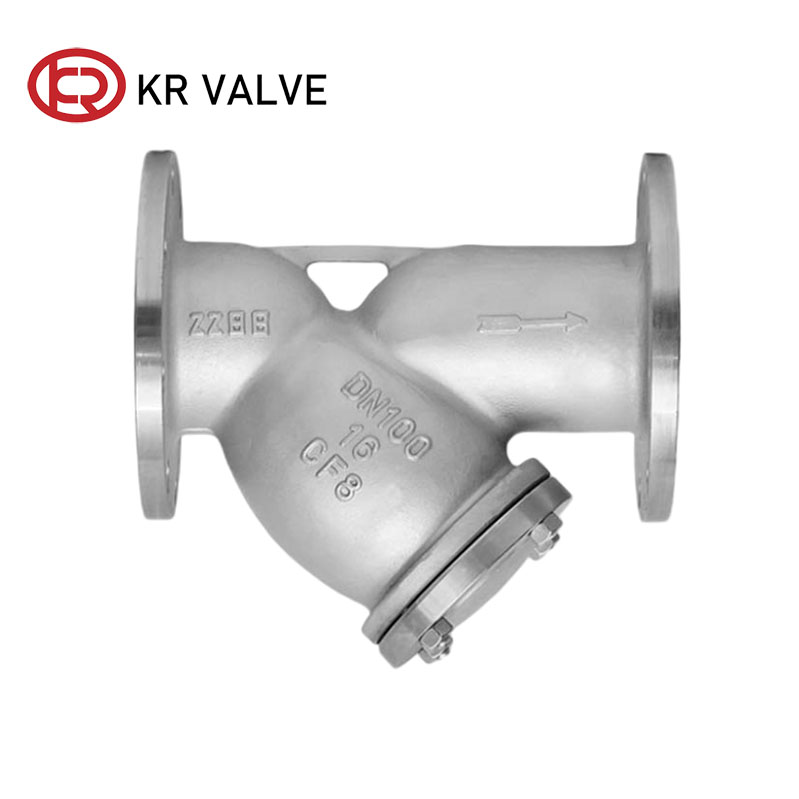
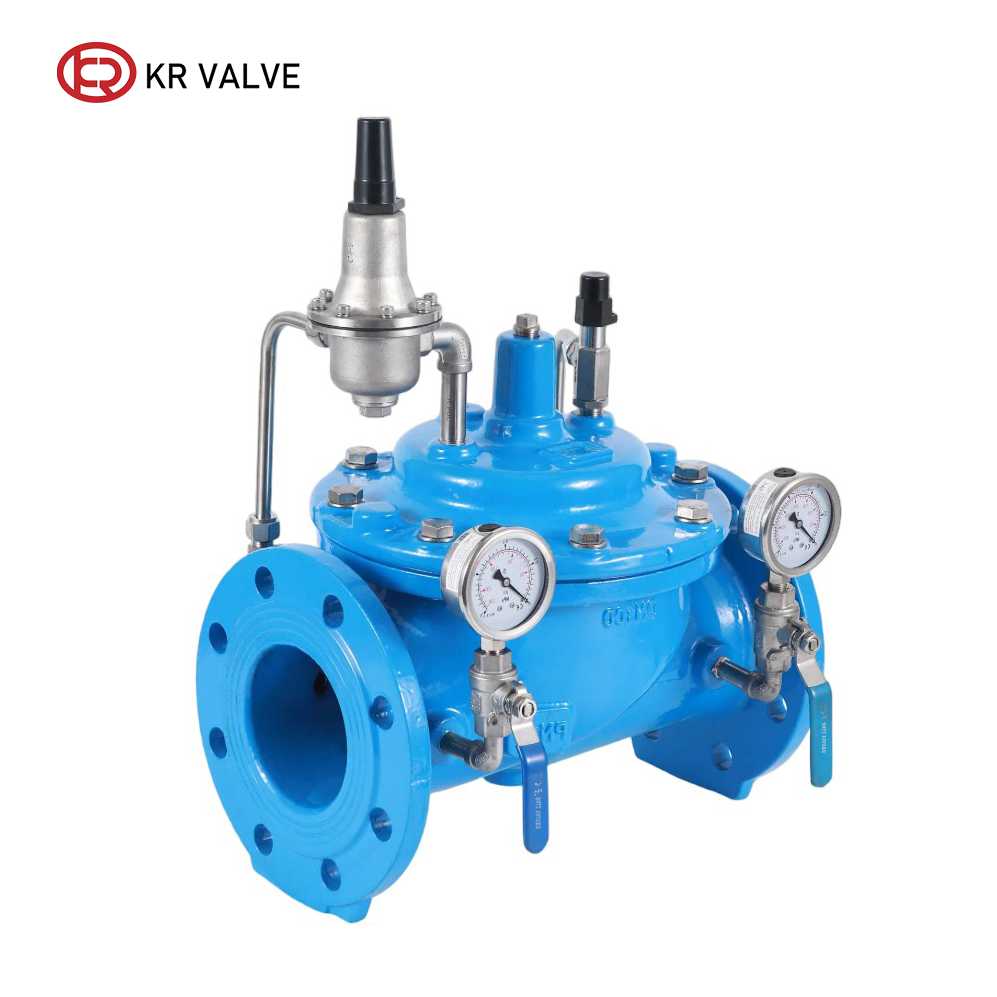
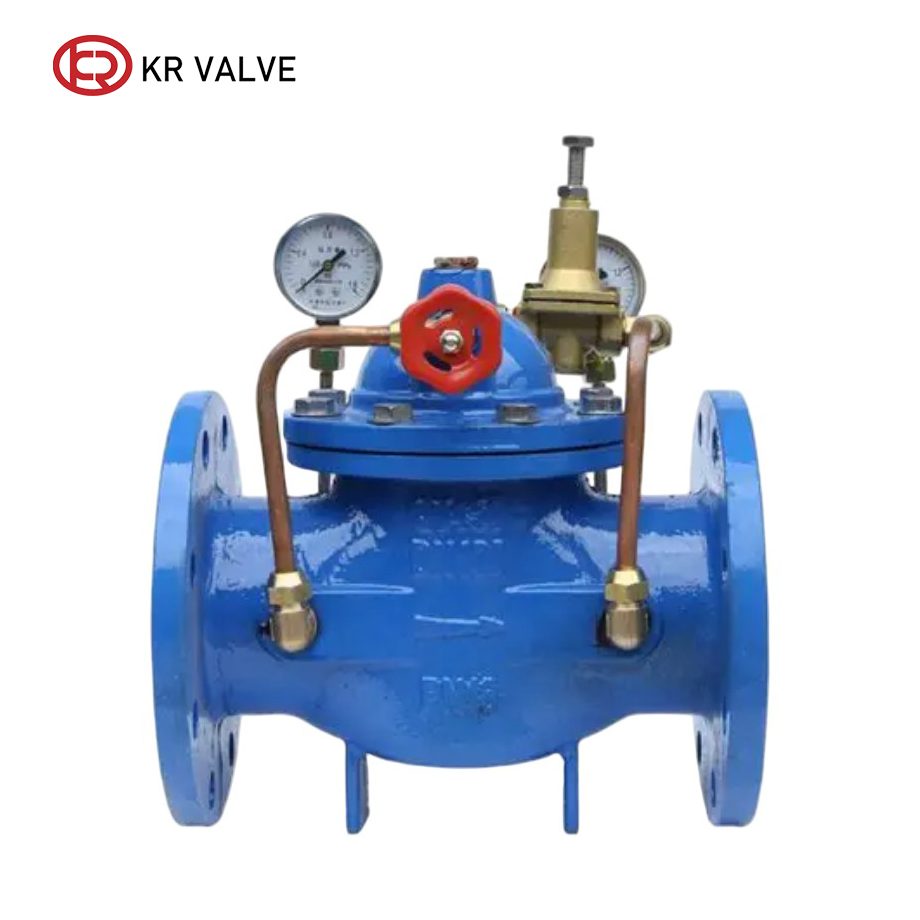
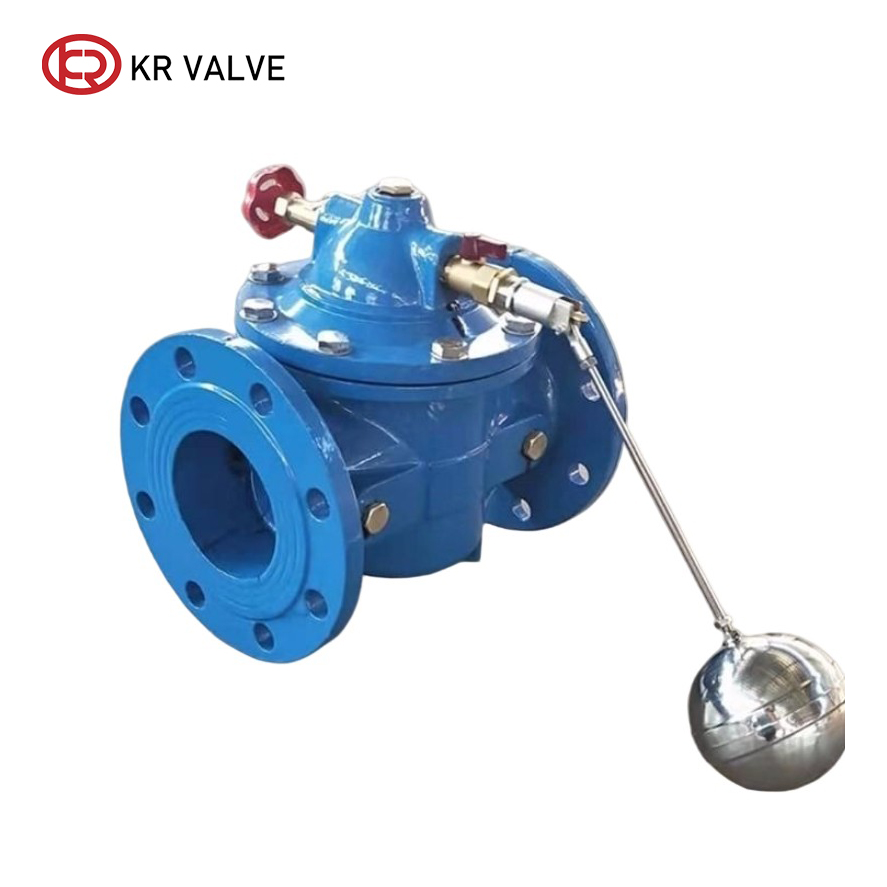
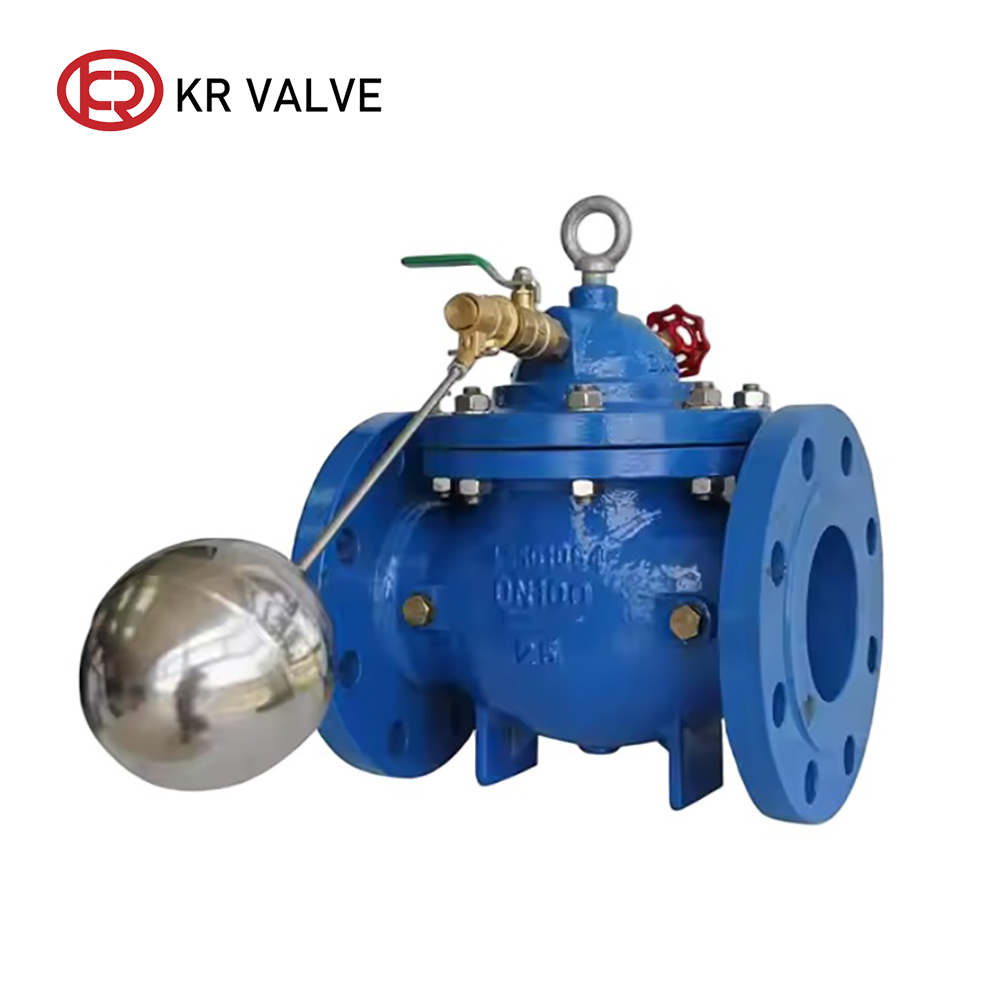
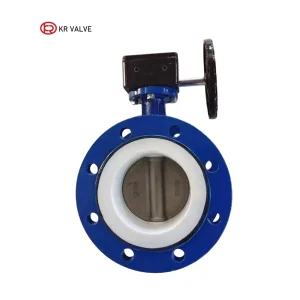
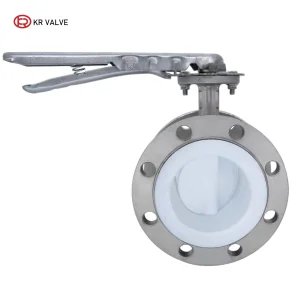
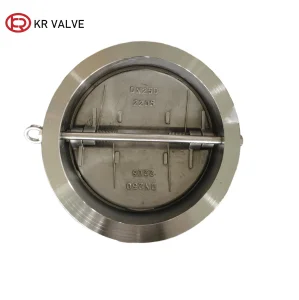
In high-performance pneumatic systems, quick actuation and minimal latency are critical parameters. A fast exhaust valve (also commonly known as a quick exhaust valve or QEV) is a specialized pneumatic component designed to increase the cycling speed of pneumatic cylinders or actuators. Under normal operation, when air pressure drops at the inlet port, the internal diaphragm or piston dynamically shifts to divert the exhausted air from the actuator directly to the atmosphere rather than routing it all the way back through the primary control valve. This localized venting reduces backpressure and significantly improves the cycle time of industrial pneumatic circuits.
From a fluid dynamics perspective, the flow coefficient (Cv) of a fast exhaust valve is its defining specification. OEM manufacturers engineer these valves with optimized internal geometries to maximize exhaust-port Cv. By minimizing the pressure drop across the valve, engineers can construct compact, highly responsive automation systems. Whether utilized in rapid-clamping devices, safety shutdown mechanisms, or packaging machinery, integrating a custom-engineered OEM fast exhaust valve ensures the long-term reliability and precision of the industrial system.
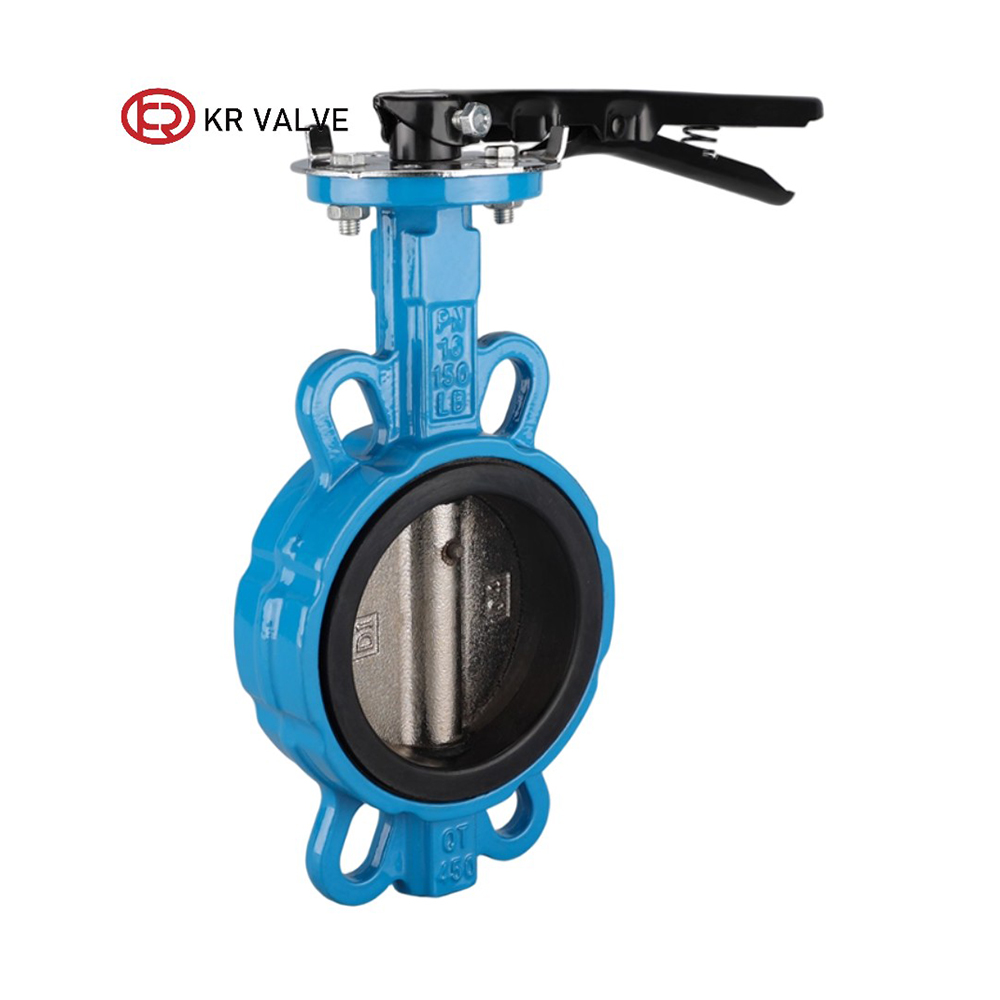
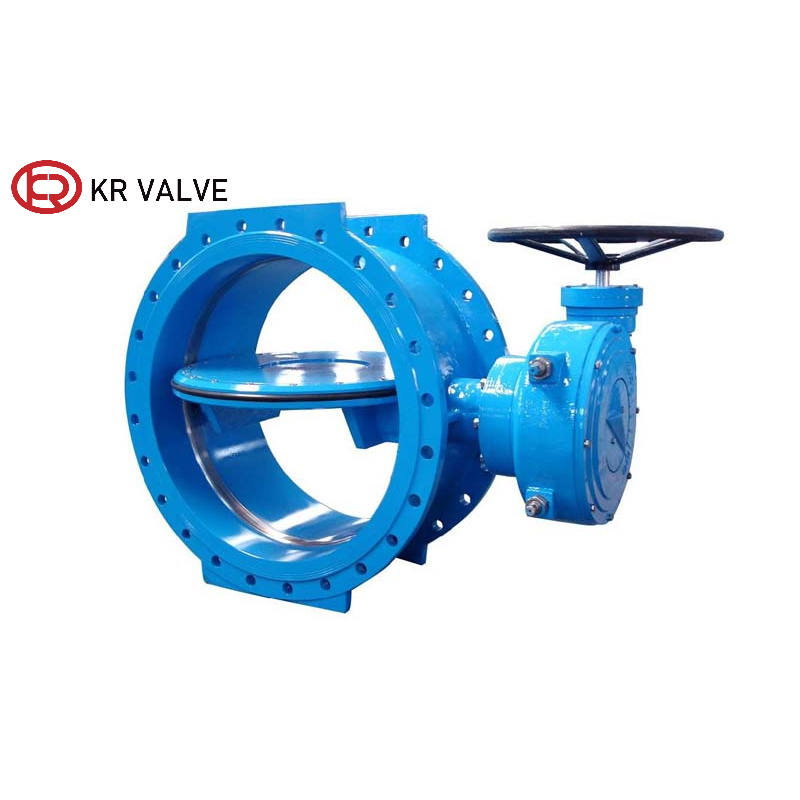
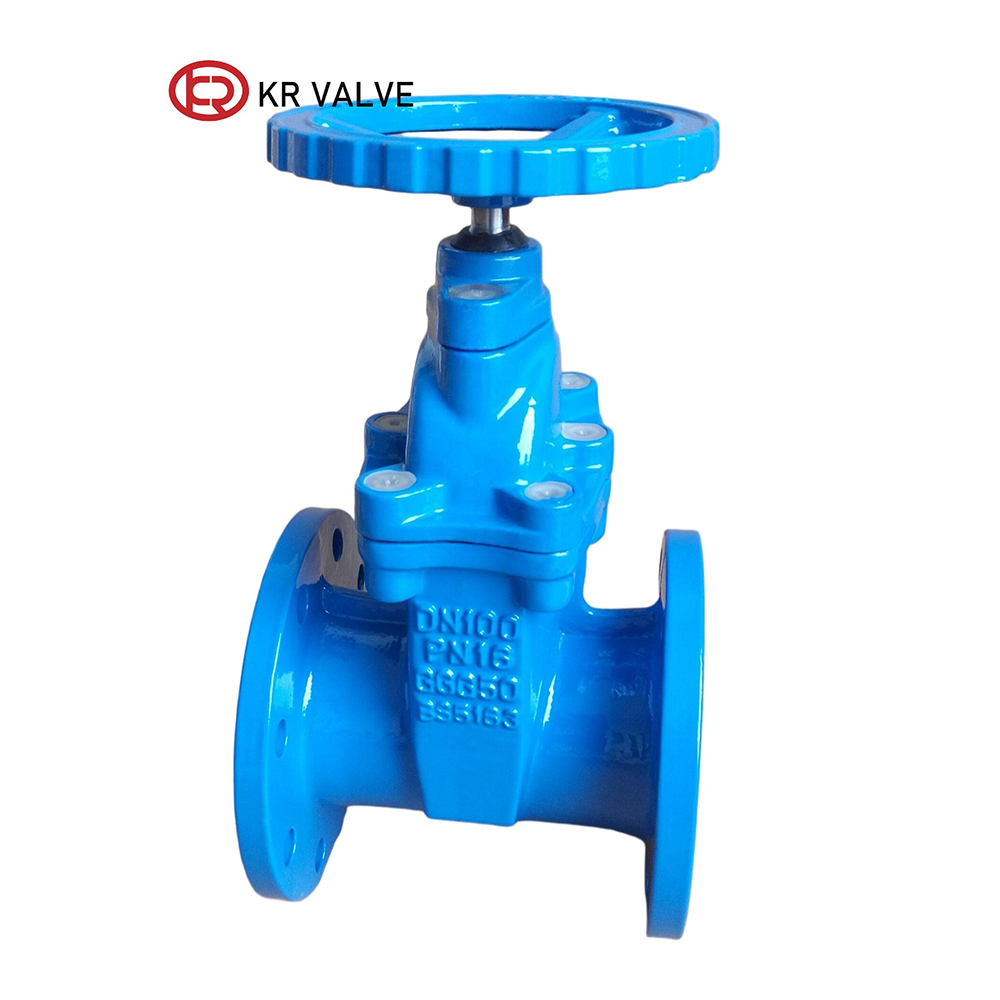
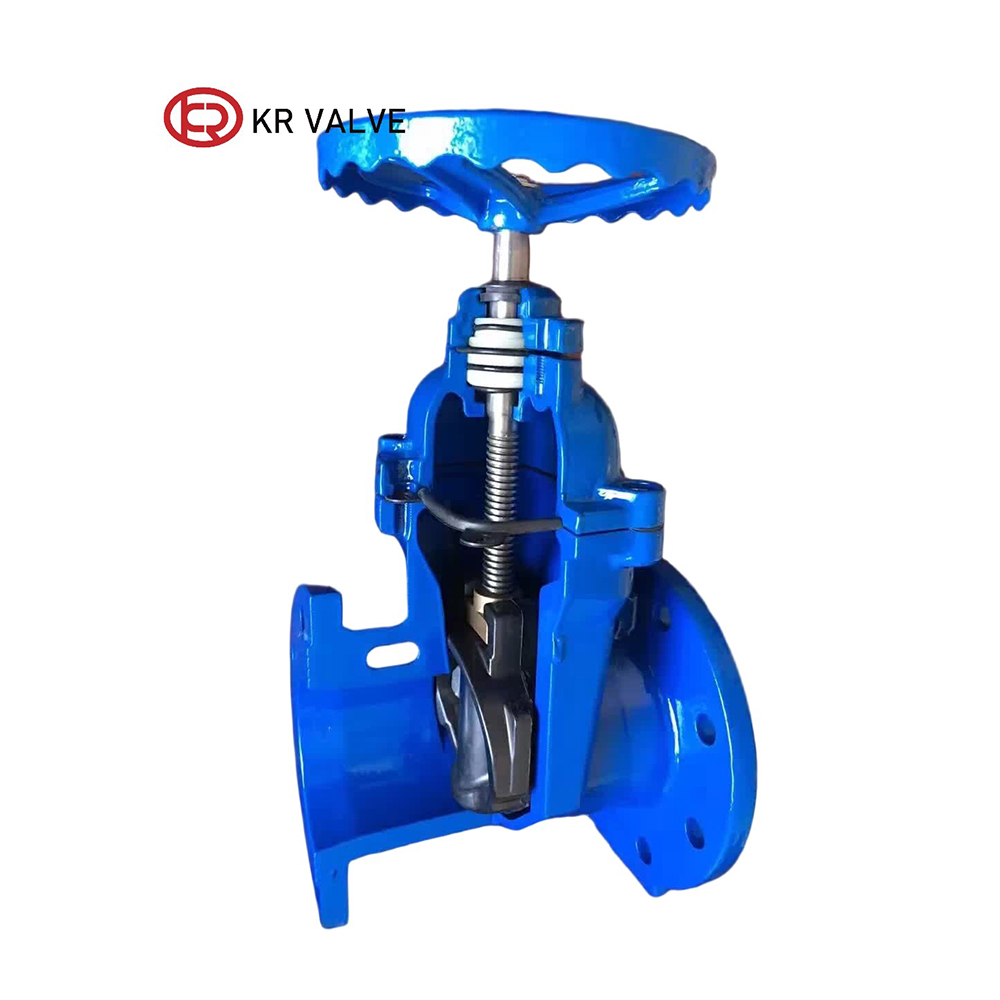
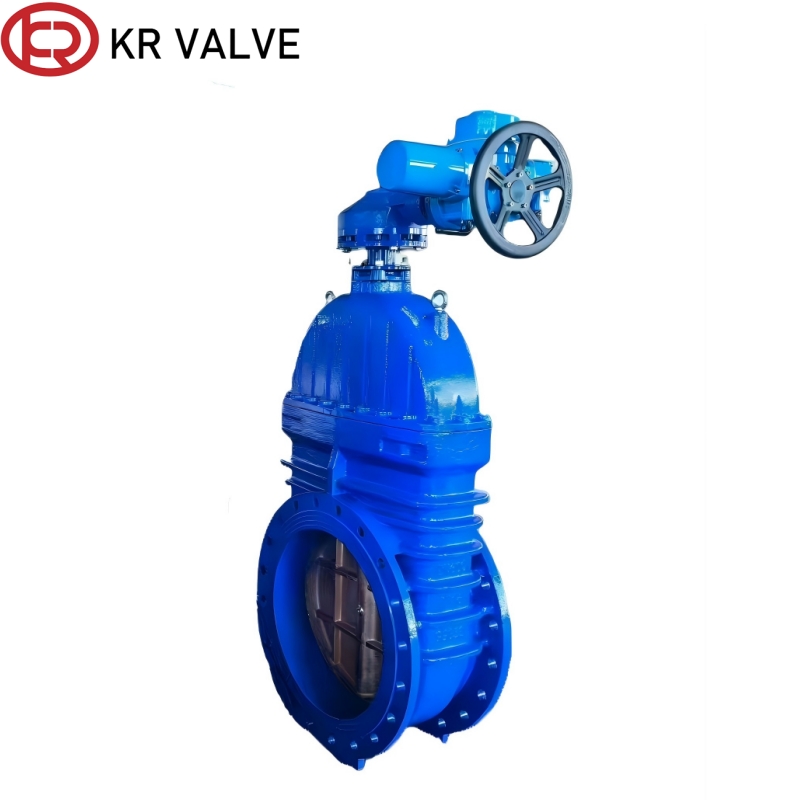
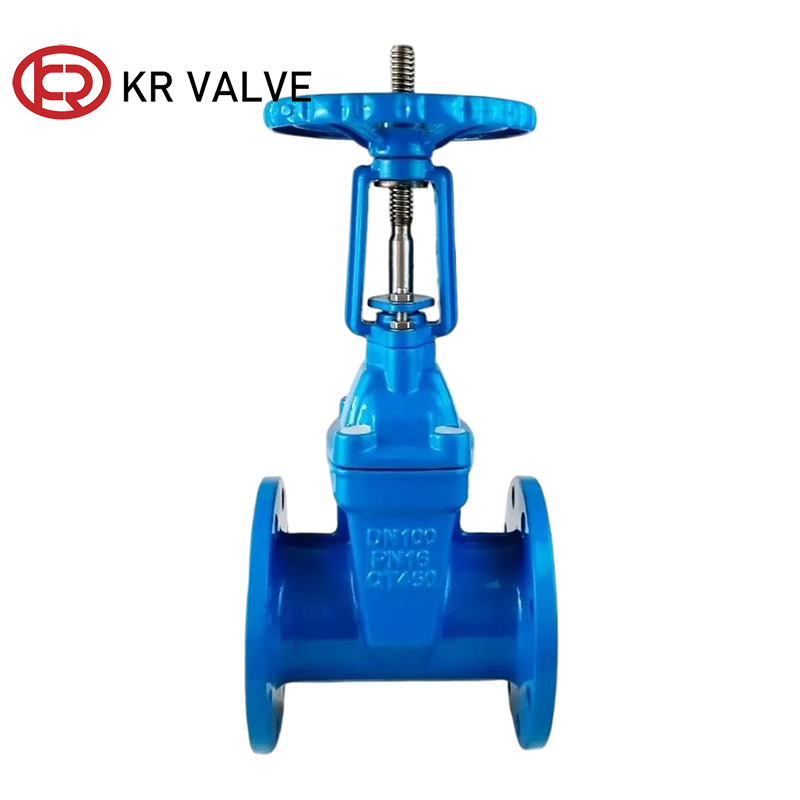
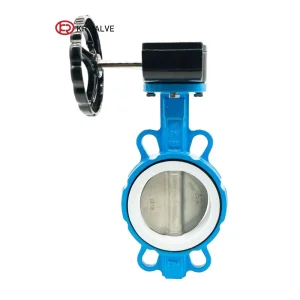
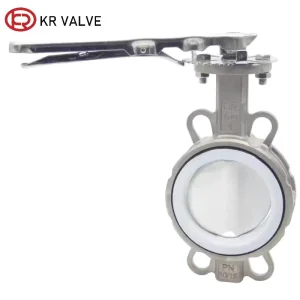
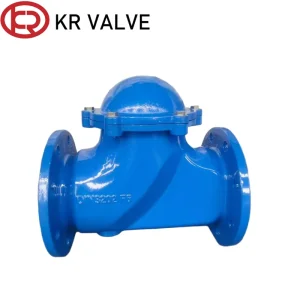
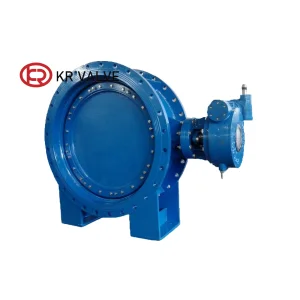
KR has more than 20 years of experience in producing standard and non-standard valves of various types. We supply a wide selection of over 500 valve products, including butterfly valve, gate valve, check valve, water control valve, as well as all their matching and accessory products. These products have applications in various industries such as water treatment, dam construction, commercial buildings, energy and heating, chemical engineering, etc. We have won high repeat purchase rates from customers with excellent product variety and quality.
Beyond product excellence, we are dedicated to creating a mutually beneficial partnership with every customer. We believe that reliable service is as crucial as superior products, and we strive to continuously optimize the customer experience to achieve long-term win-win cooperation. Today, KR VALVE’s products have been exported to over 50 countries and regions in Europe, Asia, Africa, and Oceania, providing project construction and brand marketing services to thousands of customers.
Global procurement teams in heavy industrial sectors—such as petrochemical processing, power generation, and municipal water treatment—have complex criteria when evaluating an OEM fast exhaust valve manufacturer. The primary concern is not merely component cost, but the Total Cost of Ownership (TCO), which incorporates design lifecycle, maintenance intervals, and compatibility with existing automated systems. For global enterprises, selecting a supplier with established engineering design (R&D) and comprehensive testing facilities is essential.
Modern procurement dynamics require customized solutions. Standards such as ANSI, DIN, API, and JIS must be adhered to strictly. Engineers need the flexibility to specify custom connection types (threaded, flanged, or wafer), materials (ranging from ductile iron to Duplex SS316), and seals (NBR, Viton, or PTFE) to match aggressive chemical profiles or extreme temperature environments. An OEM manufacturer's capacity to deliver rapid prototypes and run finite element analysis (FEA) on custom valve designs dictates their standing in the global supply chain.

Our dedicated R&D department ensures continuous product design innovation. Tech-driven engineers continuously develop products that meet customer and market requirements. Our laboratory provides modern testing capabilities to elevate product performance and fluid dynamics development. We offer 20 series and over 500 varieties of products.
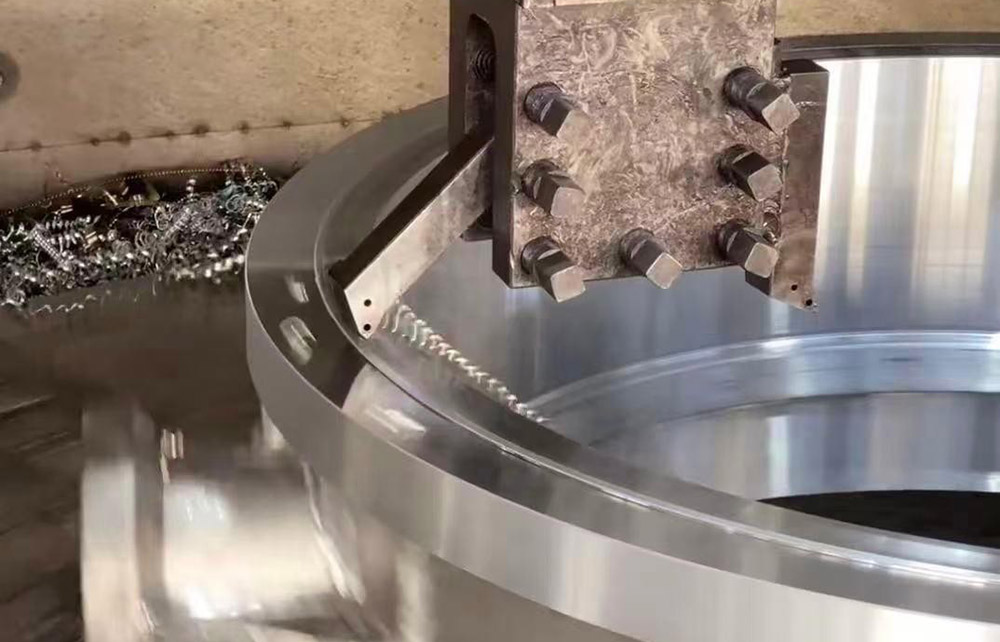
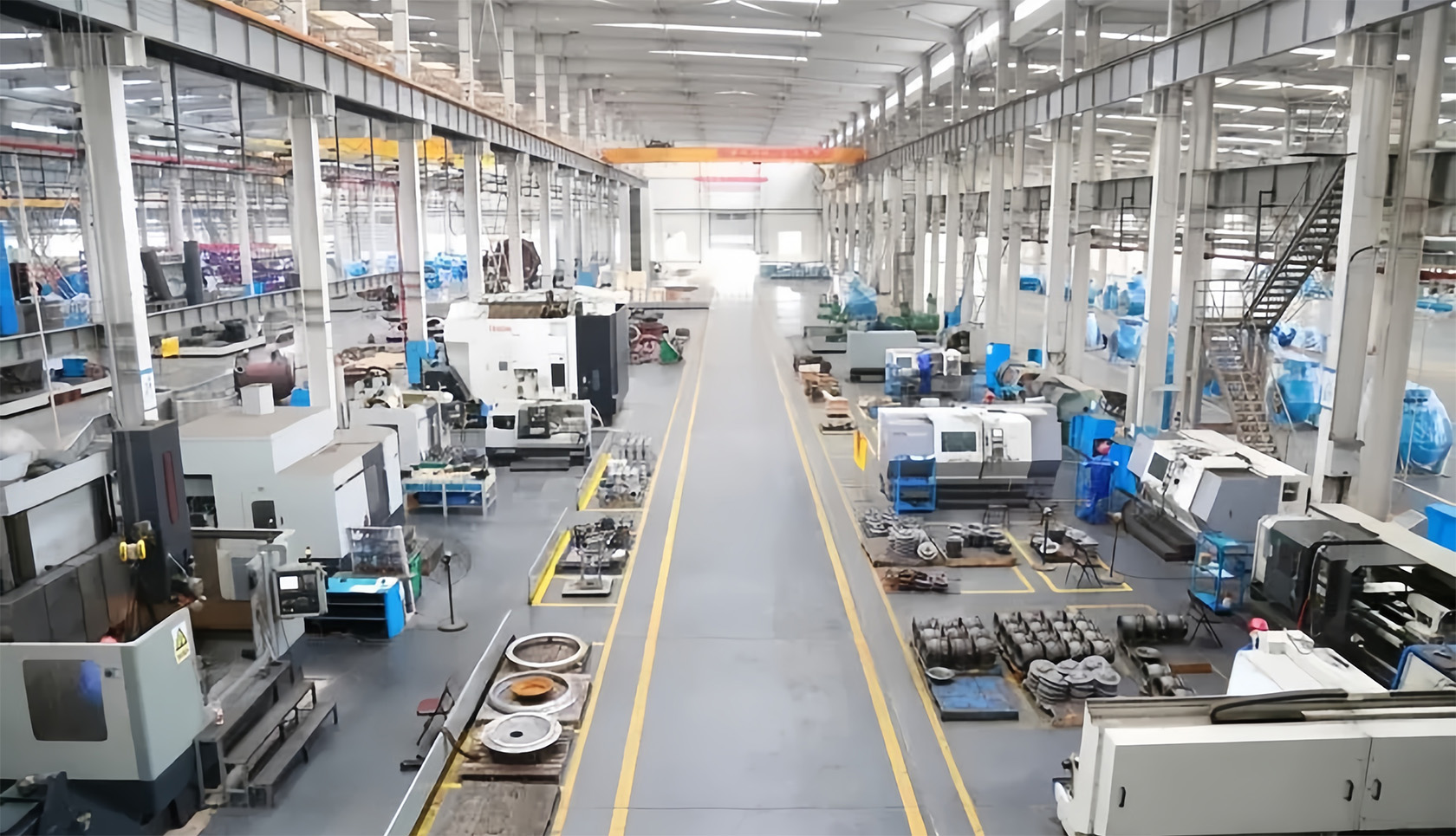
Our production department formulates detailed assembly plans to ensure timely delivery according to customer demands. All valves are manufactured under strict supervision in accordance with the ISO-9001 quality management system. We operate over 30 modern production machines and update our inventory monthly to exceed expectations.
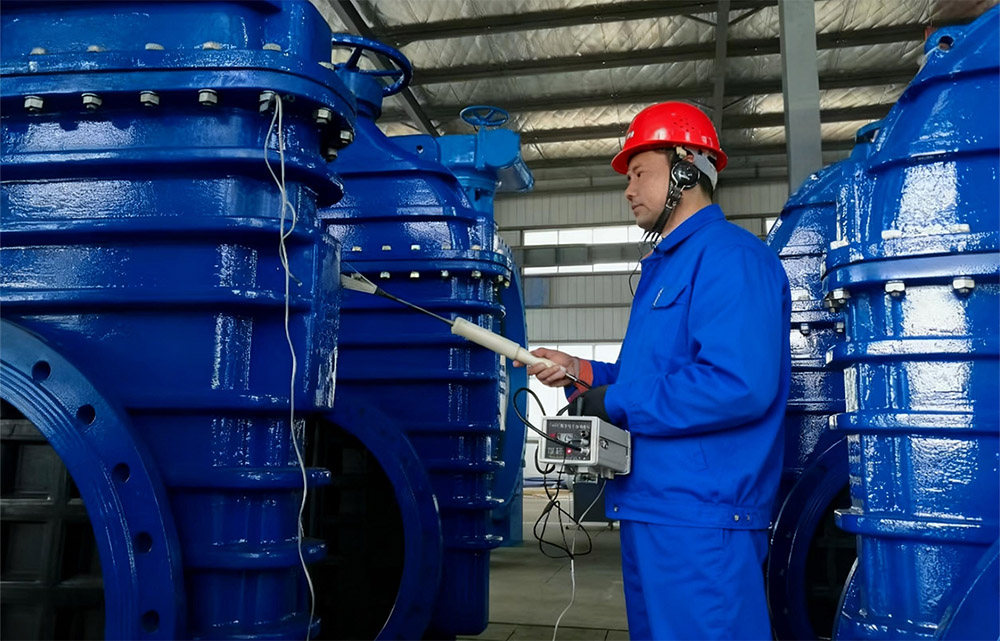
Zero leakage is our fundamental principle. Our quality inspection department conducts comprehensive evaluations on the appearance, dimension, pressure rating, and structural integrity of every valve. All tests comply with international standards, and official inspection reports are issued for every shipment.
The concentration of valve manufacturing in China offers unprecedented advantages for international buyers seeking an OEM fast exhaust valve manufacturer. Chinese industrial clusters enable raw material sourcing, foundry casting, precision CNC machining, and quality assurance testing to occur within tight geographic radii. This integration drastically reduces logistics costs and cuts product development cycles down from months to weeks.
In addition to geographic advantages, Chinese valve manufacturers have heavily invested in high-precision automation. Multi-axis machining centers ensure tight tolerances for valve seats and internal chambers, which is crucial for the high-frequency cycling required of fast exhaust valves. Advanced surface treatments like epoxy coatings, zinc plating, and electropolishing are applied in-house to protect valves from chemical weathering and external corrosion, establishing a long lifecycle at highly competitive pricing structures.
We actively market our independent brand "KR" while simultaneously providing world-class OEM/ODM services. We have established long-term cooperative partnerships with many globally recognized valve and engineering brands.
Equipped with 15 machining units and advanced assembly lines. Our floor technicians and assembly operators bring decades of experience, ensuring error-free configuration of every product line.
Offering 20 main series and over 500 structural varieties. We manufacture in strict accordance with international standards, but also accommodate custom, non-standard specifications based on drawing drafts.
We monitor and control the production of each individual component. From basic metallurgical testing of castings to high-pressure nitrogen gas tests, we ensure the finished product is flawless.

By controlling the entire production pipeline and streamlining our raw material sourcing, we minimize overhead costs and pass the savings directly to our customers.
Providing rapid 24-hour pre-sales consultation and comprehensive after-sales technical support. Our engineers assist in sizing, standard matching, and fluid dynamic considerations.
In modern industrial systems, products must conform to both domestic and international regulatory standards to be legally integrated. For projects located in Europe, North America, and parts of Asia, certificates of compliance are mandatory. OEM manufacturers must design and document valves in accordance with directives such as the Pressure Equipment Directive (PED) 2014/68/EU, ATEX (for explosive gas environments), and specific sanitary standards if applied in the food, beverage, or pharmaceutical sectors.
Compliance is only one half of the equation; localized engineering support ensures long-term operational success. KR Valve supports international engineering firms by providing detailed CAD files, 3D STEP models, and digital technical manuals. Having localized documentation translates to faster approval times by project owners and municipal regulators. In the event of system expansion or unexpected wear, having an OEM partner with localized distribution channels or responsive courier dispatch minimizes downtime and streamlines component swap-outs.
As industry moves toward smart manufacturing and the Industrial Internet of Things (IIoT), the design of pneumatic valves is shifting. Future generations of fast exhaust valves are beginning to feature integrated digital pressure sensors and cycle counters. By measuring the exhaust flow signature over time, predictive maintenance algorithms can determine diaphragm fatigue or pilot wear before a physical failure occurs, ensuring near-zero unplanned downtime in high-frequency assembly operations.
In addition to smart technology, eco-friendly operation is a key design driver. Modern plants prioritize noise reduction and environmental safety. Standard fast exhaust valves vent directly to the atmosphere, generating loud noise spikes. Modern designs incorporate high-efficiency mufflers or collect exhaust lines into central manifold systems to lower ambient decibel levels. In paint-spraying or chemical processing environments, fast exhaust valves must prevent fugitive emissions, keeping toxic gases or volatile organic compounds (VOCs) securely sealed within the control circuit.
Primary Application Fields:
Explore our robust catalog of primary valve lines developed for international infrastructure and industrial processes.
Our products are integrated into major pipelines, water systems, and factories worldwide. Check out our real-world installation achievements:
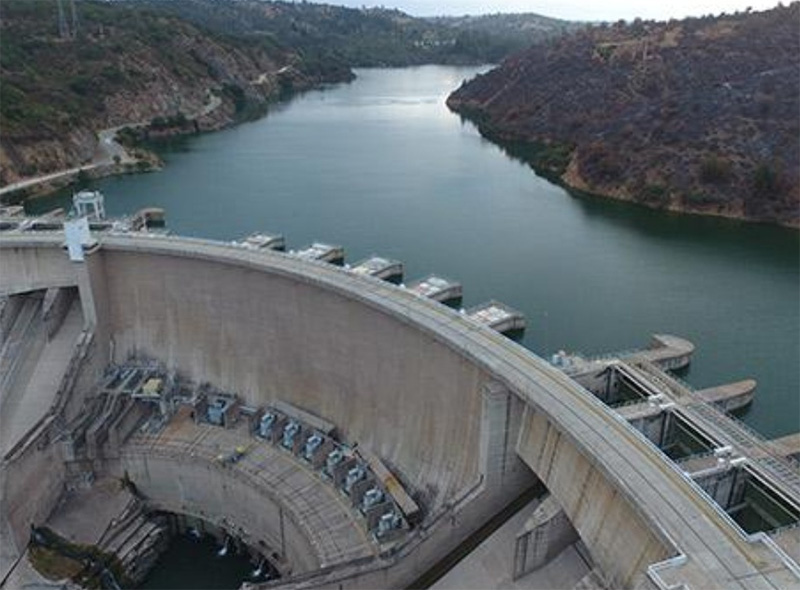
KR supplied various water control valves to a national dam project in Chile, ensuring stable municipal distribution and high-pressure floodgate operations.
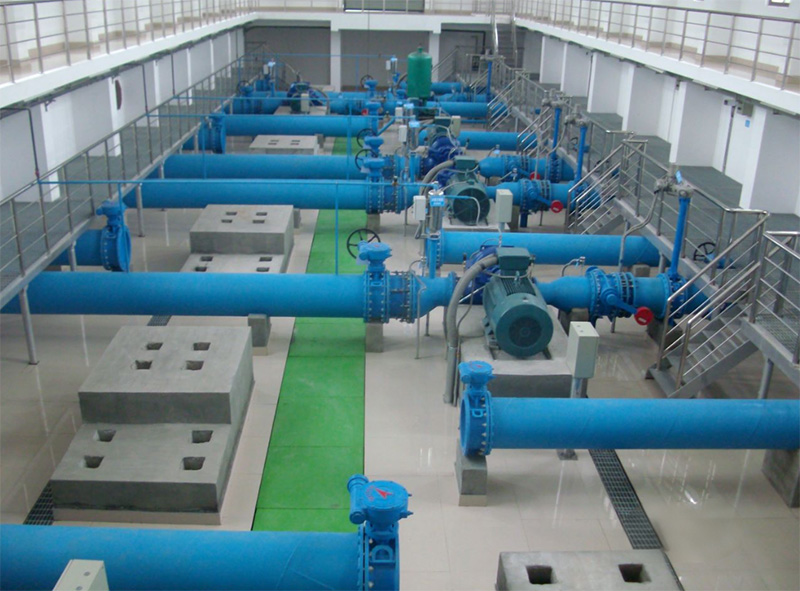
We supplied large-diameter concentric butterfly valves and non-return check valves for municipal water treatment networks throughout Italy.
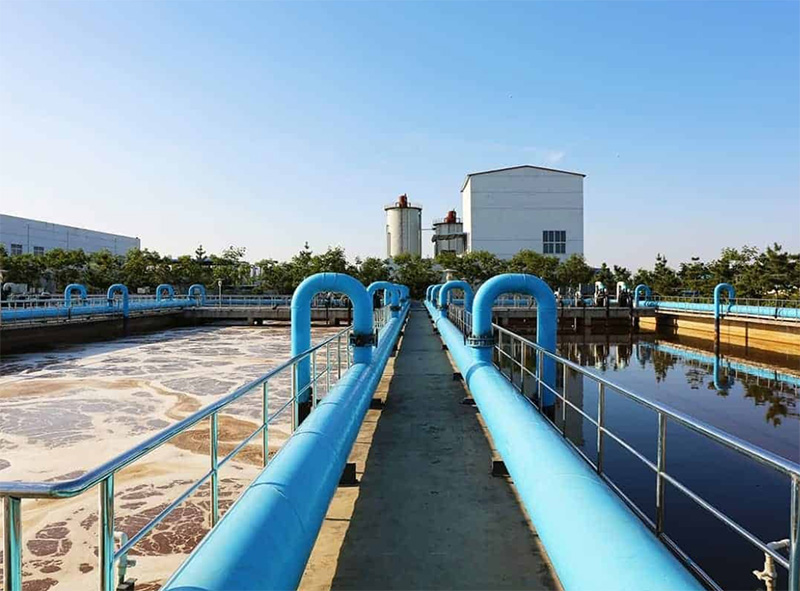
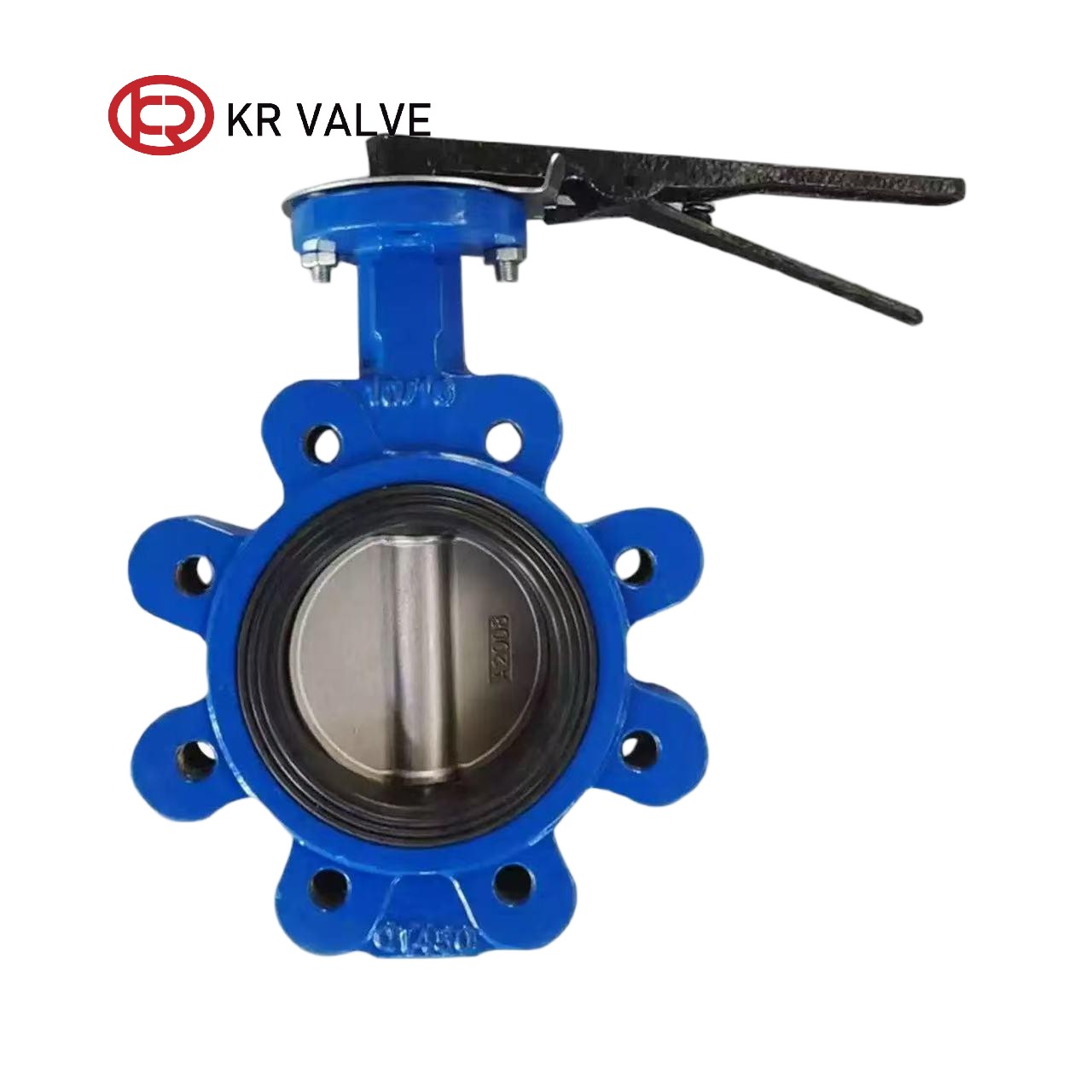
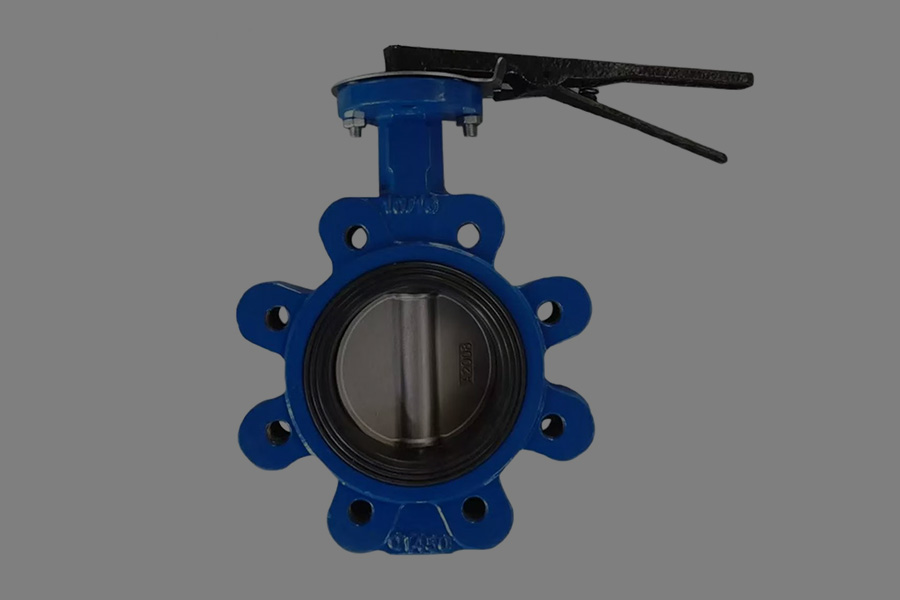
Our heavy-duty resilient wedge gate valves and lug butterfly valves manage industrial sludge separation loops in a high-density treatment plant in Indonesia.
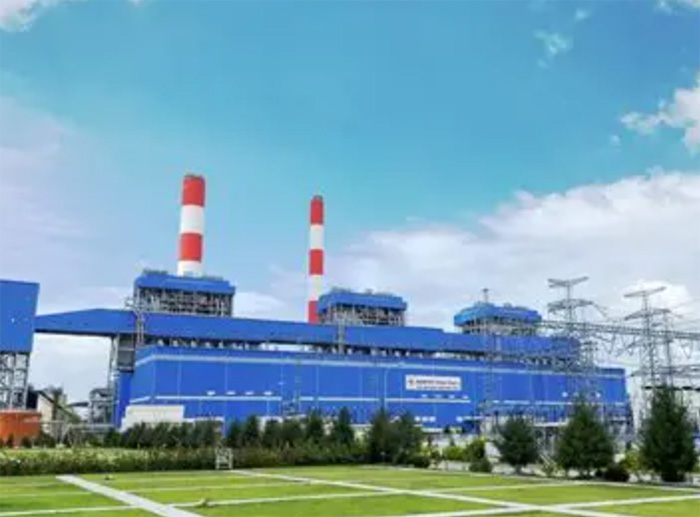
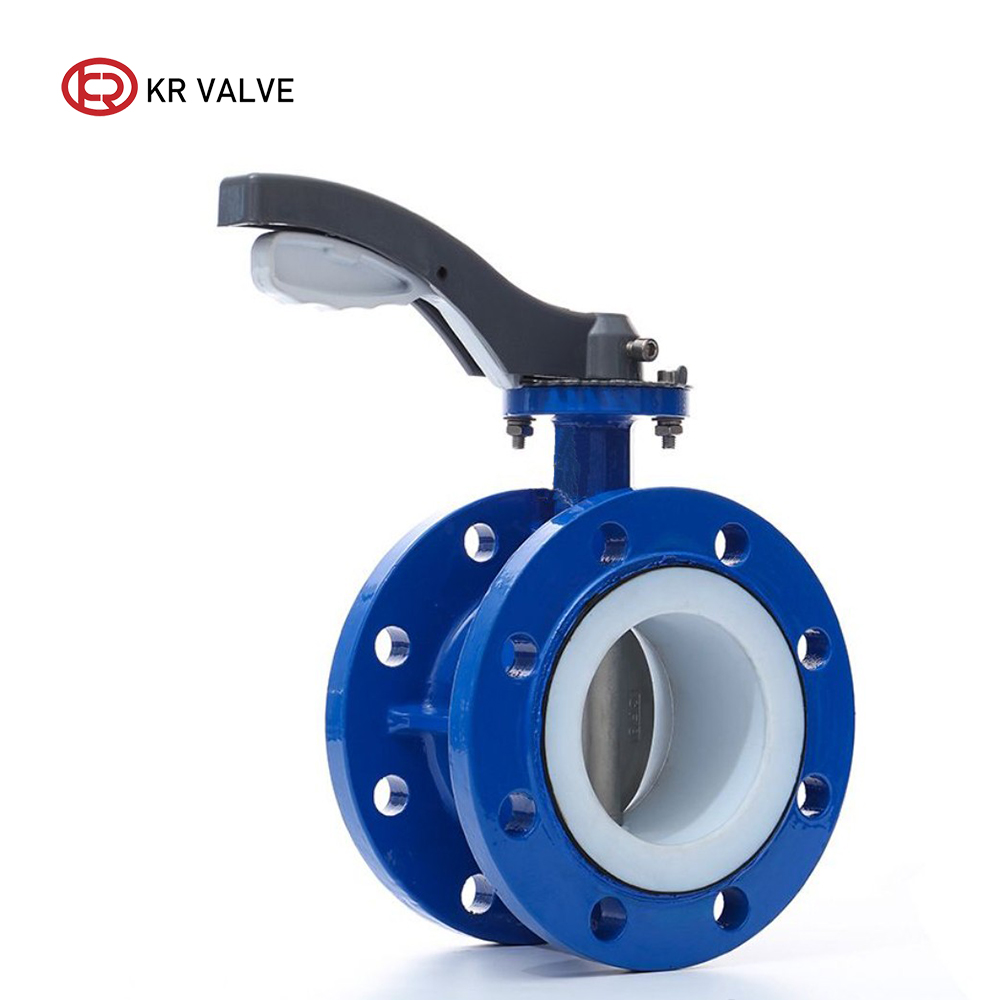
For chemical manufacturing in Vietnam, we provided custom PTFE-lined butterfly and ball valves to prevent corrosion from corrosive solvents.
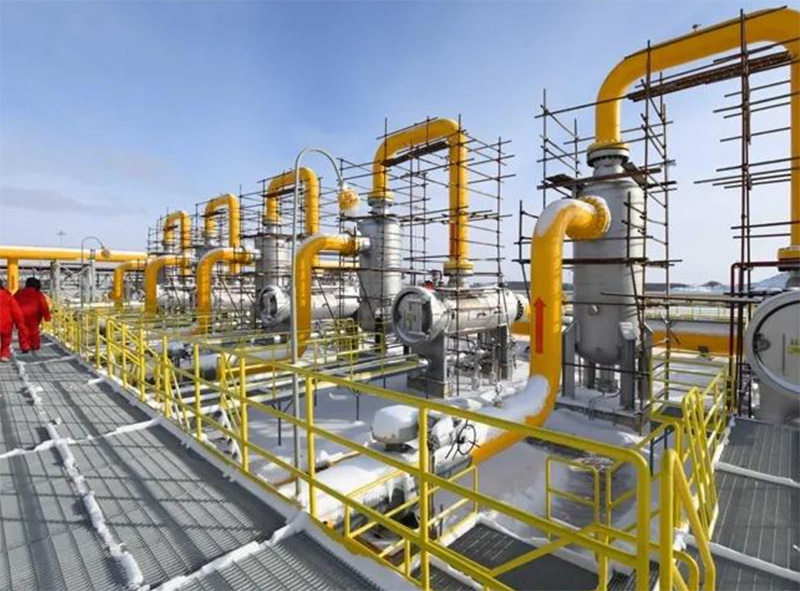
We supplied high-pressure gas-rated ball valves and solid wedge gate valves for a natural gas pipeline project, operating reliably under extreme sub-zero temperatures.
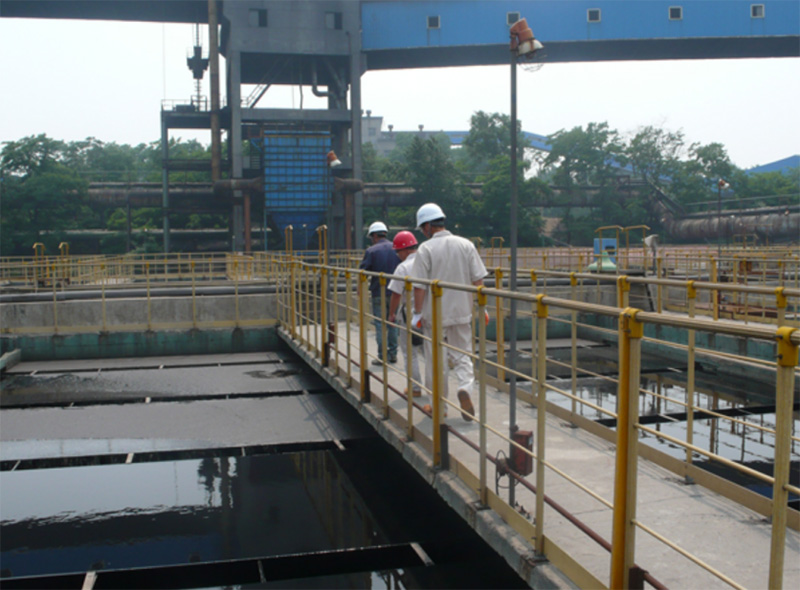
Integrating multi-port hydraulic flow controllers and one-way non-return valves into a municipal sewage network in Brazil to prevent wastewater backflow.
 KR VAVLE