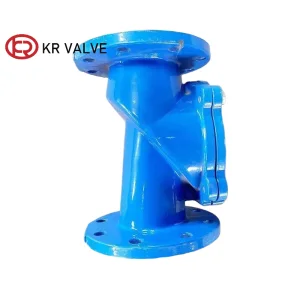
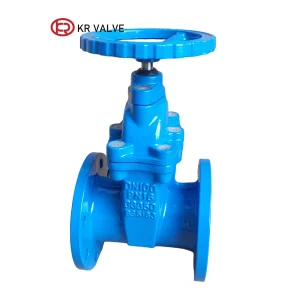
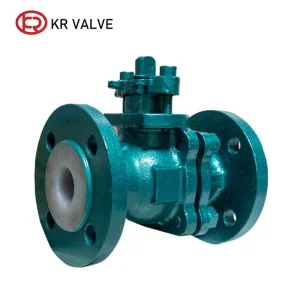
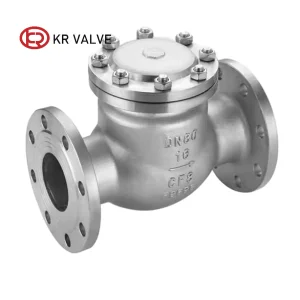
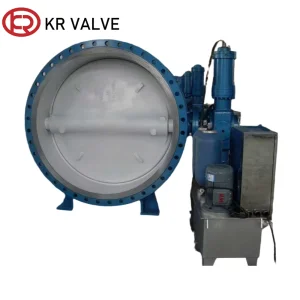
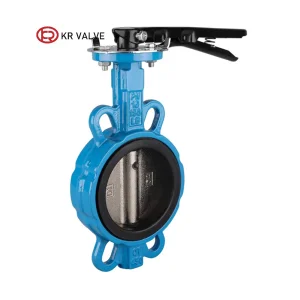
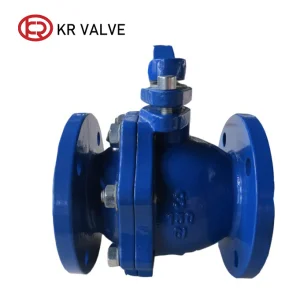
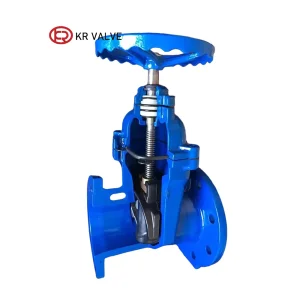
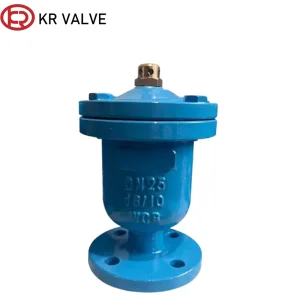
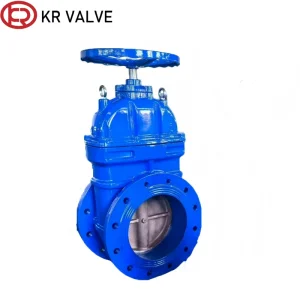
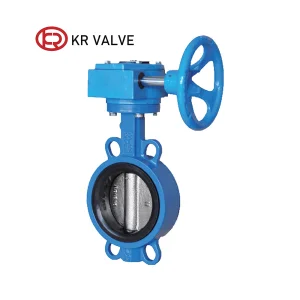
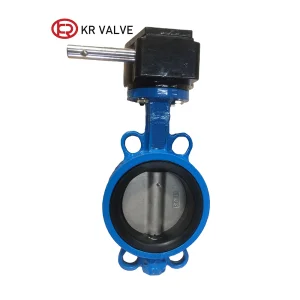
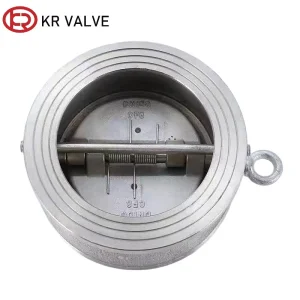
Explore our premium range of industrial check, gate, butterfly, and specialized water control valves, manufactured to exceed strict international operating standards.
In high-pressure fluid power systems, control, safety, and reliability are paramount. A hydraulic counter balance valve (also known as an overcenter valve) plays an indispensable role. It is designed to control the movement of a hydraulic actuator when subjected to overrunning or runaway loads. By maintaining backpressure in the return line of the cylinder or motor, the valve prevents uncontrolled load descent, providing smooth, modulation-rich deceleration and static load holding.
As a premier OEM hydraulic counter balance valve manufacturer and factory, we leverage years of industrial metallurgy and precision machining expertise. We formulate solutions tailored to demanding requirements, mitigating the risks of hydraulic failure, component wear, and structural stress. Whether your system operates in heavy cranes, high-capacity machinery, or critical industrial tooling, our counterbalance valves maintain system equilibrium under variable load dynamics.
"A counterbalance valve functions as a pilot-assisted relief valve with an integrated free-flow check. When hydraulic oil enters the cylinder's extension line, it freely flows through the check valve. When pressure drops or the direction reverses, the relief element acts to lock the cylinder in position until a precise pilot pressure command triggers controlled release."
The hydraulic component industry is undergoing a digital and mechanical revolution. Our research and development laboratories are tracking and pioneering several technology trends that define the future roadmap of hydraulic counter balance valves:
Traditional mechanical counterbalance valves rely strictly on pilot-line pressures. Next-gen systems integrate electronic proportional control directly with the spool cartridge. This allows real-time adaptive control from the machine controller, optimizing deceleration profiles dynamically.
By implementing advanced diamond-like carbon (DLC) coatings and sub-micron tolerance grinding, the internal friction of the valve spool is minimized. This significantly reduces hysteresis, ensuring precise control and repeatable performance across diverse viscosity scales.
As equipment designers face severe spatial restrictions, we are shifting towards ultra-compact cartridge styles. These are integrated directly into actuator housings to minimize external plumbing, reducing potential oil leakage points to near zero.
By investing heavily in metallurgical engineering and fluid dynamics modeling (CFD), we ensure our OEM partners receive components that optimize power density, reduce thermal dissipation, and withstand extremely harsh cyclic environments.
Hydraulic counterbalance valves are fundamental building blocks in numerous macro-level infrastructure and heavy-industrial operations. Our custom-engineered valve assemblies support several core sectors:
| Industry Sector | Primary Application | Critical Challenge Addressed | Preferred Valve Specifications |
|---|---|---|---|
| Mobile & Infrastructure Cranes | Boom elevation and telescoping cylinders | Structural collapse prevention during load lifting or hose burst | Low-leakage design, 3:1 to 4.5:1 pilot ratio, high pressure (up to 350 bar) |
| Aerial Work Platforms (AWP) | Personnel basket levelling and articulation | Sudden dropping or juddering motions during manual operation | High stability, restrictive spools, low noise profiles |
| Marine & Offshore Cranes | Winches, deck machinery, and dynamic wave compensation | Corrosive saltwater exposure and continuous load oscillations | Stainless steel 316 housings, special plating, NBR/Viton seals |
| Heavy Industrial Press Tools | Die clamping, mechanical stamping presses | High cycling speeds coupled with intense mechanical vibrations | Direct flange mount manifold, fast dynamic response spools |
At KR Valve, we leverage over 20 years of production expertise. Our modern manufacturing base is equipped to handle standard and non-standard custom valves of various designs. Driven by Factory 4.0 principles, we address global supply chain risks through vertical integration, smart machining systems, and rigorous quality inspection processes.
Our production floor contains over 15 machining machines and highly structured assembly lines. Our factory-trained workers are highly experienced in precision metal working, valve casing casting, and pressure sealing techniques. A strict ISO-9001 quality management structure governs every step of production. Every counterbalance valve cartridge and complete assembly undergoes detailed tests to ensure high performance before packing.
"Zero Leakage is our core principle." According to international quality inspection standards, we conduct comprehensive testing on appearance, dimension, structural pressure limits, and dynamic flow behavior, generating detailed conformity reports for trace-back assurance.
By controlling all aspects of fabrication—from design, raw material sourcing, casting supervision, precision grinding, to final pressure testing—we maintain competitive pricing while delivering reliable mechanical products. This self-contained supply chain insulates our clients from raw material fluctuations and ensures stable production lead times.
For procurement managers, choosing a hydraulic counter balance valve manufacturer is about managing risk. At KR Valve, we address the main operational concerns of international corporate buyers:
We supply a wide selection of over 500 valve models, including butterfly, gate, check, and water control valves, as well as matching pipeline accessories. These products support various applications in water treatment, dam construction, commercial developments, energy and heating systems, and chemical engineering. Our quality focus has helped us secure high repeat purchase rates from partners in Europe, Asia, Africa, and Oceania.
Beyond our manufacturing processes, we build long-term relationships with every customer. We believe that reliable customer service is as essential as product performance, and we work to optimize the customer experience. Our engineering and sales support divisions operate 24 hours a day to answer queries quickly, helping you find the right technical solutions and maintain project schedules.
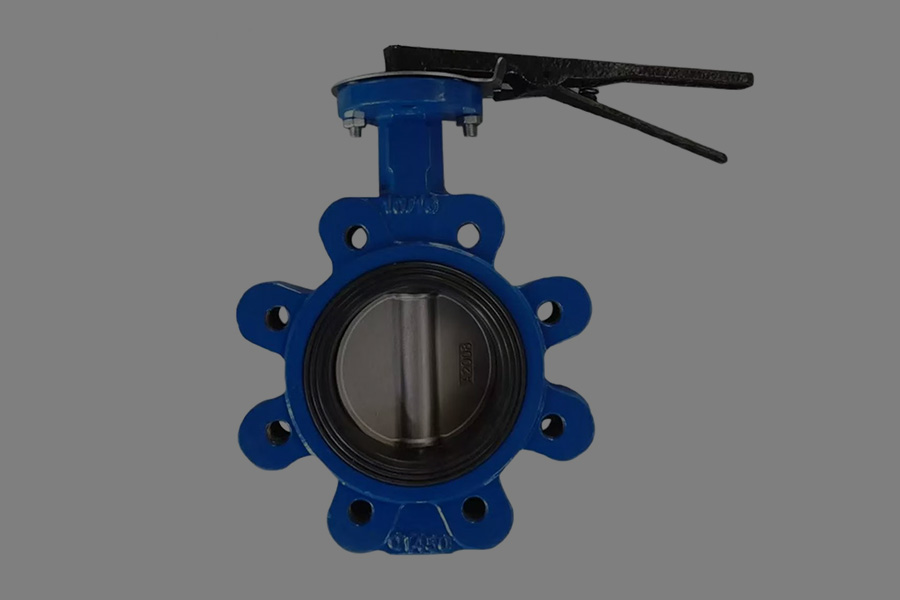
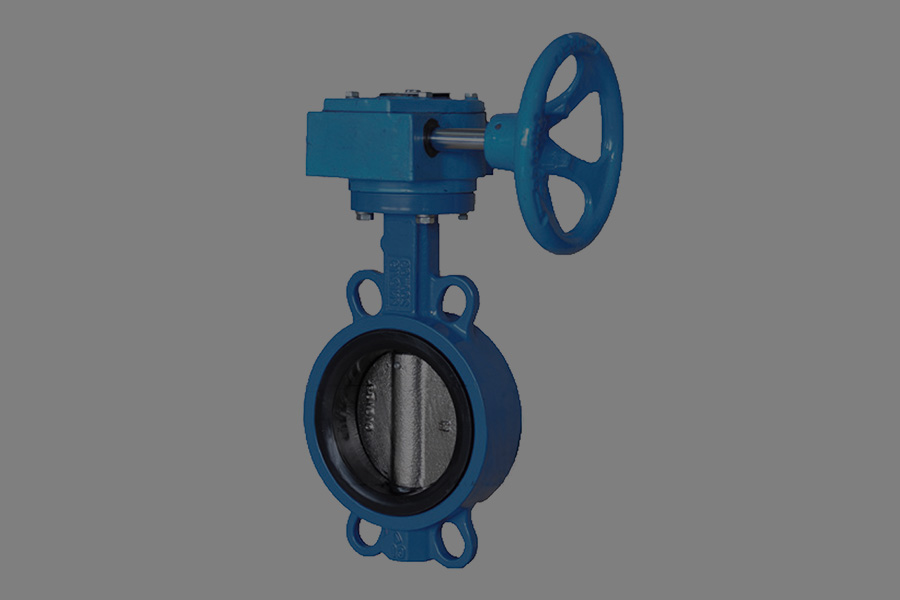
Our valve solutions are used across global engineering and infrastructure projects. Here are some of our successful installations:
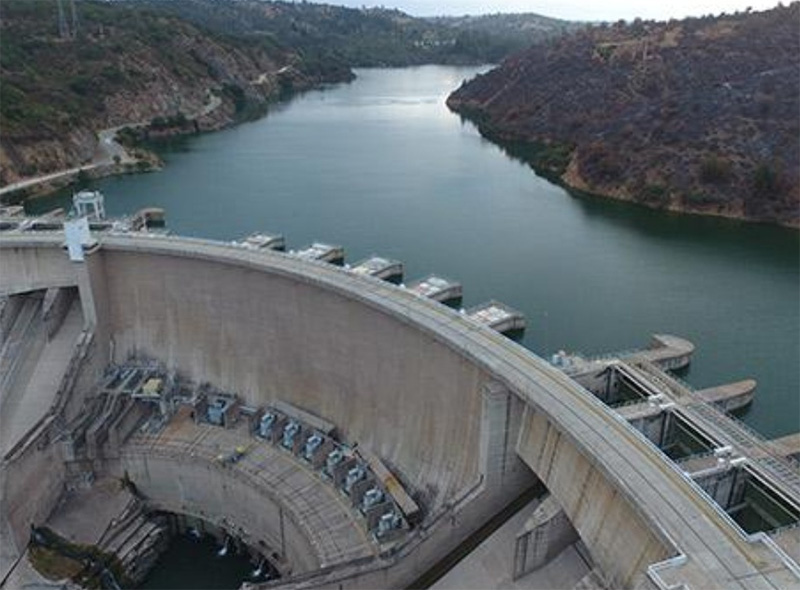
KR supplied water control valves to support dam operations and high-pressure reservoir discharge systems in Chile.
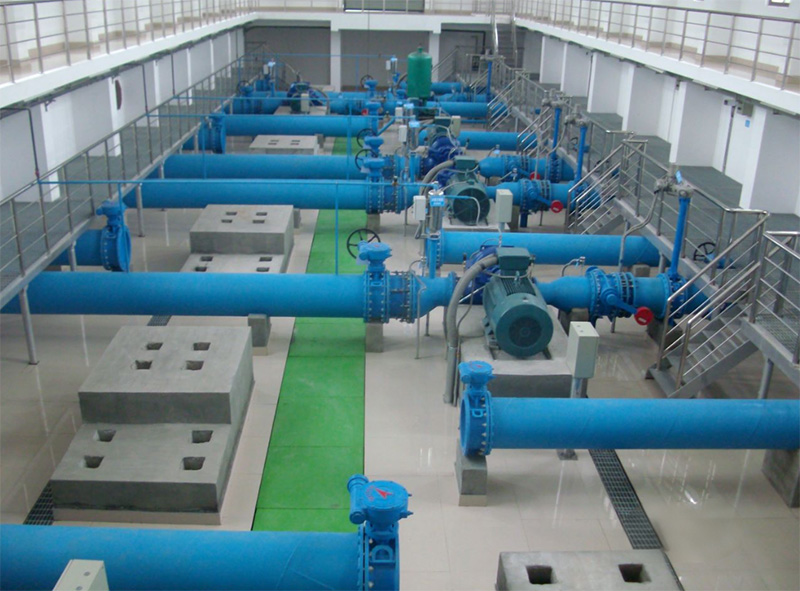
We supplied large-diameter butterfly valves and swing check valves for municipal water supply networks in Italy.
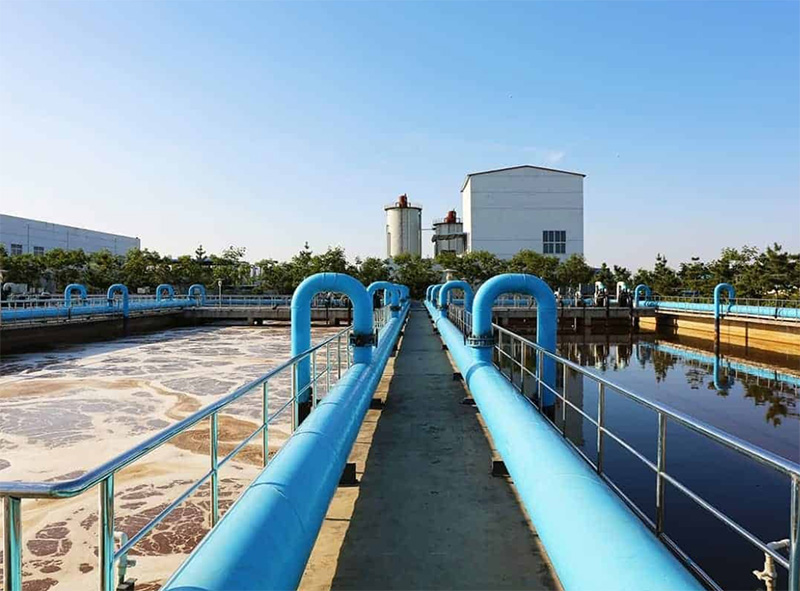
Reliable double eccentric butterfly valves and gate valves installed in waste processing facilities in Indonesia.
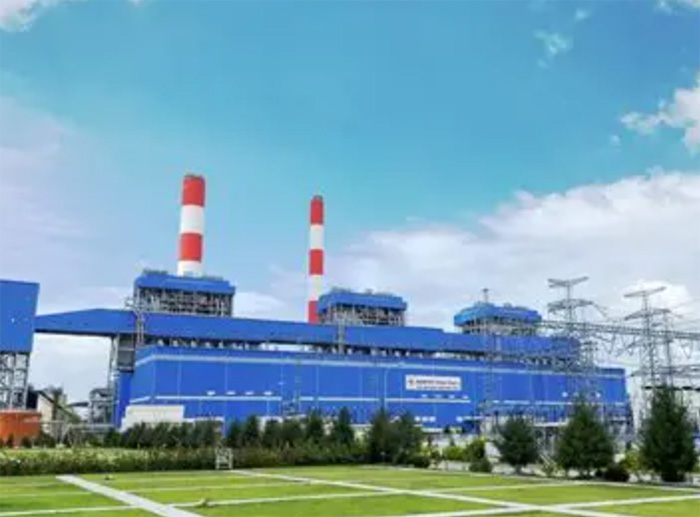
Supplied corrosion-resistant PTFE-lined ball valves and specialized check valves to manage acidic media in Vietnam.
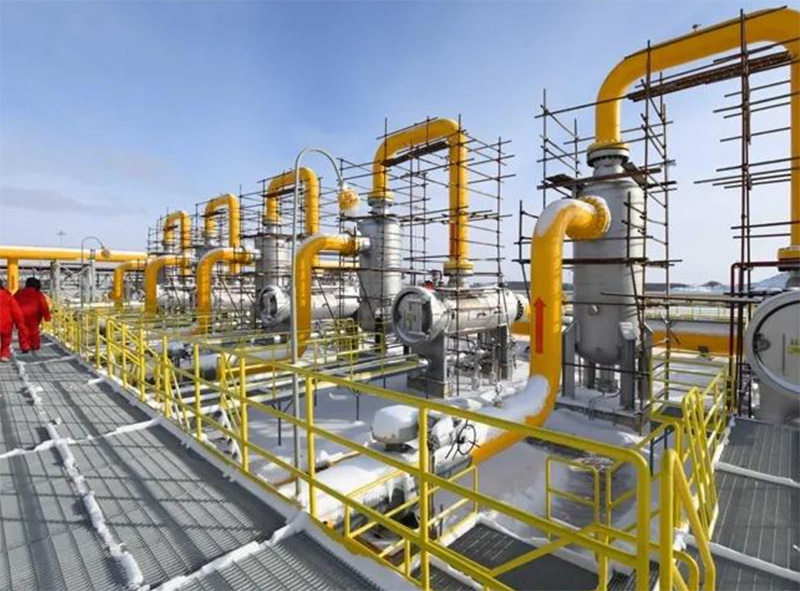
High-pressure steel ball valves and gate valves designed to operate in low-temperature environments in Russia.
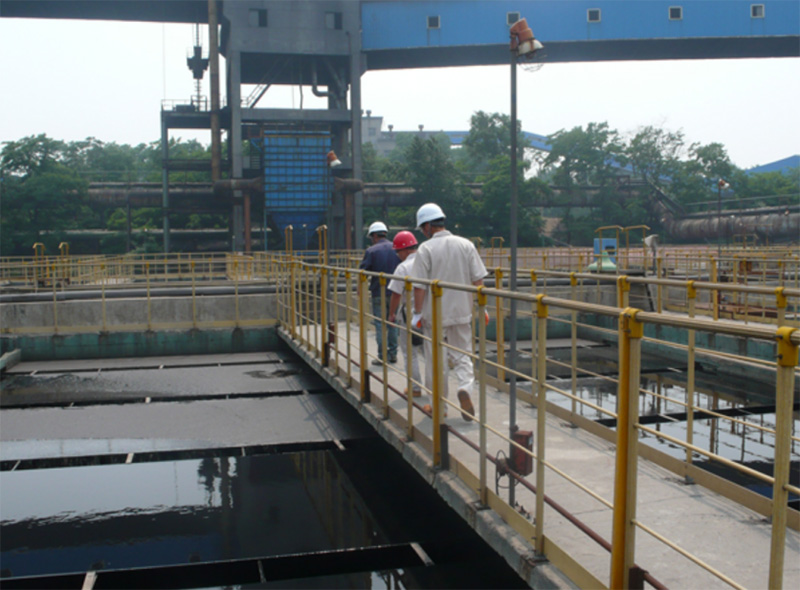
Resilient seated gate valves and non-return check valves installed in sewage treatment facilities in Brazil.
Expert answers to common engineering and procurement questions about hydraulic counterbalance valves.
While both valves hold static loads, their dynamic behaviors are different. A pilot-operated check valve (PO check) opens fully when pilot pressure is applied, which can cause load chatter in systems with overrunning loads. A counterbalance valve acts as a pilot-assisted relief valve, regulating the opening size proportionally to create backpressure. This ensures smooth control over running loads and prevents hydraulic juddering.
Select your pilot ratio based on your load stability needs. A lower pilot ratio (such as 3:1 or 2:1) offers high control stability, making it suitable for systems prone to vibration, like crane booms. A higher pilot ratio (such as 4.5:1, 8:1, or 10:1) requires less pilot pressure to open, reducing heat generation and power consumption in stable, motor-driven applications.
Setting the pressure to 1.3 times the maximum load pressure provides a safety margin. This buffer accounts for mechanical shock loads, spikes in pressure, and spring tolerance. It ensures the valve remains seated under static holding conditions, preventing drift even when the system is subjected to dynamic movements.
Yes. As an OEM manufacturer, we design and produce cartridges that match standard cavity profiles (such as T-11A, T-2A, or T-17A cavities) or create custom valve dimensions based on your specific manifold configurations, pressure requirements, and dimensional constraints.
Every valve undergoes dynamic fluid performance and static pressure-holding tests at our facility. Using high-precision instruments, we monitor hydraulic pressure decay to ensure our valves meet or exceed API 598 or ISO 5208 standards, ensuring no leakage across all critical metal-to-metal contact seats.
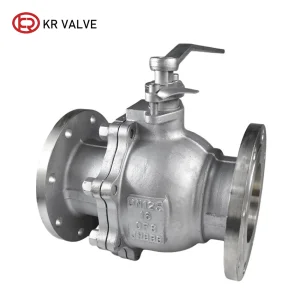
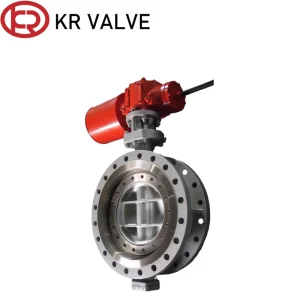
Select from our widely deployed gate, ball, check, and butterfly valves, engineered for industrial installations, municipal pipelines, and heavy equipment applications.
 KR VAVLE