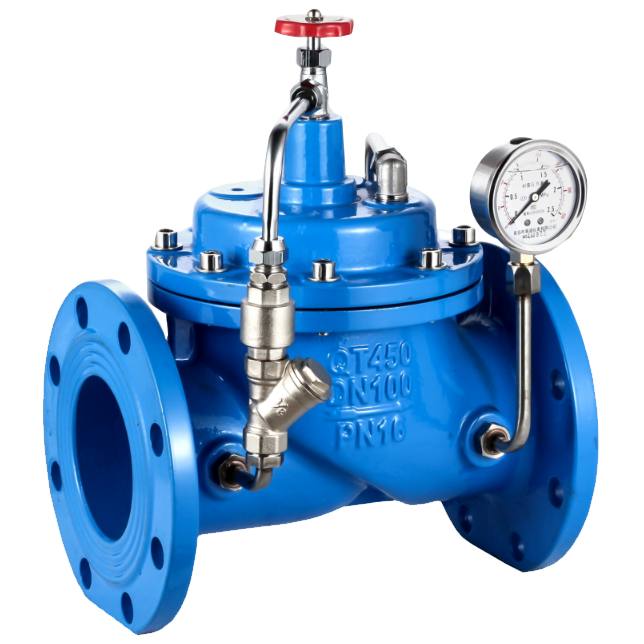
High-performance custom pipeline components manufactured under strict ISO-9001 quality systems for zero leakage performance.
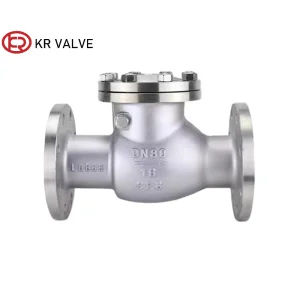
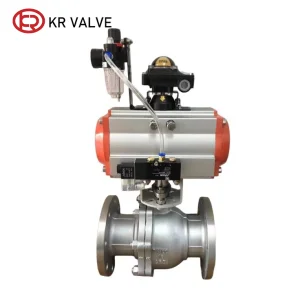
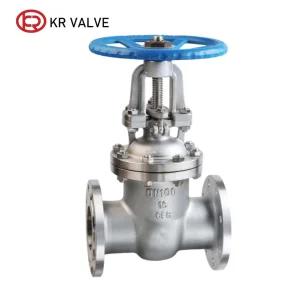
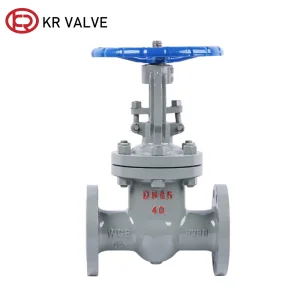
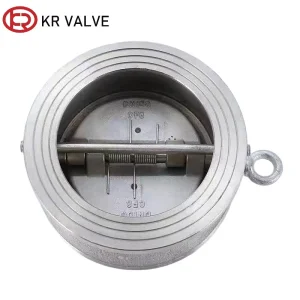
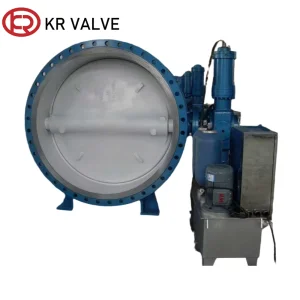
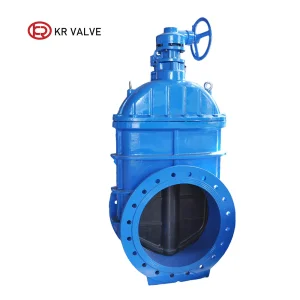
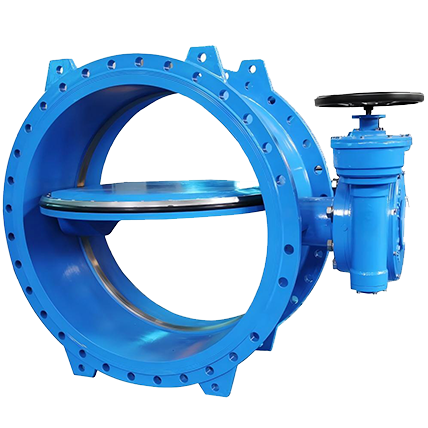
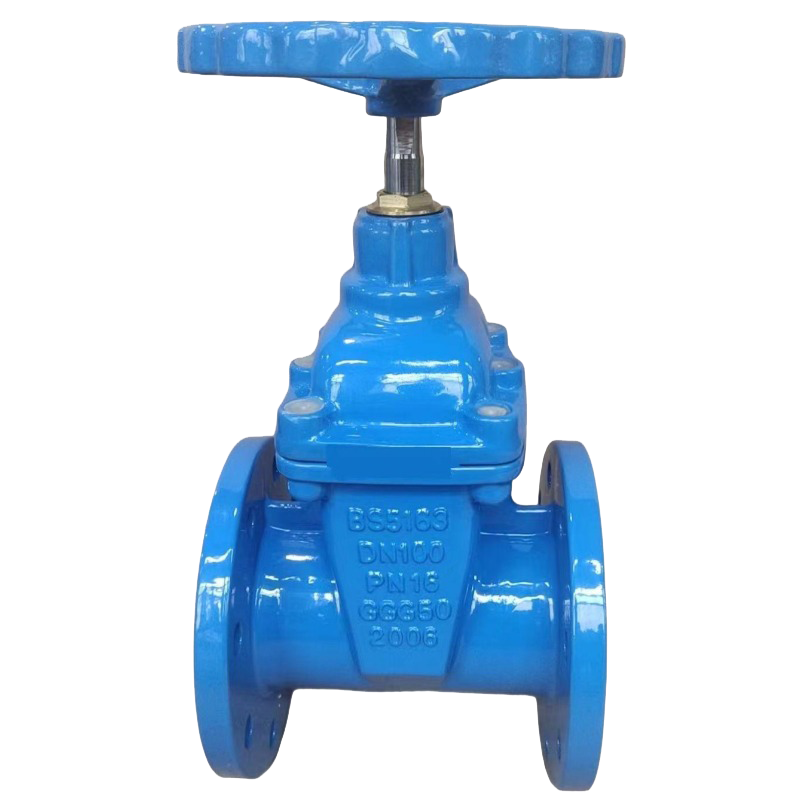
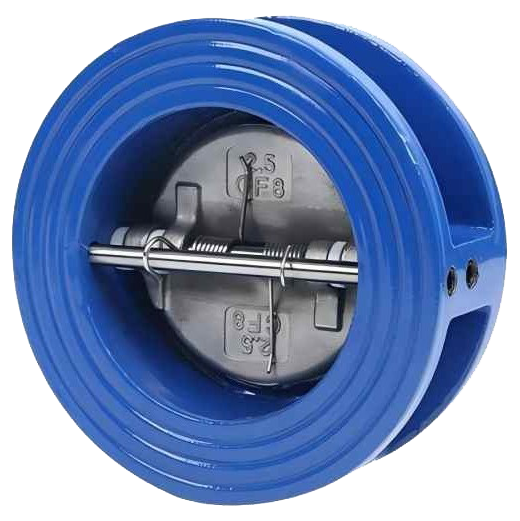
KR has more than 20 years of experience in producing standard and non-standard valves of various types. We supply a wide selection of over 500 valve products, including butterfly valves, gate valves, check valves, water control valves, and their matching and accessory products. These products have vital applications in various industries such as water treatment, dam construction, commercial buildings, energy and heating, chemical engineering, and more. We have won high repeat purchase rates from customers with excellent product variety and quality.
Beyond product excellence, we are dedicated to creating a mutually beneficial partnership with every customer. We believe that reliable service is as crucial as superior products, and we strive to continuously optimize the customer experience to achieve long-term win-win cooperation. Today, KR VALVE’s products have been exported to over 50 countries and regions in Europe, Asia, Africa, and Oceania, providing project construction and brand marketing services to thousands of customers. We look forward to collaborating with you, leveraging our expertise, comprehensive product range, and unwavering commitment to quality and service to support your success.
The critical first line of defense for industrial piping systems, ensuring protection from particulate damage, scaling, and mechanical erosion.
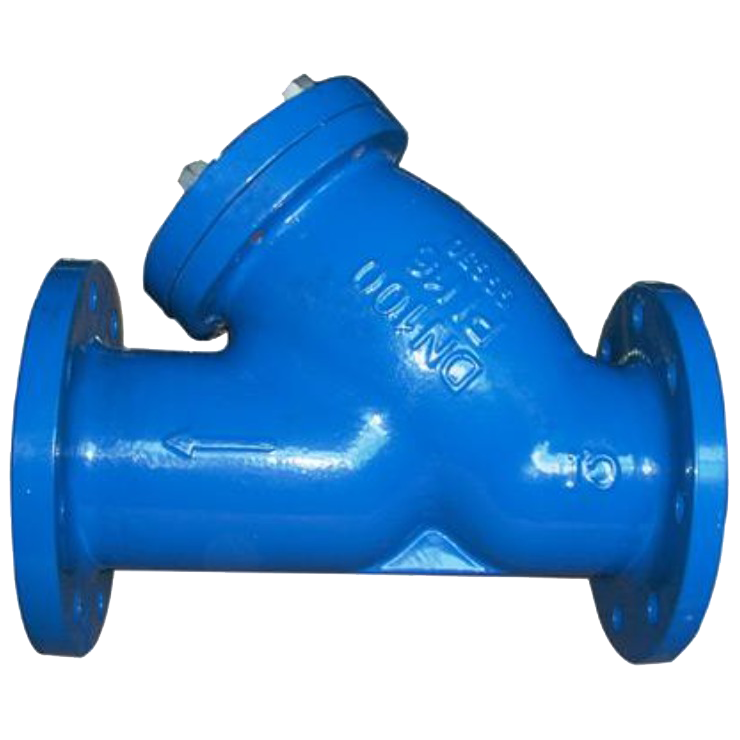
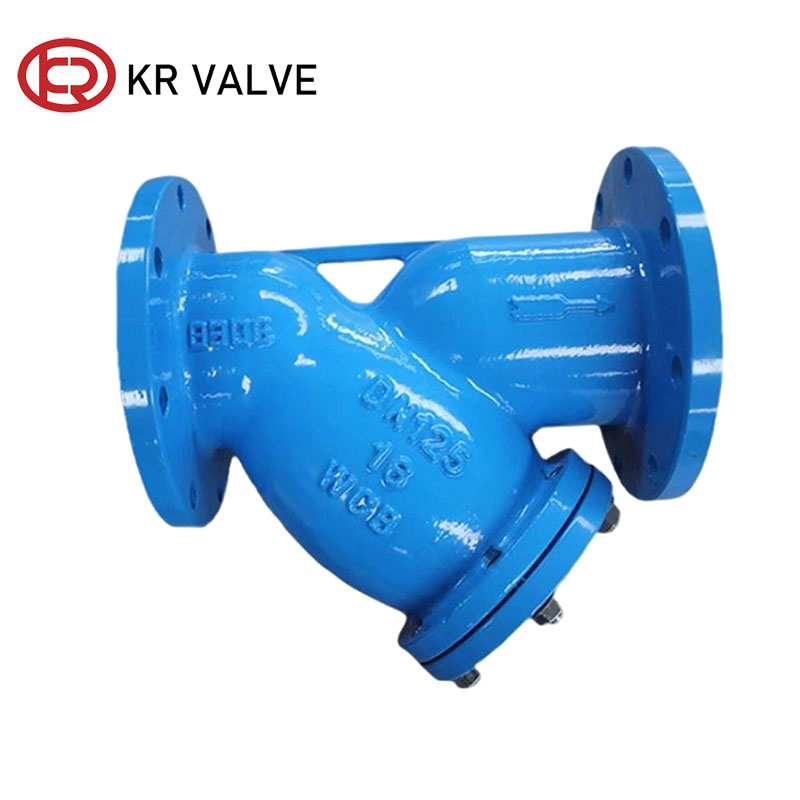
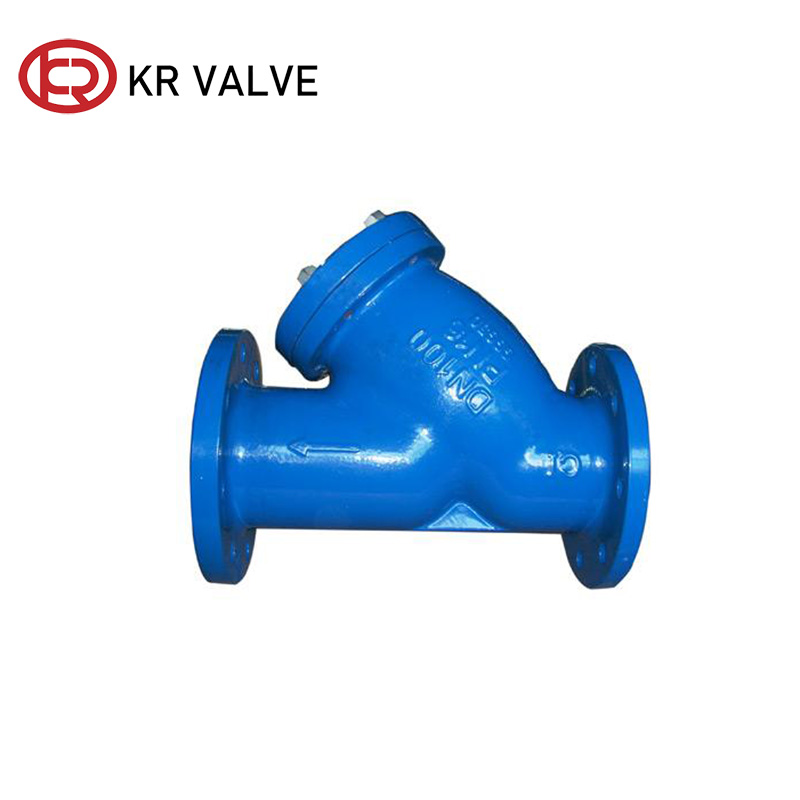
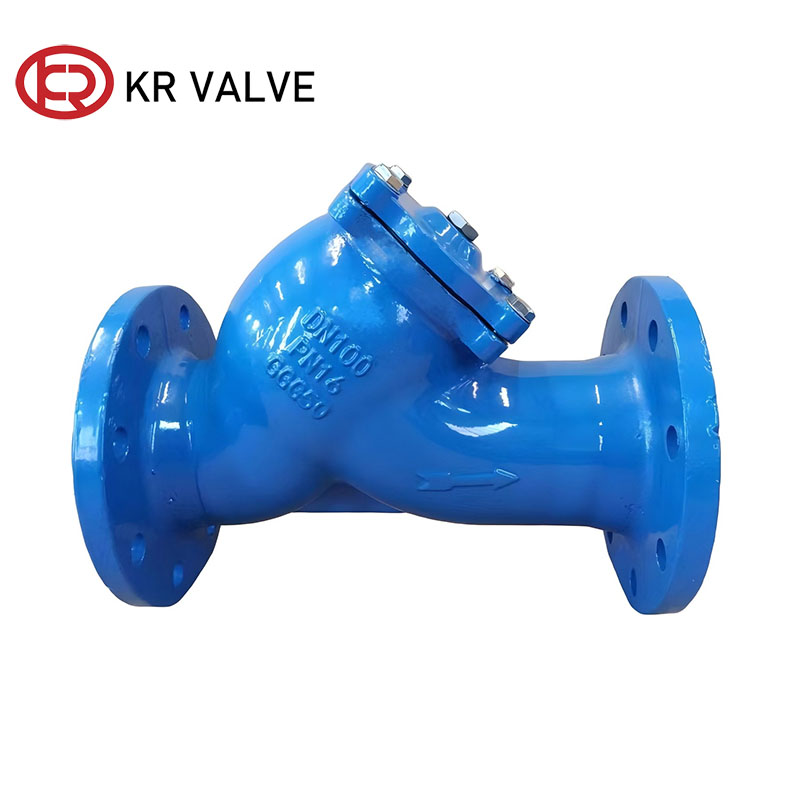
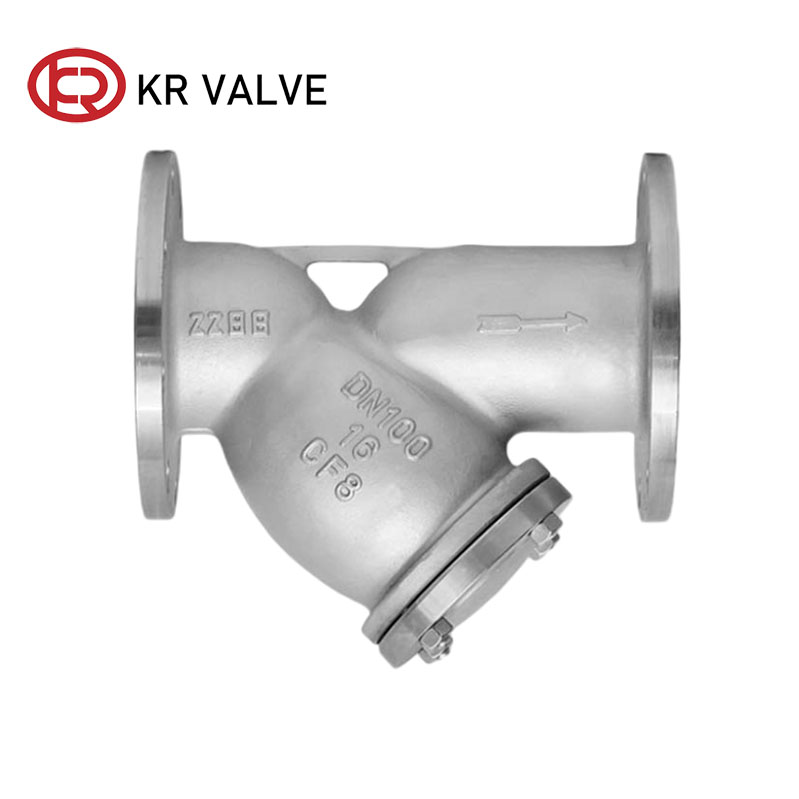
In modern industrial fluid systems, process piping is subject to high velocities, thermal cycles, and particulate debris. A Y-Strainer (Flange Type) serves as a robust mechanical filtration device installed upstream of sensitive components, including pumps, control valves, flowmeters, regulators, and heat exchangers. Named for its cylindrical "Y" shape configuration, this strainer diverts debris into a removable stainless steel mesh basket or screen without restricting the primary flow path. The flange connection ensures leak-proof structural integrity and facilitates rapid line maintenance under high pressure and temperature differentials.
OEM customization is essential for selecting the correct metallurgy, pressure rating, and screen perforation layout. Standard off-the-shelf strainers often fail to meet challenging chemical compatibilities or target pressure drops. At KR Valve, we leverage over two decades of metallurgical and fluid dynamics expertise to design and fabricate bespoke Y Strainer Flange Type systems tailored to specific industrial environments, ensuring optimal reliability, lower lifecycle costs, and high information gain performance statistics.
The performance of a flanged Y-Strainer is heavily dependent on its Open Area Ratio (OAR). The OAR represents the relationship between the total area of all perforations in the mesh screen and the cross-sectional area of the inlet pipe. A high-quality OEM Y-Strainer should feature an OAR of 4:1 or higher. A lower ratio leads to immediate pressure drop spikes, increased pump work, and frequent maintenance intervals. Our strainers are designed with CFD (Computational Fluid Dynamics) to maintain minimum pressure drop and maximum particulate retention capacity.
From conceptual engineering to final pressure testing, discover how KR Valve implements rigorous quality standards.
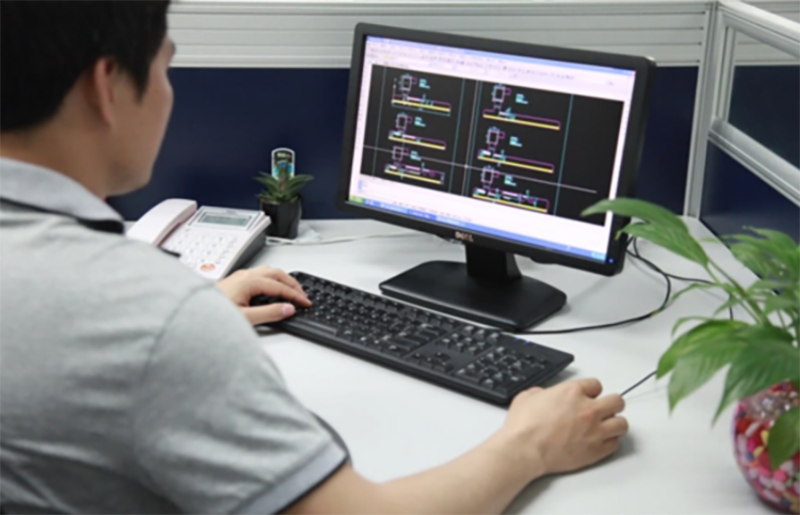
Our dedicated R&D department drives continuous product innovation. Technicians leverage modern lab testing to elevate fluid dynamics performance. We currently manage 20 series and over 500 varieties, tailoring designs to exact client expectations and municipal specifications.
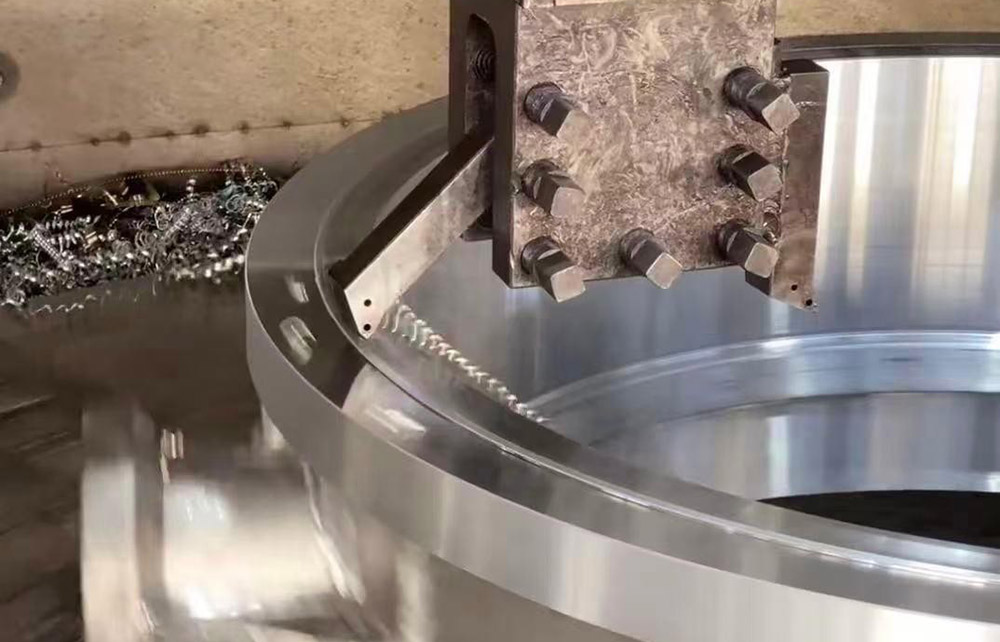
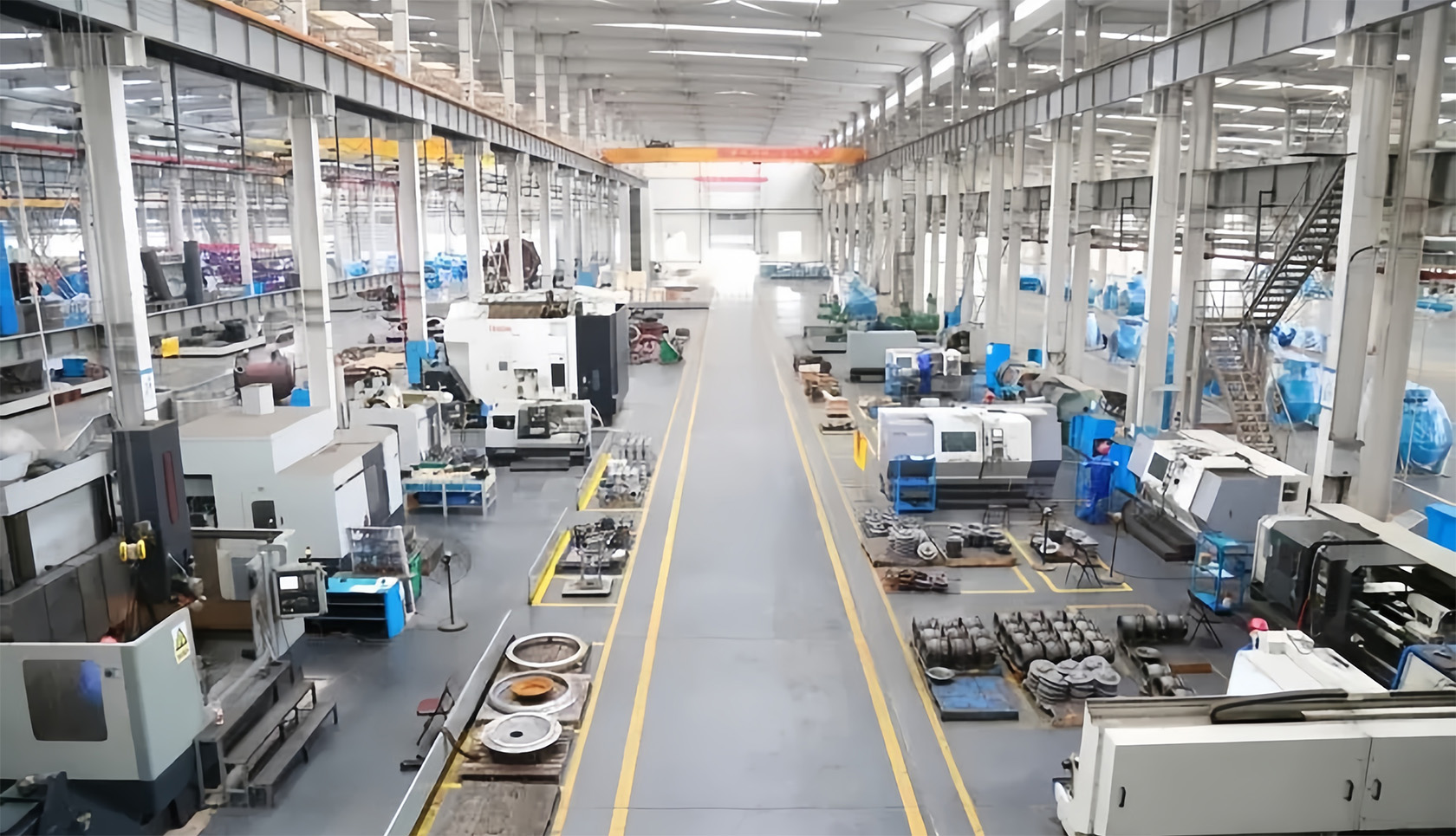
Our manufacturing workflow is strictly aligned with the ISO-9001 Quality Management System. Equipping over 30 advanced production machines and 15 machining and assembly lines, we update our inventory monthly to guarantee timely project delivery.
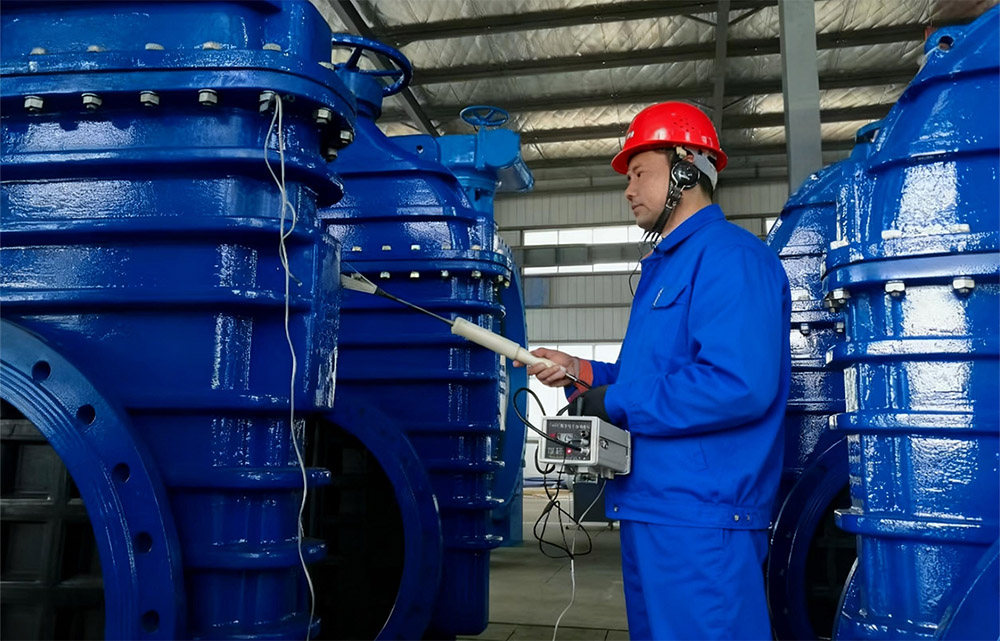
Our inspection team performs 100% pressure, dimensional, and aesthetic checks. Operating under international standards, we enforce a strict zero-leakage threshold. Detailed test reports are issued for every batch, confirming performance compliance.
Engineering metrics and material configurations for flanged Y-Type strainers across high-pressure environments.
| Parameter | Standard Specification | OEM Customization Range |
|---|---|---|
| Nominal Diameter (DN) | DN50 - DN600 (2" - 24") | Up to DN1200 (48") for Municipal Waterworks |
| Pressure Ratings | ANSI Class 150/300, PN16, PN25 | ANSI Class 600, PN40, PN64 high pressure applications |
| Body Metallurgy | Cast Iron (GG25), Ductile Iron (GGG40), WCB (Carbon Steel) | SS304 (CF8), SS316 (CF8M), Super Duplex Stainless Steel |
| Screen Material | Stainless Steel 304, Stainless Steel 316 | Hastelloy, Monel, Duplex Mesh for extreme chemical lines |
| Screen Perforation / Mesh | 1.0mm, 1.5mm, 2.0mm perforations; 40 to 100 mesh | Ultra-fine 200 mesh to coarse 6mm custom perforated plate |
| Flange Connection | ASME B16.5, EN 1092-1, JIS B2220 | Custom flange thickness, customized drilling patterns |
| Gasket Materials | PTFE, Graphite + SS304, EPDM | Viton, High-Temperature Metal Spiral Wound Gaskets |
| Blow-off Configurations | NPT Threaded Plug | Flanged Blow-off valve, automated flushing valves |
How high-quality flanged Y-strainers mitigate risks and optimize operations in major global industrial sectors.
In municipal desalination and water treatment facilities, Y-strainers remove coarse sand, organic debris, and micro-particles to protect expensive reverse osmosis (RO) membranes and centrifugal booster pumps from fouling and abrasive damage.
Handling hydrocarbons requires robust, high-temperature, and corrosion-resistant alloy strainers. Cast steel (WCB) and CF8M flanged strainers ensure that paraffin buildup, rust flakes, and catalytic particles do not enter control loops, minimizing refinery downtime.
Large heating and cooling loops in skyscrapers and district energy plants rely on flanged Y-strainers to keep heat exchanger plates clear of magnetic black oxide sludge and scaling, sustaining system thermal efficiency and reducing energy footprints.
Aligning with local engineering rules and global regulatory environments for cross-border engineering support.
Industrial piping components must comply with a complex grid of local safety, environmental, and engineering codes. Installing non-compliant strainers can lead to regulatory shutdowns, insurance invalidation, and unsafe working environments. KR Valve resolves this by engineering all standard and customized flanged Y-strainers to comply with recognized international standards, including ASME B16.34 for design integrity, API 598 for pressure testing, and EN 1092-1 for European flange compliance.
We work closely with localized distributors, regional engineering firms, and local project managers to provide customized product documentation. This includes material test reports (MTRs to EN 10204 3.1), hydro-test certificates, and certified dimension drawings. Whether you are navigating PED directives in Europe, AWWA standards in North America, or GOST standards in Central Asia, KR Valve provides the technical and regulatory documentation required to streamline on-site inspections and engineering approvals.
Complete traceability of casting heats. Every CF8, CF8M, and carbon steel batch is chemical-composition verified to prevent intergranular corrosion issues in corrosive lines.
Fully compliant with API 598 standards. Shell and seat pressure tests are executed on all production runs to guarantee zero-leakage performance under extreme thermal states.
Machined to interface with ASME B16.5 Class 150/300, EN 1092-1, and JIS B2220 flanges, eliminating installation issues and localized compatibility mismatches.
Proven performance in massive infrastructure, petrochemical, and municipal waterworks around the world.
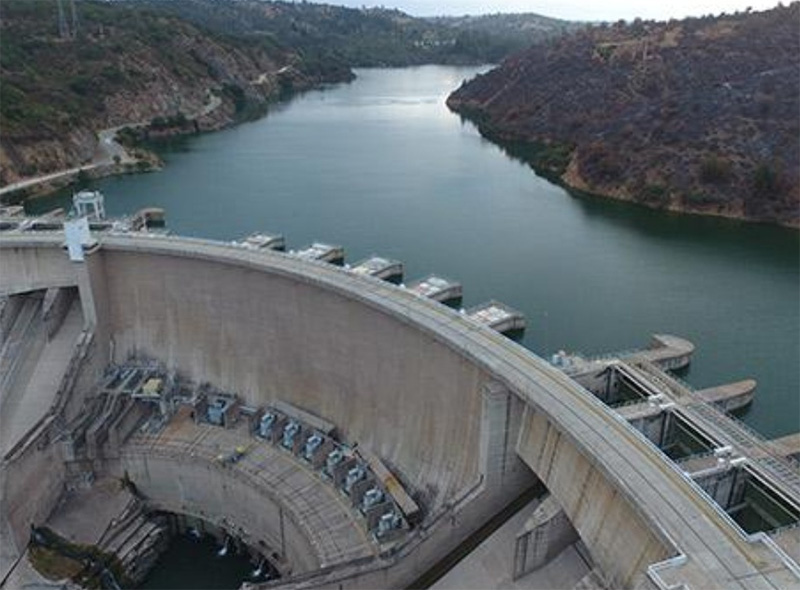
KR supplied tailored high-flow water control systems for major reservoir and hydro-generation dams in Chile, ensuring consistent flow control and mechanical protection.
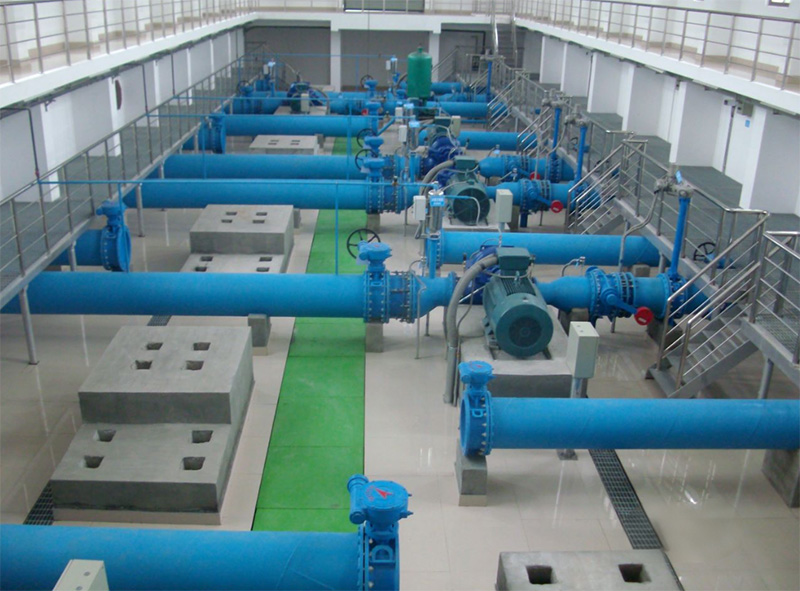
Supplied high-capacity butterfly and check valves for metropolitan water distribution networks across Italy, improving energy efficiency and system safety.
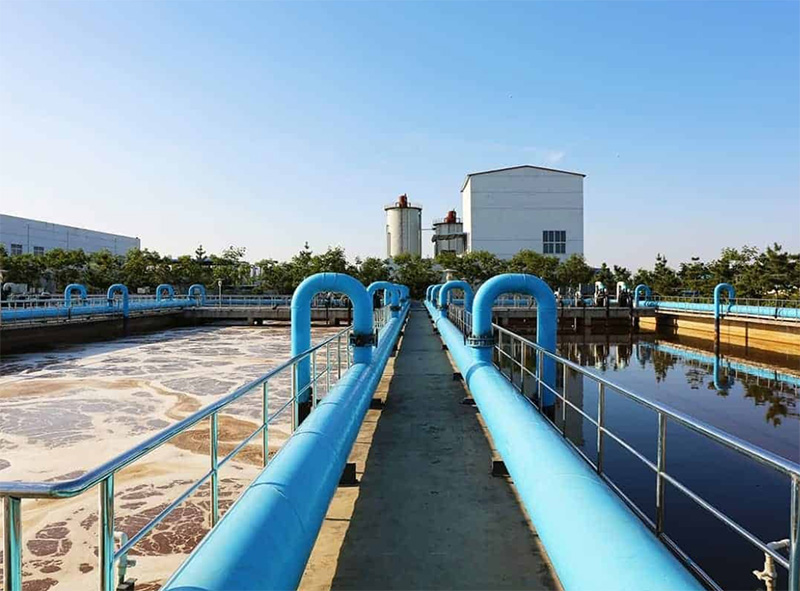
Delivered resilient-seated gate and butterfly valves designed to handle abrasive slurry and sludge solids in municipal treatment plants in Jakarta.
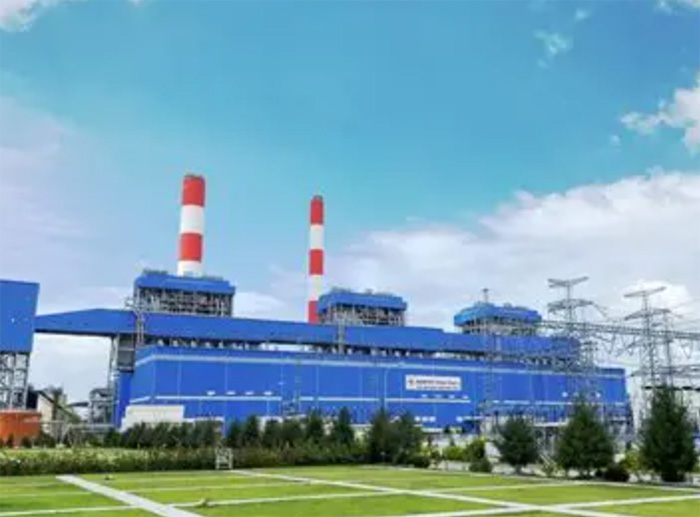
Engineered stainless steel (CF8M) and PTFE-lined butterfly valves for aggressive acid loops in chemical processing operations in Vietnam.
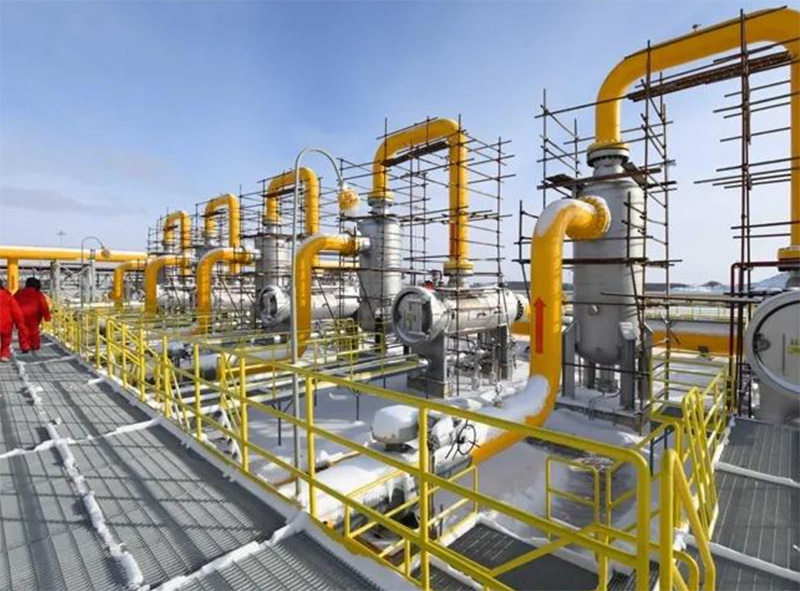
Delivered WCB carbon steel ball valves certified to perform in extreme sub-zero environments for regional natural gas pipelines in Russia.
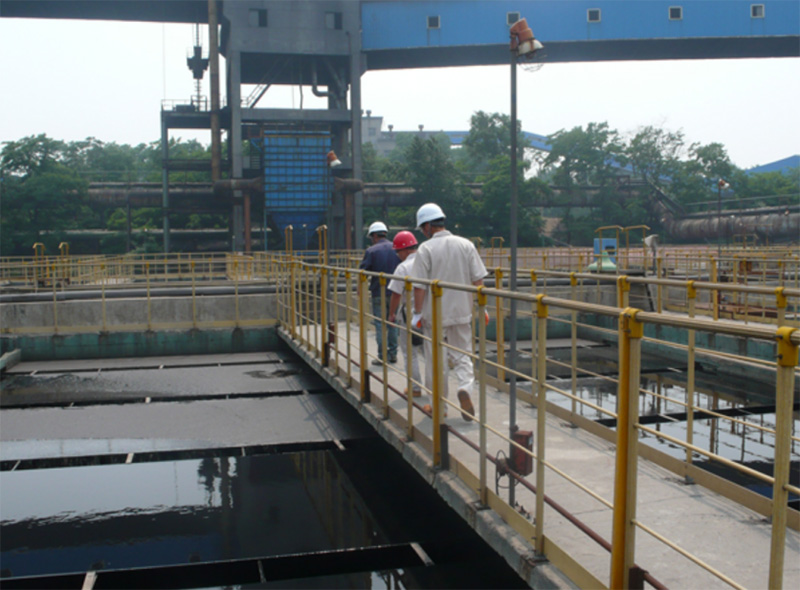
Provided complete flow regulation setups, check valves, and air release valves for wastewater infrastructure projects in Brazil.
Watch our casting, machining, assembly, and hydro-testing processes inside our modern manufacturing facilities.
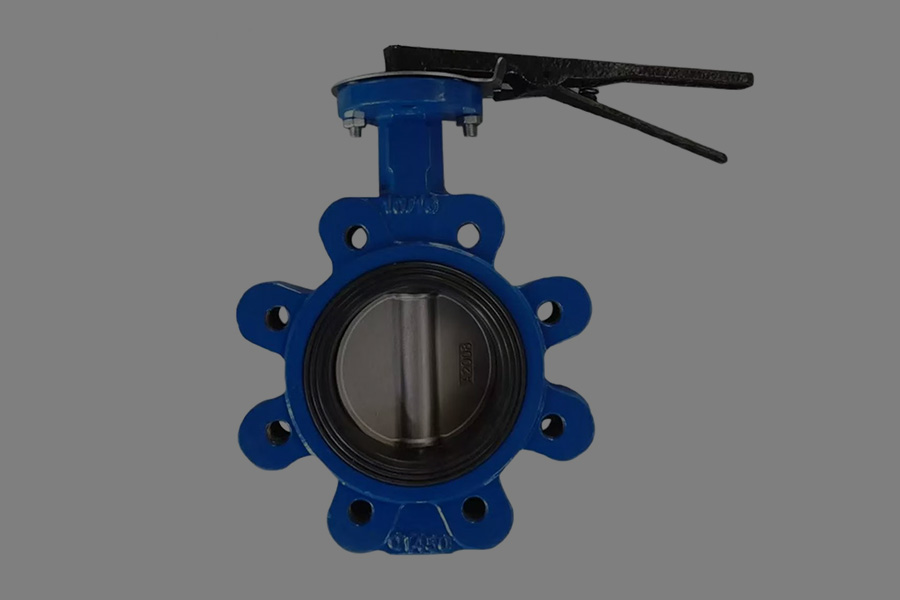
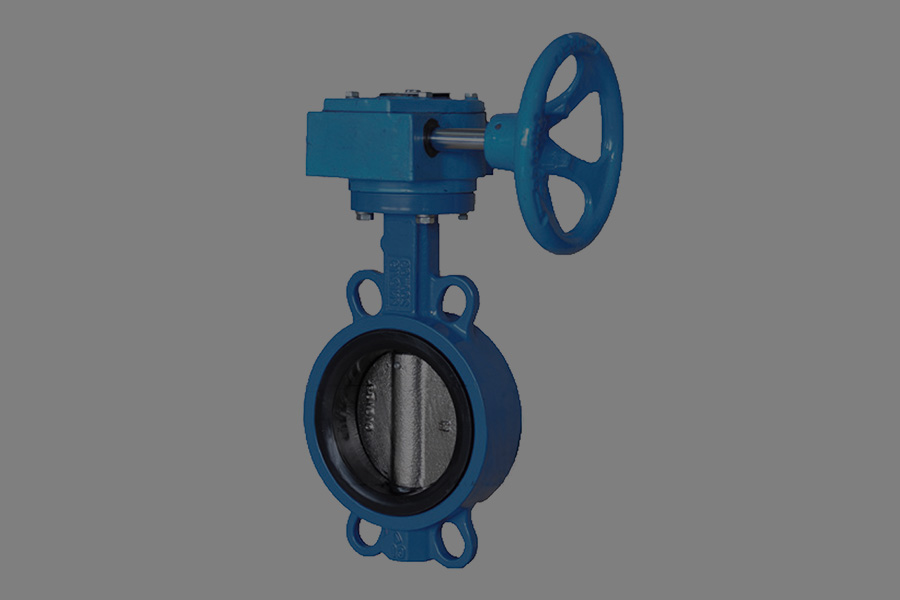
How digital integration and advanced materials are shaping the future of industrial filtration.
The transition toward Industry 4.0 is transforming traditional mechanical pipeline components. Standard Y-strainers are shifting from simple passive components to active points of analytical data. The future technical roadmap for OEM Y Strainer Flange Type systems centers on two main areas: smart diagnostics and advanced materials.
1. Smart Differential Pressure Integration: The primary point of failure for strainers is late cleaning. Over-clogged mesh screens cause pressure spikes and pipeline damage. KR Valve is currently prototyping flanged Y-strainers fitted with integrated digital differential pressure (DP) transmitters. These sensors continuously monitor the pressure drop across the screen and transmit real-time data to control rooms (SCADA) via HART or Modbus protocols, notifying maintenance staff before critical thresholds are reached.
2. Advanced Erosion-Resistant Coating Technologies: In severe applications like geothermal power generation and chemical slurries, sand erosion ruins body castings. We are testing advanced inner-body treatments, including tungsten carbide thermal spray and laser-cladded stellite surfaces. These coating processes extend the operational lifetime of casting bodies by up to 300% under high-velocity particle flows, reducing long-term OPEX for plant operators.
Technical answers to help engineering and purchasing teams make informed pipeline filtration decisions.
Generally, a clean Y-strainer operates with a pressure drop of less than 0.1 to 0.2 bar (1.5 to 3 psi). The screen should be cleared or blown down once the differential pressure reaches 0.5 to 0.8 bar (7.5 to 12 psi). Exceeding 1.0 bar can cause structural deformation of the internal stainless steel screen, which can let bypass particles damage downstream pumps and control valves.
Yes, but only in downward vertical lines. This allows gravity to direct filtered particles into the screen pocket. In horizontal pipelines, Y-strainers should be installed with the screen branch pointing downward. For steam systems, the branch should extend horizontally to prevent condensed water from accumulating, which can cause thermal shock and water hammer issues.
The correct mesh size depends on the size of the smallest particle that must be removed to protect downstream equipment. For example, to protect gate and globe valves, coarse strainers (20 to 40 mesh) are sufficient. For sophisticated control valves, spray nozzles, or flow meters, finer screens (80 to 200 mesh) are recommended. We calculate screen dimensions using fluid density and flow velocity to prevent excessive pressure drops.
We supply standard strainers with threaded plug blow-off ports. OEM customization options include flanged blow-down outlets, manual ball valves for quick flushing, or automated timed blow-off systems for self-cleaning functionality in high-debris lines.
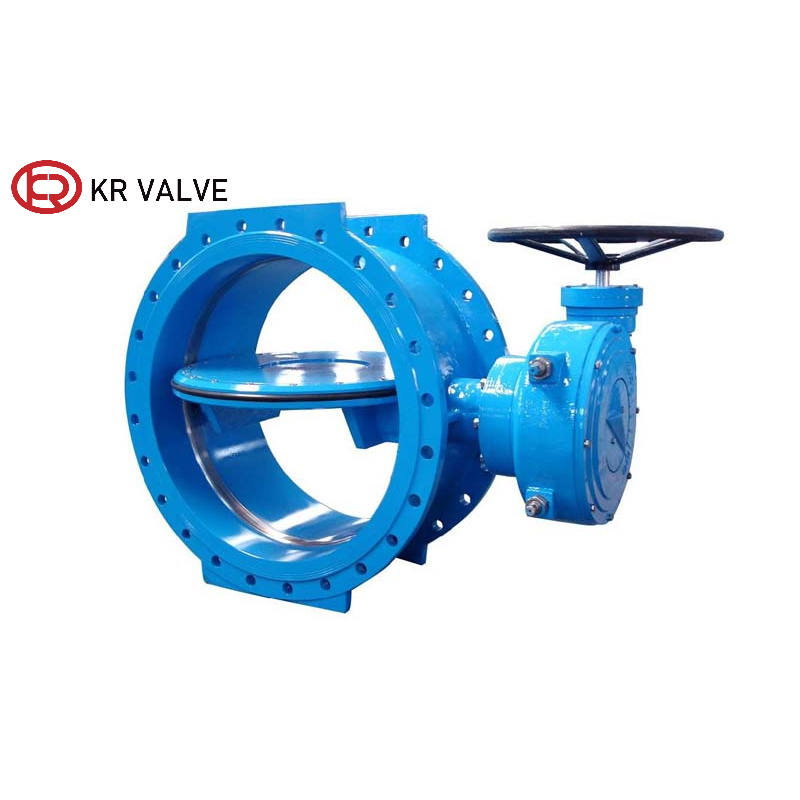
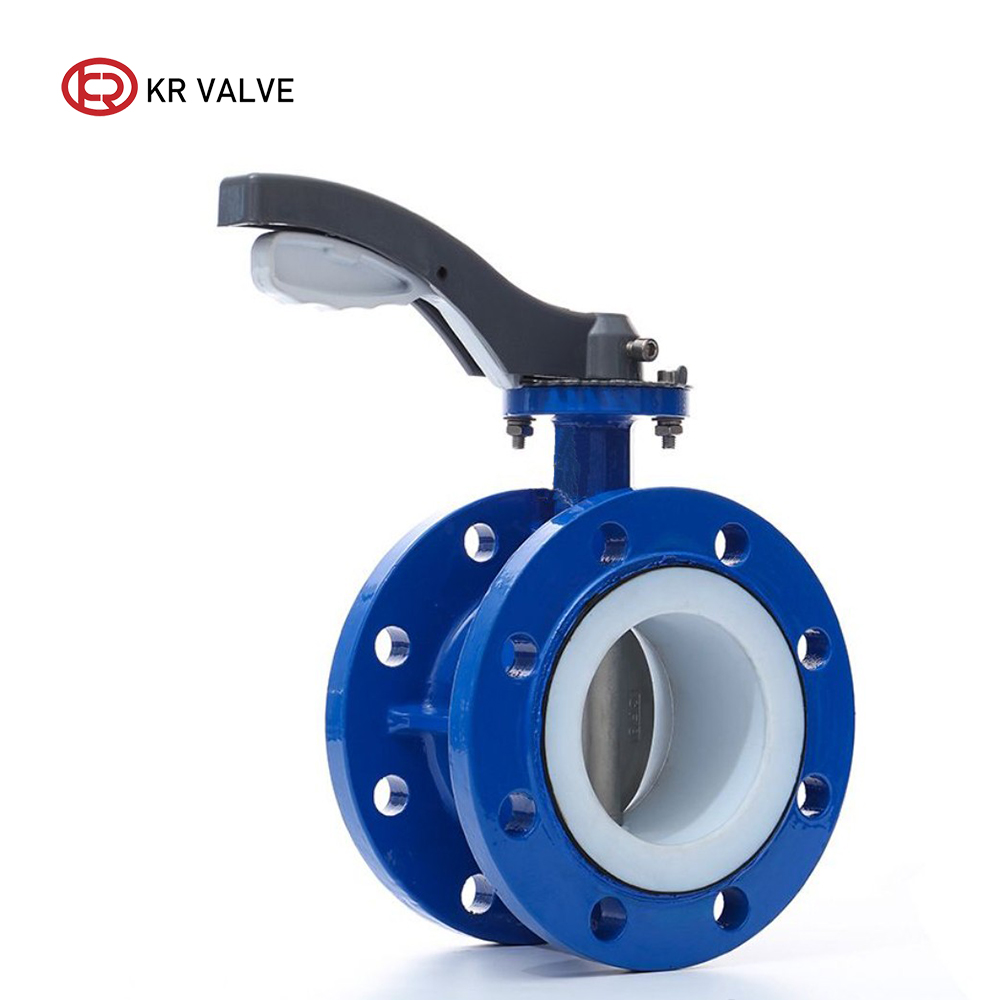
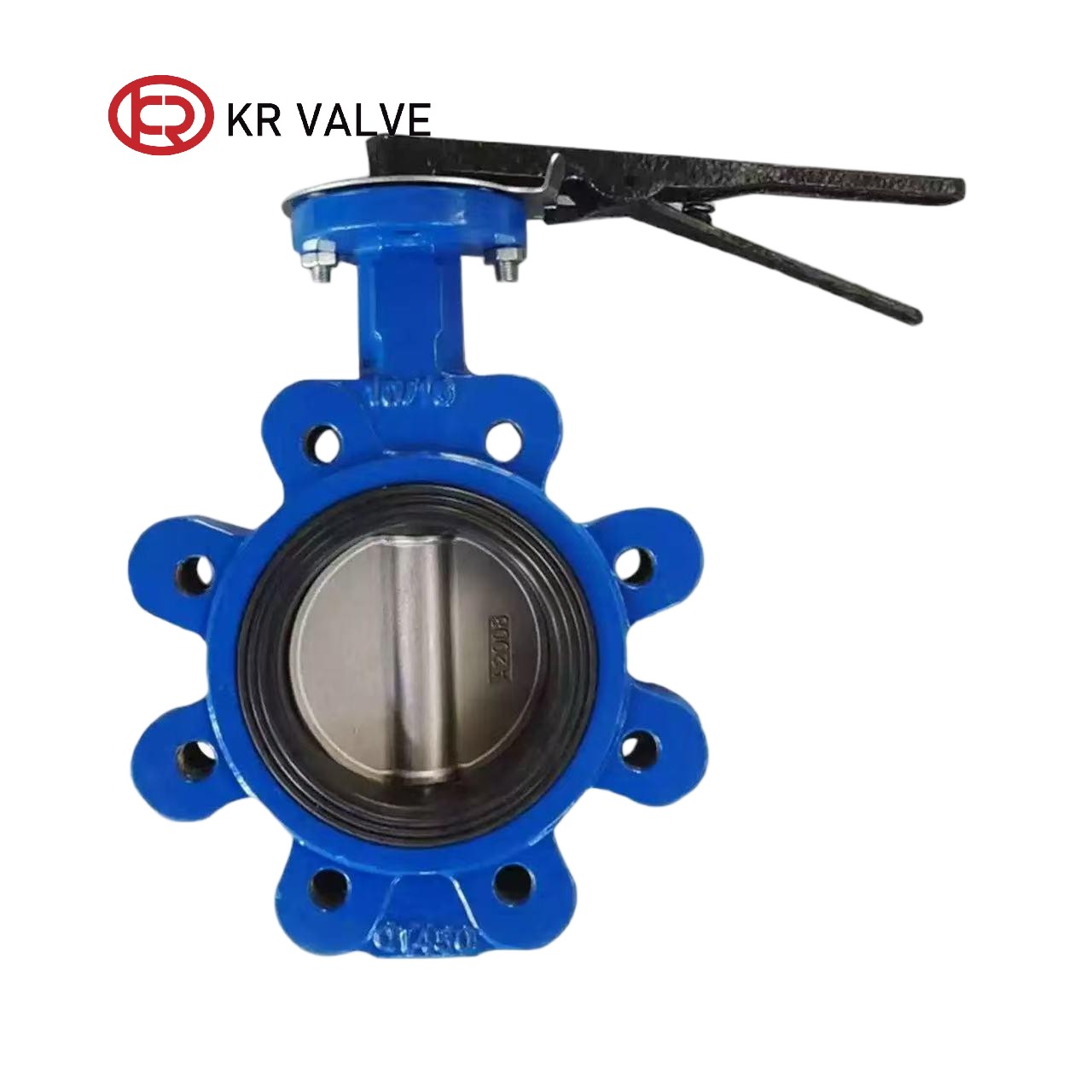
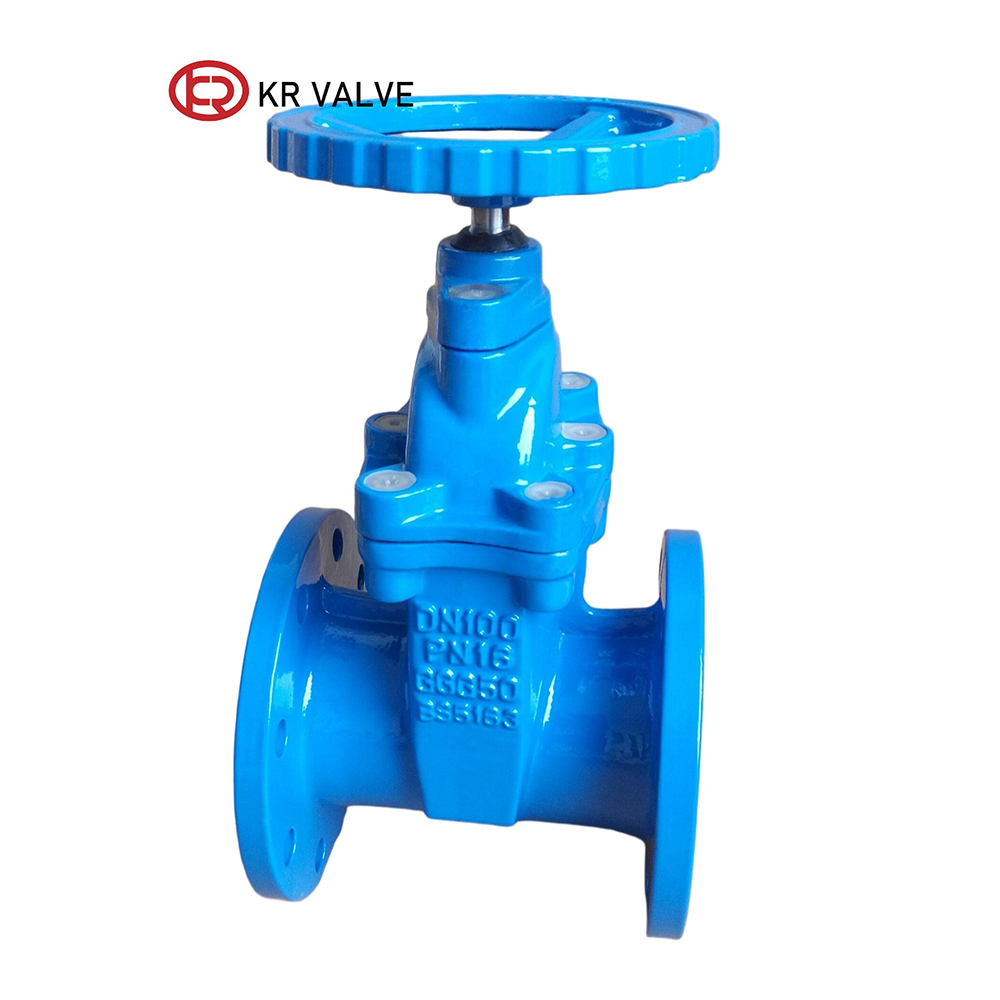
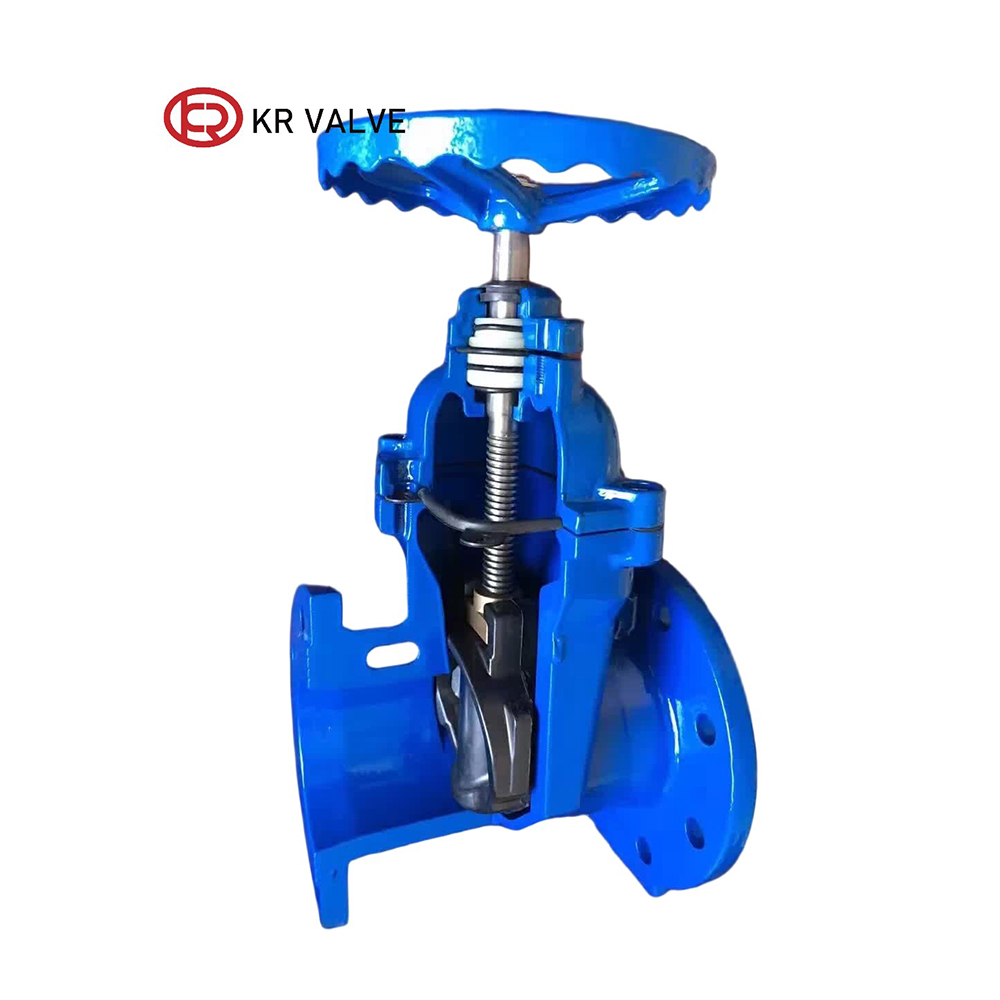
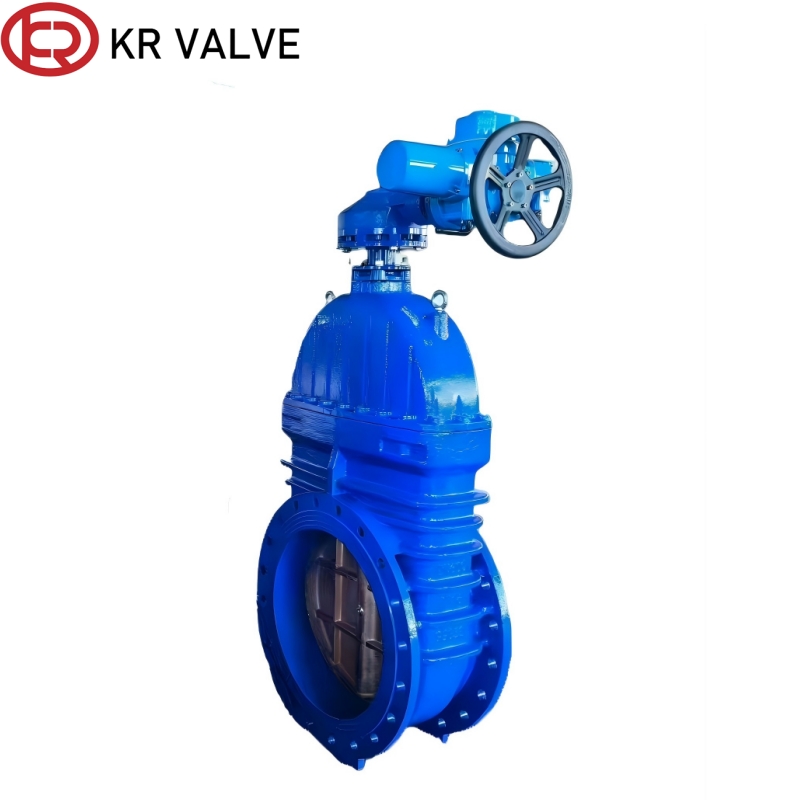
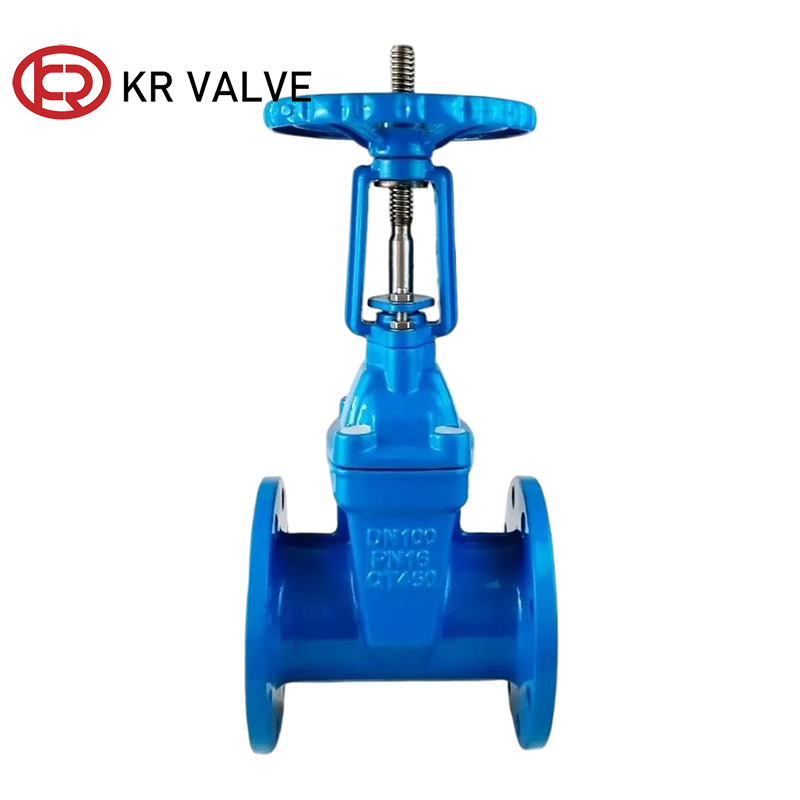
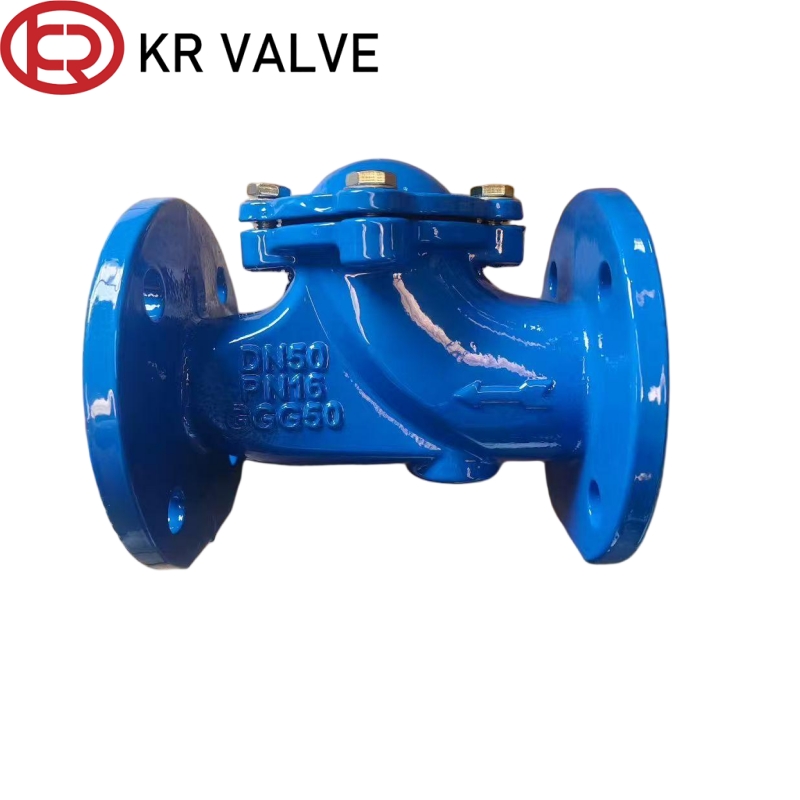
Explore our production capabilities across major valve types. Click to view our high-grade products from the manufacturer.
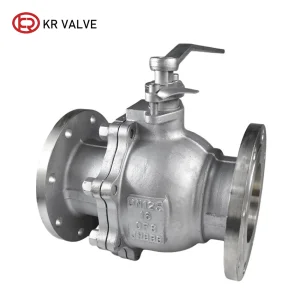
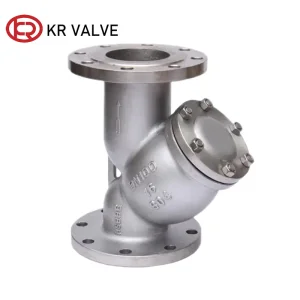
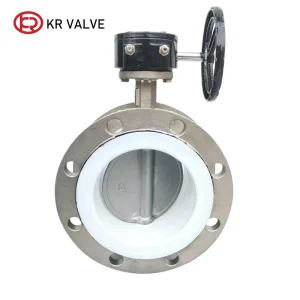
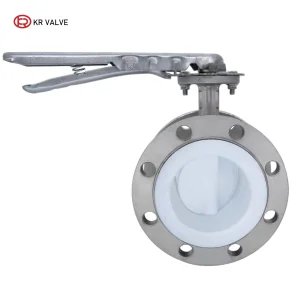
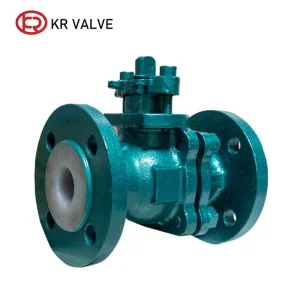
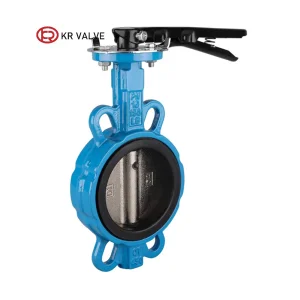
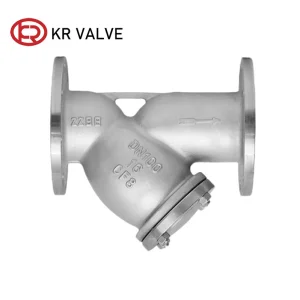
Over 20 years of experience producing standard and custom industrial valves and accessories.
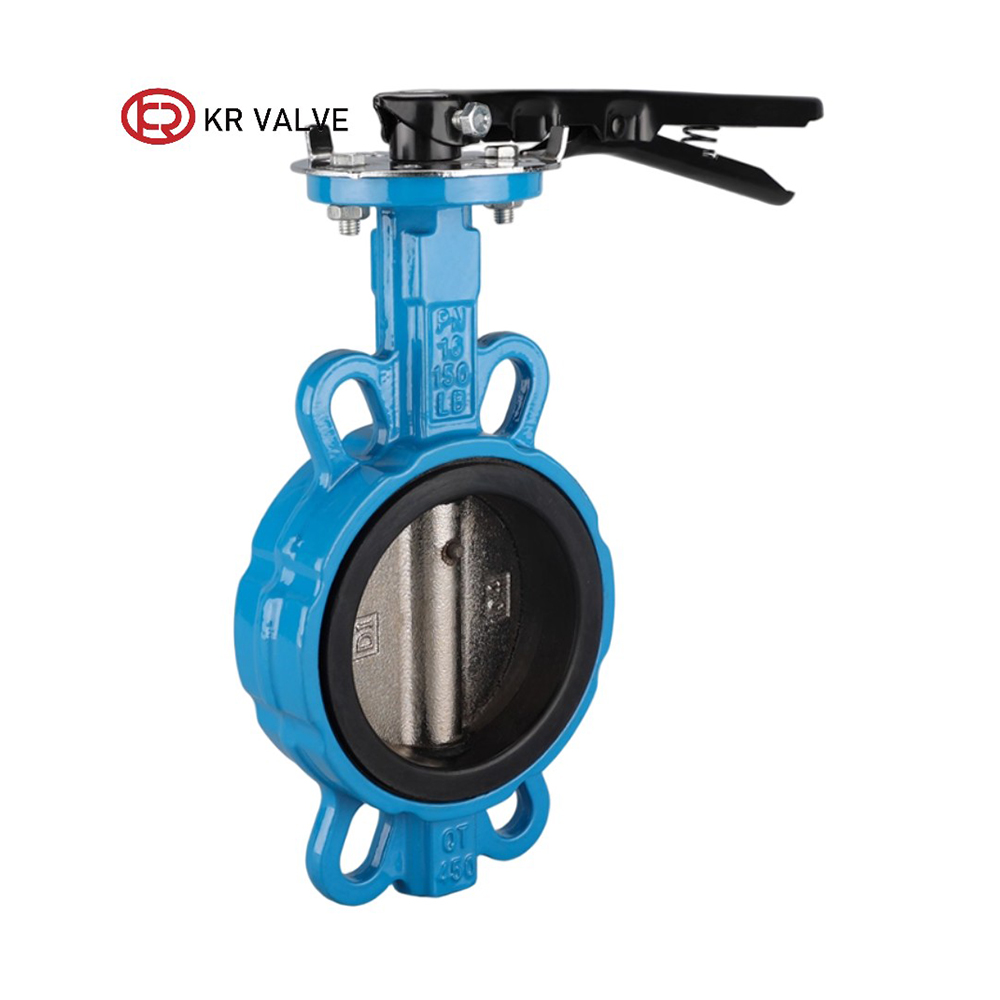
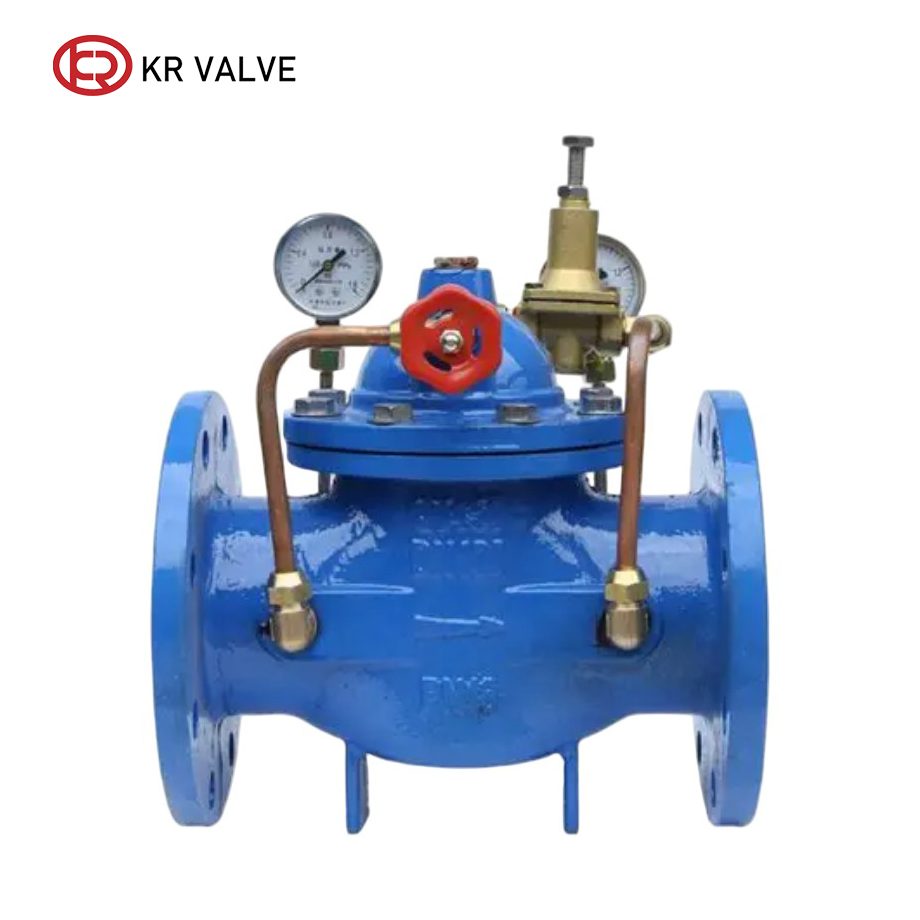
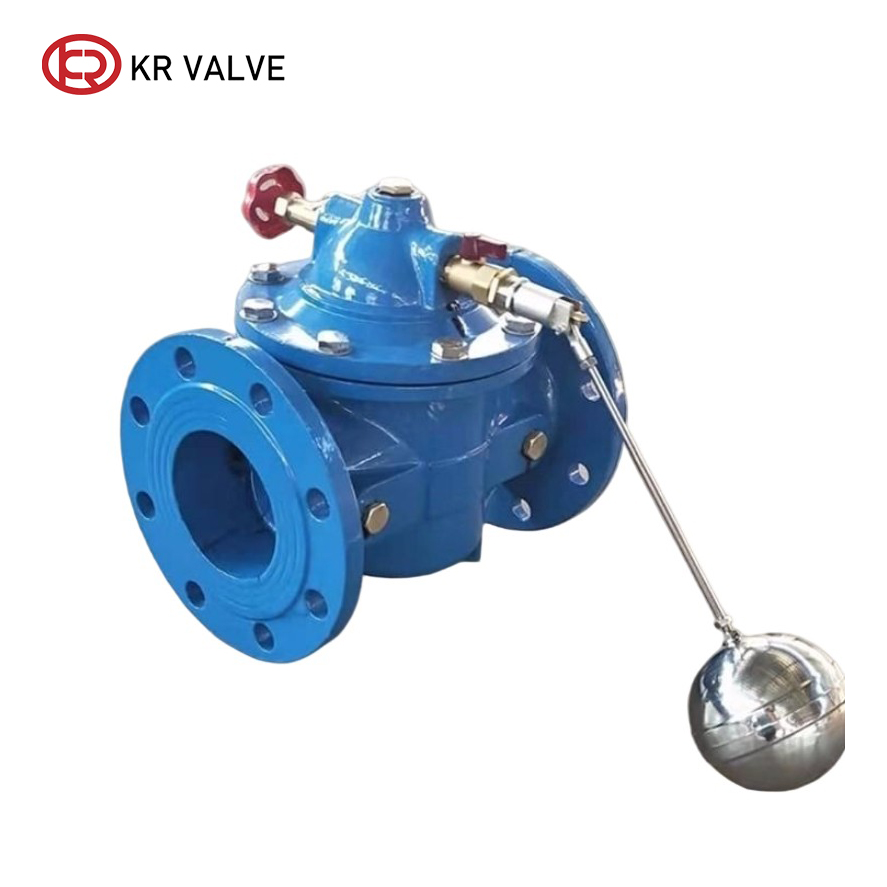
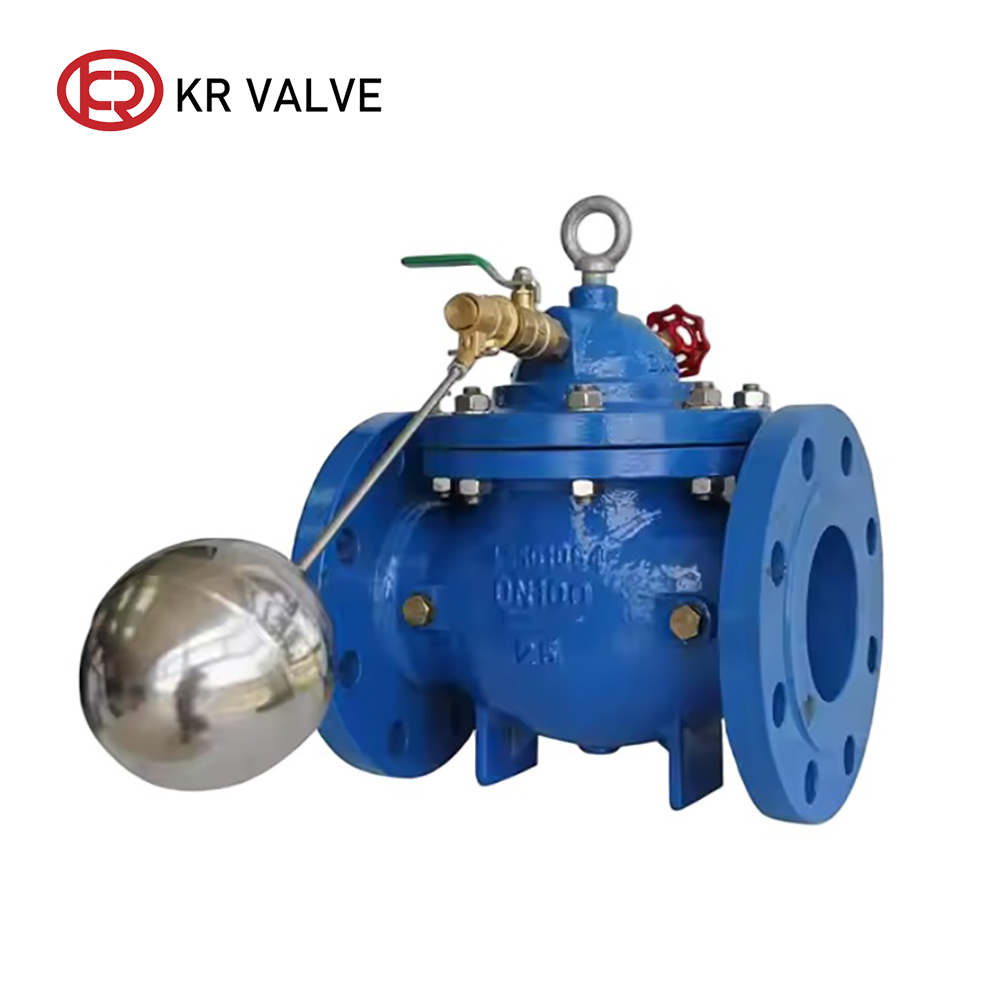
Contact KR Valve today for detailed specs, technical consultations, or a competitive quote on our OEM valve and flanged strainer series.

An enterprise specializing in the design and manufacture of high-performance valves.
 KR VAVLE