Explore our top-tier engineering solutions constructed to withstand high wear, elevated temperatures, and extreme pressure ratings across worldwide industrial installations.
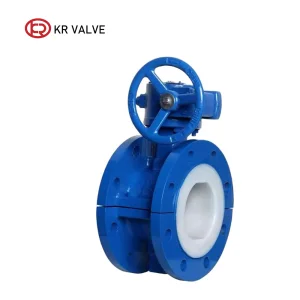
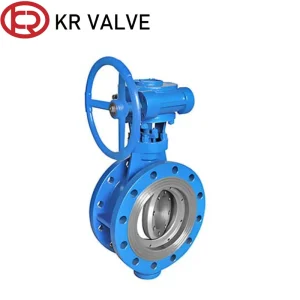
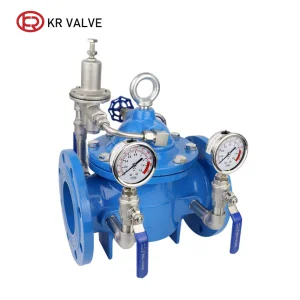
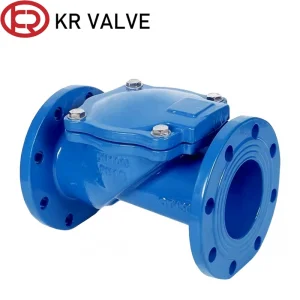
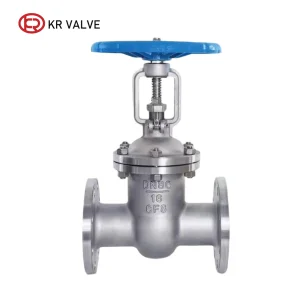
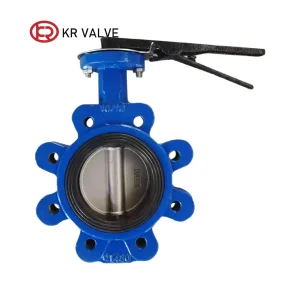
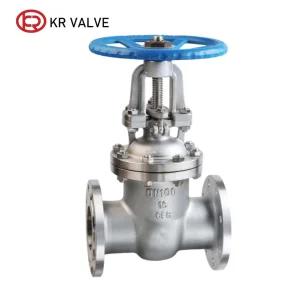
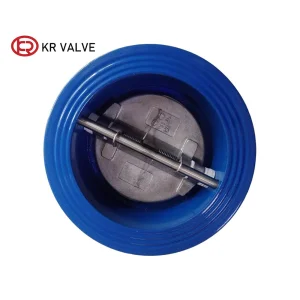
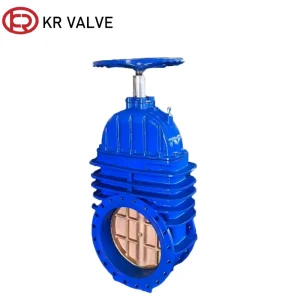
In modern industrial fluid systems, selecting the appropriate sealing mechanism is a critical decision that influences operational longevity, maintenance schedules, and safety. Among the numerous configurations available in heavy-duty pipeline infrastructure, the bronze seat gate valve represents one of the most reliable and enduring choices. Recognized for its excellent resistance to friction, wear, and local galvanic corrosion, the bronze-to-bronze or bronze-to-iron sealing interface is a primary specification choice for engineers managing waterworks, marine environments, and mid-range thermal applications.
"Choosing the correct seating interface prevents premature mechanical failure. A bronze seat provides self-lubricating characteristics and exceptional galling resistance, which are crucial for valves that remain open or closed for extended periods."
The primary advantage of a bronze-seated gate valve lies in the material properties of the alloy itself. Typically utilizing leaded tin bronze (ASTM B62 / UNS C83600) or aluminum bronze grades, these seat rings are either pressed or threaded securely into the cast iron or ductile iron gate valve body. The alloy composition offers several core performance features:
The localized operating environments of bronze seat gate valves dictate their physical layout and specific sub-material standards. Here is how they function in key industrial sectors:
In seawater piping systems, coastal infrastructure, and shipboard utility lines, carbon steel structures succumb rapidly to localized pitting and general rust. Bronze seat rings provide a highly stable cathodic configuration against cast iron or ductile iron bodies, reducing galvanic degradation. Our marine-grade gate valves offer reliable performance in bilge, ballast, and seawater fire protection setups.
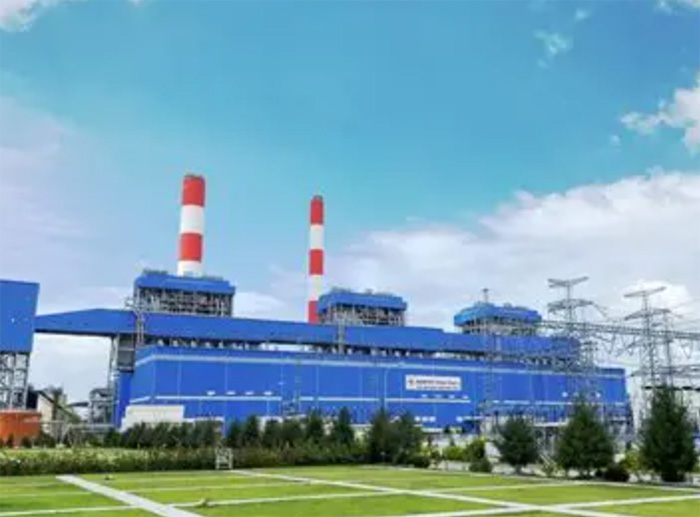
While resilient EPDM or NBR seats fail rapidly above 120°C, metal-seated bronze gate valves are perfectly suited for low-to-medium pressure steam networks and superheated district heating loops. The thermal expansion coefficients of tin bronze closely match those of cast iron, eliminating seating distortion during rapid thermal cycling.
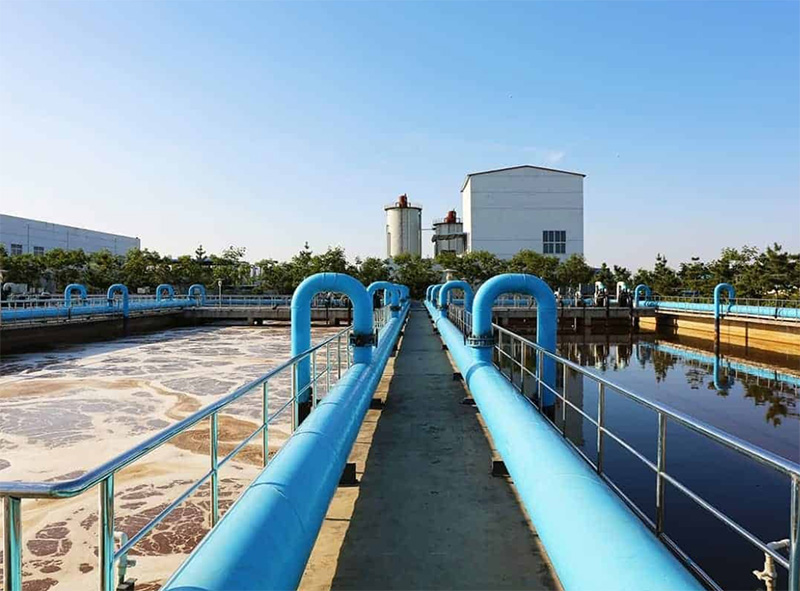
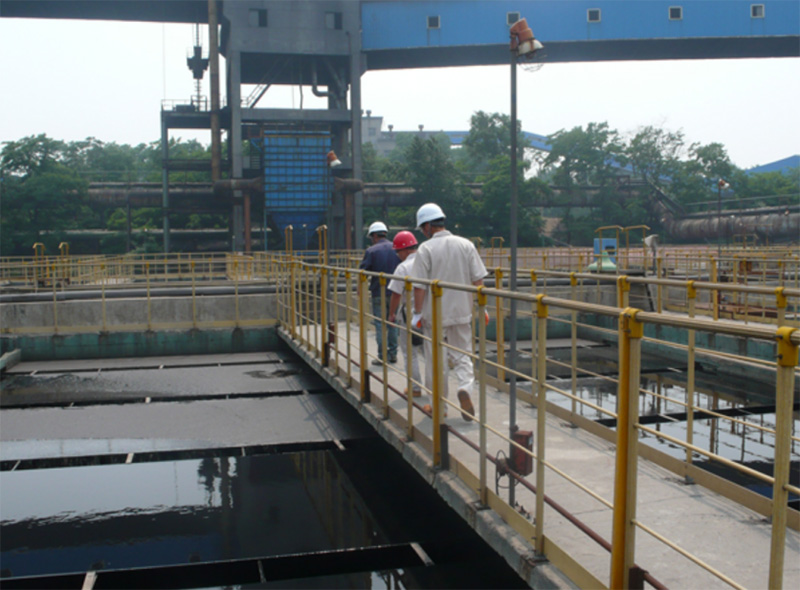
In municipal clean water transmission systems, long-term dependability is crucial. Bronze seats are unsusceptible to chlorine degradation, bio-fouling, and mechanical deformation. For wastewater plants processing sludge or grit-laden fluids, the hard metal interface of the bronze seat cuts through suspended solids, ensuring complete shut-off where soft seals might puncture or tear.
To meet the demands of Industry 4.0 and global green initiatives, KR Valve continues to advance its technological roadmap for bronze seat gate valve production:
Operating a globally diverse industrial supply line requires adherence to stringent regional and global performance codes. KR Valve designs, casts, and tests all bronze-seated gate valves to meet international regulations, ensuring swift customs clearance and local design approval:
Integrating 20+ years of engineering experience with rigorous quality checks to deliver zero-defect valves.
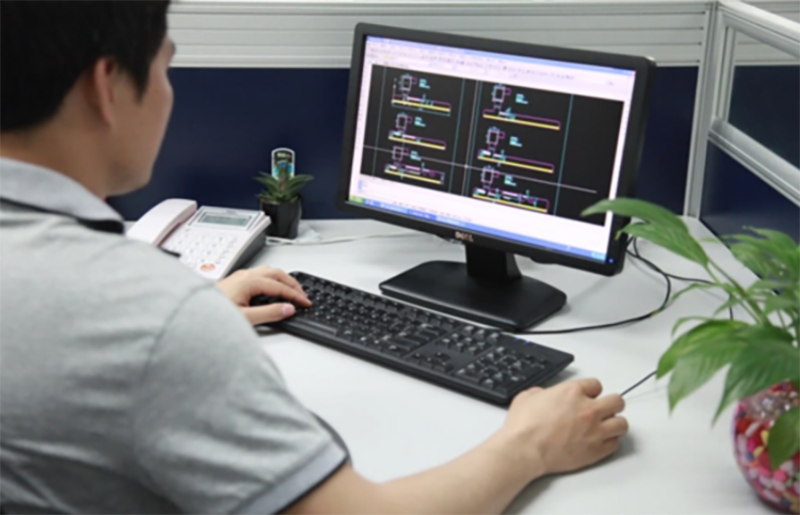
Our R&D department drives continuous design optimization. Technicians create products to meet market specifications, utilizing our lab's testing capabilities to enhance product performance. Currently, we offer 20 distinct series and over 500 valve designs.
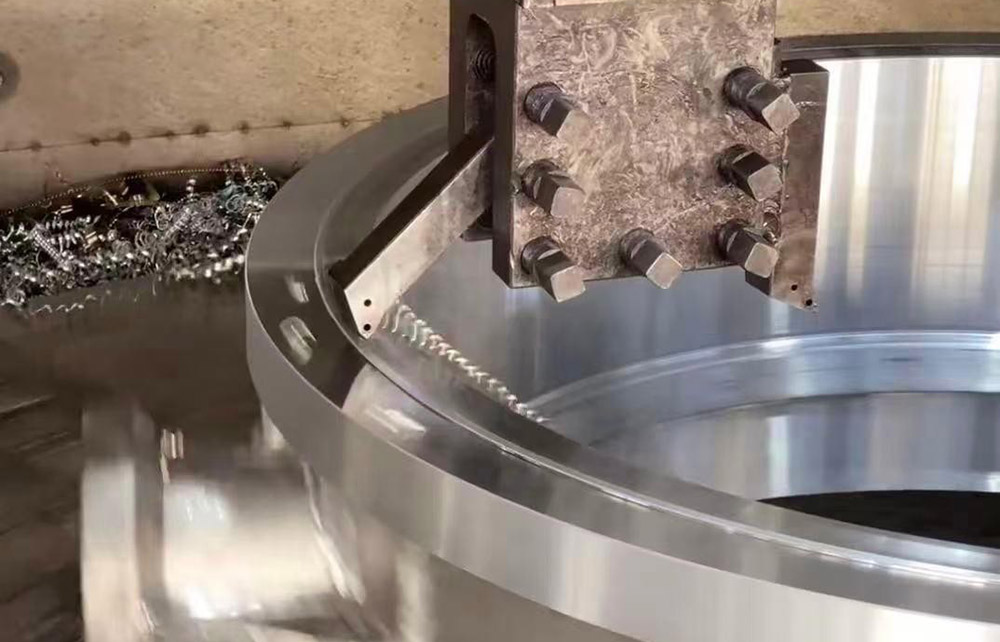
The production department plans and monitors manufacturing to meet delivery schedules. All components are processed in an ISO 9001-certified environment. We operate over 30 advanced production systems and manage inventory on a monthly cycle.
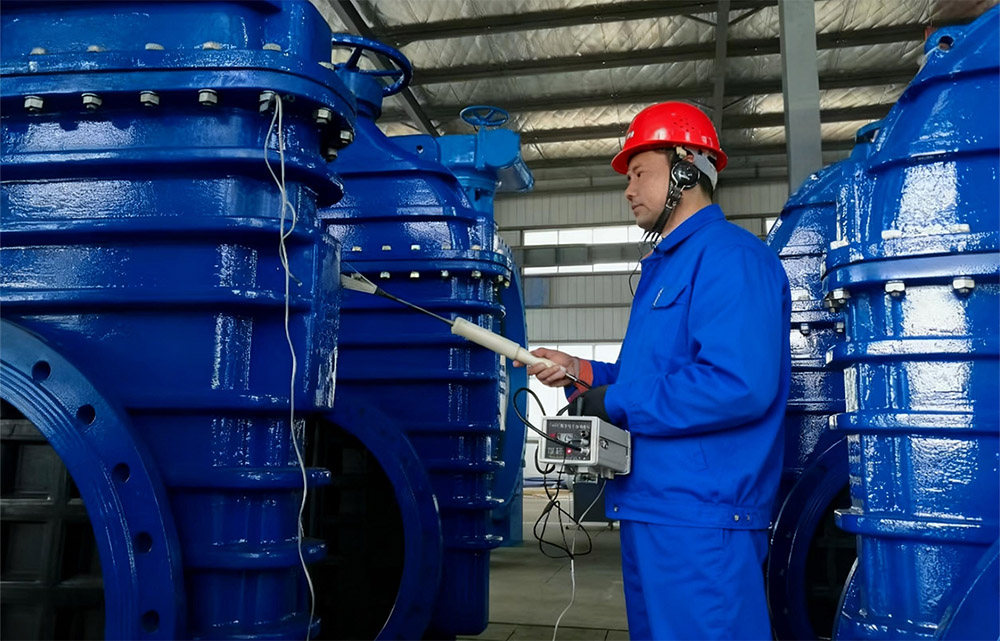
Our quality department runs a 100% inspection program with a zero-leakage target. Guided by international testing codes, we verify dimension, appearance, and pressure integrity, supplying full material test reports (MTRs) with each shipment.
Maintaining production uptime requires raw material control, foundry automation, and deep logistics integration.
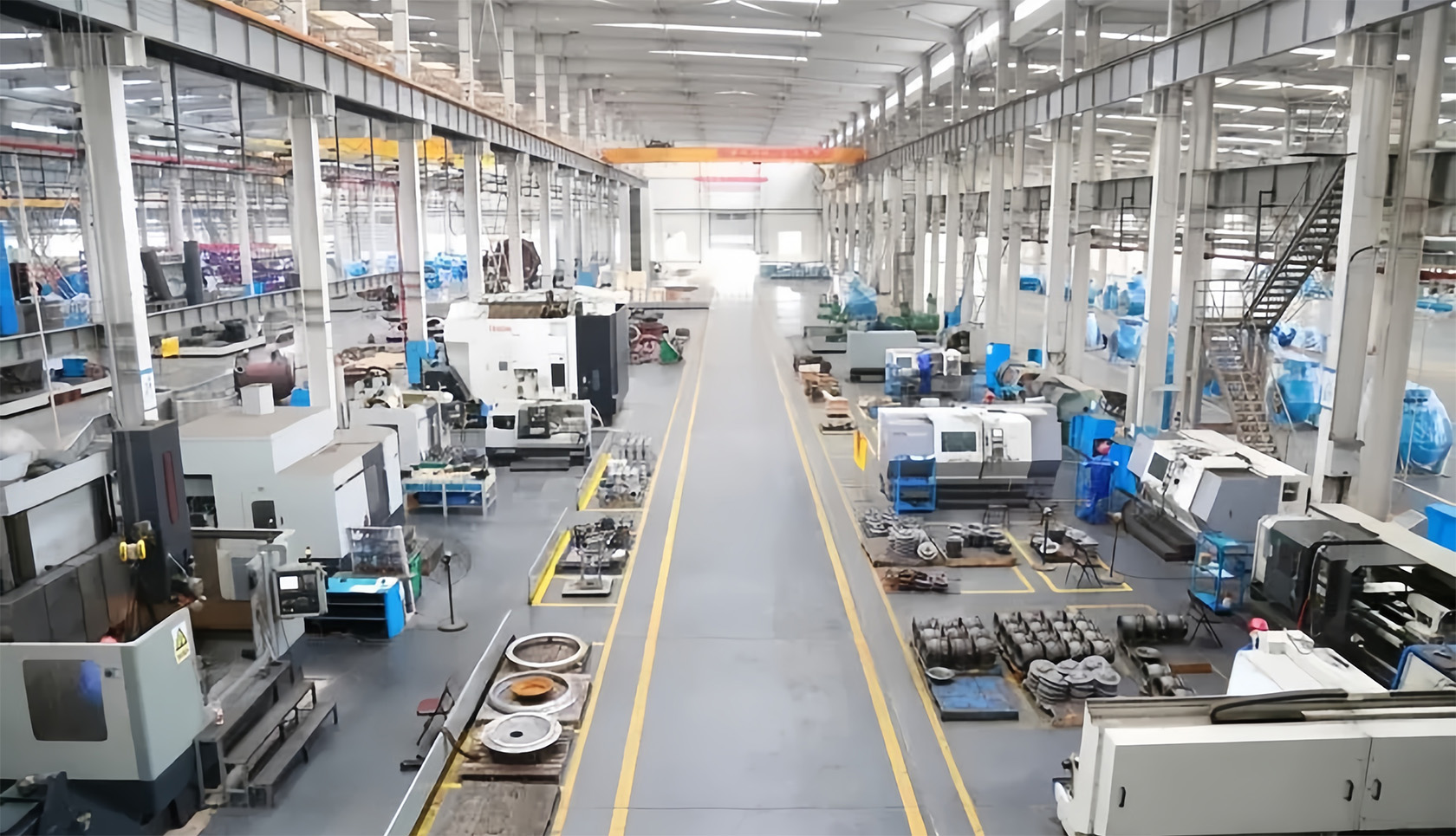
The industrial landscape for valve procurement has changed dramatically. Global sourcing agents no longer focus solely on base product costs; they prioritize supply chain resilience, engineering capabilities, and material tracebility. China's industrial valve clusters, particularly in Wenzhou, Tianjin, and Hebei, lead this sector by combining raw material access, casting capacity, and advanced manufacturing tech.
For bronze seat gate valves, ensuring correct material composition is essential. A common industry issue is finding porosity or inclusions in bronze rings or gray iron bodies, which leads to failure during pressure testing or service. Chinese manufacturers prevent this through integrated foundry operations. Digital spectrographic analyzers verify the melt chemistry before pouring, maintaining trace element levels within strict ASTM guidelines.
Standard bronze seat rings require close machining tolerances to form a leak-free seal. Hand-lapped finishes have been replaced by multi-axis CNC machines that shape the seating surfaces down to single-micron tolerances. Consistent production reduces seat torque variations, ensures parts are interchangeable, and provides reliable sealing in automated assemblies.
Proximity to sea ports like Tianjin, Ningbo, and Shanghai allows Chinese factories to offer streamlined delivery schedules. Our logistics teams manage shipping documentation, packing lists, and export clearances to minimize transit delays for overseas projects.
Our operating model covers all stages of design, manufacturing, quality control, and international logistics support.
We supply products under our registered "KR" brand and provide OEM services, maintaining long-term partnerships with leading global brands.
We operate 15 precision machining stations alongside dedicated assembly lines, staffed by experienced production technicians.
Our line includes 20 series and over 500 product models, providing standard options and custom designs for complex applications.
We monitor every step of the production process, from core alloy casting to final machining, ensuring quality at assembly.
By managing our core production in-house, we control manufacturing overheads and maintain competitive market pricing.
We provide full pre-sales consultations, technical valve sizing support, and responsive after-sales service.
Take a look inside our testing labs and assembly facilities to see our quality controls in action.
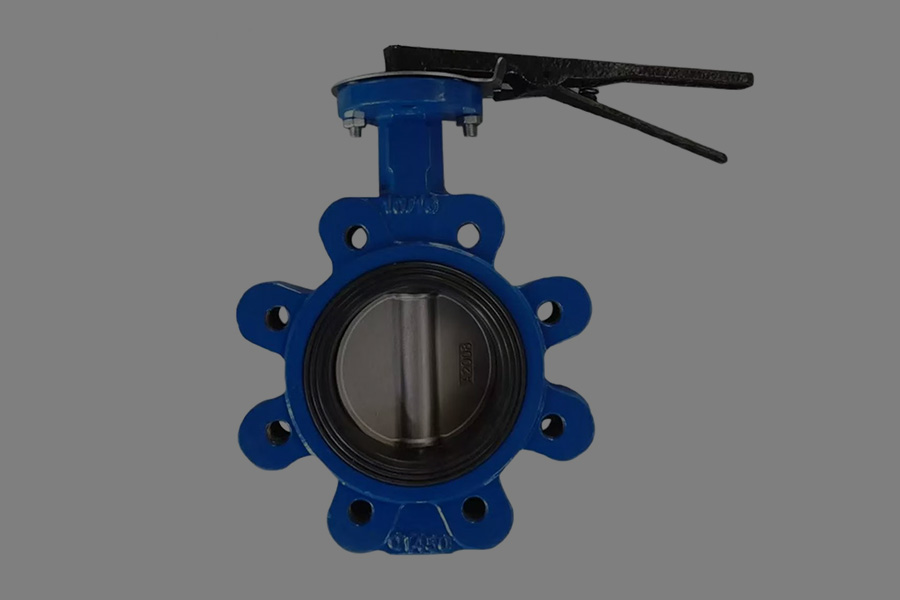
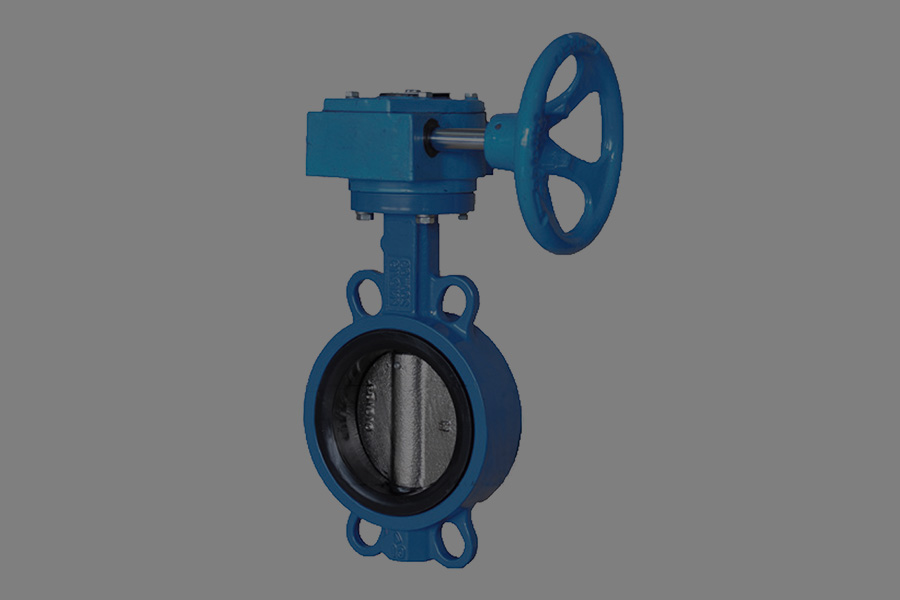
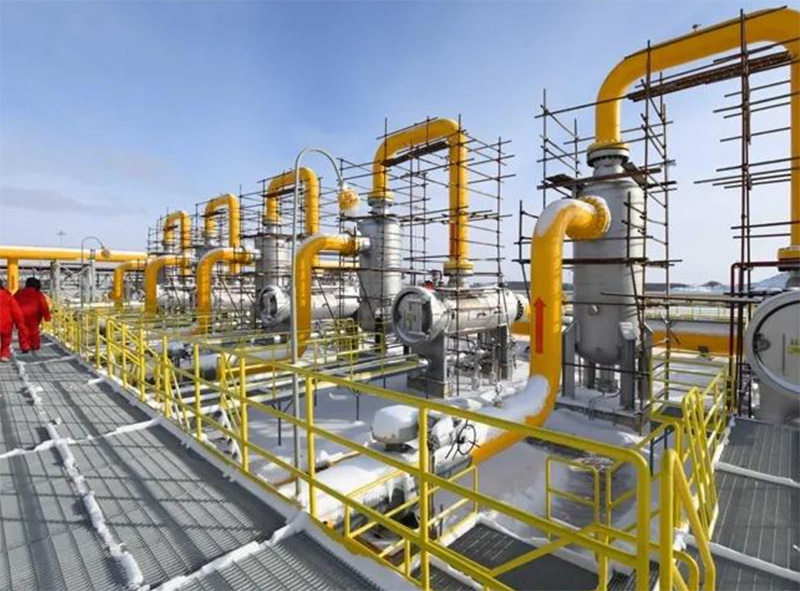
Our valve designs are used globally in water management, municipal pipelines, food processing, and chemical plants.
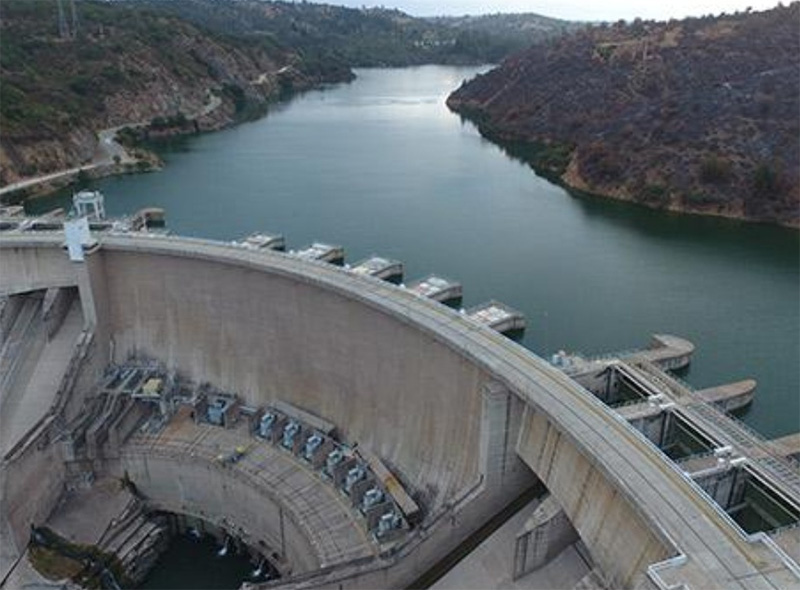
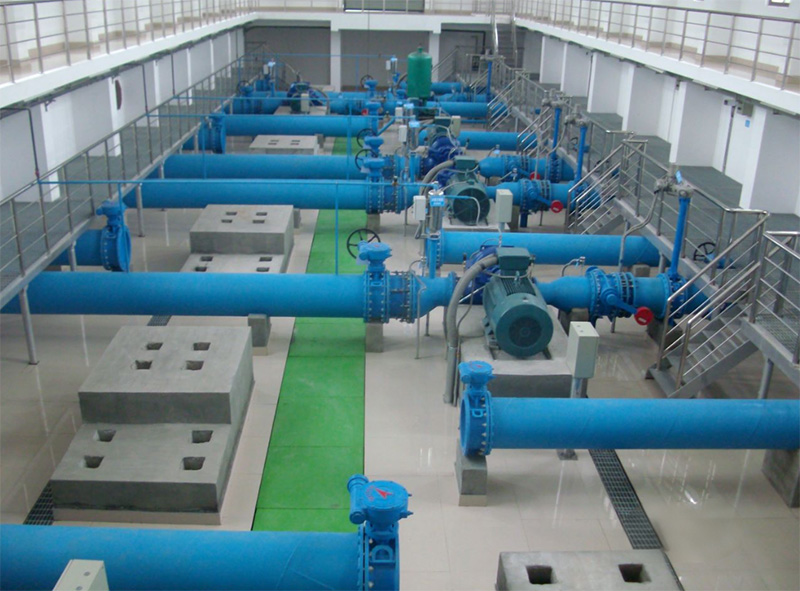
Detailed technical answers to common questions about selecting, applying, and maintaining bronze-seated gate valves.
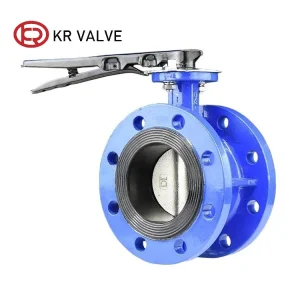
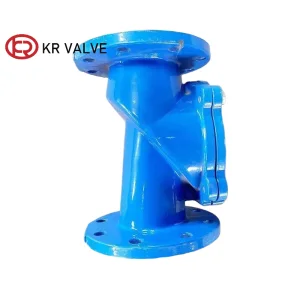
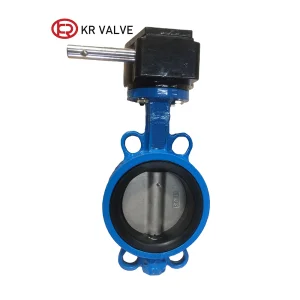
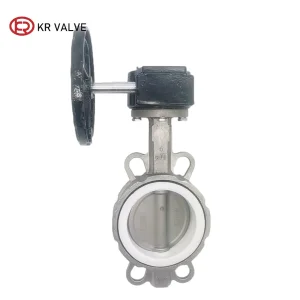
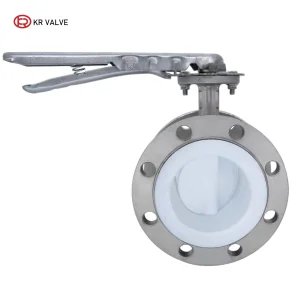
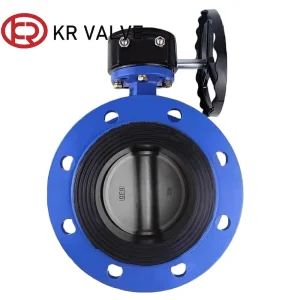
Browse our full range of butterfly, check, gate, and water control valves designed for commercial and industrial projects.
 KR VAVLE