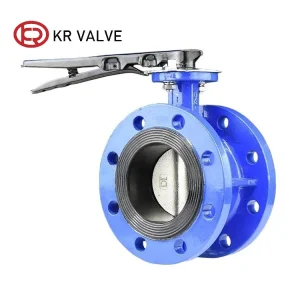
High-performance flow-control components engineered for zero leakage, extreme pressures, and harsh industrial environments.
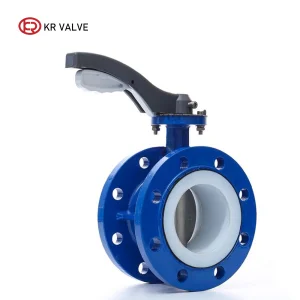
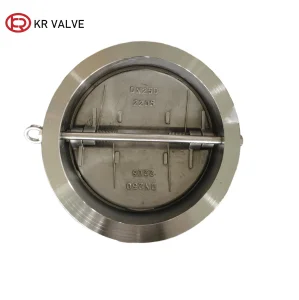
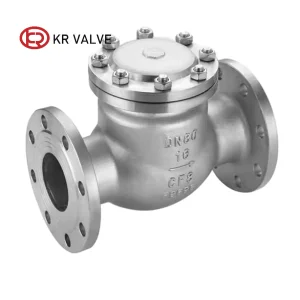
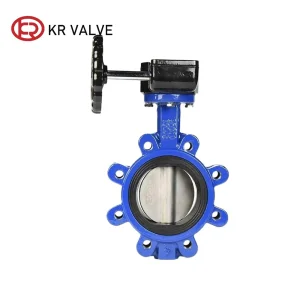
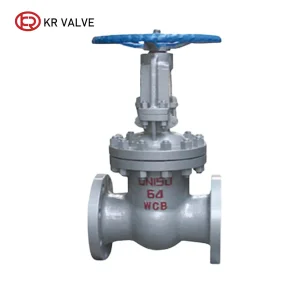
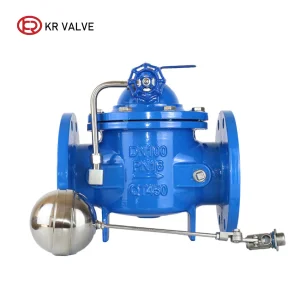
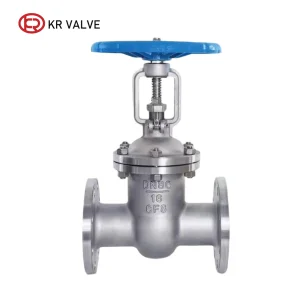
In high-performance pipeline grids, cast steel gate valves serve as the definitive benchmark for bidirectional fluid isolation. Engineered primarily to operate either fully open or fully closed, these valves provide full-bore flow path optimization, minimizing pressure drop and turbulence. As modern industries push boundaries in operating pressure, temperature limits, and media abrasiveness, selecting the correct manufacturer is critical to operational integrity.
At KR Valve, we possess over 20 years of experience in designing, engineering, and manufacturing standard and custom-configured valves. From carbon steel (ASTM A216 WCB) to stainless steel alloys (CF8/CF8M), our heavy-duty casting gate valves are built to withstand the demands of heavy industries. We offer solutions developed with advanced 3D FEA (Finite Element Analysis) modeling and rigorous physical stress tests. This guarantees structural durability and minimizes maintenance cycles.
China’s valve manufacturing sector has evolved from high-volume production to a high-technology ecosystem. Leveraging integrated industrial clusters, advanced metallurgy, and digital quality control, Chinese factories like KR Valve offer distinct advantages:
Zero-Leakage Assurance Through Advanced Testing Protocols
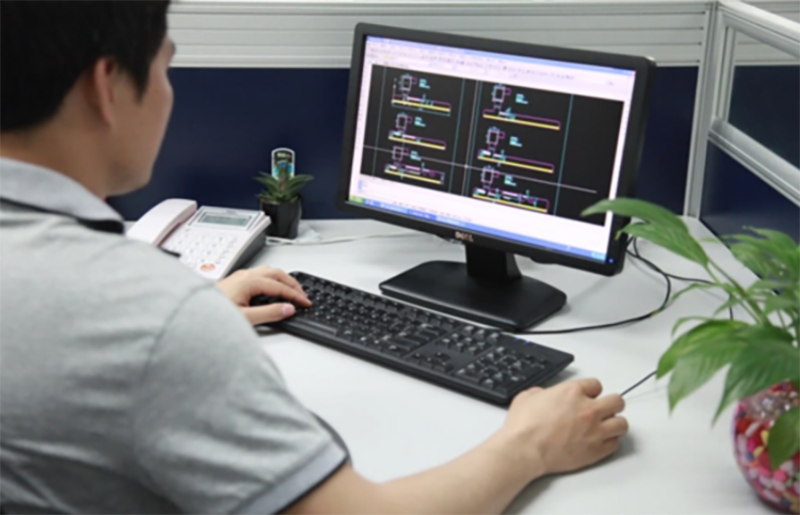
Our dedicated R&D department drives structural design and continuous innovation. Engineers utilize modern laboratory facilities to test structural integrity, analyze stress distribution, and scale up performance parameters to over 20 product series.
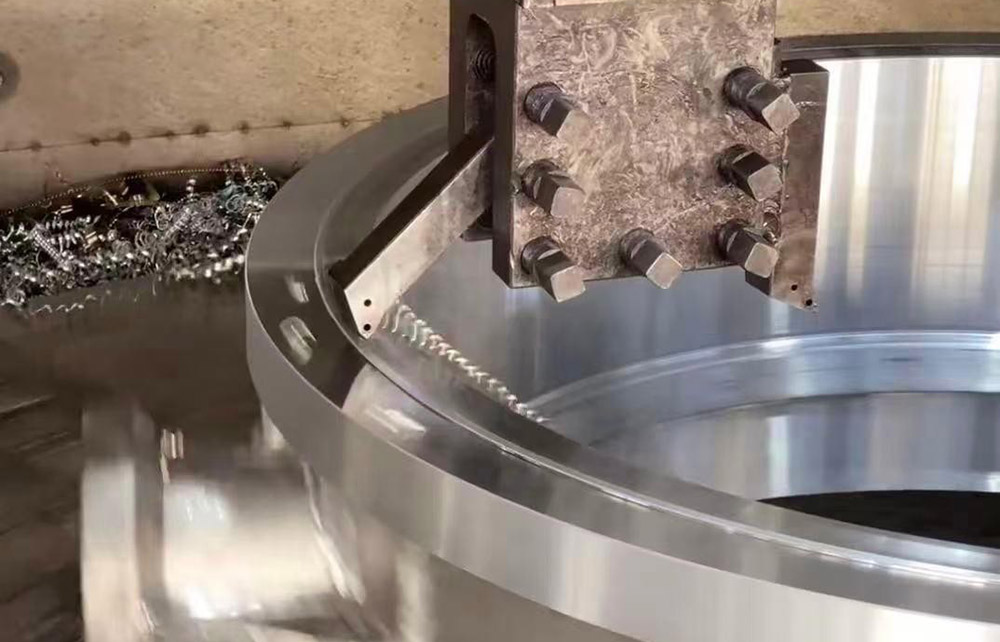
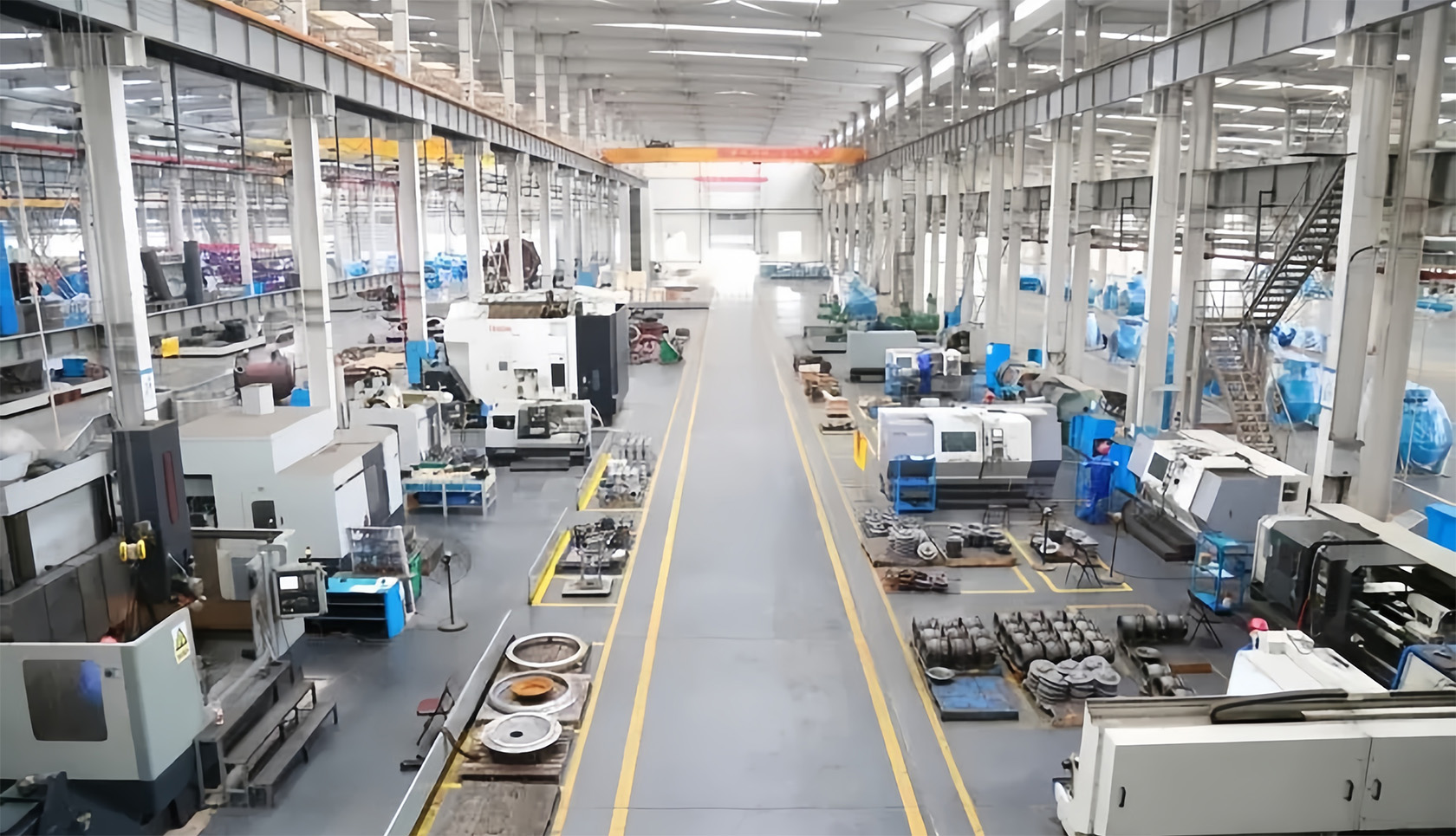
Manufacturing operates under an ISO-9001 quality management framework. Equipped with over 30 dedicated machining tools, our factory optimizes stock levels monthly to meet critical lead times for domestic and international projects.
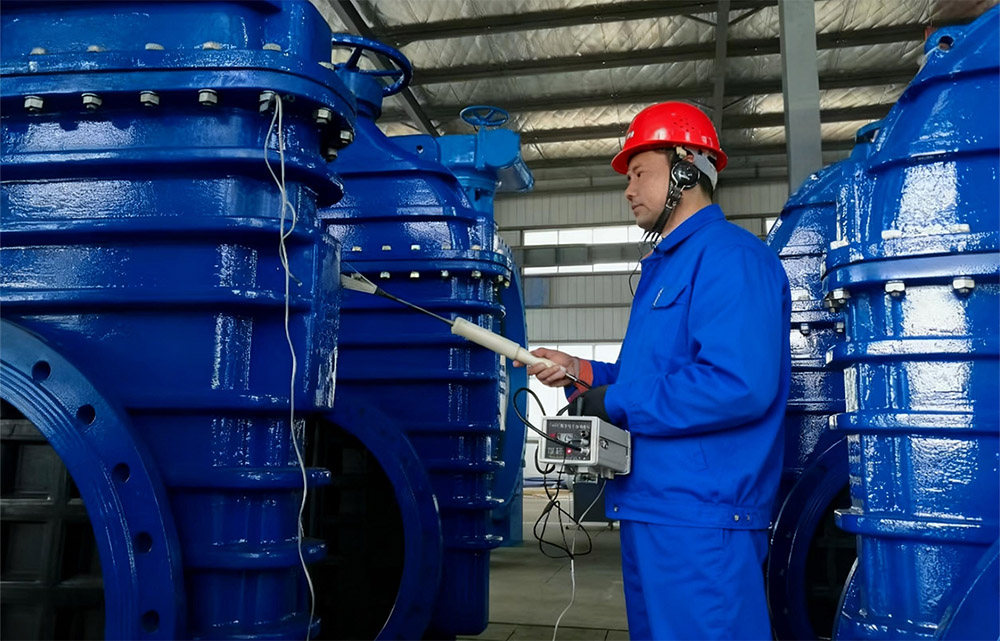
Our Quality Assurance department enforces a strict zero-leakage standard. Every gate valve undergoes hydrostatic shell testing, low-pressure pneumatic seat testing, and visual checks in compliance with API 598 and EN 12266-1 standards.
Choosing the right alloy and configuration for demanding system requirements.
| Material Grade (ASTM) | Operating Temp. Range | Primary Application Media | Typical Standards Compliance |
|---|---|---|---|
| A216 WCB (Carbon Steel) | -29°C to 425°C | Non-corrosive fluids, steam, water, petroleum gas | API 600, ASME B16.34, BS 1414 |
| A351 CF8 / CF8M (SS304 / SS316) | -196°C to 600°C | Corrosive chemicals, food-grade acids, marine applications | API 603, ASME B16.34, EN 10213 |
| A217 WC6 / WC9 (Alloy Steel) | -29°C to 593°C | High-temperature superheated steam, refining services | ASME B16.34, API 600 |
| A352 LCB / LCC (Low-Temp Carbon) | -46°C to 345°C | Low-temperature hydrocarbons, cold-climate pipelines | API 600, ASME B16.34 |
When specifying gate valves, the choice of stem configuration depends on spatial constraints and accessibility requirements:
Meeting Global Quality and Service Requirements
We supply products under our own brand "KR" and offer established OEM services for international valve brands, securing reliable operation on site.
Equipped with 15 advanced machining tools and optimized assembly lines, managed by a team of experienced industrial technicians.
Our range includes over 20 series and 500 product variations, covering standard configurations and non-standard custom designs.
Every cast components batch undergoes mechanical and physical evaluation, ensuring reliable service in high-pressure networks.
By managing the casting, machining, assembly, and testing processes in-house, we provide cost-competitive rates.
From pre-sales system sizing to post-installation troubleshooting, our engineering support lines remain open 24/7.
Take a closer look at our testing processes and design validation.
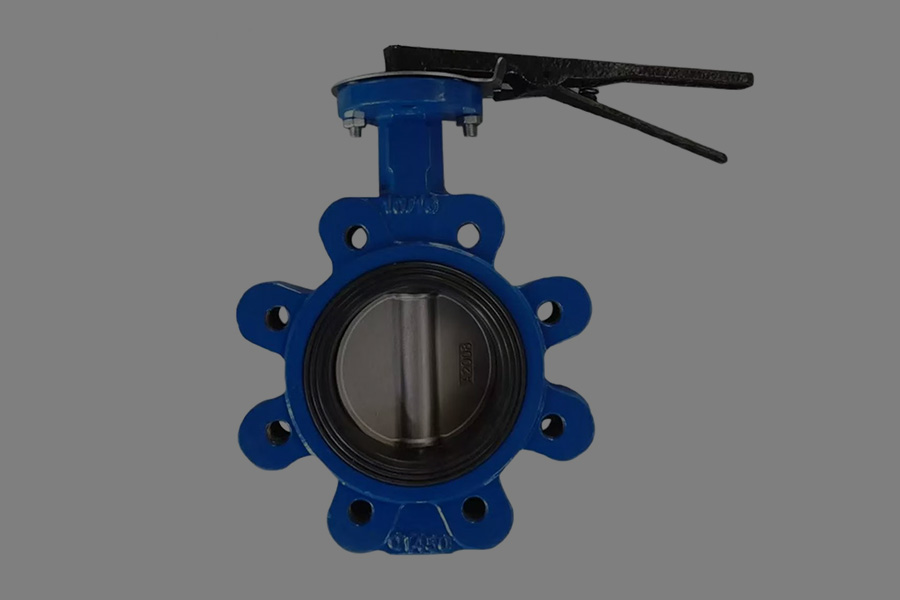
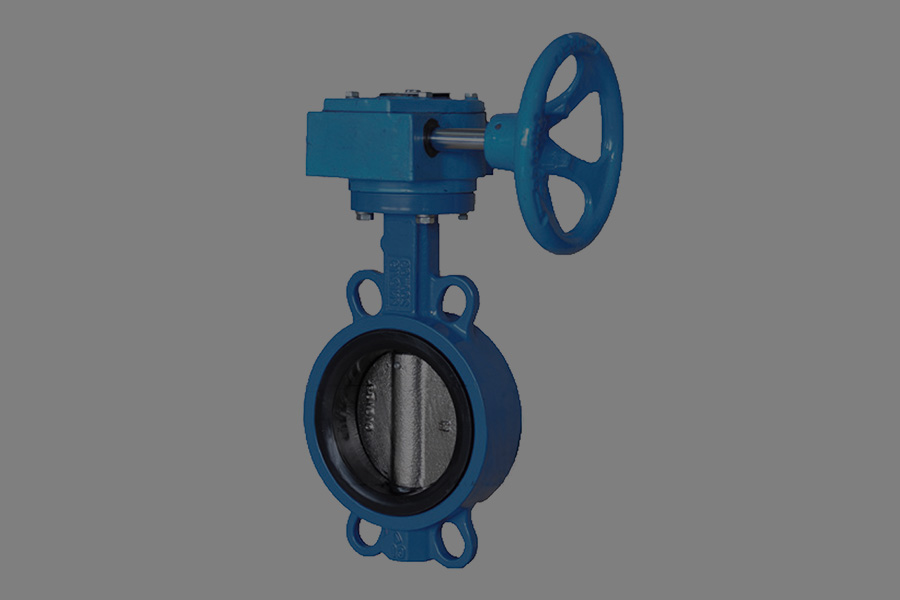
Our valves are deployed in infrastructure projects across more than 50 countries.
We delivered custom-designed large-diameter water control valves engineered to withstand high differential pressures and flow velocities in Andean hydraulic systems.
For municipal water distribution networks, we provided large-diameter resilient seated gate valves and double eccentric butterfly valves to maintain zero-leakage performance under fluctuating seasonal demands.
We supplied corrosion-resistant check valves and knife gate valves engineered to manage high-density suspended solids in industrial wastewater networks.
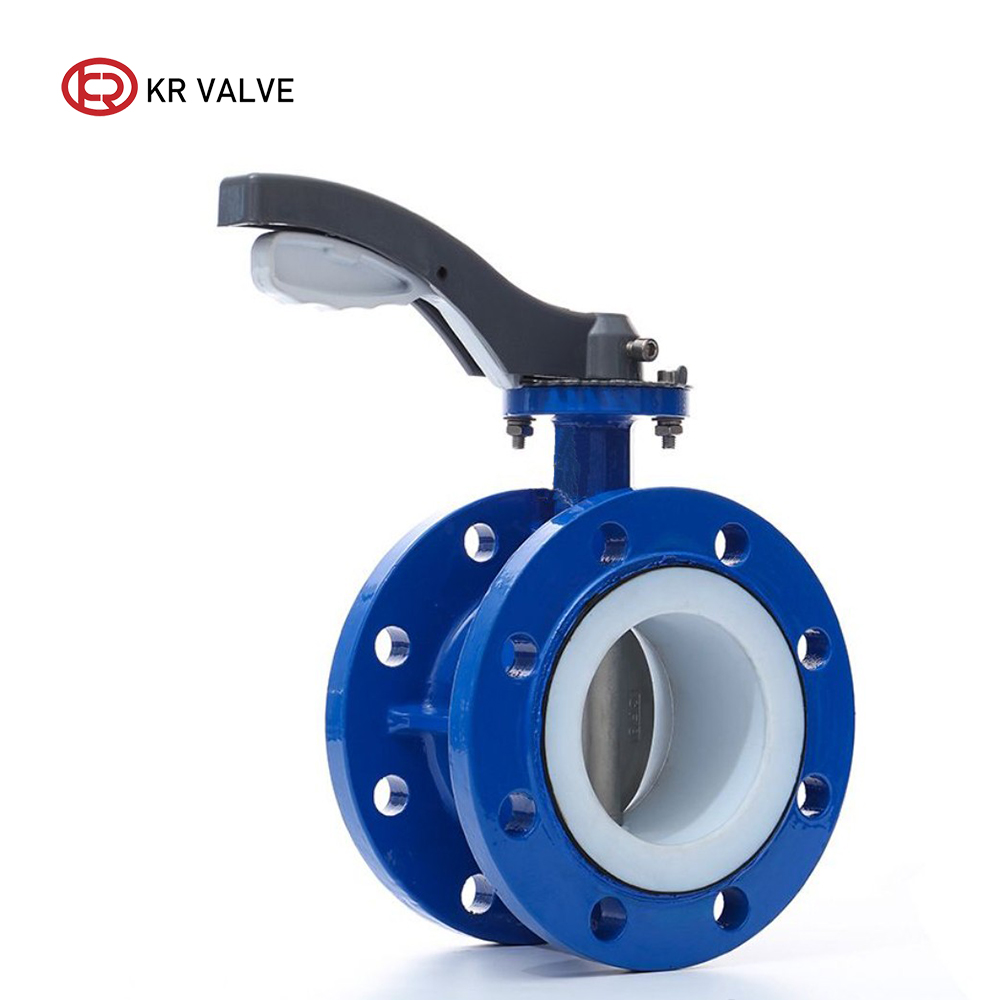
We provided acid-resistant CF8M stainless steel valves and PTFE-lined butterfly valves to prevent media contamination and ensure long-term line safety.
We delivered cold-temperature resistant carbon steel (LCB) gate and ball valves designed to function reliably in sub-zero environmental temperatures down to -46°C.
For large-scale water treatment systems, we integrated hydraulic diaphragm control valves to stabilize line pressure and prevent water hammer damage.
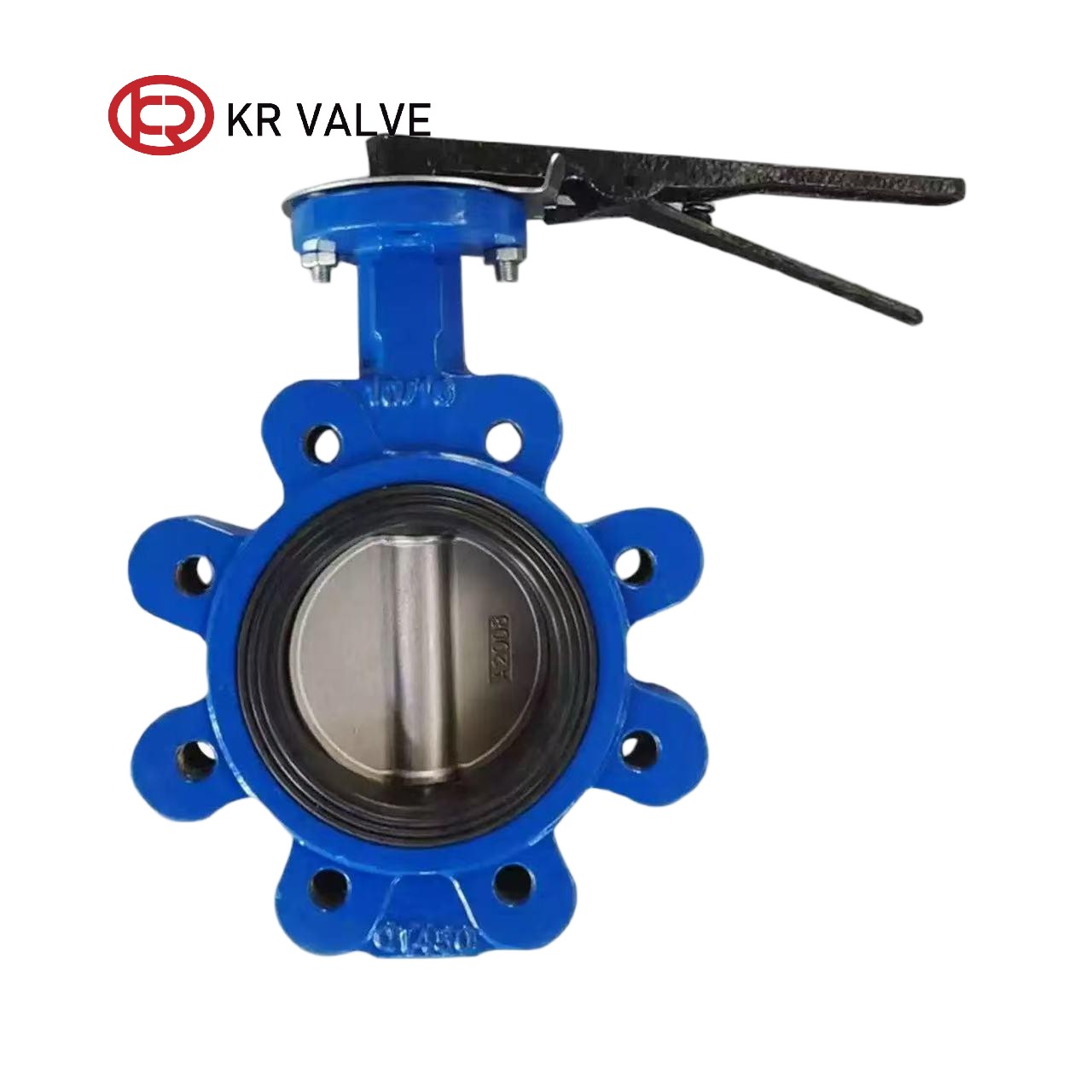
Engineered options across multiple pressure levels and materials
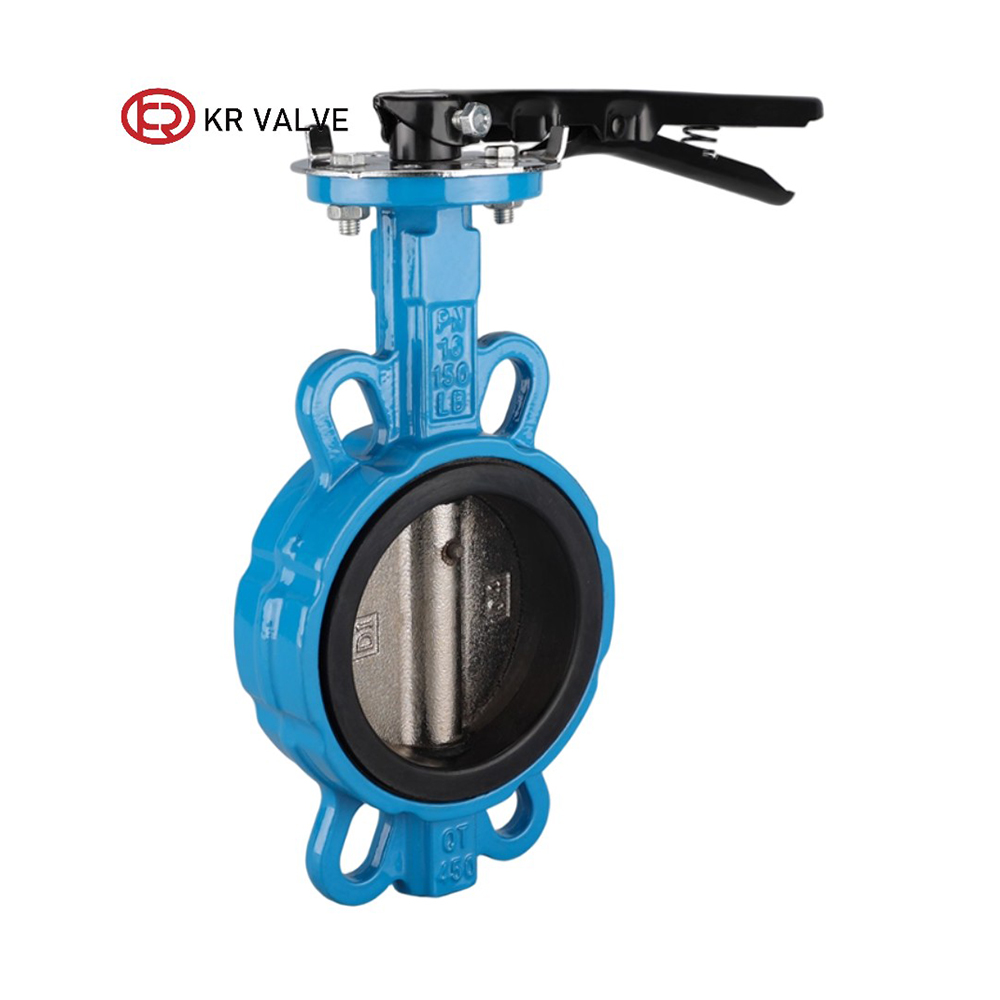
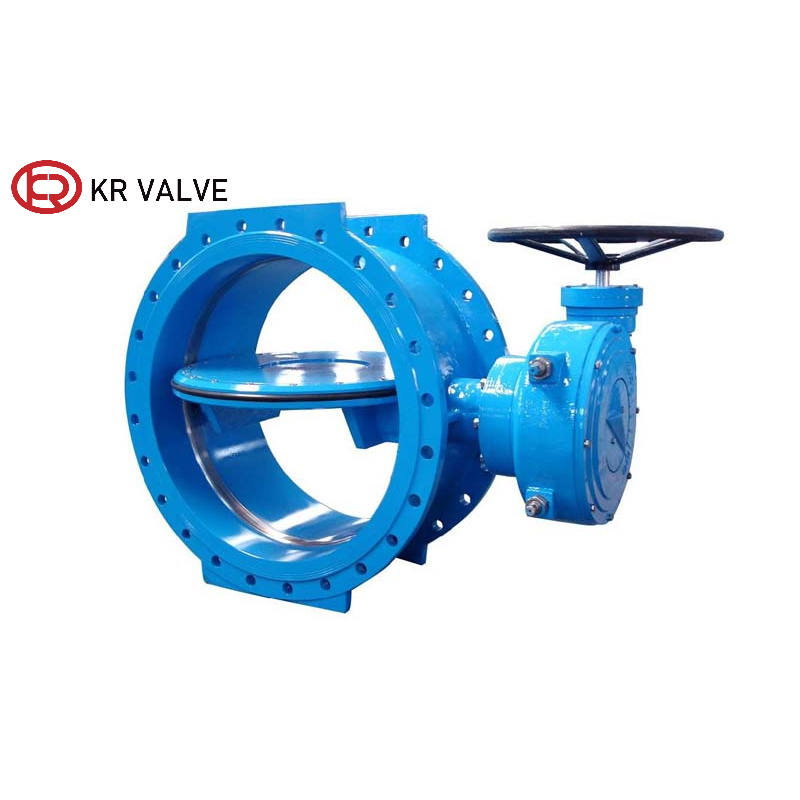
As industrial operations evolve, procurement parameters for gate valves are expanding beyond simple pricing to evaluate comprehensive lifecycle performance.
Procurement processes must verify the chemical compliance of casting materials. Industrial operators increasingly specify limits on sulfur and phosphorus levels to prevent crack propagation under cyclic thermal stresses. Additionally, fugitive emissions restrictions (such as API 624 / ISO 15848-1) require stem packing designs that prevent VOC leaks in chemical processing and gas service.
In line with Industry 4.0 trends, modern pipeline installations require valves with automation compatibility. Whether incorporating electric multi-turn actuators (such as Rotork or Auma), pneumatic rack-and-pinion actuators, or limit switches for position feedback, gate valves are acting as active components in automated process loops.
For applications below 200°C, resilient seated gate valves (using EPDM/NBR encapsulation) provide reliable bubble-tight sealing. Above this limit, metal-to-metal seating featuring hard-faced Cobalt-based alloys (Stellite) is required to withstand thermal expansion and prevent galling.
To meet global safety standards, manufacturers must supply comprehensive quality packages. This includes EN 10204 Type 3.1 material test certs, NDT reports (Radiographic Testing for critical sections, Magnetic Particle Testing for surfaces), and hydrostatic test records.
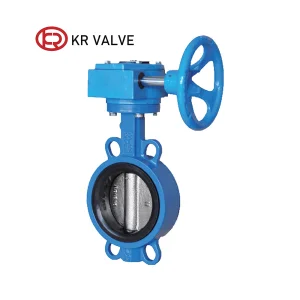
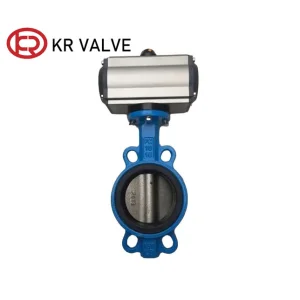
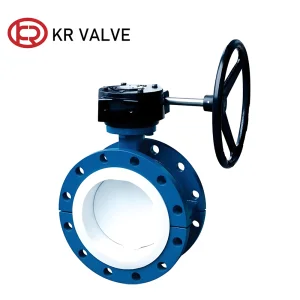
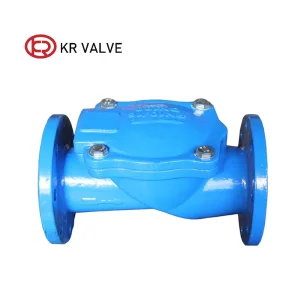
Engineered components designed for system reliability across air release, backflow prevention, and throttling applications.
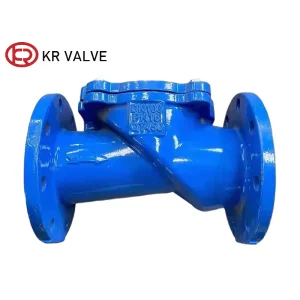
Direct engineering insights answering your industrial procurement and installation queries.
Partner with KR Valve for premium cast steel and alloy valve manufacturing. Contact our engineering department today for custom design consultations, detailed material selection analysis, and volume wholesale quotes.
Request Technical Consultation KR VAVLE