A double air valve (often referred to as a dual-orifice air release valve or double-acting air valve) combines both kinetic air release/intake and automatic micro-venting functionalities. During pipeline filling, the large kinetic orifice discharges large quantities of air at low differential pressures. Once the water column enters the valve chamber, it lifts the float mechanism, closing the kinetic orifice.
Conversely, during pipeline draining or sudden column separation events, the float drops to allow large volumes of air to enter, neutralizing negative pressure vacuums. Simultaneously, the small automatic orifice performs ongoing degassing during routine operation, discharging pocketed air under maximum system pressure.
The flow characteristics of kinetic venting are dictated by compressible fluid equations. The critical discharge velocity is reached when the differential pressure across the orifice exceeds critical critical limits (approximately 0.53 bar for air).
System designers must balance kinetic discharge rates to prevent premature closing (blow-shut). If the air discharge velocity is too high, the dynamic friction of the escaping air column can lift the float prematurely, locking the valve closed before water can enter. KR Valve designs integrate aerodynamically stable floats that resist velocity-induced closure up to Mach numbers exceeding 0.7.
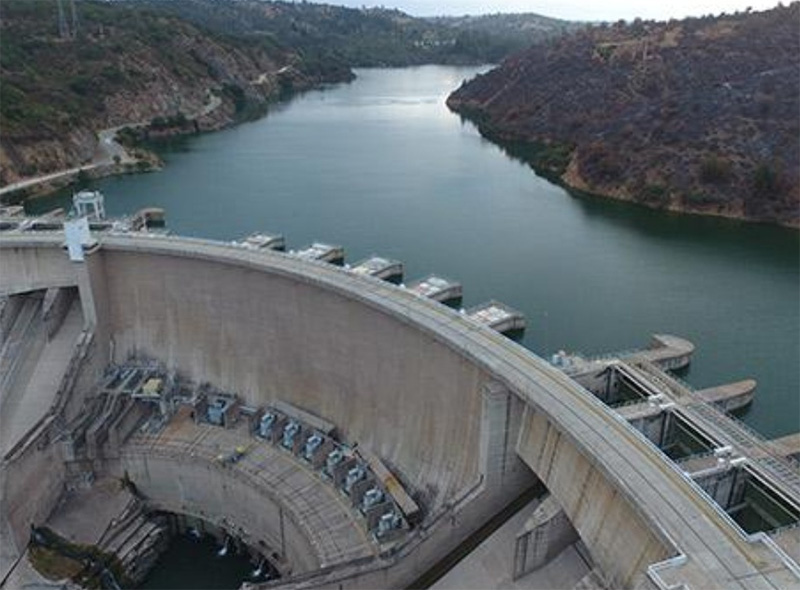
Municipal networks prioritize continuous distribution systems and high energy efficiency. Water hammer prevention is paramount. Double air valves with anti-slam mechanisms reduce air exhaust velocities near the end of the filling cycle to cushion column closure. KR Valve helps municipalities reduce overall pumping head loss by continuously evacuating micro-bubbles, lowering power usage by up to 8% across distribution networks.
Seawater desalination plants pose high corrosion risks. Standard ductile iron valves will degrade quickly under saline environments. For these pipelines, KR Valve supplies custom air release solutions using Super Duplex stainless steel (UNS S32750), Hastelloy, or internally/externally vulcanized coatings to handle aggressive chloride contents without scaling or premature pitting.
Wastewater lines carry suspended solids, grease, and biological chemicals. A standard double air valve will quickly clog in these environments. Specifiers require deep-body sewage air valves. The long cylindrical bodies prevent liquid waste from contacting the upper mechanism, keeping the sealing system clear of grease and solids while allowing unrestricted gas release.
| Application Standard | Design Standard | Primary Medium | Critical Material Specification | Key Features Required |
|---|---|---|---|---|
| Europe (EU) | EN 1074-4 | Potable Water, Sewage | Ductile Iron GGG50, FBE Coating (300µm) | WRAS / ACS elastomer approval, anti-slam floats |
| North America (US) | AWWA C512 | Raw Water, Process Liquid | ASTM A536 Ductile Iron, SS316 internal parts | NSF/ANSI 61 and 372 lead-free certifications |
| Australia (APAC) | AS 4956 | Irrigation, Mining Water | Ductile Iron, AS/NZS 4020 certified seals | High-capacity vacuum intake, isolating gate valve integration |
The sealing mechanism is the heart of double air valve reliability. Traditional designs used spherical rubber-coated floats that suffered from deformation under pressure, leading to leaks. Modern engineering uses hollow or solid cylindrical floats manufactured from high-grade SS316 or specialized composite polymers.
These floats act with linear precision. They are guided by internal ribs to ensure they seat concentrically against the EPDM or NBR rubber seats. A multi-stage seating mechanism allows the small automatic release orifice to open independently of the large kinetic orifice. This configuration lets air pocket pressure break the contact surface, venting small bubbles even when the main seal is held closed by high pipeline pressures.
The valve industry is moving toward smart diagnostic integration. Air release valves are often installed in remote geographic regions where physical inspection is difficult. Next-generation double air valves incorporate pressure transducers and acoustic emission sensors.
These sensors monitor air flow dynamics, detect leakage, and flag scaling before a system failure occurs. Data is transmitted via low-power WAN networks (LoRaWAN, NB-IoT) to central SCADA systems. This setup provides utility operators with real-time analytics on air venting status and float responsiveness, transforming reactive maintenance into a proactive asset management protocol.
With over 20 years of manufacturing experience, KR Valve stands as a leader in valve production, supplying high-performance fluid control products across the globe. Our facilities handle the complete valve lifecycle, from structural design and raw material verification to high-pressure hydrodynamic testing and automated painting.
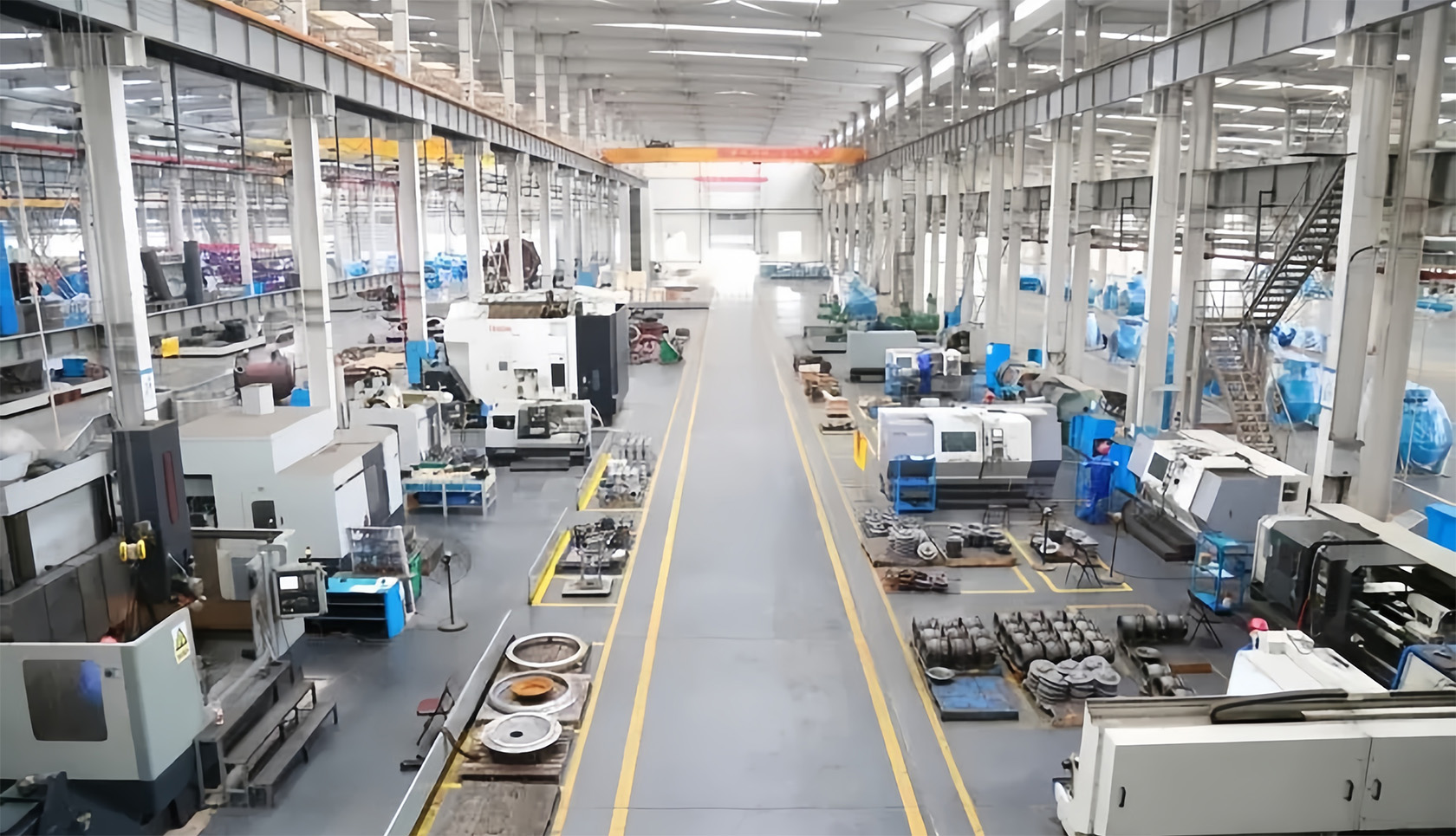
Our manufacturing center features 15 advanced machining centers and specialized assembly lines. This equipment is operated by experienced technicians who maintain tolerances down to the micron. We operate under strict ISO 9001 quality management guidelines, ensuring all component dimensions and material chemistry conform with European and American standards.
Our in-house R&D and quality testing labs carry out rigorous verification procedures. Every production run undergoes extensive pressure and leakage tests to verify structural integrity. We enforce a zero-leakage standard for double air valves and water control systems, protecting municipal piping and industrial networks from pressure drop and fluid loss.
Our dedicated design engineers use advanced CAD and finite element analysis (FEA) software to simulate flow characteristics and valve body stress under surge conditions. This continuous R&D approach allows us to improve flow coefficients, reduce weight, and customize valve designs for specialized installations.
Production plans are scheduled to guarantee timely delivery. We maintain a large inventory of raw materials and standard parts, updating stock monthly. Strict material traceability processes ensure that every pour, casting, and valve body heat code is fully documented.
Our quality control department tests 100% of finished valves before packaging. We inspect exterior finish, critical dimensions, and pressure-containing components. Hydropressure testing is conducted in accordance with ISO 5208, confirming bubble-tight shutoff before shipping.
We supply products under our own established brand "KR" and offer comprehensive OEM manufacturing capabilities. We have established long-term production partnerships with leading international valve brands, producing customized components under strict non-disclosure agreements.
Our workshops house 15 state-of-the-art machining centers, vertical lathes, and testing benches. Our trained assembly workforce ensures that all valves are built to precise mechanical tolerances, keeping production quality consistent across large volumes.
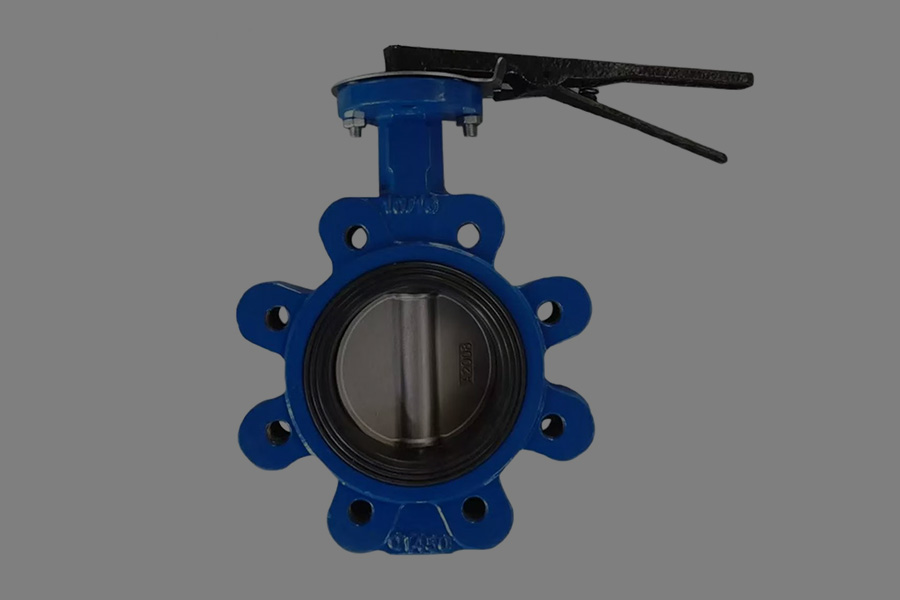
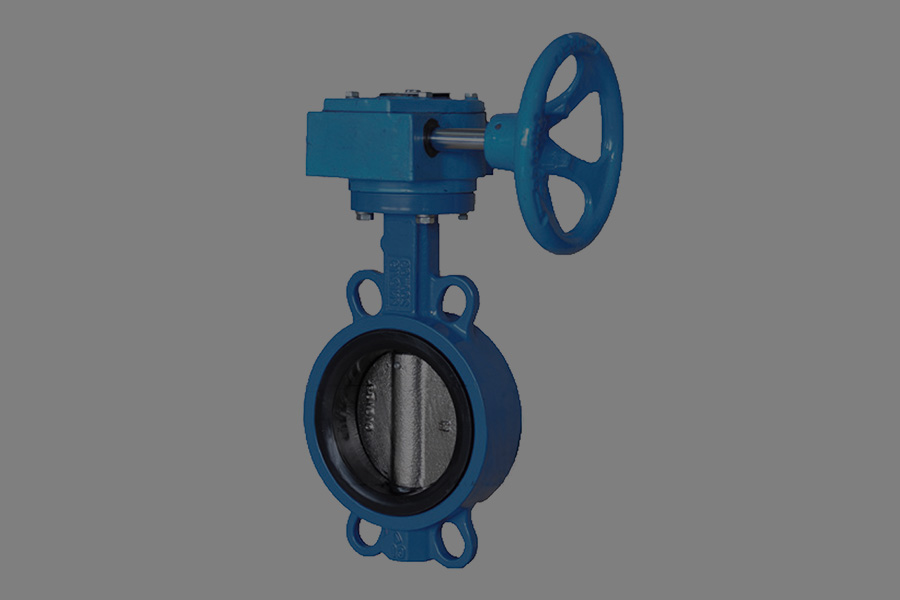
We manufacture 20 core valve series with over 500 catalog items, spanning butterfly, gate, check, and water control valves. We produce components to EN, ANSI, BS, DIN, and AS standards, alongside non-standard custom valves tailored for specific designs.
From metallurgical verification of the ductile iron body to precise machining of the stem and float guides, we control the production tolerances of every part. Each component must pass inspection before entering the final assembly stage.
Because we run a vertically integrated factory and manage raw material sourcing, casting finishing, machining, and testing in-house, we can optimize production costs and provide highly competitive pricing without compromising quality standards.
We provide full pre-sales engineering and post-delivery support. Our team assists clients with sizing calculations, material selection for corrosive environments, and pipeline installation positions to ensure long-term, trouble-free operation.
All raw ductile and cast steel materials are verified in-house using spectrometer analysis to confirm correct carbon, silicon, and manganese levels. Certified test reports (EN 10204 Type 3.1) are supplied with all shipments to guarantee traceability.
Any double air valve or water control system intended for drinking water installations utilizes WRAS, ACS, or NSF/ANSI 61 certified elastomers. These materials prevent chemical leaching and biological growth inside the valve chamber.
We provide comprehensive trade documentation, including country-of-origin certificates, EUR.1 forms, SGS pre-shipment inspections, and pressure test certifications to ensure smooth customs clearance in importing countries.
 KR VAVLE