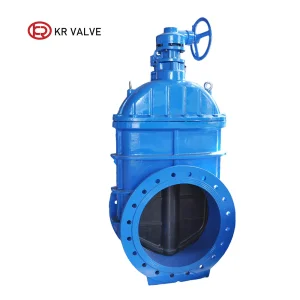
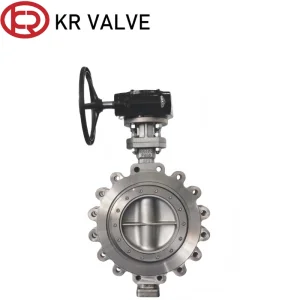
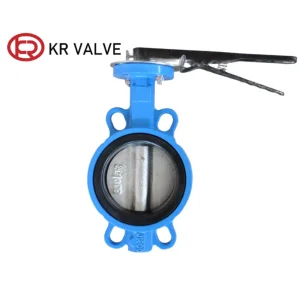
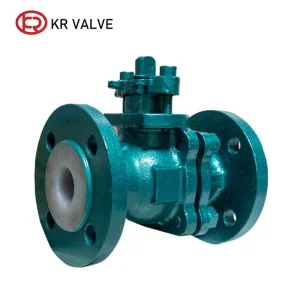
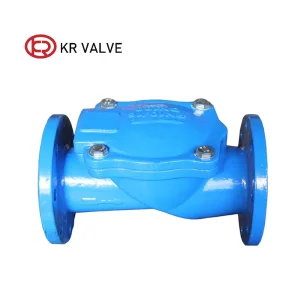
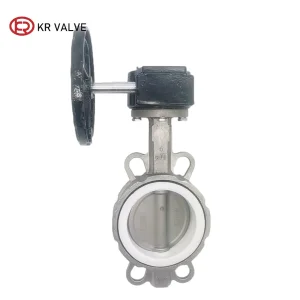
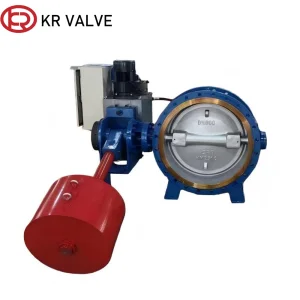
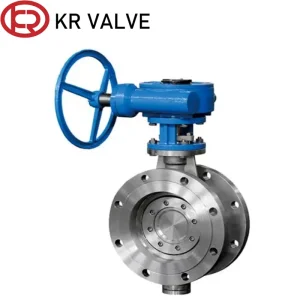
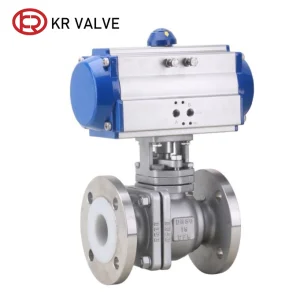
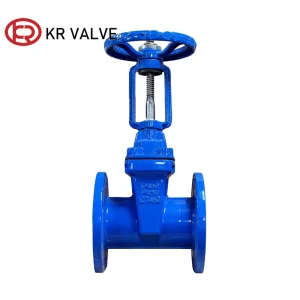
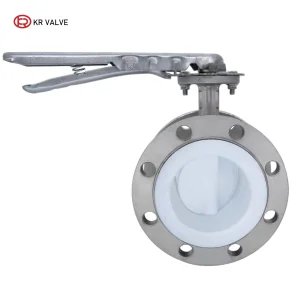
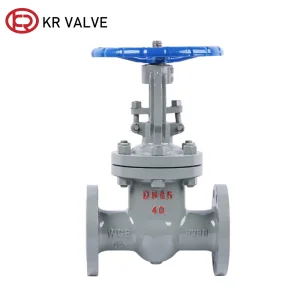
Explore our certified catalog of high-performance check valves, gate valves, and flow control solutions engineered for zero-leakage durability.
A comprehensive whitepaper analysis on mechanical fluid containment, backsiphonage prevention, and hydraulic pressure loss optimization.
In modern municipal, commercial, and industrial fluid networks, protecting potable water infrastructure from contamination caused by backflow is a non-negotiable hydraulic requirement. As leading wholesale double check valve suppliers & manufacturers, KR Valve Group designs, manufactures, and verifies high-integrity Double Check Valve Assemblies (DCVA) and dual-disc check configurations that conform strictly to international standards such as AWWA C510, ASSE 1015, EN 13959, and CSA B64.5.
A Double Check Valve Assembly consists of two independently acting, spring-loaded check valves connected in series, located between two tightly closing shut-off valves (typically resilient seated gate valves or full-port ball valves) and equipped with test cocks for field verification. The fundamental mechanical objective of this dual-stage architecture is to prevent both backsiphonage (negative pressure drawing contaminants upstream) and backpressure (downstream pressure exceeding supply line pressure).
Under normal forward flow conditions, the hydraulic fluid pressure forces the first check valve open against its calibrated spring tension once the cracking pressure threshold (typically 1.0 PSI to 2.5 PSI) is surpassed. The fluid then travels through the intermediate chamber to open the second independently loaded check valve. Should the flow velocity drop to zero or reverse direction, both internal check discs immediately snap shut via mechanical spring force, independent of fluid pressure differential. This redundant mechanical isolation ensures that even if one check valve is fouled by particulate matter, sediment, or corrosion scale, the secondary check valve maintains total fluid containment.
| Backflow Device Type | Hazard Rating Level | Mechanical Configuration | Standard Pressure Drop (ΔP) | Primary Application Matrix |
|---|---|---|---|---|
| Double Check Valve Assembly (DCVA) | Low to Medium (Non-Health Hazard) | 2 Independent Check Valves + Test Cocks | 3.0 - 5.5 PSI | Fire Sprinkler Lines, Commercial HVAC, Potable Water Lines |
| Reduced Pressure Zone (RPZ / RPBA) | High (Health Hazard / Toxic Chemicals) | 2 Check Valves + Differential Relief Valve | 8.0 - 12.0 PSI | Chemical Processing, Plating Tanks, Boiler Feed Lines |
| Dual Disc Wafer Check Valve | Low (System Backflow / Water Hammer) | Spring-Loaded Split Disc / Flapper | 1.5 - 3.5 PSI | Pumping Stations, Cooling Towers, Municipal Distribution |
| Rubber Flap Swing Check Valve | Medium (Sludge / Heavy Particulates) | Encapsulated NBR/EPDM Flexible Disc | 0.8 - 2.0 PSI | Wastewater Treatment, Raw Sewage, Slurry Pipelines |
The operational longevity of a commercial double check valve relies heavily on raw material purity and precision machining. KR Valve Group utilizes high-grade foundries to process cast metals into robust valve bodies designed to withstand hydraulic shock, water hammer, and aggressive chemical environments:
Strategic economic insights into backflow prevention infrastructure across North America, Europe, Asia-Pacific, and emerging global markets.
Accelerating urban expansion in Asia-Pacific and Latin America requires massive overhaul of drinking water distribution networks. Municipalities mandate DCVA installations at cross-connections, commercial building water mains, and public hydrants to prevent backsiphonage from contaminating central water reservoirs.
Commercial high-rise construction across North America and Europe requires strict compliance with NFPA 13 and EN standards. Double check valves represent the vital isolation barrier in fire sprinkler standpipes, ensuring stagnant water containing chemical additives or rust inhibitors cannot migrate back into potable systems.
Industrial plants utilizing closed-loop cooling towers, chemical blending lines, and food & beverage processing demand custom-engineered check valve assemblies. PTFE-lined ball valves and CF8M stainless check units prevent cross-contamination between toxic process chemicals and utility water feeds.
Modern chilled water plant designs require check valves engineered for minimal hydraulic head loss (ΔP). Low-cracking-pressure dual-disc wafer check valves reduce pump work head demand, directly contributing to lowered annual megawatt-hour energy consumption in LEED-certified green buildings.
Pioneering the transition from passive mechanical flow containment to active, sensor-enabled IoT predictive fluid architecture.
As industrial automation, smart water grids, and AI-driven facility management mature, traditional backflow preventers are undergoing a massive technological shift. KR Valve Group is at the forefront of integrating sensor arrays, smart telemetry, and predictive maintenance algorithms into wholesale valve manufacturing.
Traditional double check valve assemblies require annual manual testing by certified field technicians using differential pressure gauges. Future-ready double check valve assemblies incorporate integrated micro-differential pressure sensors directly embedded in the internal test ports. Operating via low-power wireless protocols (LoRaWAN, NB-IoT), these sensors stream continuous real-time pressure differential data back to a centralized SCADA system or cloud-based asset management dashboard.
When internal debris accumulation or seat degradation causes the pressure drop across Check Valve #1 or Check Valve #2 to deviate from baseline performance parameters, automated alerts notify maintenance engineers before catastrophic backflow or major pressure loss occurs.
Using advanced 3D Computational Fluid Dynamics (CFD) simulation software, KR Valve engineers optimize the internal flow chamber geometry of wafer check valves and resilient gate valves. By eliminating turbulent eddies and recirculation zones, fluid flow remains strictly laminar, lowering head loss by up to 22% compared to conventional legacy designs while eliminating destructive cavitation noise and localized valve body erosion.
Synthetic EPDM and full PTFE fluoropolymer linings bonded to ductile iron bodies via electrostatic powder deposition eliminate corrosion pitting, guaranteeing zero fluid-metal interaction even when handling abrasive slurry or aggressive chemical media.
Integrated acoustic emission sensors detect micro-vibrations indicative of seat leaking down to 0.01 GPM, transforming passive check valves into intelligent node points within industrial Smart Grid architectures.
Field-serviceable inline check valve cartridges allow complete internal component replacement (springs, discs, seat rings) without removing the valve body from the main pipeline, reducing system downtime by over 75%.
KR has more than 20 years of experience in producing standard and non-standard valves of various types. We supply a wide selection of over 500 valve products, including butterfly valve, gate valve, check valve, water control valve, as well as all their matching and accessory products. These products have applications in various industries such as water treatment, dam construction, commercial buildings, energy and heating, chemical engineering, etc. KR has won high repeat purchase rates from customers with excellent product variety and quality.
Beyond product excellence, we are dedicated to creating a mutually beneficial partnership with every customer. We believe that reliable service is as crucial as superior products, and we strive to continuously optimize the customer experience to achieve long-term win-win cooperation. Today, KR VALVE’s products have been exported to over 50 countries and regions in Europe, Asia, Africa, and Oceania, providing project construction and brand marketing services to thousands of customers.
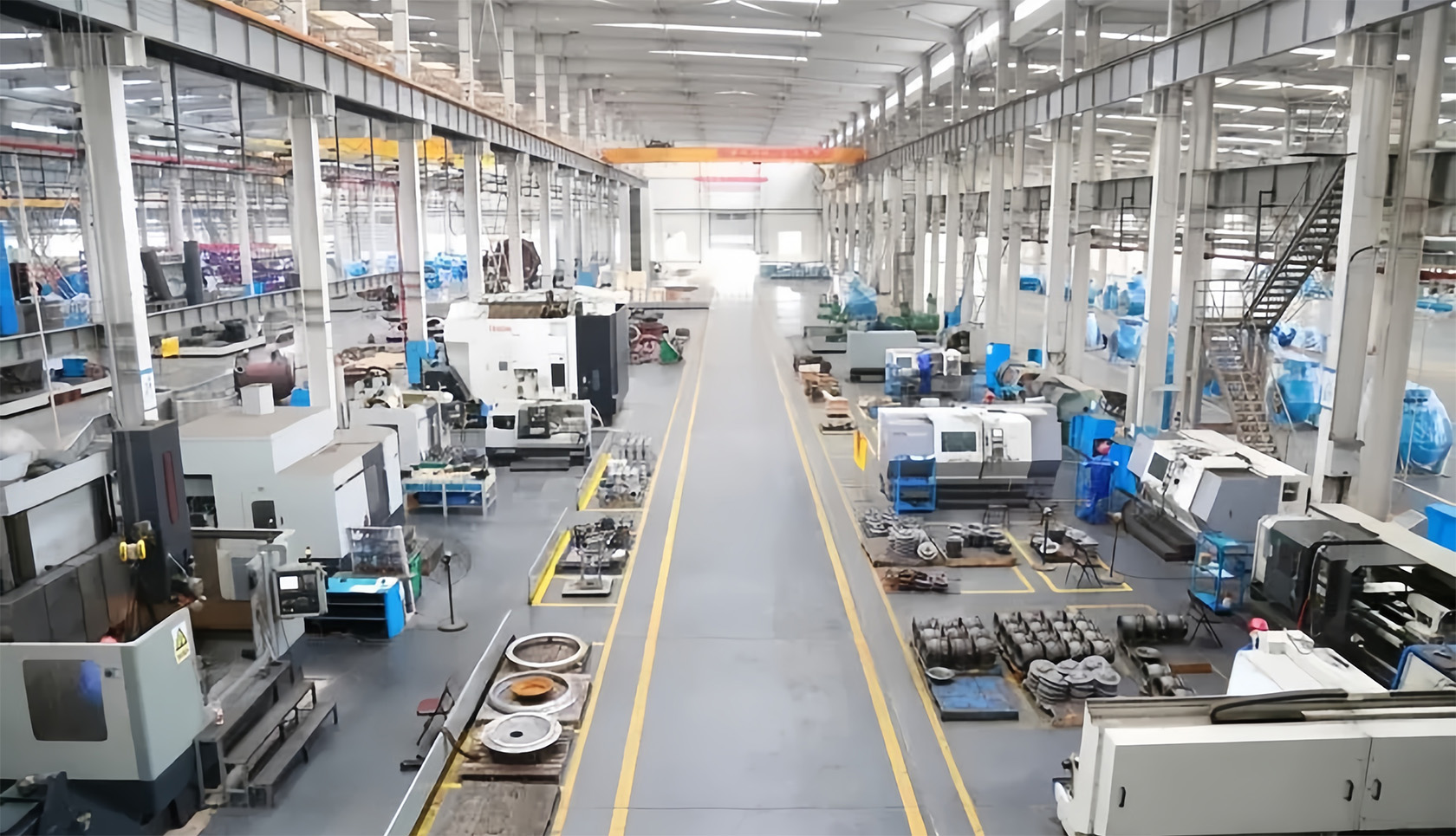
From custom CAD design to 100% zero-leakage hydrostatic pressure testing.
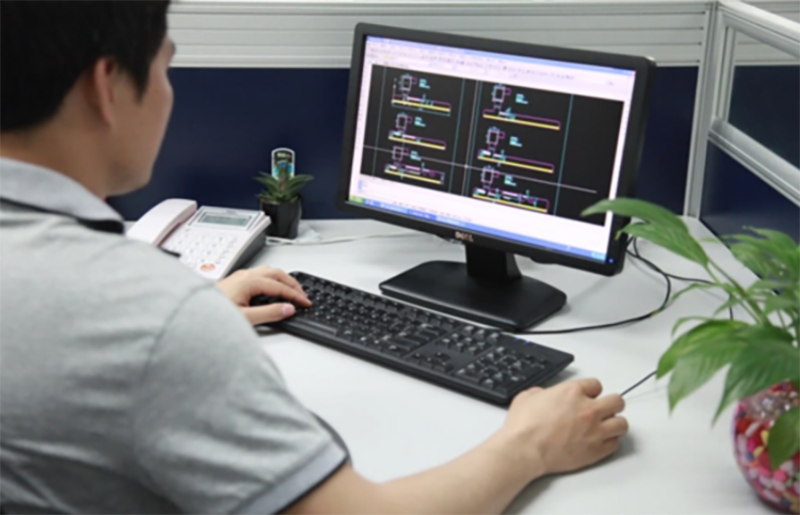
Our R&D department ensures continuous product innovation. Technicians design and develop products meeting global market standards, backed by modern testing capabilities. We maintain over 20 series and 500+ product varieties.
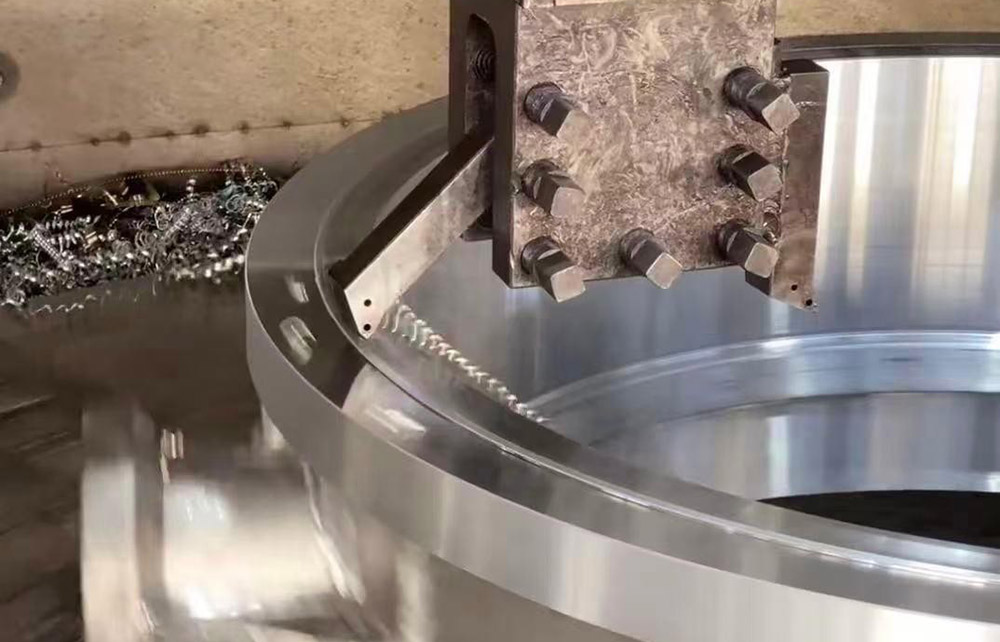
Manufactured under strict ISO-9001 quality management supervision. With over 30 advanced machining and assembly units, our production plans ensure timely delivery for large-scale wholesale and OEM customer orders.
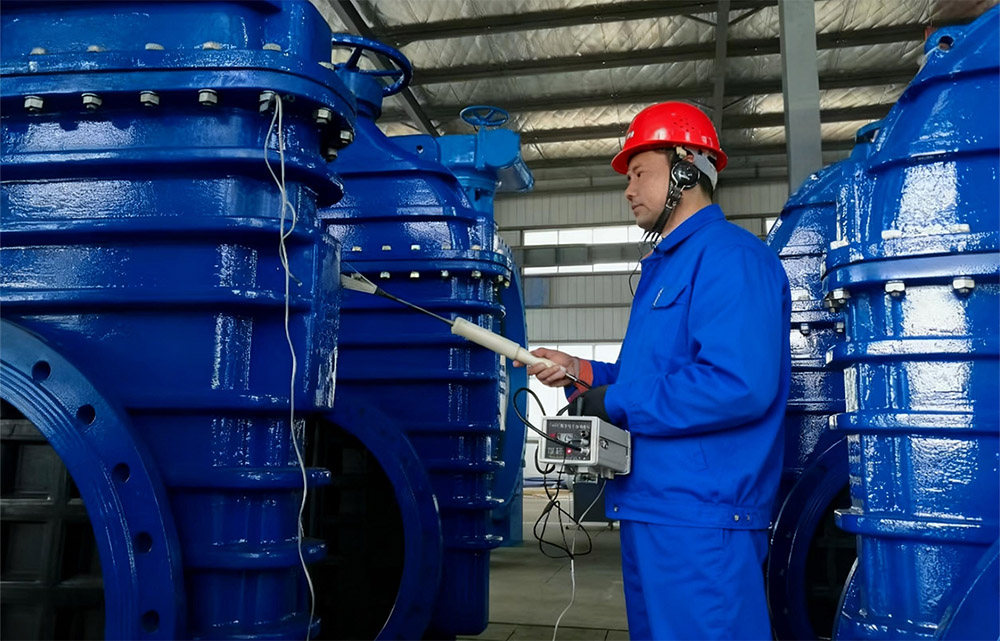
Zero leakage is our fundamental principle. According to international quality standards, our inspection team conducts comprehensive shell pressure, seat seal, dimensional, and aesthetic checks before issuing official compliance reports.
Proven industrial performance across municipal waterworks, mega-dams, gas pipelines, and chemical plants worldwide.
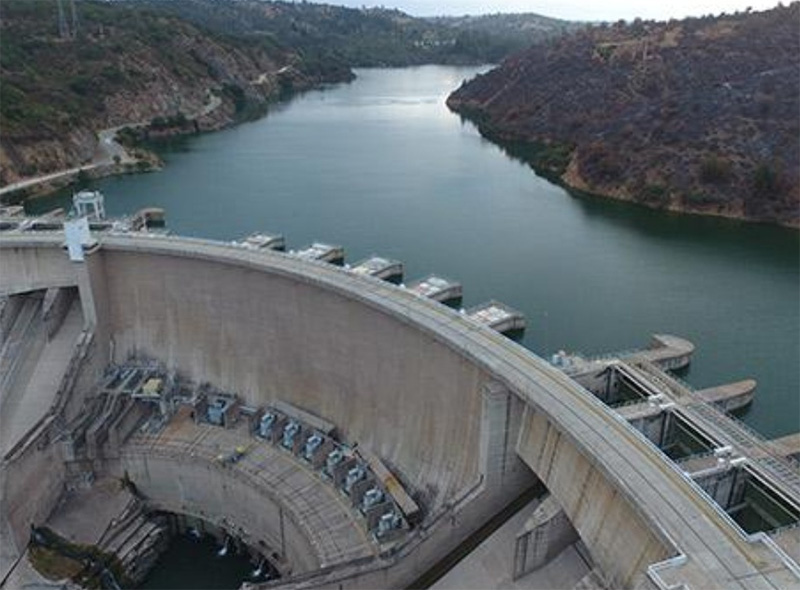
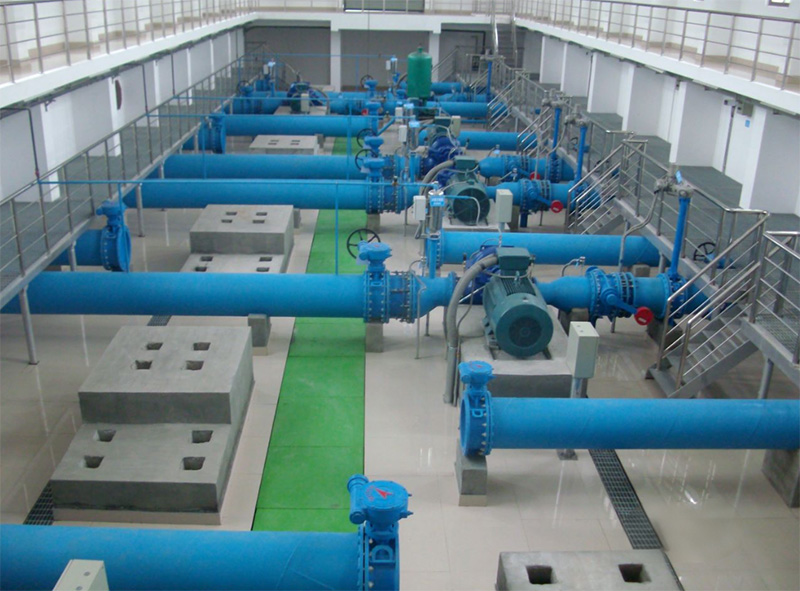
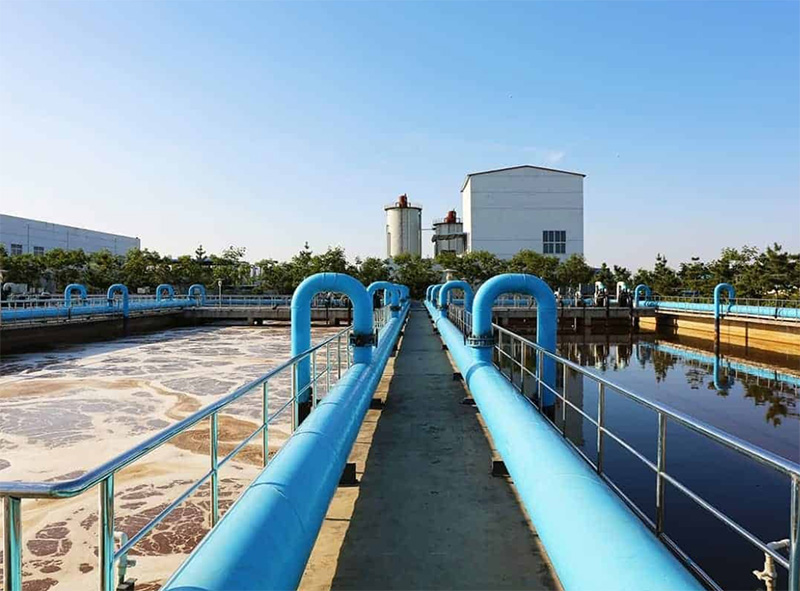
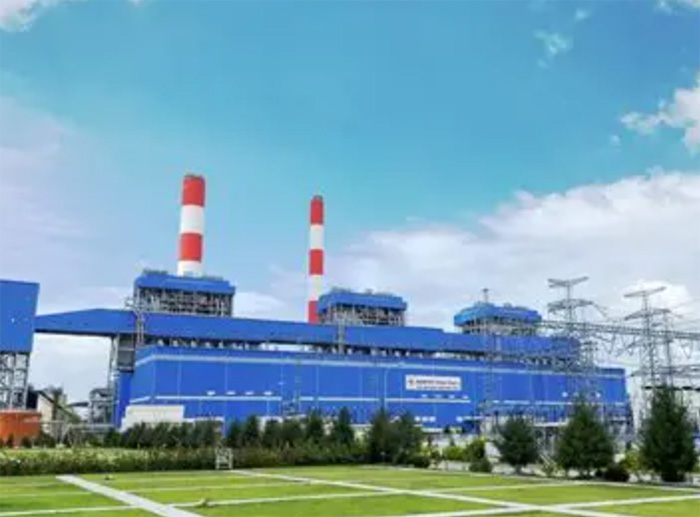
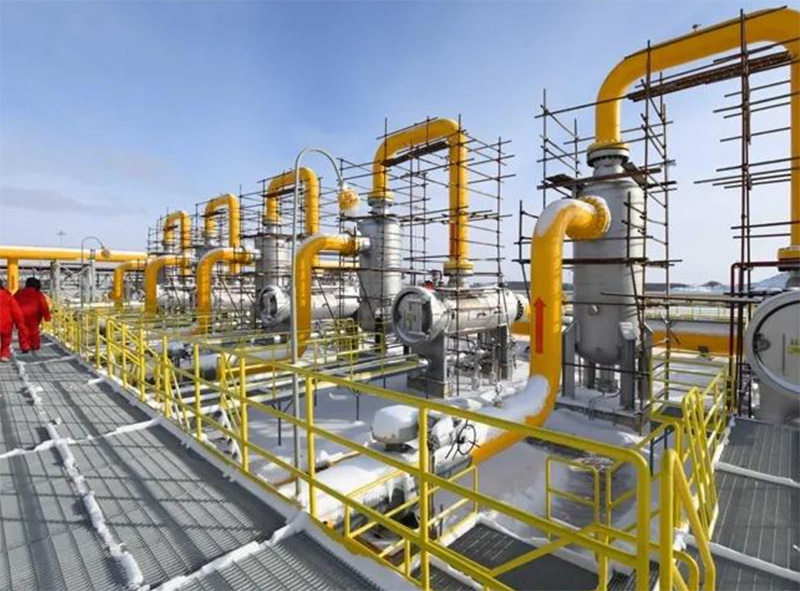
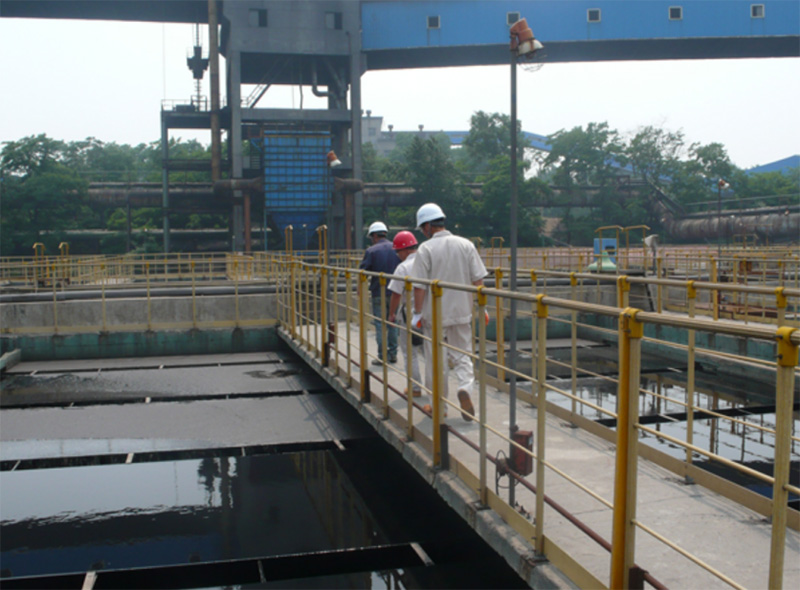
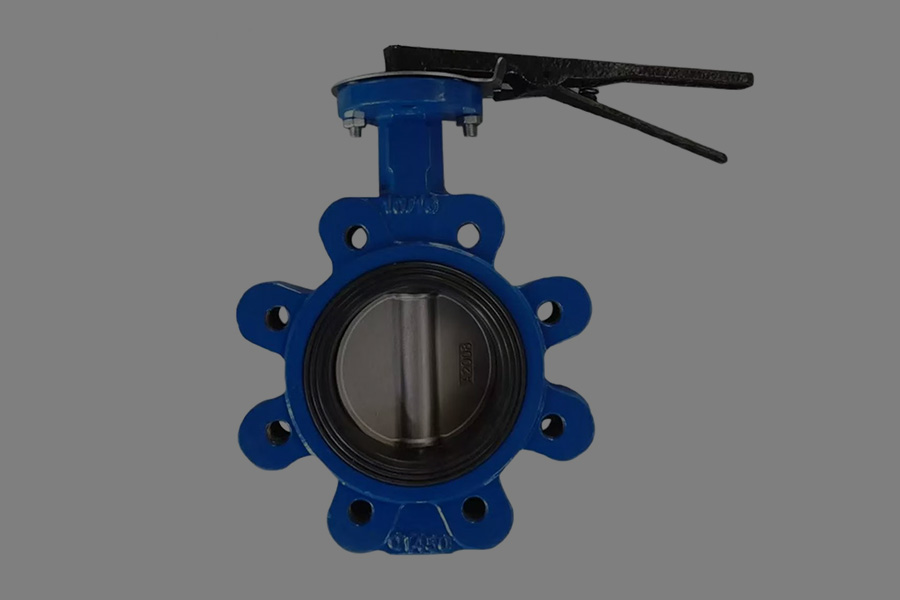
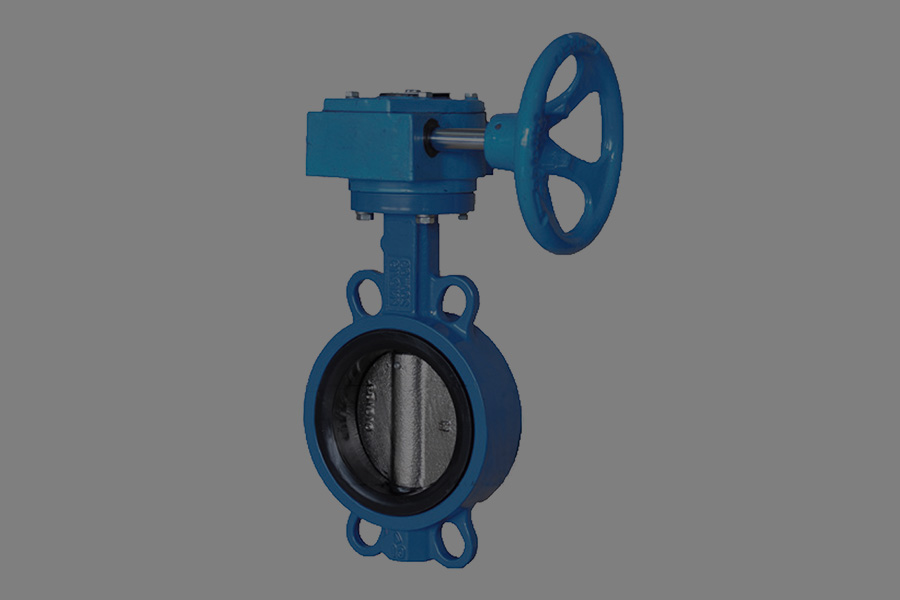
Integrated valve assemblies engineered to meet complex industrial challenges.
Combining AWWA EPDM Resilient Seat Gate Valves with Dual-Disc Check Valves creates a zero-leakage header isolation loop. Protects master pumping stations from hydraulic surges and cross-contamination during grid power failures.
Utilizes CF8M Stainless Steel Body Ball Valves equipped with full PTFE linings alongside Y-Type Strainers. Prevents media crystallization while offering total chemical inertness against acids, alkalis, and organic solvents.
Deploys Double Eccentric Hydraulic Control Butterfly Valves paired with automated pressure-reducing valves (200X series) to regulate high-head velocity while protecting downstream turbines from destructive backflow.
Expert engineering answers to critical technical questions regarding valve specification, compliance, field testing, and maintenance.
While both assemblies utilize two independent internal check valves, an RPZ valve incorporates a third hydraulically operated differential relief valve positioned in the intermediate chamber between the two check valves. If either check valve leaks, the RPZ relief valve dumps water to the atmosphere, guaranteeing protection against high-hazard toxic contamination. A Double Check Valve Assembly (DCVA) does not discharge water to atmosphere and is certified for low-to-medium hazard applications (e.g., non-toxic backsiphonage, fire sprinkler systems, commercial drinking water mains).
Industrial double check valves are designed according to international standards such as AWWA C510 (Double Check Valve Backflow Preventer Assembly), ASSE 1015, CSA B64.5, and European standard EN 13959. Flange dimensions typically conform to ANSI B16.1 Class 125/150, EN 1092-2 PN10/PN16, or JIS B2220 to ensure total interoperability across global piping networks.
Ductile Iron (GGG40/50 with Fusion Bonded Epoxy coating) is the most cost-effective solution for municipal water lines, fire protection, and HVAC systems operating at standard temperatures (-10°C to 80°C). Stainless Steel (CF8/SS304 or CF8M/SS316) is required for corrosive industrial chemicals, aggressive coastal/offshore environments, high-temperature steam/process fluid, or applications demanding ultra-pure water contact (e.g., semiconductor, pharmaceutical).
Head loss occurs due to internal friction, changes in fluid velocity vectors, and the spring force required to hold check discs in the open position. To minimize pressure drop, specify dual-disc wafer check valves with streamlined, CFD-optimized discs and low-cracking-pressure stainless steel springs, or select full-port flanged check configurations designed for continuous high-flow velocity.
DCVA units feature four integrated test cocks. Certified backflow testers attach a calibrated differential pressure gauge to test: (1) Check Valve #1 tightness against backpressure, (2) Check Valve #2 tightness against backpressure, and (3) pressure drop across each internal disc to verify cracking pressure meets the minimum 1.0 PSI requirement.
Most double check valves can be installed horizontally or vertically (with upward flow), provided the assembly is certified by the manufacturer for vertical orientations. Vertical downward flow is generally restricted because gravity can hinder proper spring seating and lead to premature seat wear.
KR Valve provides comprehensive OEM services including custom body castings, private label branding/logo embossing, tailored flange dimensions (ANSI, DIN, BS, JIS), specialized seat materials (EPDM, NBR, Viton, PTFE), custom epoxy color choices, and custom-packaged assembly kits complete with matching gate valves and strainers.
Explore our full range of industrial valves, basket strainers, and hydraulic control devices available for global B2B wholesale distribution.
 KR VAVLE