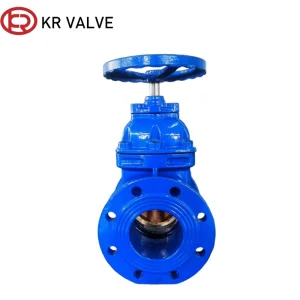
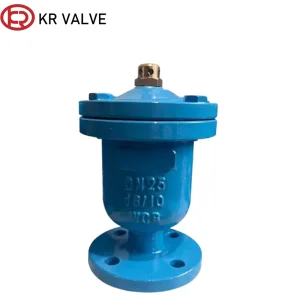
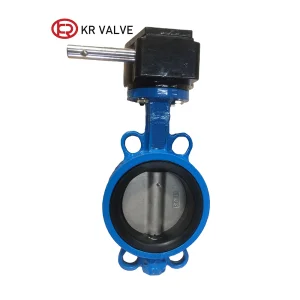
Engineered for high reliability, backflow prevention, and minimal maintenance across Finnish industrial sectors.
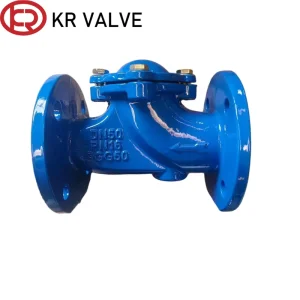
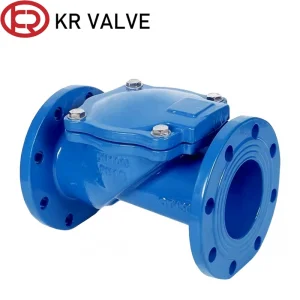
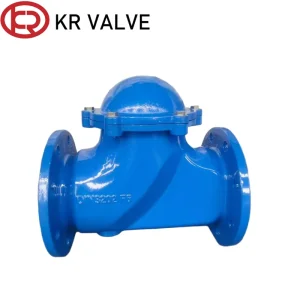
Ball type check valves (also referred to as ball non-return valves) utilize a clean and effective operating design. Unlike traditional swing-type check valves that rely on complex mechanical hinges, pins, and external weights to function, a ball check valve relies on a simple free-rolling spherical ball housed within the valve body. As flow enters the valve, the ball is lifted from its seat into an offset guide chamber. This structure ensures a fully unobstructed fluid path, which reduces frictional resistance and system head loss.
When the forward flow stops or when fluid starts to flow backward, the combined forces of gravity and backpressure drive the ball back down onto its seat. This design is highly effective at preventing fluid backflow. The ball's constant movement and rotation also prevent debris or media buildup on its surface, making it self-cleaning. Because of this, ball check valves are widely used in critical industrial applications, including high-viscosity wastewater plants, slurries, and municipal piping.
| Valve Component | Standard Material Matrix | Nordic Application Relevance |
|---|---|---|
| Valve Body | Ductile Iron (GGG40/GGG50), WCB, Stainless Steel SS304/SS316 | Withstands extreme thermal shifts down to -40°C in Finnish winters. |
| Rolling Ball Core | Aluminum/Carbon Steel Core encapsulated with EPDM, NBR, or FKM | Provides reliable chemical resistance against pulping fluids and wastewater media. |
| Seat Design | Resilient Integral EPDM soft seal / Metallic hard seal options | Ensures bubble-tight shutoff (zero leakage) even under low backpressure. |
| Bolts & Fasteners | Stainless Steel A2-70 / A4-80 (SS304/SS316) | Resists corrosion from atmospheric moisture and road salt runoff. |
Finland's climate poses distinct challenges for industrial fluid infrastructure. Facilities operating in northern cities like Oulu or Lapland face extreme sub-zero temperatures, sometimes dropping below -40°C. In these environments, standard water and municipal wastewater treatment pipelines are vulnerable to ice formation, thermal contraction, and mechanical stress. Check valves must operate reliably through these temperature shifts without structural cracking or elastomer seal degradation.
Additionally, Finland is a global leader in pulp, paper, and paperboard production. Process lines at these mills handle corrosive liquors, cellulose fibers, and acidic slurries that can quickly wear down standard valves. By using high-performance ductile iron (GGG40) and specialized EPDM elastomers, our ball check valves help prevent issues like clogging and premature wear, ensuring reliable performance in demanding Finnish industrial environments.
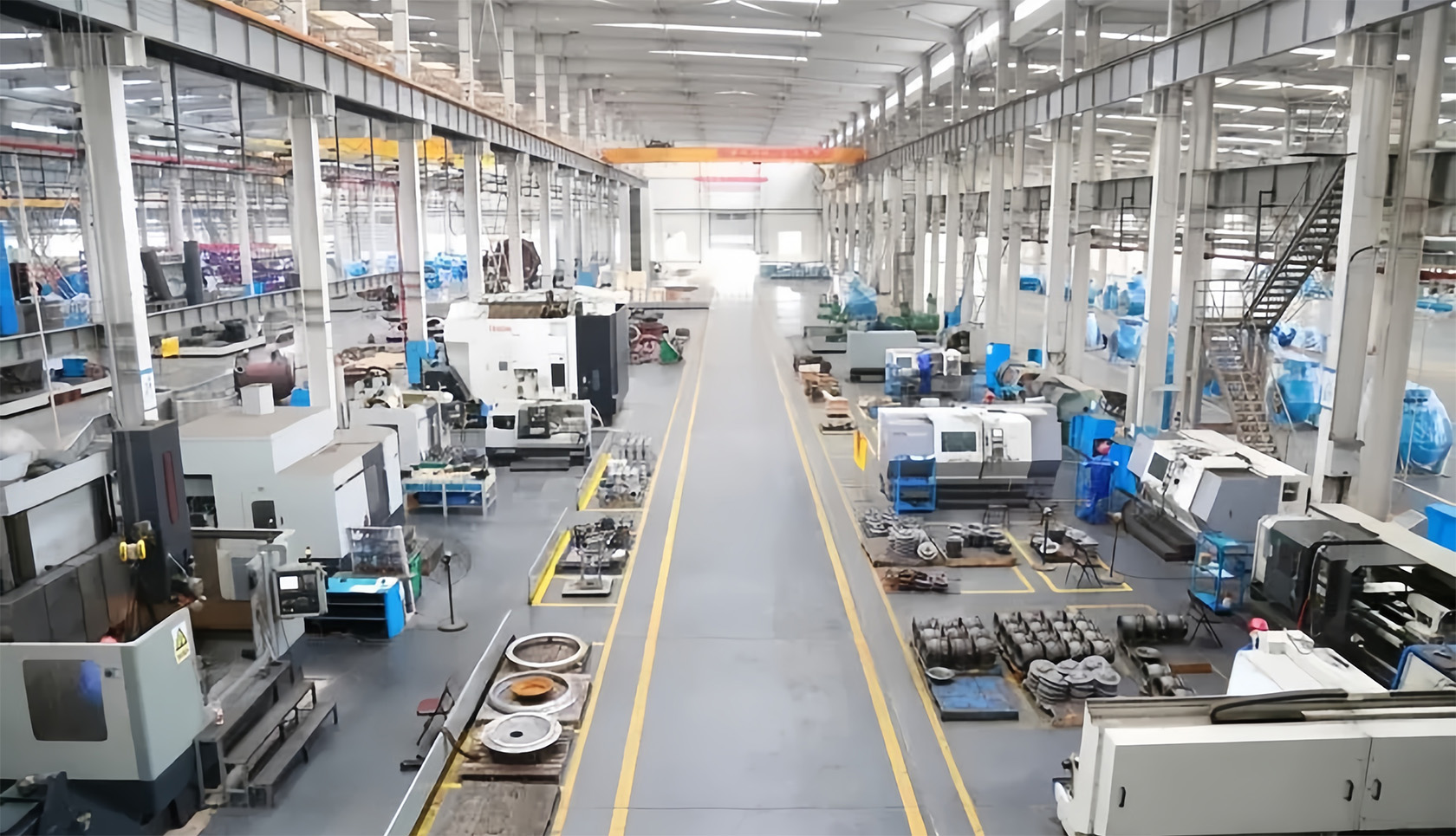
We combine manufacturing scale with strict quality testing to ensure every valve performs reliably under tough field conditions.
Our dedicated R&D department uses modern simulation tools to optimize flow paths and design custom, non-standard valves that meet specific customer requirements.
We manufacture under ISO-9001 certification with more than 30 modern machining setups, ensuring consistent product tolerances and high quality.
We test every single valve for pressure shell integrity and seal tightness before dispatch, targeting zero leakage to protect your process systems.
Managing cost-efficiency while maintaining local technical support is a common challenge for European industrial distributors. KR Valve balances these needs by manufacturing at high volume in our core facilities while providing dedicated support tailored to the Finnish market. We supply products to over 50 countries, giving us a broad view of international design standards and materials performance.
For Finnish distributors, EPC contracting firms, and municipal engineers, we supply valves that conform to European standards such as EN 12050-4 and EN 1092-2 (PN10/PN16 flange drillings). Every valve order is accompanied by comprehensive quality records, including EN 10204 Type 3.1 material test certificates and hydraulic test protocols, ensuring compliance with local regulatory standards.
Choosing the right valves depends heavily on your system's design and operating conditions. Ball check valves are highly effective in several demanding applications across Finland:
Municipal sludge contains solid debris, organic waste, and abrasive particles. In these systems, traditional check valves with internal hinges or swing discs are highly prone to clogging, which leads to backflow and system failures. The open chamber of a ball check valve allows solids to pass through without catching. The rolling action of the EPDM-lined ball also keeps the seat clear of build-up, ensuring a tight seal when closed.
Finnish pulp and paper mills generate abrasive, chemical-heavy wastewater. Using low-grade check valves in these environments can quickly lead to seat erosion and leakage. We offer ball check valves with cast stainless steel (SS316) bodies and chemical-resistant NBR/FKM elastomers. These materials handle aggressive chemical environments, helping mills minimize unplanned downtime.
Mining sites in Northern Finland handle groundwater containing heavy rock grit and mineral residues. Check valves in these systems face high pressure and abrasive wear. To meet these demands, we provide check valves made from high-strength ductile iron (GGG50) and equipped with thick polyurethane-coated balls, which offer excellent wear resistance.
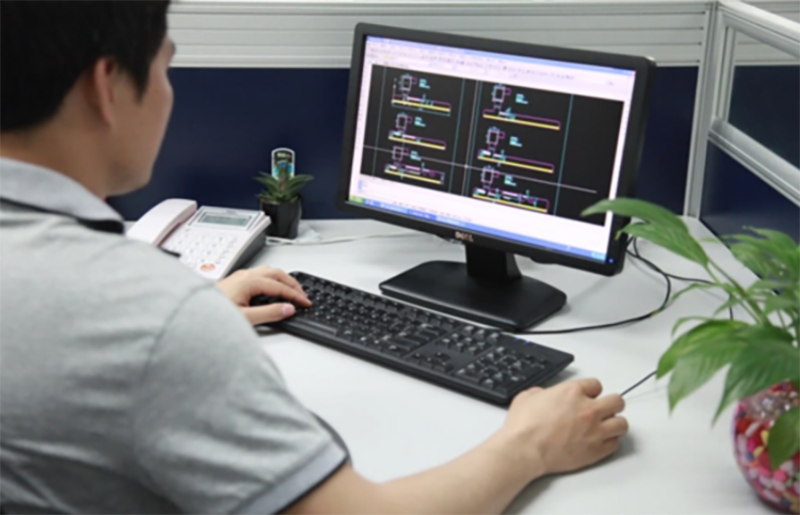
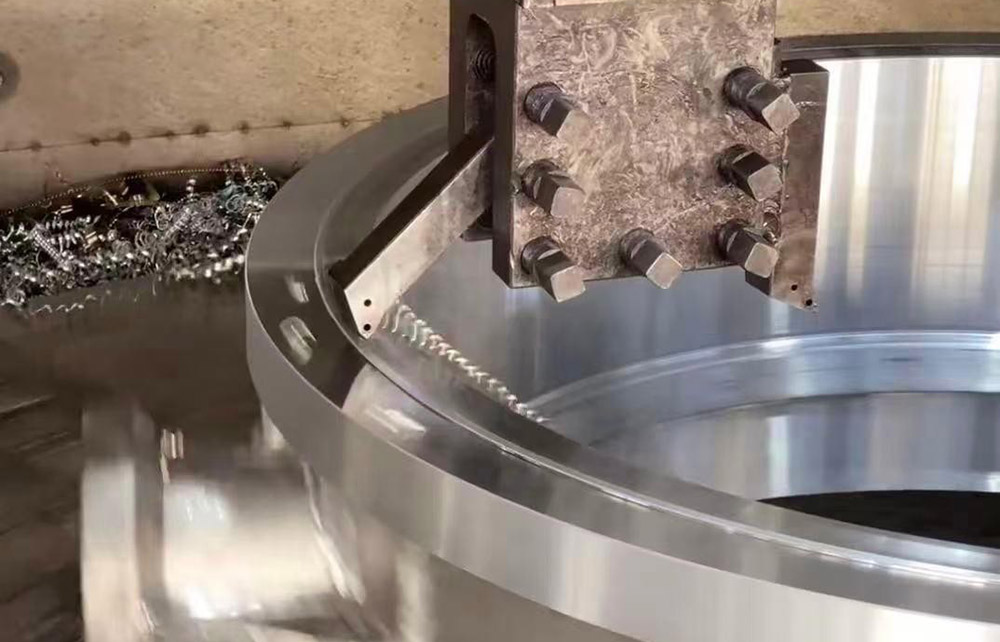
Providing end-to-end design, manufacturing, and quality assurance services for reliable long-term operations.
We sell under our independent "KR" brand and provide complete OEM services, including custom casting logos and private labeling, for distributors across Europe.
Our workshop is equipped with 15 precision machining stations, manual and semi-automated assembly lines, and experienced operators to keep orders on schedule.
We manufacture 20 core product series and over 500 valve types, including butterfly, gate, check, and water control valves, ensuring you find the right model for your application.
We monitor every step of production, from the raw casting to the final assembly, testing each valve to ensure it meets international quality standards.
By handling casting, machining, assembly, and testing in-house, we keep production costs down and pass the savings on to our customers.
Our sales and engineering teams offer pre-sales consulting and post-purchase support, helping you choose the right valve and solve installation issues quickly.
Designing an efficient ball check valve requires finding the right balance between the weight of the rolling ball and the path of the flowing fluid. If the ball is too heavy, the valve requires higher pressure to open (cracking pressure), which increases energy use and restricts flow. If the ball is too light, it may not settle back onto its seat fast enough when flow stops, which can lead to backflow and water hammer issues.
To solve this, our design team uses 3D modeling and flow analysis to shape the valve chamber. This ensures the ball is pushed completely out of the flow stream during operation, leaving a clear path. We also adjust the weight and size of the ball for different installation types. For example, vertical pipelines require a heavier ball to ensure quick, gravity-assisted closing, while horizontal systems benefit from a lighter ball to reduce cracking pressure.
The hardness of the elastomer coating on the ball is critical for reliable sealing and long service life. A coating that is too soft (under 60 Shore A) can wear down quickly or get wedged into the valve seat under high pressure. A coating that is too hard (over 85 Shore A) may not seal tightly when there are small particles in the fluid, leading to leaks. We balance this by using a standard 70 to 75 Shore A durometer hardness for our EPDM and NBR elastomer coverings, providing the right mix of durability and sealing flexibility.
Our valves are used in water treatment, dam construction, municipal networks, and chemical plants worldwide.
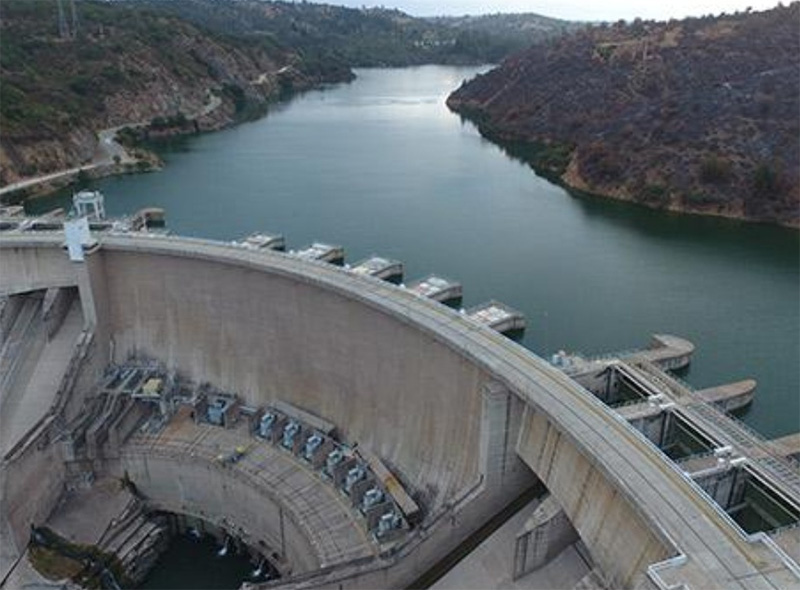
Water Control Valves for Regional Dam Project in South America
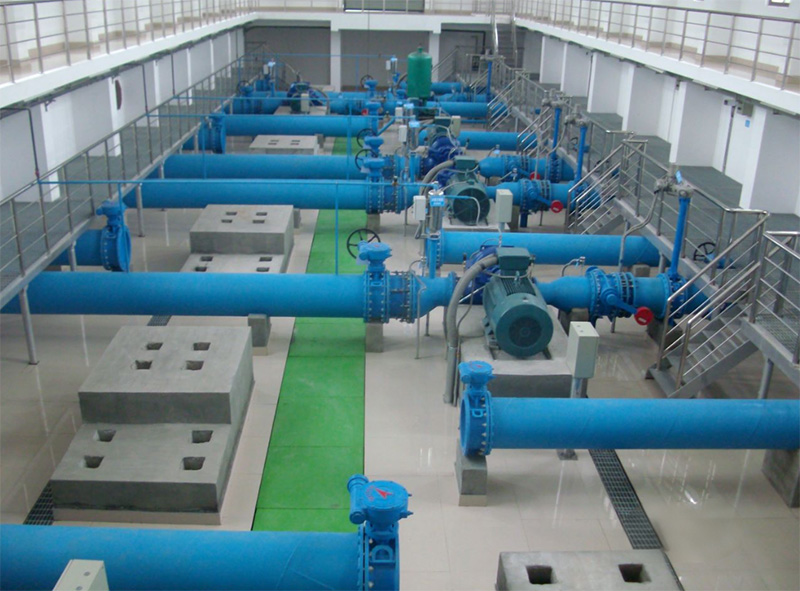
Large Size Butterfly and Check Valves for Municipal Waterworks in Italy
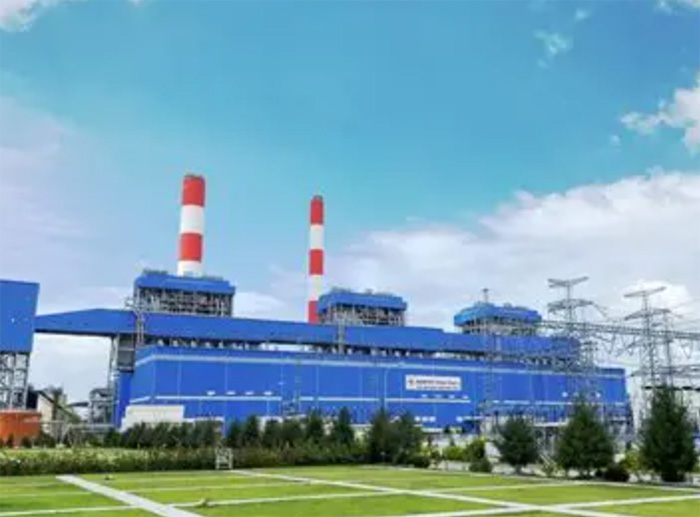
Corrosion-Resistant Industrial Valves for Acid Processing Lines in Southeast Asia
Expert answers to common engineering, installation, and maintenance questions.
A comprehensive range of industrial valves built to international standards for diverse system requirements.
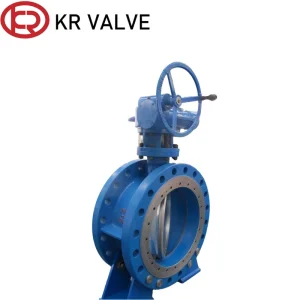
 KR VAVLE