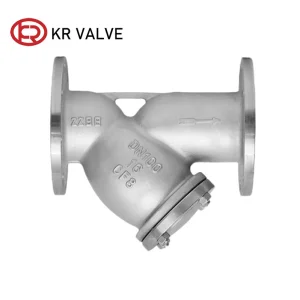
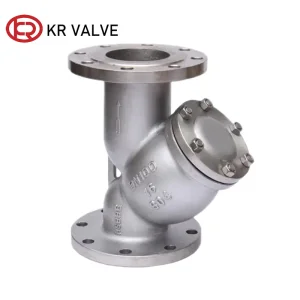
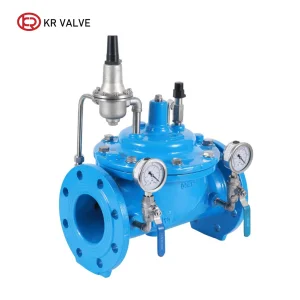
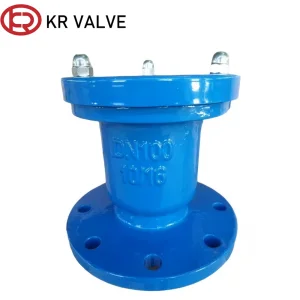
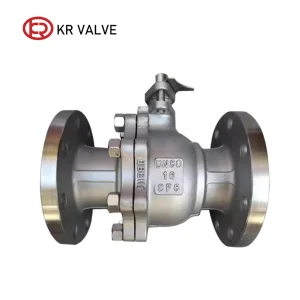
Engineered to withstand abrasive desert minerals and high-velocity flows. Direct factory selection.
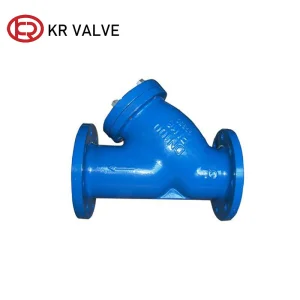
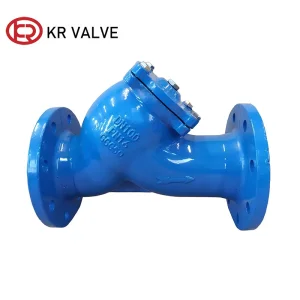
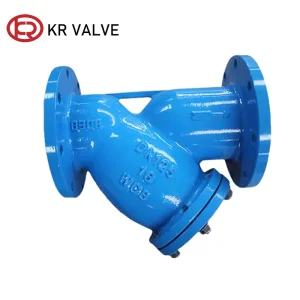
A Comprehensive Technical Report on Fluid Dynamics, Material Selection, and Heavy Industry Safety Standards
Namibia presents a highly challenging geographical and environmental profile for fluid logistics and pipeline operations. Being the driest sub-Saharan country, its water management infrastructure relies heavily on advanced filtration systems. Major mining projects—such as the massive Husab and Rössing Uranium Mines—and critical municipal supply links managed by NamWater are under constant risk from silt, sand, and particulate minerals.
In coastal industrial clusters like Walvis Bay and Swakopmund, the desalination plants supplying clean water to the interior are exposed to highly corrosive marine mist and raw saline water. Implementing high-efficiency Y-strainers is crucial to protecting high-pressure desalination pumps, pneumatic control valves, and downstream municipal piping from premature abrasive wear and scale buildup.
A Y-strainer is not merely a static mesh chamber. In complex hydraulic applications, fluid dynamic variables dictate efficiency. The pressure drop (ΔP) across the filter basket directly affects pump energy consumption. Our custom designs leverage a 3:1 or 4:1 open-area ratio relative to the nominal pipe size, minimizing cavitation and maximizing debris collection capacity between cleanings.
Furthermore, material integrity is paramount. While standard Ductile Iron GGG40 performs reliably in municipal water grids, mining operations handling saline slurries or acidic process fluids require heavy-duty cast steel (WCB) or austenitic stainless steel (CF8/CF8M). Our metallurgical testing guarantees zero pitting and excellent resistance to hydrogen embrittlement.
When supplying valves and strainers to Namibia, aligning with both global specifications and Southern African local requirements is key. Our engineering standards adhere directly to ASME B16.34 for pressure boundaries, EN 1092-2 for European flanged connections, and compatibility with South African National Standards (SANS) criteria. By certifying each component via rigorous pneumatic and hydrostatic pressure testing, we assure the reliability needed to prevent costly operational downtime in remote interior sites.
Industrial Excellence and Custom Valve Engineering Since 2004
KR Valve Group has accumulated more than 20 years of experience in producing standard and non-standard valves of various types. We supply a wide selection of over 500 valve products, including butterfly valves, gate valves, check valves, water control valves, as well as all their matching and accessory products. These products are critical to water treatment, dam construction, commercial buildings, energy and heating, chemical engineering, and mineral processing.
Beyond product excellence, we are dedicated to creating mutually beneficial partnerships with every customer. We believe that reliable service is as crucial as superior products, and we strive to continuously optimize the customer experience to achieve long-term win-win cooperation. Today, our products are deployed across the globe, providing reliable fluid control to thousands of projects.
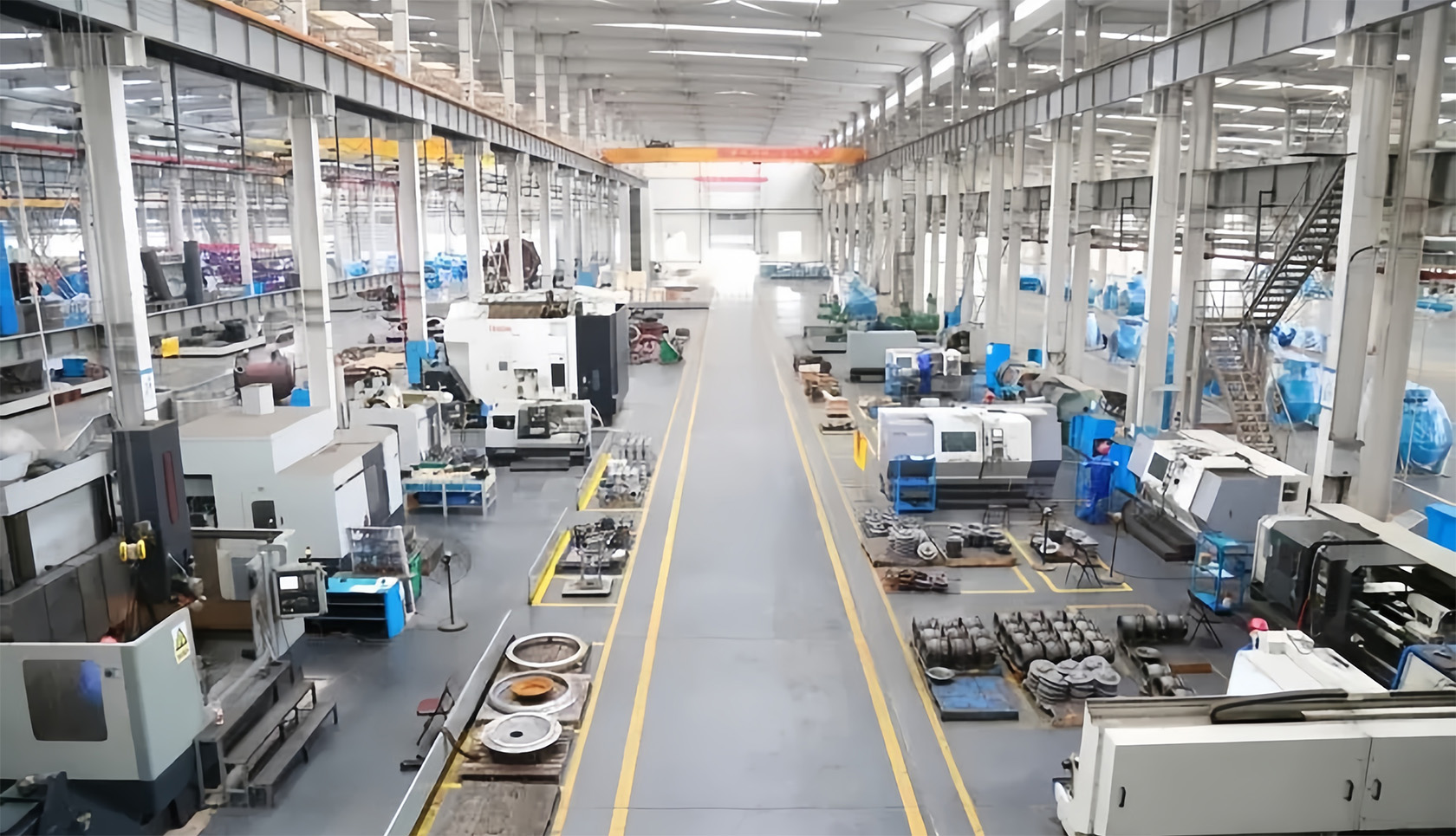
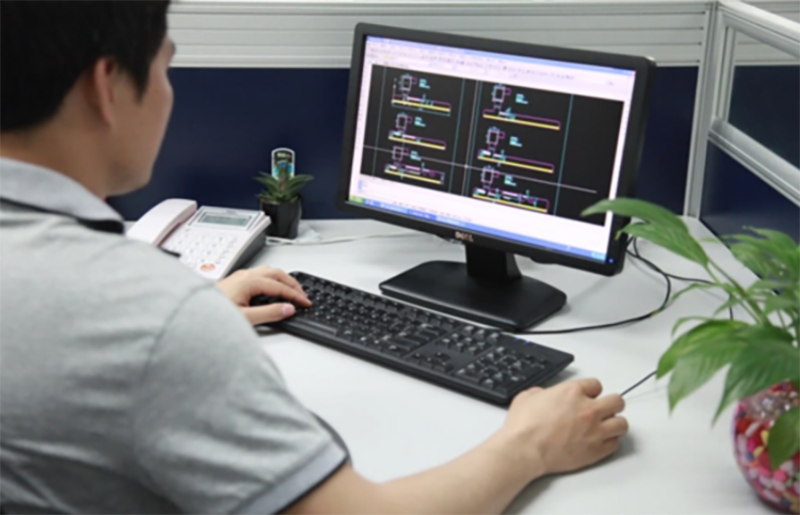
Our technicians continuously develop products that meet customer and market requirements. Our lab provides extensive modern testing capabilities to elevate product performance. We have 20 series and over 500 varieties of products.
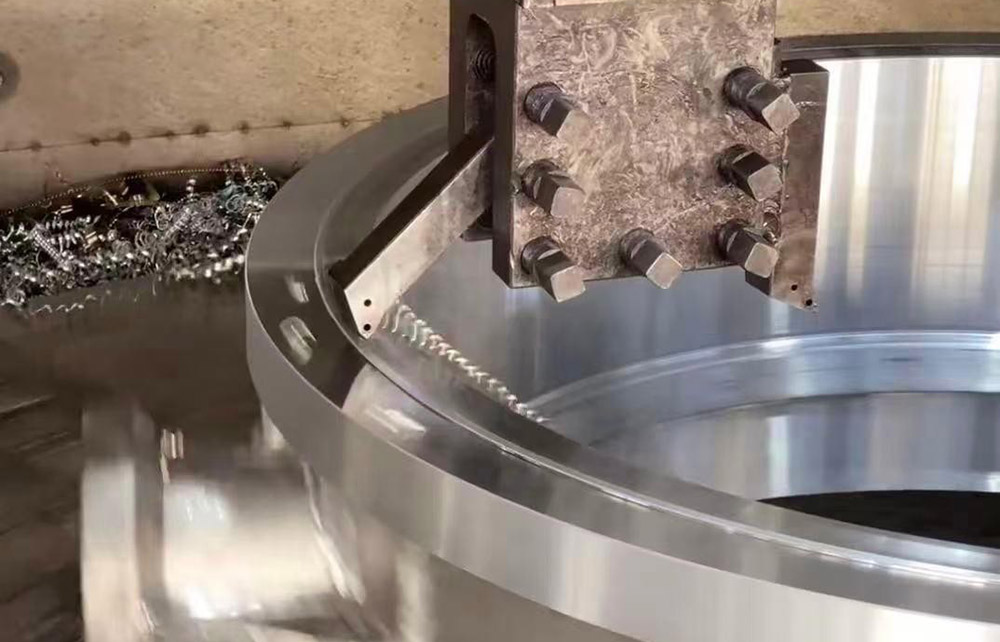
Products are manufactured under strict supervision in accordance with the ISO-9001 quality management system. We operate over 30 advanced production lines and update inventory monthly to ensure timely shipping.
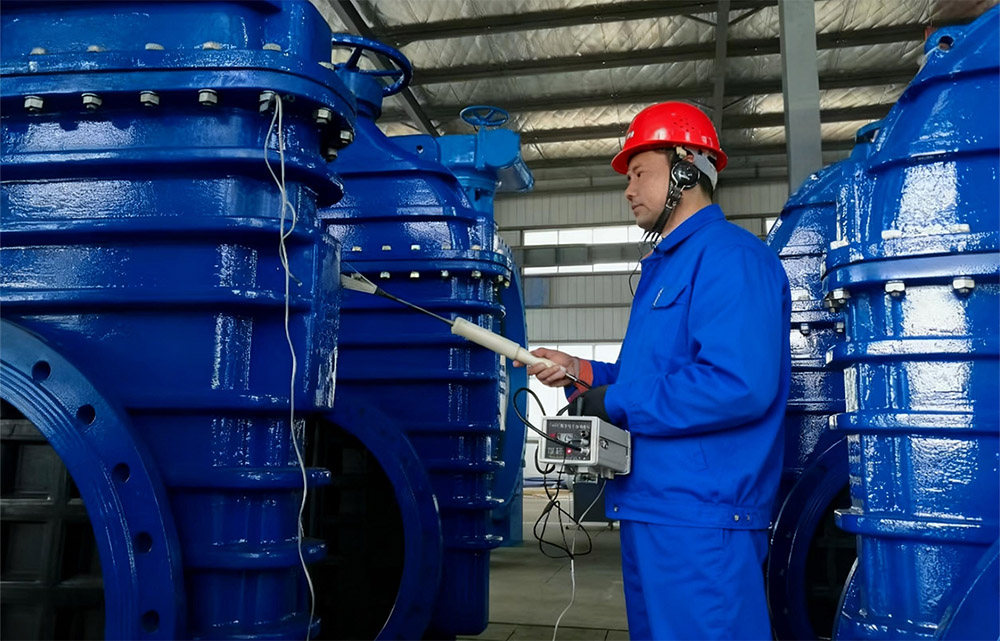
Zero leakage is our primary principle. In compliance with international standards, we execute comprehensive pressure and dimensional testing on 100% of finished products, issuing standardized inspection reports.
Providing OEM flexibility, strict quality assurance, and direct technical consultations
We supply products under our own registered brand 'KR' and provide custom OEM solutions for many global water engineering brands.
With 15 heavy-duty machining centers and state-of-the-art assembly lines, our experienced workforce executes high-precision tolerances.
We manufacture 20 core series and over 500 configurations, supplying standard or customized designs to match precise project demands.
From raw material cast testing to final packing, each step is monitored to guarantee flawless valve seal integrity.
By managing our entire casting and machining process in-house, we offer competitive rates without compromising structural safety.
Our dedicated engineering group provides 24-hour rapid technical advice to handle queries on sizing, mesh calculation, and installation.

Demonstrated reliability under challenging pressure environments, mining slurries, and municipal treatment lines
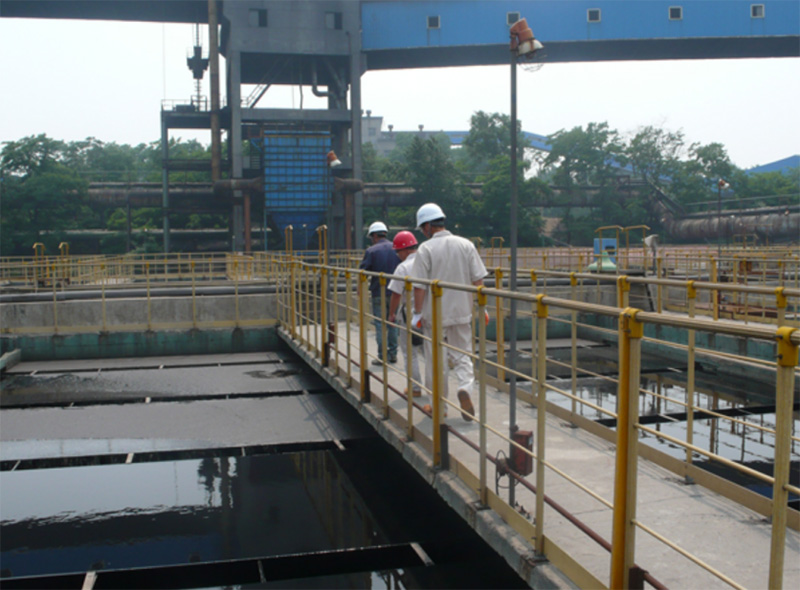
KR supplied various specialized water control valves and y-strainers to manage suspended organic solids and protect high-pressure reverse osmosis membranes.
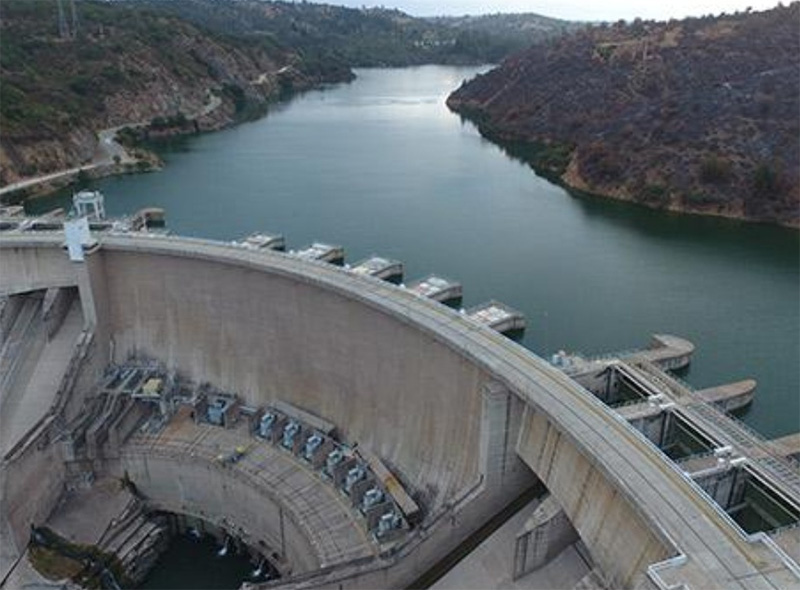
Supplied heavy-duty municipal gate valves, check valves, and high-capacity flanged Y-type strainers to handle silty river flows during seasonal rain collection.
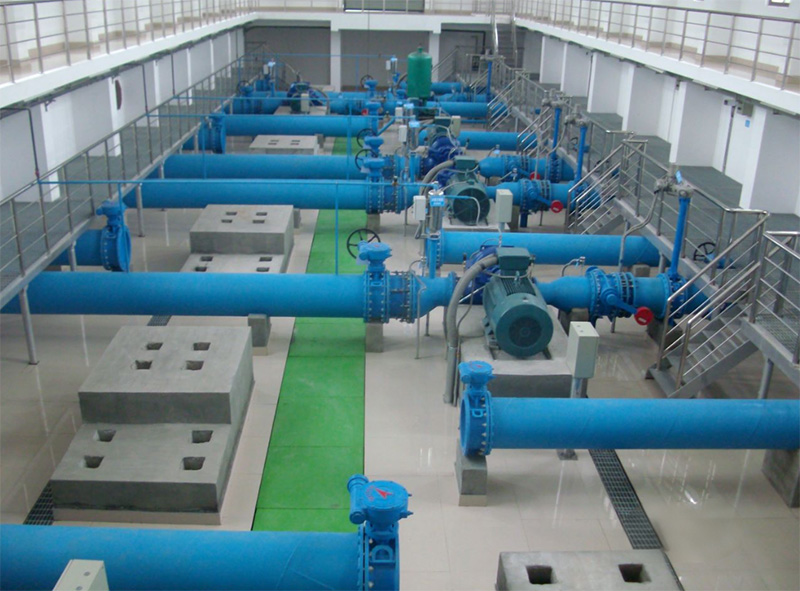
Designed and integrated large-bore double eccentric butterfly valves and cast steel strainers to protect critical cooling systems from river sediment.
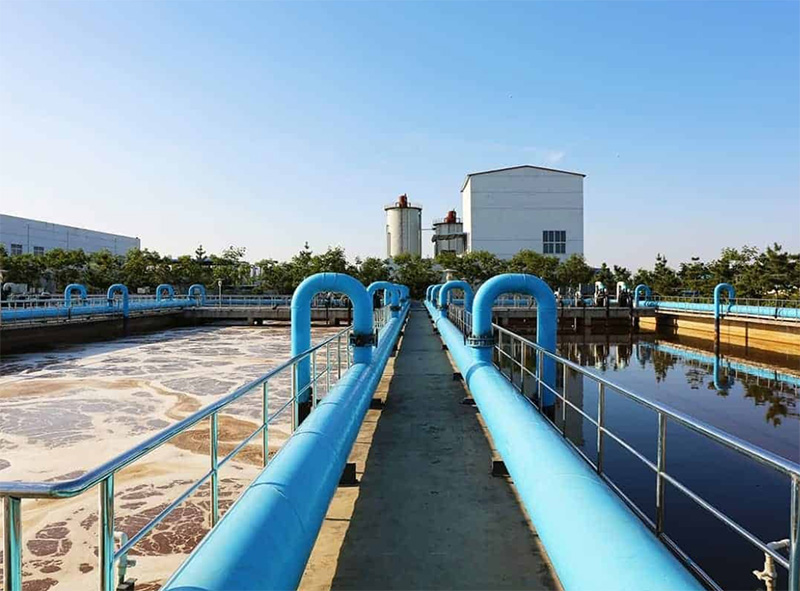
Corrosion-resistant duplex stainless steel strainers and air release valves were delivered to handle highly saline coastal groundwater drainage.
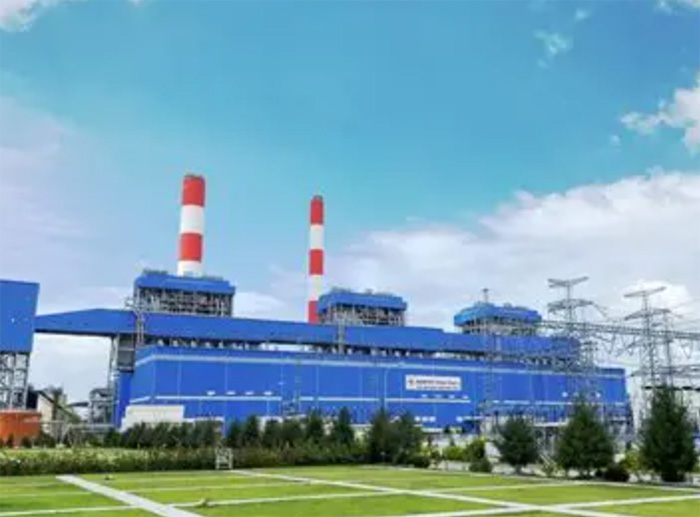
Provision of heavy-duty PTFE-lined valves and CF8M corrosion-resistant strainers for chemical copper and zinc extraction processes.
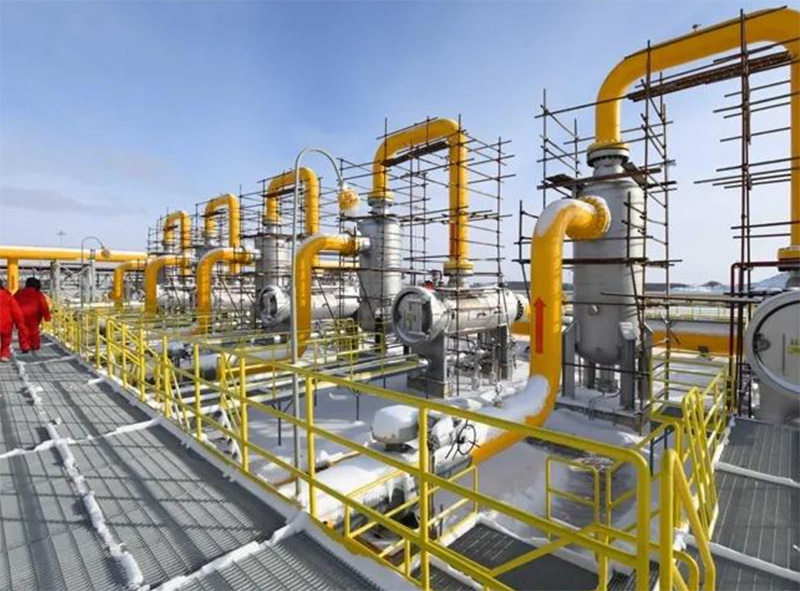
Supplied high-pressure carbon steel (WCB) ball valves and Y-strainers rated for natural gas transmission safety under temperature swings.
Get a direct look into our high-capacity testing lab, valve foundry, and automated coating lines
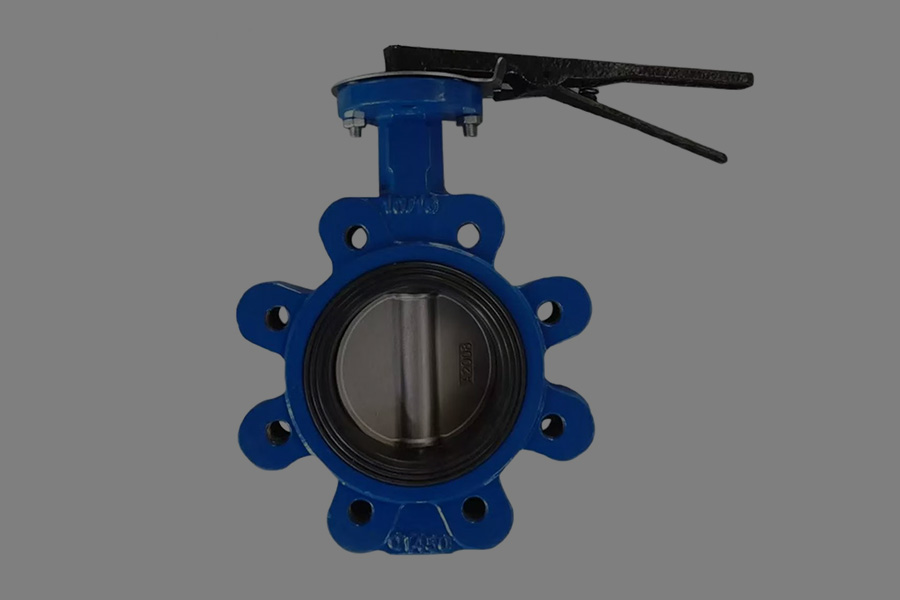
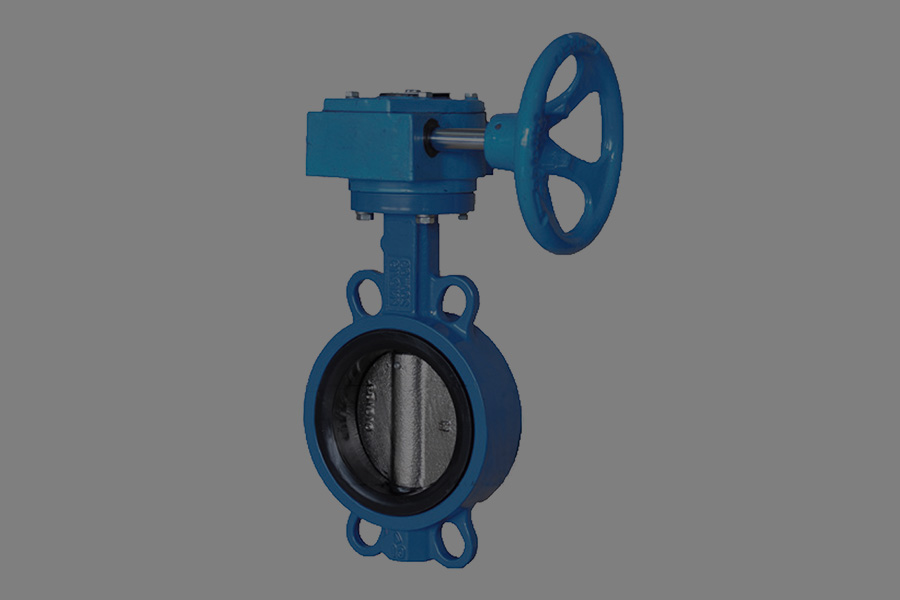
Explore our highly integrated engineering solutions. All items match strict hydraulic compliance parameters.
Integrating Digital Twin validation and advanced telemetry into heavy industrial pipeline setups
Traditional physical prototyping is being replaced by transient fluid analysis. By using CFD simulation software, we model fluid vector velocity fields inside the Y-chamber. This allows us to optimize the body shape, lowering flow resistance coefficients, and minimizing vortex currents that accelerate localized wear.
In remote sites across Namibia (such as desert mining operations), manual maintenance intervals can be highly inefficient. We are actively developing next-generation strainers integrated with high-precision digital differential pressure sensors. These modules communicate directly via LTE-M or LoRaWAN protocols to alert control rooms when screen blockage hits critical thresholds.
Standard maintenance requires depressurizing pipelines, resulting in system downtime. By using automatic blow-off valves linked to the strainer plug port, we enable periodic pressure sweeps that flush out settled grit without stopping production. This keeps fluid loops operating consistently, maximizing throughput.
By capturing large-diameter sediment before it reaches precision check valves, Y-strainers reduce premature valve scrap rates, lowering the total carbon footprint of heavy metal mining extraction in Namibia.
Explore Carbon Steel Series →Expert engineering insights regarding installation, material selection, and maintenance in Namibia
Get in touch with our team today to request a custom material selection report, technical sizing calculations, or a competitive quote.
Send Inquiry Now KR VAVLE