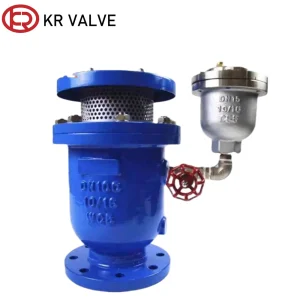
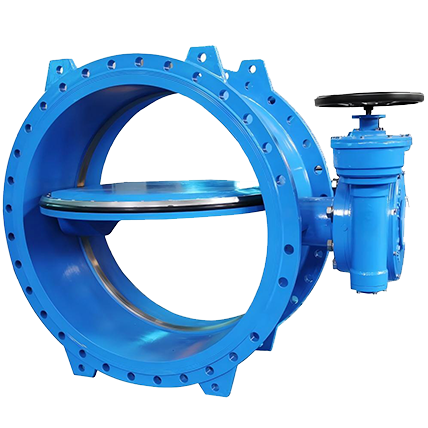
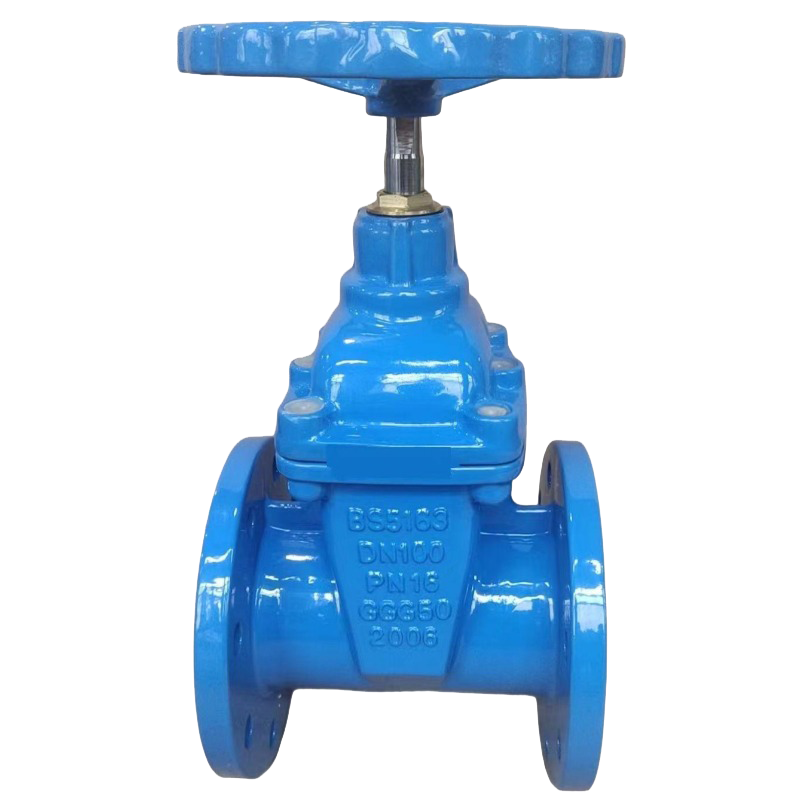
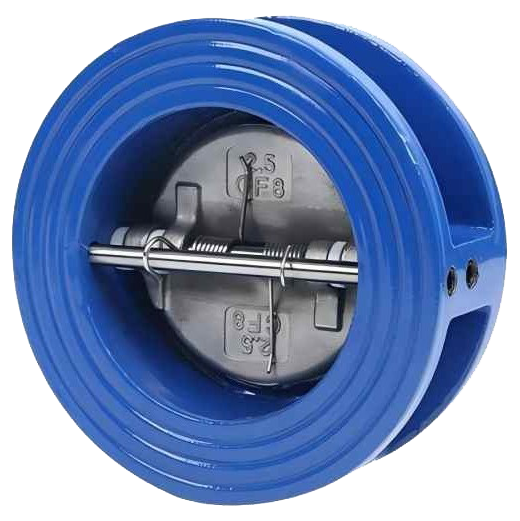
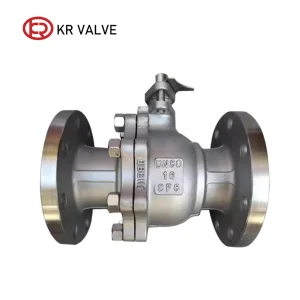
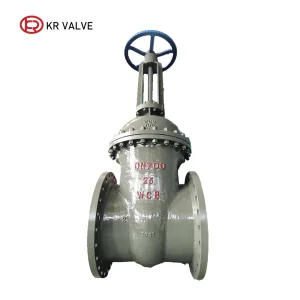
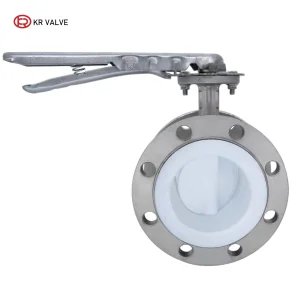
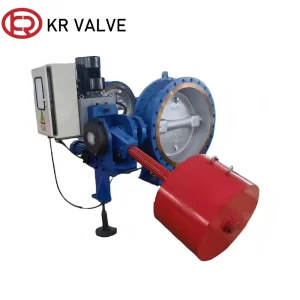
Explore our engineering range including industrial-grade butterfly valves, gate valves, and flow regulation devices.
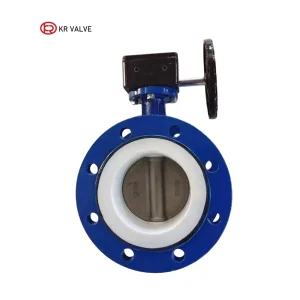
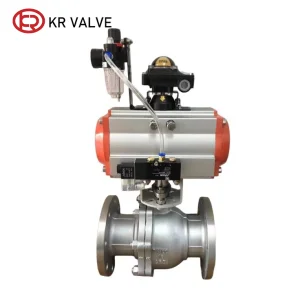
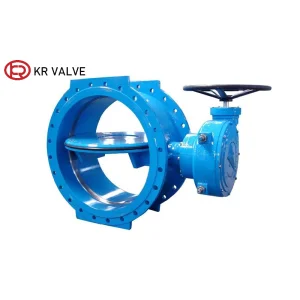
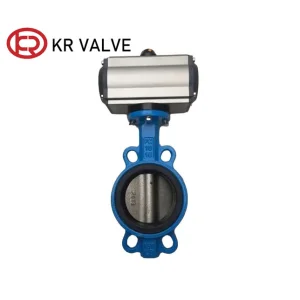
In modern industrial process systems, the transport of highly dense, abrasive, and corrosive media demands flow control solutions that transcend standard gate designs. A **Flange Knife Gate Valve** is specifically engineered to handle high-solids-content slurries, viscous pulps, dry powders, and municipal wastewater. Unlike traditional gate valves, which feature a thick wedge design that can easily get clogged in heavy particulate flow, a knife gate valve utilizes a slender, bevel-edged sliding blade. This blade acts as a dynamic shearing mechanism, slicing through tough materials and ensuring complete, non-obstructive shutoff.
The flanged structural layout provides crucial pipeline structural reinforcement. Solid connection to standard flanges ensures that dynamic pipe stress and thermal expansions do not distort the valve body. For procurement managers, choosing a robust flanged knife gate valve supplier is vital. Material integrity of both the valve housing (typically CF8, CF8M, WCB, or ductile iron) and the gate blade itself directly dictates operational longevity and maintenance cycles.
KR boasts over 20 years of professional experience in manufacturing standard and customized industrial valves. We supply an expansive selection of more than 500 valve designs, including butterfly valves, gate valves, check valves, and water control systems. Our solutions serve vital infrastructure projects such as dam constructions, water filtration networks, heavy chemical complexes, HVAC systems, and marine systems.
We focus on creating sustainable, long-term partnerships with engineering departments globally. Operating under strict quality guidelines and providing meticulous post-sales support, KR products are trusted in over 50 countries, facilitating stable flow control and project optimization.
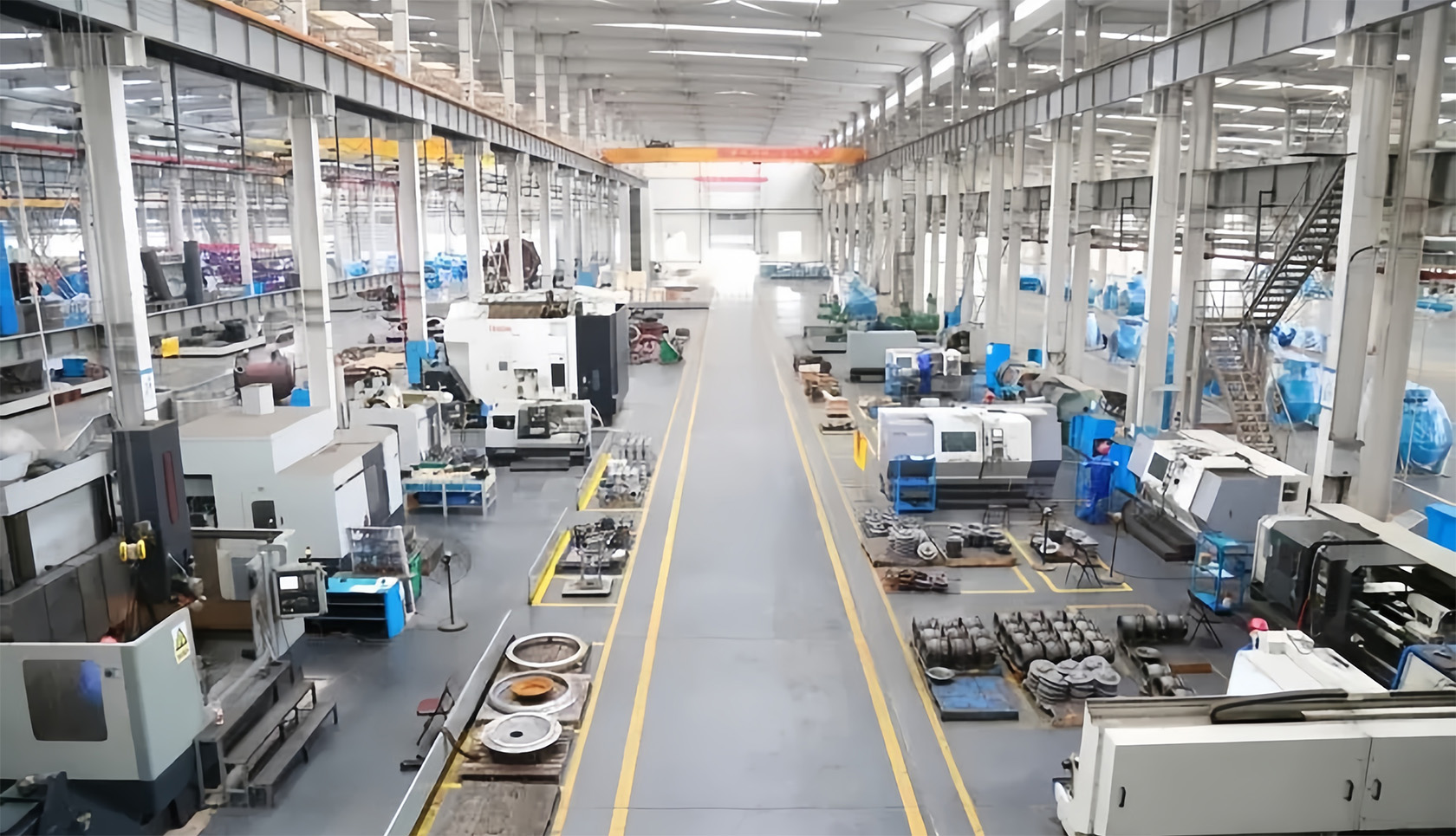
Our commitment to reliable performance relies on our structured approach to Design, Production, and Quality Control.

Our engineering laboratory operates modern modeling tools to optimize flow rates and structural thickness. With 20 distinct series covering customized demands, our focus is minimizing flow turbulence and cavity drag.
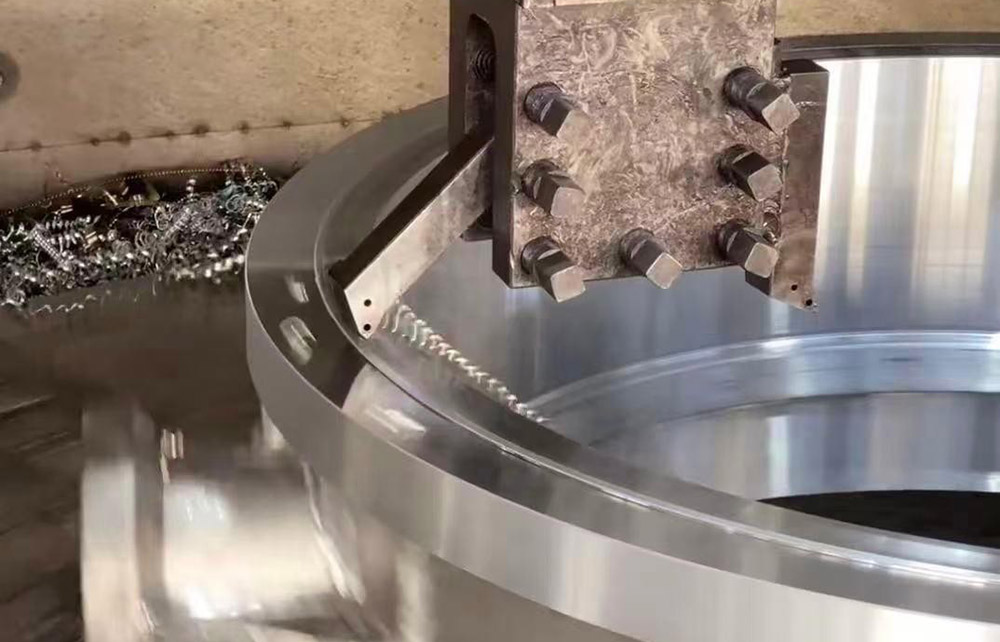
Operating under ISO-9001 quality management, we utilize 15 advanced machining centers and automatic assembly networks. Monthly inventory planning allows us to support fast supply lead-times for major construction projects.
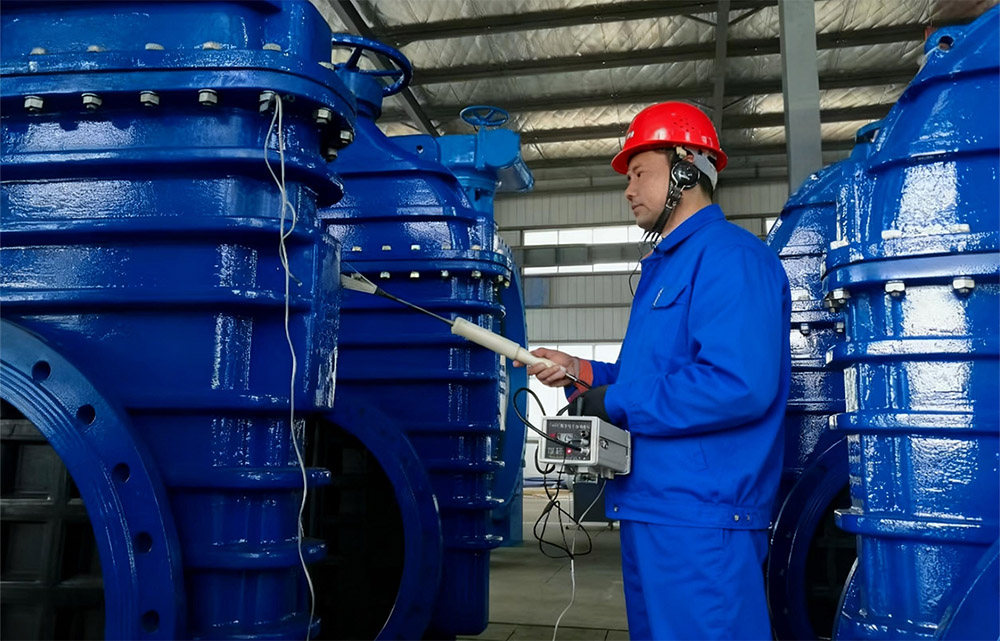
Zero leakage is our fundamental design principle. Each batch is subjected to hydro-static shell and seat tests according to international testing criteria, with full material test report (MTR) documentation provided.
In the procurement of large-scale infrastructure components, China's industrial valve supply chain offers substantial cost-efficiencies and technological integration. For a sophisticated Flange Knife Gate Valve, manufacturing must incorporate precision casting, surface polishing, heat treatment, and assembly automation. By sourcing from a concentrated metallurgy hub in China, factories can secure high-grade raw alloys (such as CF8 stainless steel, CF8M molybdenum steel, and WCB cast steel) with direct traceability from raw ingot to finished valve.
This geographic concentration reduces raw material logistical lead times and keeps production costs highly competitive. We operate 15 precision machining systems and automatic assembly lanes. Managing the entire manufacturing chain internally—from initial mold design and CNC tooling to quality control testing—enables us to pass on savings to international buyers, avoiding high distributor margins while maintaining international technical standards.
Furthermore, this integrated structure supports custom requests. Whether you require specific face-to-face dimensions (such as MSS SP-81 standards or custom lengths for replacement projects), customized flange drillings (ANSI B16.5 Class 150, EN1092-1 PN10/PN16, JIS 10K), or specialized stem extensions for deep-well installations, our localized technical teams can easily adjust machining programs to deliver custom-fit components.
Providing global partners with complete structural customization, brand alignment, and engineering support.
We supply products under our own registered brand 'KR' and support complete OEM services, providing custom plate etching, logo engraving, and private label support for distributors.
Equipped with 15 advanced CNC machining devices and automatic assembly cells, our facility handles complex custom machining requirements for non-standard sizing.
Offering over 20 product series and 500 standard designs, we supply complete turnkey fluid piping solutions, matching valves to required fittings and adapters.
Every single component is evaluated. Our quality inspectors enforce tests from casting validation to final functional seating pressure, preventing defect leakage.
By executing core manufacturing processes under one roof, we eliminate unnecessary steps and offer competitive direct factory pricing models.
Our dedicated engineering department provides design consulting, configuration selection, and post-installation troubleshooting for challenging flow systems.
In specifying knife gate valves for high-demand pipeline systems, structural customizability plays a critical role in preventing operational failures. One of the primary engineering decisions involves selecting the actuation method. Depending on the level of automation and the layout of the installation, several systems can be utilized:
Equally critical is the selection of sealing seats. Resilient elastomers (like EPDM, NBR, and Viton) offer bubble-tight shutoff for liquid lines, but can rapidly degrade in highly abrasive environments. For these applications, metal-to-metal seating using hardened stainless steel (such as Stellite overlays or 316SS with carbide treatments) provides the required durability, although it may exhibit a minor allowable leakage rate. In chemical environments with corrosive chemicals, a full PTFE or FEP liner is required to shield the core metal from chemical attack.
Take a virtual look inside our testing facilities and heavy machinery lines to witness our manufacturing and inspection steps.
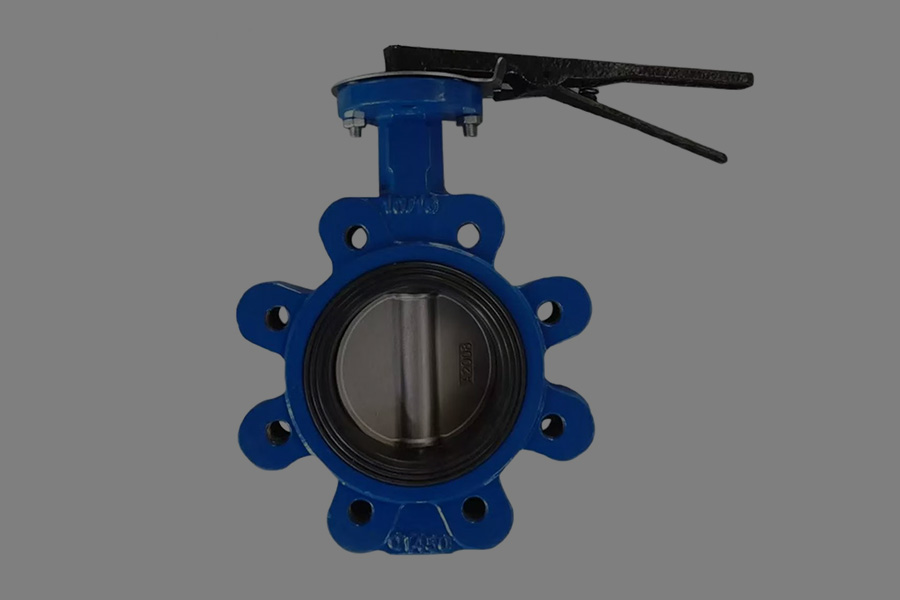
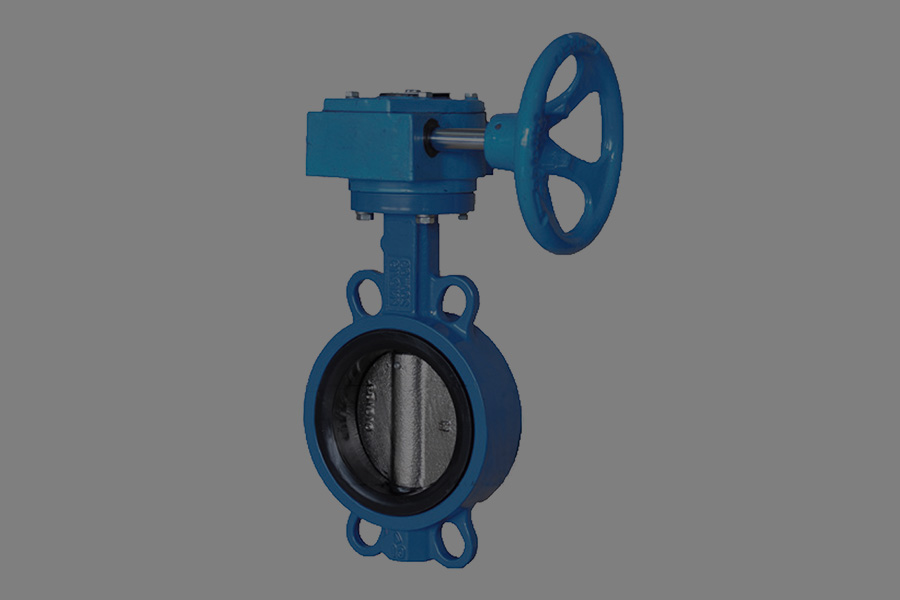
In global industrial engineering, compliance with local regulations and regional specifications is essential for project approvals. Operating without these certifications can lead to significant construction delays and legal liabilities. Our team supports engineering firms and distributors by maintaining a comprehensive matrix of international certifications:
Additionally, we provide localized engineering documentation. This includes detailed 2D CAD layouts, 3D STEP files for system integration, and chemical compliance reports. By supplying localized technical files directly to engineering offices, we help streamline the project sign-off and commission stages.
KR valves have been successfully deployed in diverse municipal and industrial flow operations worldwide.
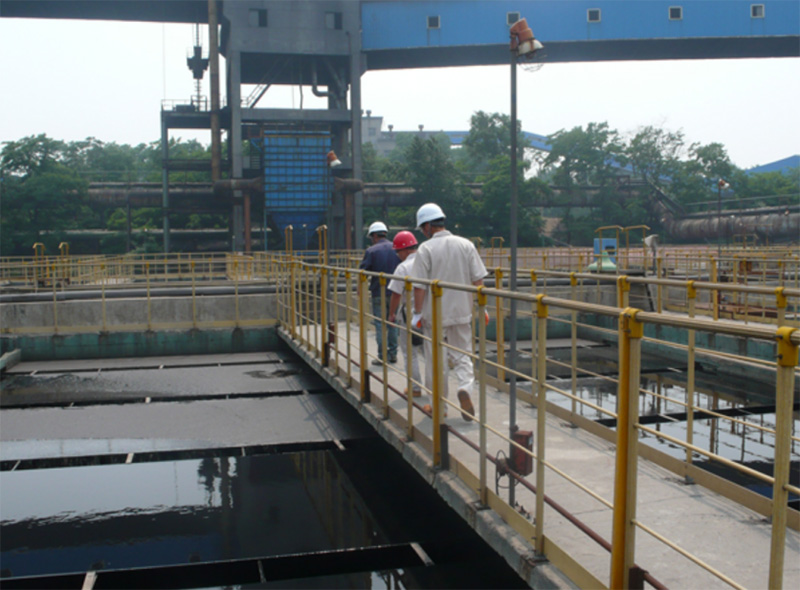
Ensuring highly durable wastewater handling, preventing particulate build-up and keeping maintenance cycles minimal.
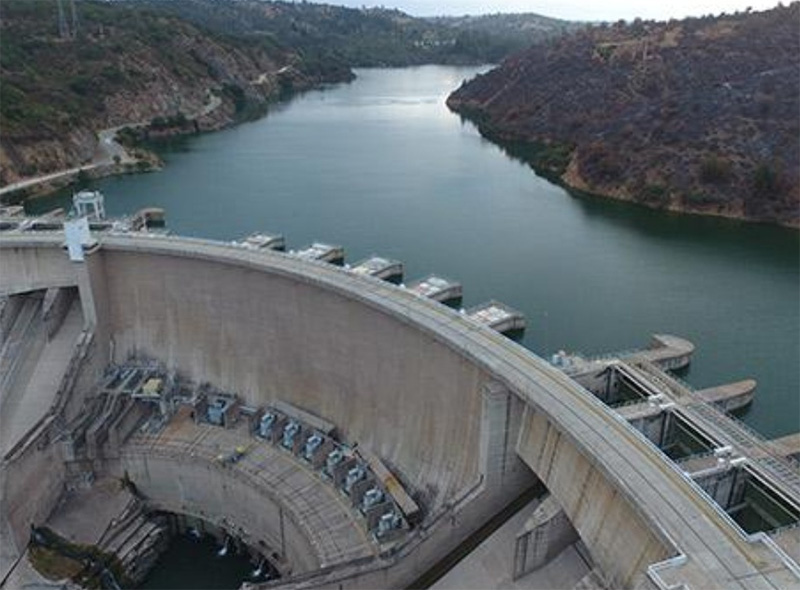
Providing heavy-duty, high-pressure resilient sealing components for primary diversion systems.
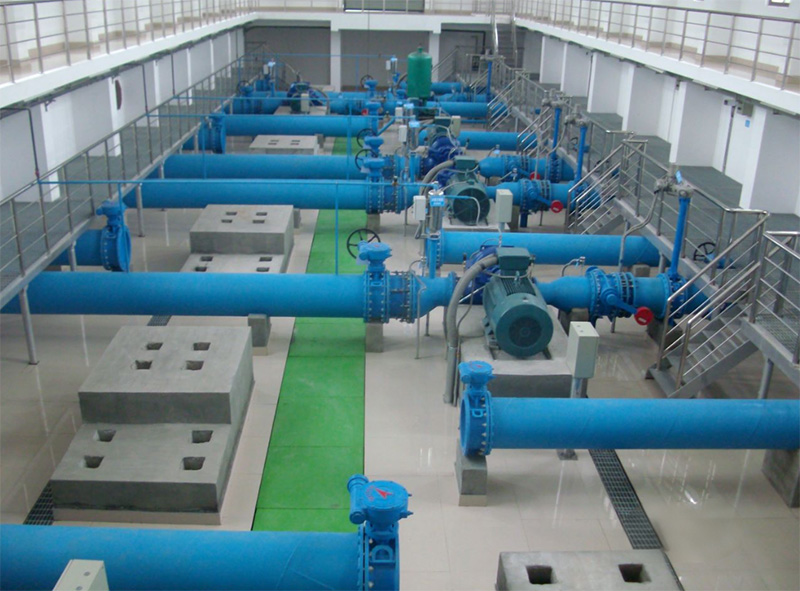
Enabling stable, large-capacity municipal water distribution networks with zero pressure drops.
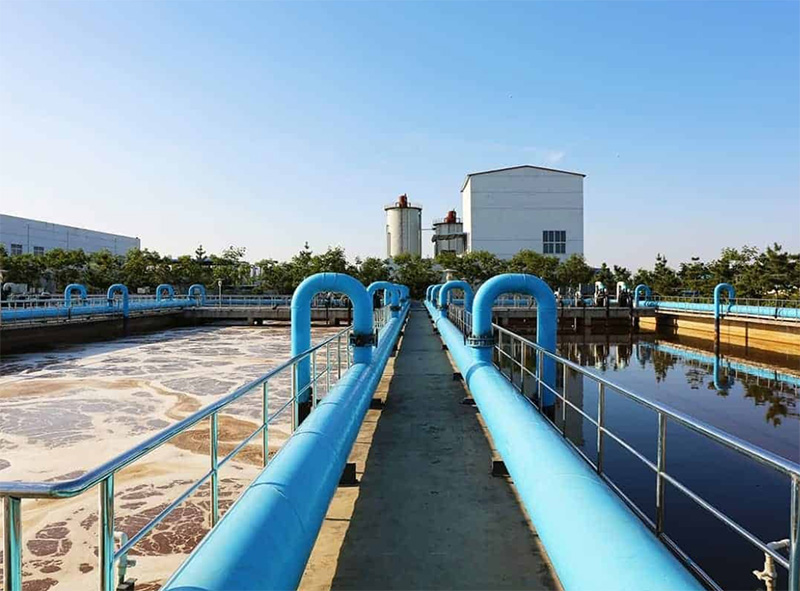
Designed to slice through high-density organic solids and thick fibrous residues without clogging.
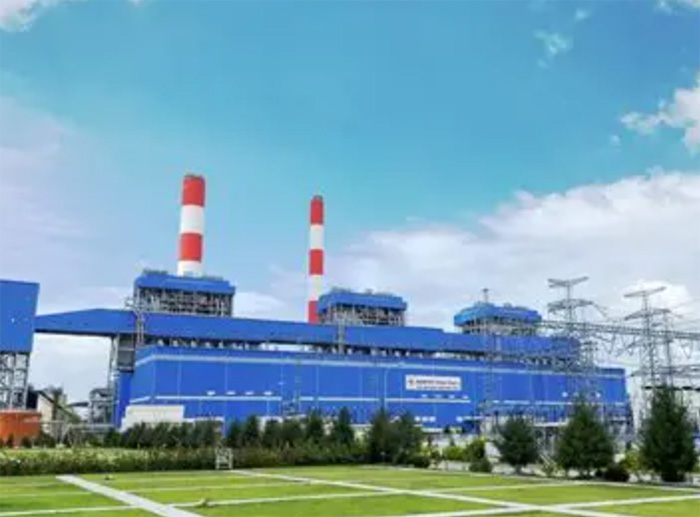
Utilizing specialized PTFE liners and premium grade stainless body castings to handle aggressive media.
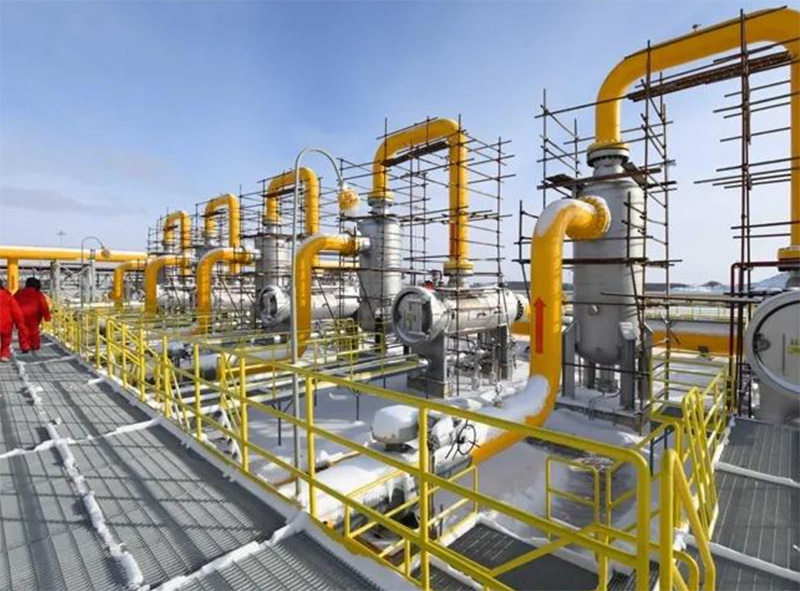
Engineered to maintain strict pressure integrity and bubble-tight shutoff in sub-zero operational climates.
The global industrial valve sector is seeing rapid innovation driven by automation, material science, and predictive maintenance requirements. In the domain of knife gate valve engineering, several trends are reshaping the market:
1. Smart Valve Positioning & IoT Diagnostics: Plant operators are shifting from manual scheduling to predictive maintenance. Modern pneumatic and electric knife gate valves are increasingly paired with smart positioners and IoT sensor arrays. These sensors monitor structural vibration, stem torque, and pressure differentials. This real-time data allows operators to identify seat wear or packing leaks before a catastrophic failure occurs, reducing unexpected plant downtime.
2. High-Performance Coating Tech: Traditional stainless-steel gates often experience accelerated wear in highly abrasive mining and tailings lines. The latest trend involves applying advanced surface treatments, such as tungsten carbide, stellite, or chromium plating, to the knife edge. These coatings provide excellent scratch resistance and hardness, allowing the valve to maintain a clean seal even when handling quartz sand, slurry, or cement powders.
3. Low-Emission Gland Packing: With stricter global environmental standards, preventing fugitive emissions along the valve stem has become a priority. Manufacturers are redesigning stuffing boxes, replacing traditional packing cords with live-loaded packing glands using spring washers. This maintains constant pressure on the PTFE or graphite packing rings, preventing leakage during high-frequency cycling.
Critical engineering considerations, installation protocols, and material selection criteria for knife gate systems.
A structured collection of gate, butterfly, water control, and specialized pipeline valves.
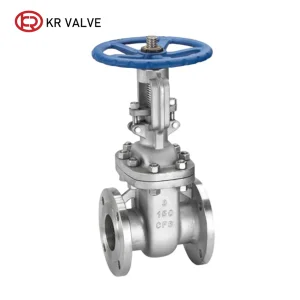
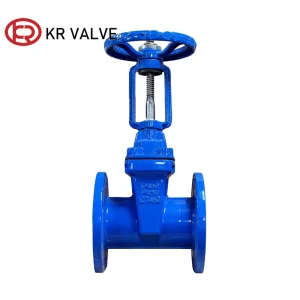
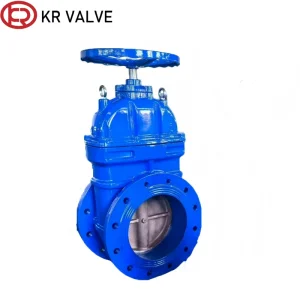
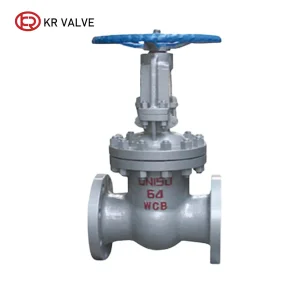
Get in touch with our engineering and procurement support team today for custom dimensions, CAD model sheets, or a complete project quotation.
Contact KR Valve Team KR VAVLE