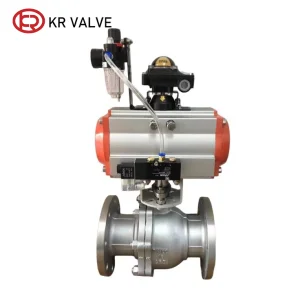
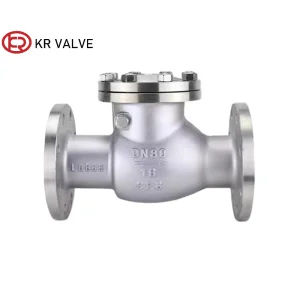
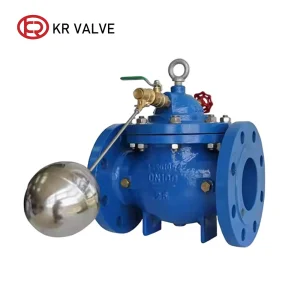
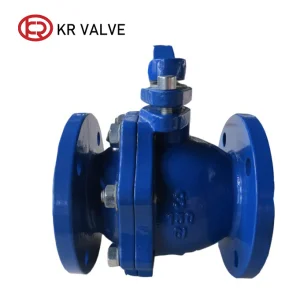
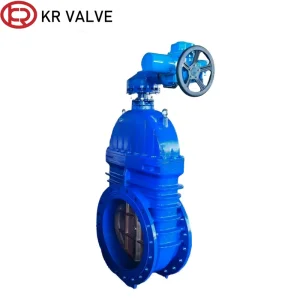
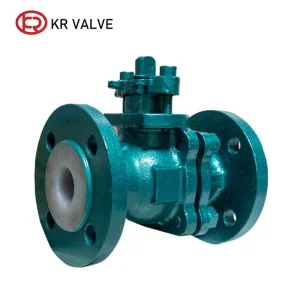
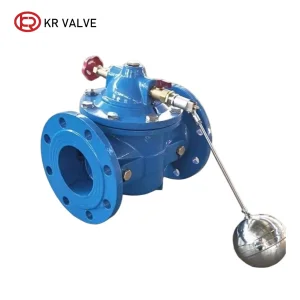
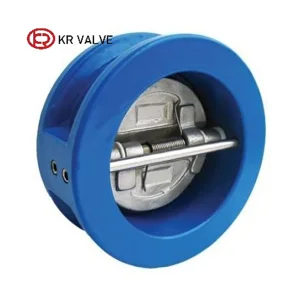
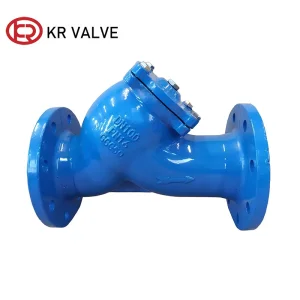
Explore our industrial line of robust check valves, strainers, and automated flow regulators optimized for structural durability and high pressure stability.
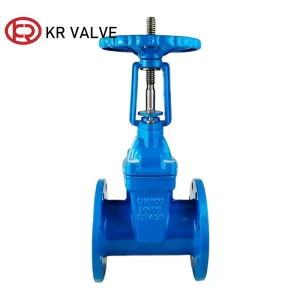
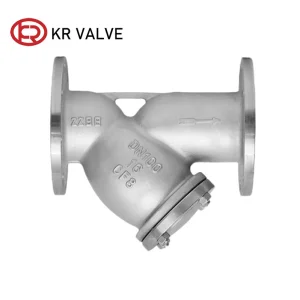
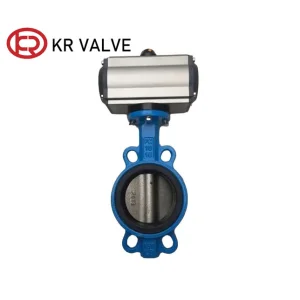
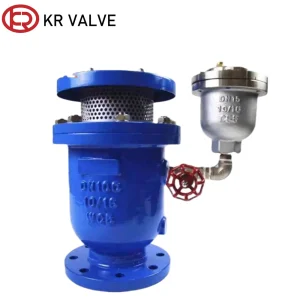
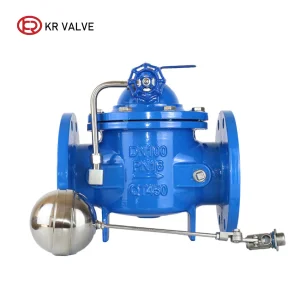
In modern industrial operations, fluid power systems are the lifelines of manufacturing plants, civil construction works, energy exploration sites, and chemical operations. At the core of managing fluid directions and maintaining structural pressures are Hydraulic Pressure Check Valves. As unidirectional non-return mechanisms, these valves play a critical role: protecting sensitive upstream equipment—such as multistage pumps and precision compressors—from destructive system shocks, medium backflow, and abrupt pressure losses.
Whether regulating volatile hydrocarbon flows in automated pipelines or managing critical municipal water lines, the demand for industrial-grade check valves is growing. Sourcing agents, EPC contractors, and mechanical system engineers prioritize suppliers capable of delivering high reliability under intense workloads. Modern process designs demand materials like Ductile Iron (GGG40/GGG50), ASTM WCB Cast Steel, and premium CF8 (SS304) / CF8M (SS316) Stainless Steel. As a result, finding the right manufacturer who balances technical compliance with cost efficiency is essential to maintaining overall process safety.
The cracking pressure represents the minimum upstream gauge pressure at which a check valve starts to open and allow fluid passage. Calibration of this parameter is vital: too high, and the system experiences excess power consumption; too low, and the valve fails to seal rapidly during flow reversal, leading to cavitation, pipe vibration, and potential rupture.
China's manufacturing sector has shifted from basic assembly to advanced precision engineering, particularly in high-specification industrial valve production. Leading manufacturers like KR Valve combine local raw material sourcing with advanced casting techniques, automated CNC machining lines, and rigorous testing standards.
The efficiency of Chinese manufacturing is driven by fully integrated industrial clusters. With complete supply chains for raw scrap, precision foundry patterns, CNC processing equipment, heat treatments, and quality testing, manufacturers can execute complex, customized OEM orders in short turnaround times. This integration reduces transportation delays and optimizes raw material handling, allowing Chinese factories to offer competitive wholesale pricing without compromising on international standards.
Direct control over casting compositions (using Spectrometer verification) prevents internal gas pockets or structural flaws, ensuring high pressure performance.
Automatic machining of critical components, including valve seats and disc stems, ensures tolerances down to the micrometer level to achieve leak-free operation.
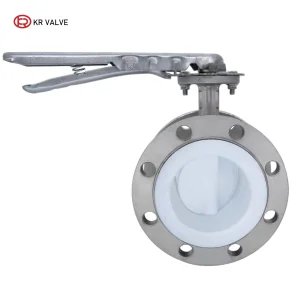
Production spans from structural ductile irons (GGG40/50) to high-alloy, corrosion-resistant CF8 stainless steels and resilient PTFE-lined bodies.
Operating with a zero-leakage goal is a core engineering requirement for high-reliability systems. Industrial non-return valves are subjected to repetitive mechanical wear, sudden pressure surges, and corrosive media. Ensuring long-term performance requires a detailed approach to design verification and quality control:
KR has more than 20 years of experience in producing standard and non-standard valves of various types. We supply a wide selection of over 500 valve products, including butterfly valves, gate valves, check valves, water control valves, as well as all their matching and accessory products. These products have applications in various industries such as water treatment, dam construction, commercial buildings, energy and heating, chemical engineering, etc. We have won high repeat purchase rates from customers with excellent product variety and quality.
Beyond product excellence, we are dedicated to creating a mutually beneficial partnership with every customer. We believe that reliable service is as crucial as superior products, and we strive to continuously optimize the customer experience to achieve long-term win-win cooperation. Today, KR VALVE’s products have been exported to over 50 countries and regions in Europe, Asia, Africa, and Oceania, providing project construction and brand marketing services to thousands of customers.
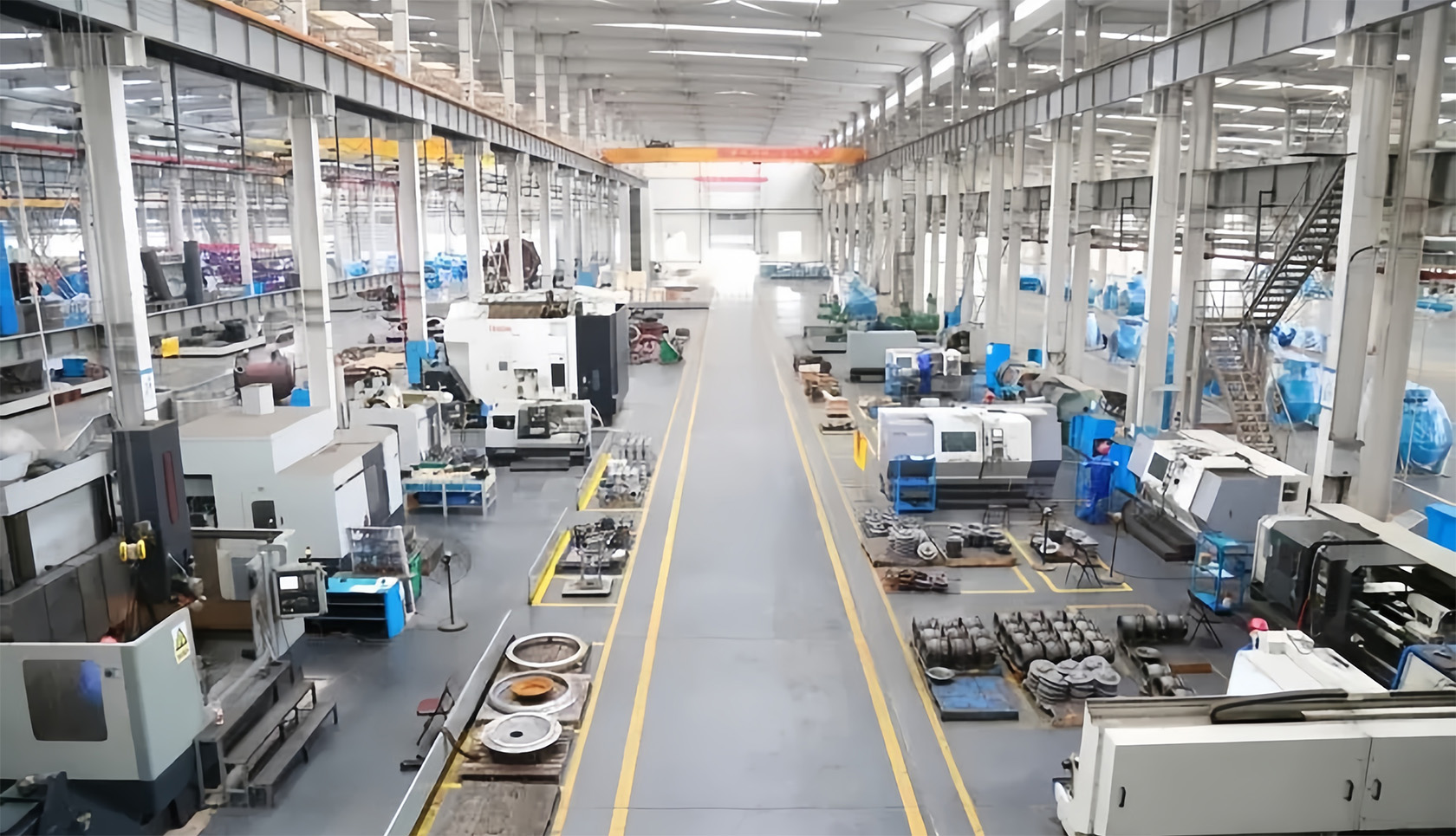
At KR Valve, quality assurance is built into every step of production. Our team ensures that design, manufacturing, and inspection steps run under strict quality control standards:
Our R&D department drives continuous product development. Technicians design and develop valves to meet changing market requirements, supported by testing labs that analyze pressure performance, flow capacity, and wear resistance.
The production department manages schedules and coordinates machining across our 15 advanced machining centers and assembly lines. Operations follow ISO 9001 guidelines, and we update inventories monthly to keep deliveries on track.
Our inspection department runs a series of quality checks. We conduct dimensional checks, visual inspections, shell tests, and seat leak tests on every valve to ensure full compliance before shipment.
Our valves are built to perform in challenging environments. Around the globe, municipal authorities, industrial engineers, and chemical plant operators rely on our flow control solutions:
| Project Location | Valve Types Supplied | Application Environment | Performance Achievement |
|---|---|---|---|
| Chile | Water Control Valves (100X, 200X Series) | Hydroelectric Dam and Intake Systems | Accurate pressure regulation, protection against severe water hammer |
| Italy | Large-Diameter Butterfly & Check Valves | Municipal Drinking Water Supply Systems | Reduced pressure losses, zero fluid contamination |
| Brazil | Ductile Iron Ball Non-Return & Gate Valves | Sewage Treatment & Wastewater Disposal | Excellent resistance to solid particles and corrosion |
| Vietnam | PTFE-Lined Butterfly and Ball Valves | Chemical Processing Plant Lines | High resistance to acids and corrosive chemicals |
| Russia | High-Pressure Ball & Gate Valves | Natural Gas Pipelines and Heating Networks | Reliable operation in sub-zero temperature environments |
When sourcing wholesale hydraulic check valves, procurement teams must evaluate several key factors to ensure long-term system performance and safety:
Our experience extends beyond check valves. We manufacture a comprehensive range of industrial flow management products designed for diverse system requirements.
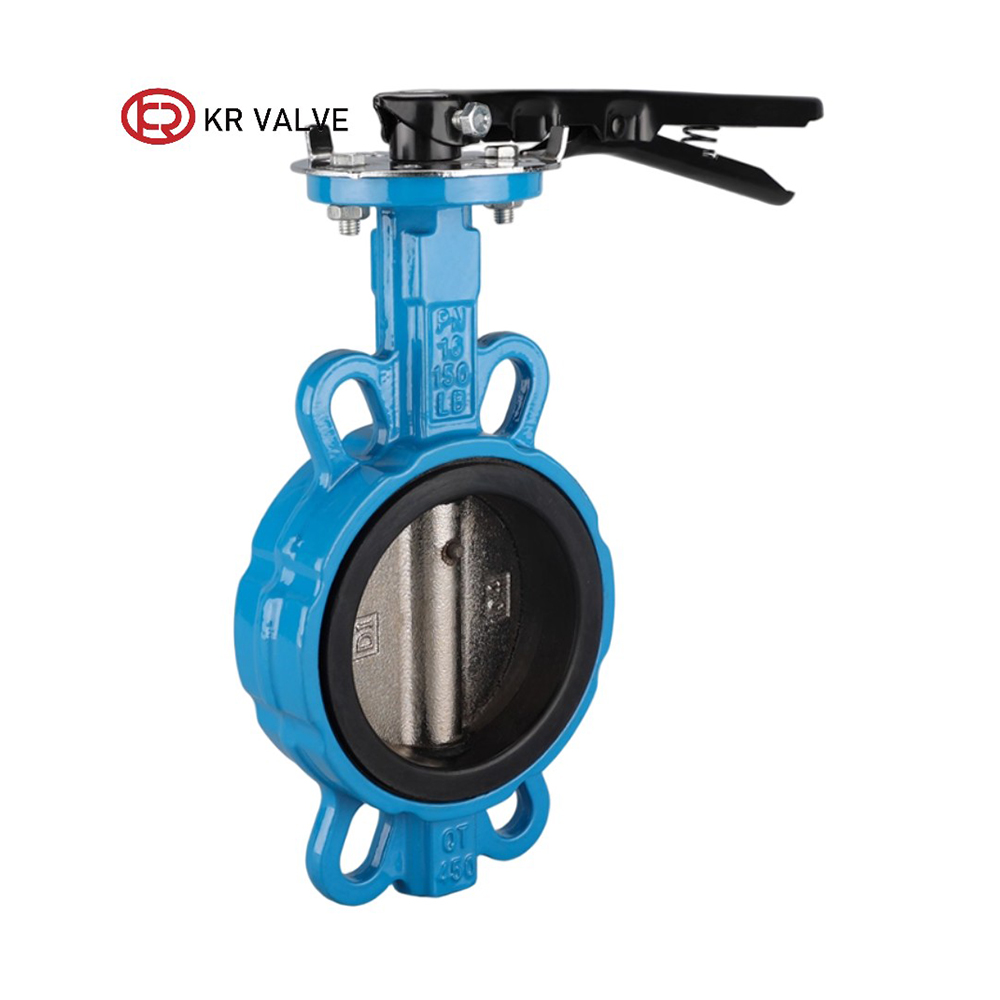
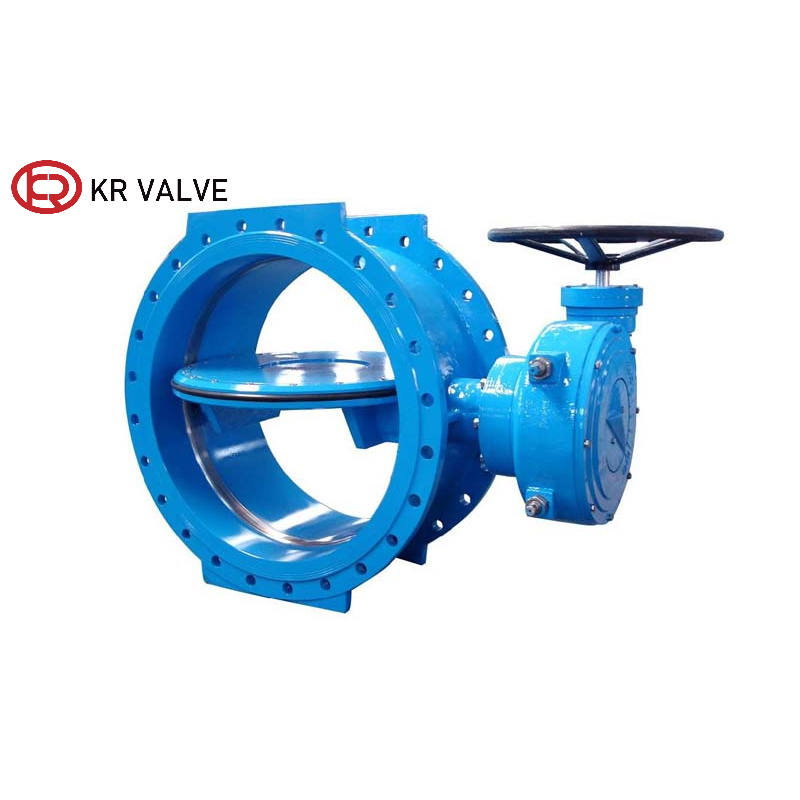
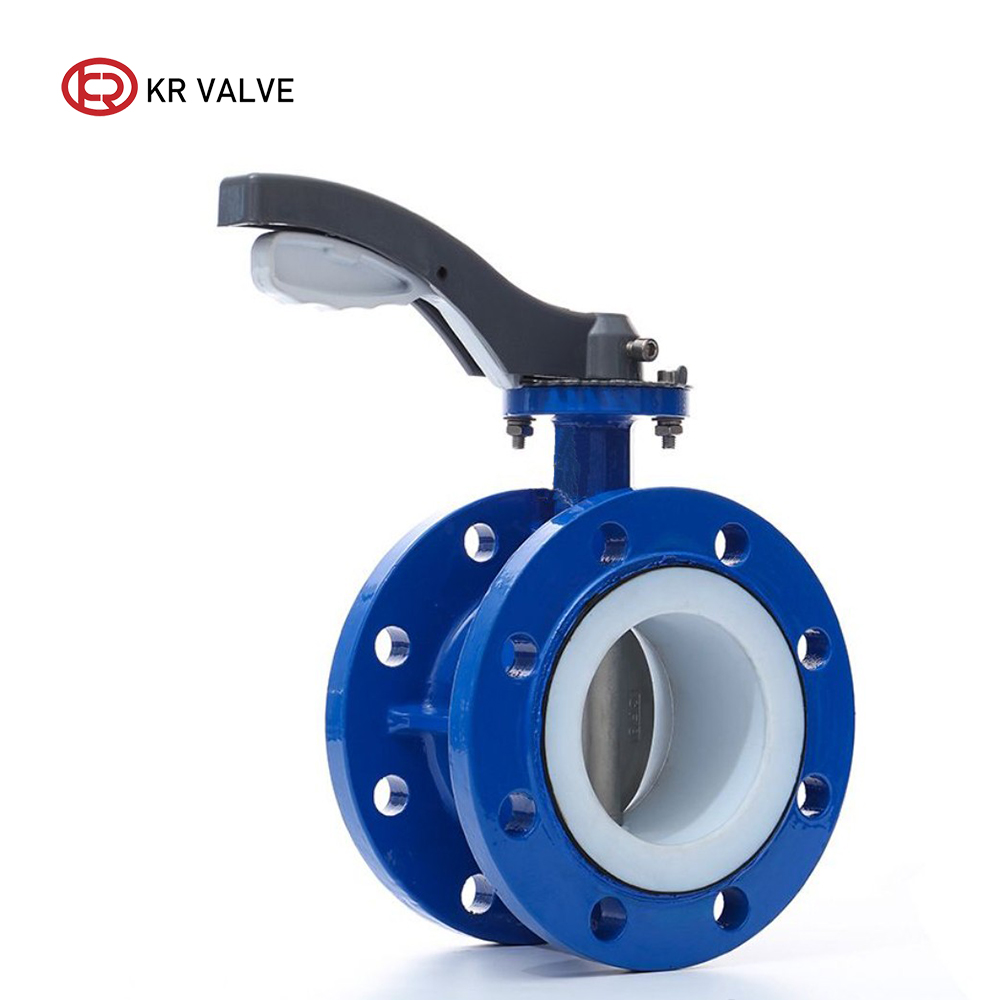
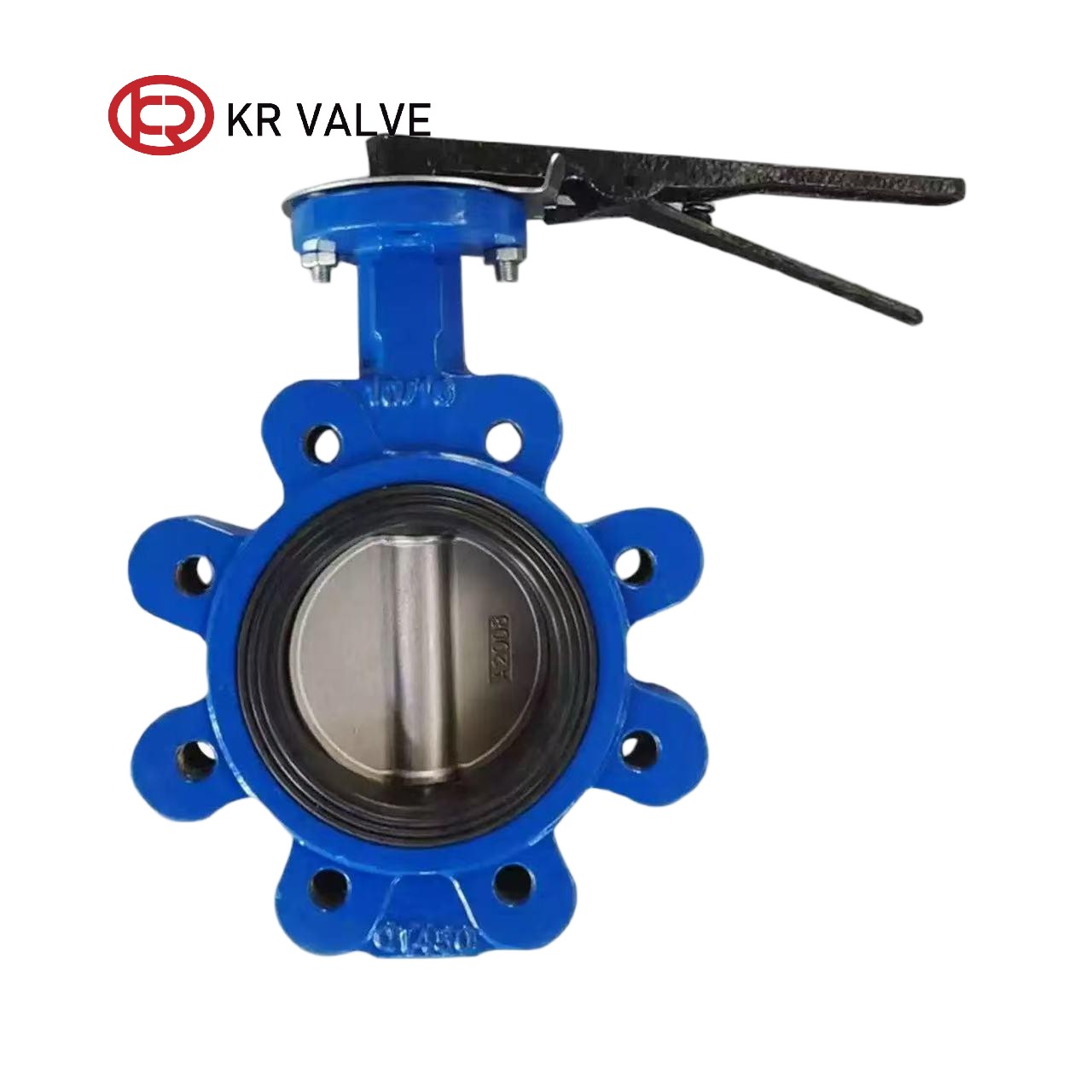
Browse our selection of specialized control valves, manual shut-offs, and custom-lined piping accessories for corrosive applications.
Expert answers to common engineering and sourcing questions regarding industrial hydraulic pressure check valves.
Spring-loaded check valves use a calibrated coil spring to assist in closing the disc, allowing for mounting in horizontal, vertical, or angled pipelines. This spring-assisted design closes the valve quickly before flow reverses, helping to prevent water hammer. Swing check valves rely on gravity and reverse flow to swing the disc back onto the seat. They are best suited for horizontal, low-velocity pipelines and are not ideal for systems with frequent flow reversals.
Cracking pressure is selected based on the specific requirements of the application. Low cracking pressures (e.g., 0.05 to 0.3 bar) are commonly used in suction lines or gravity-fed systems to minimize flow resistance. High cracking pressures (e.g., 1.0 to 5.0 bar) are typically chosen for bypass circuits, filtration loops, or lines where you need to prevent siphonage or maintain a specific backpressure.
Ductile Iron (GGG50) contains nodular graphite, which provides significantly higher tensile strength, impact resistance, and elongation properties compared to Cast Iron (GG25). This structure allows GGG50 to withstand sudden pressure spikes, mechanical vibrations, and environmental stresses without cracking, making it a reliable option for high-pressure water transmission and industrial hydraulic networks.
Water hammer occurs when fluid in motion is forced to stop or change direction suddenly, creating a pressure surge. This often happens if a check valve closes too slowly after a pump shuts down, allowing the reversing column of fluid to slam the disc shut. Quick-closing, spring-loaded check valves help prevent this by closing the disc before the reverse flow gains velocity, minimizing the pressure spike.
For critical applications, request compliance with international standards such as API 598 (valve inspection and testing) or EN 12266-1. The manufacturer should provide test certificates showing successful shell pressure tests (typically at 1.5 times the nominal pressure) and seat leak tests (usually at 1.1 times the nominal pressure) to ensure reliable performance.
PTFE-lined valves are used in systems handling highly corrosive media, such as strong acids, alkalis, or aggressive solvents. The fluoropolymer lining forms a barrier that protects the metal valve body from chemical attacks, helping to extend the operational life of the valve in corrosive environments.
No, check valves are strictly designed for on-off, unidirectional flow control. Attempting to use them for throttling can cause valve chatter, rapid seat wear, and spring fatigue, leading to premature failure. For throttling or pressure control, specialized pressure-reducing valves (such as the 200X series) or control valves should be used instead.
For standard valve designs, lead times typically range from 20 to 30 days, depending on raw material stock. Custom OEM projects requiring new foundry patterns, special metallurgy (such as duplex stainless steels), or specialized face-to-face dimensions generally take 45 to 60 days, including design validation, prototype testing, and final quality control.
 KR VAVLE