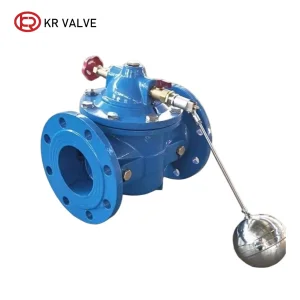
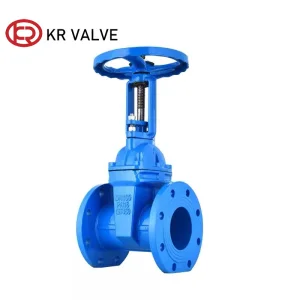
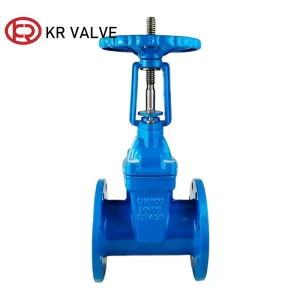
Explore our premium range of high-performance ball valves, gate valves, strainers, and customized butterly valve designs engineered for reliable shutoff operations.
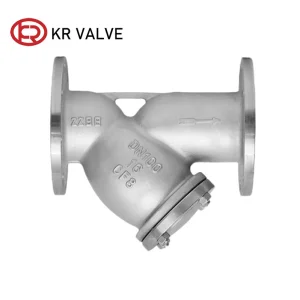
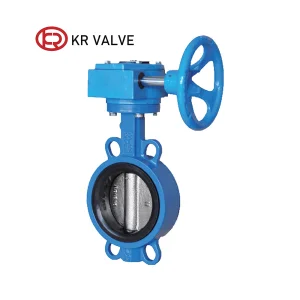
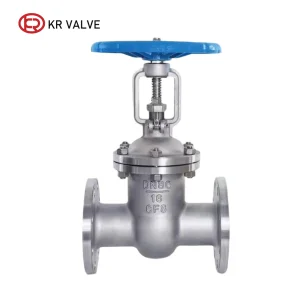
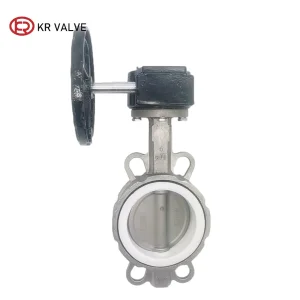
A comprehensive analysis of structural dynamics, material integrity, and sealing dynamics in modern high-pressure piping applications.
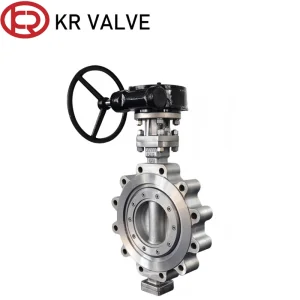
In modern industrial fluid networks, control elements must deliver absolute operational security under challenging thermomechanical loads. Among these systems, the lug-style butterfly valve stands out as a critical choice for systems requiring safe downstream pipeline isolation. Unlike wafer-style options, which sit clamped between two pipe flanges, lug butterfly valves use threaded metal inserts (lugs) installed around the valve body. This structural layout allows individual pipe segments on either side of the valve to be disconnected without affecting the pressure boundary on the opposite side—a setup essential for single-flange dead-end operations.
"The primary mechanical advantage of the lug configuration lies in its ability to carry piping system tension independently. When downstream lines are depressurized for maintenance, the threaded lug fasteners maintain gasket compression on the upstream flange, preventing pipeline collapses and eliminating media bypass."
To design heavy-duty flow networks, piping engineers rely on strict global standards to ensure valves last long and perform reliably. Modern lug butterfly valve designs adhere to standards like API 609 (design specs), ASME B16.34 (pressure-temperature metrics), and MSS SP-67. By following these frameworks, manufacturers can calculate exact minimum wall thicknesses, stem diameters, and flange matching patterns.
For double and triple offset geometries, the offset shaft location relative to the seat minimizes contact friction between the disc and the sealing liner. In high-cycle operations, standard concentric discs cause accelerated wear on elastomers. High-performance offset configurations lift the disc off the seat within the first few degrees of rotation, drastically reducing torque and extending valve life across municipal and chemical industries alike.
| Specification Parameter | Concentric Design | Double Offset Design | Triple Offset Design |
|---|---|---|---|
| Typical Standards | MSS SP-67, API 609 Cat. A | API 609 Cat. B, ASME B16.34 | API 609 Cat. B, ISO 5752 |
| Sealing Principle | Elastomeric Interference | Offset Camming / Friction Reduction | Non-rubbing Metal-to-Metal Seal |
| Pressure Rating | PN6 to PN25 (Class 150) | Up to PN40 (Class 300) | Up to PN100 (Class 600+) |
| Operating Temp | -20°C to +150°C (Elastomer bound) | -50°C to +200°C (PTFE / RTFE) | -196°C (Cryogenic) to +600°C+ |
Selecting the right metallurgy and seat elastomer is crucial to preventing localized corrosion, stress cracking, and seal failures. Heavy industrial sites typically specify Ductile Iron (GGG40/GGG50) for municipal and low-severity industrial applications due to its excellent impact toughness compared to cast iron. For corrosive chemical lines, stainless steel options like CF8 (304 SS) and CF8M (316 SS) are the industry standard.
On the elastomeric side, seat options like EPDM, NBR, and Fluorocarbon (Viton) must be formulated to resist swelling and chemical breakdown. For corrosive environments, Polytetrafluoroethylene (PTFE) and modified fluoropolymer linings (PFA/RTFE) offer excellent resistance to acids, organic solvents, and hydrocarbons, ensuring zero-leakage shutoff over thousands of operational cycles.
At KR, we leverage over two decades of valve manufacturing experience to produce standard and non-standard valves of various types. We supply a wide selection of over 500 valve products, including butterfly valves, gate valves, check valves, and water control valves, along with matching accessories. These products support critical operations in water treatment, dam construction, commercial buildings, energy and heating, and chemical engineering. Our dedication to premium materials and tight quality control has earned high repeat purchase rates from customers worldwide.
We are dedicated to building long-term, mutually beneficial partnerships with every customer. We believe that reliable service is as crucial as superior products, and we strive to continuously optimize the customer experience to achieve long-term win-win cooperation.
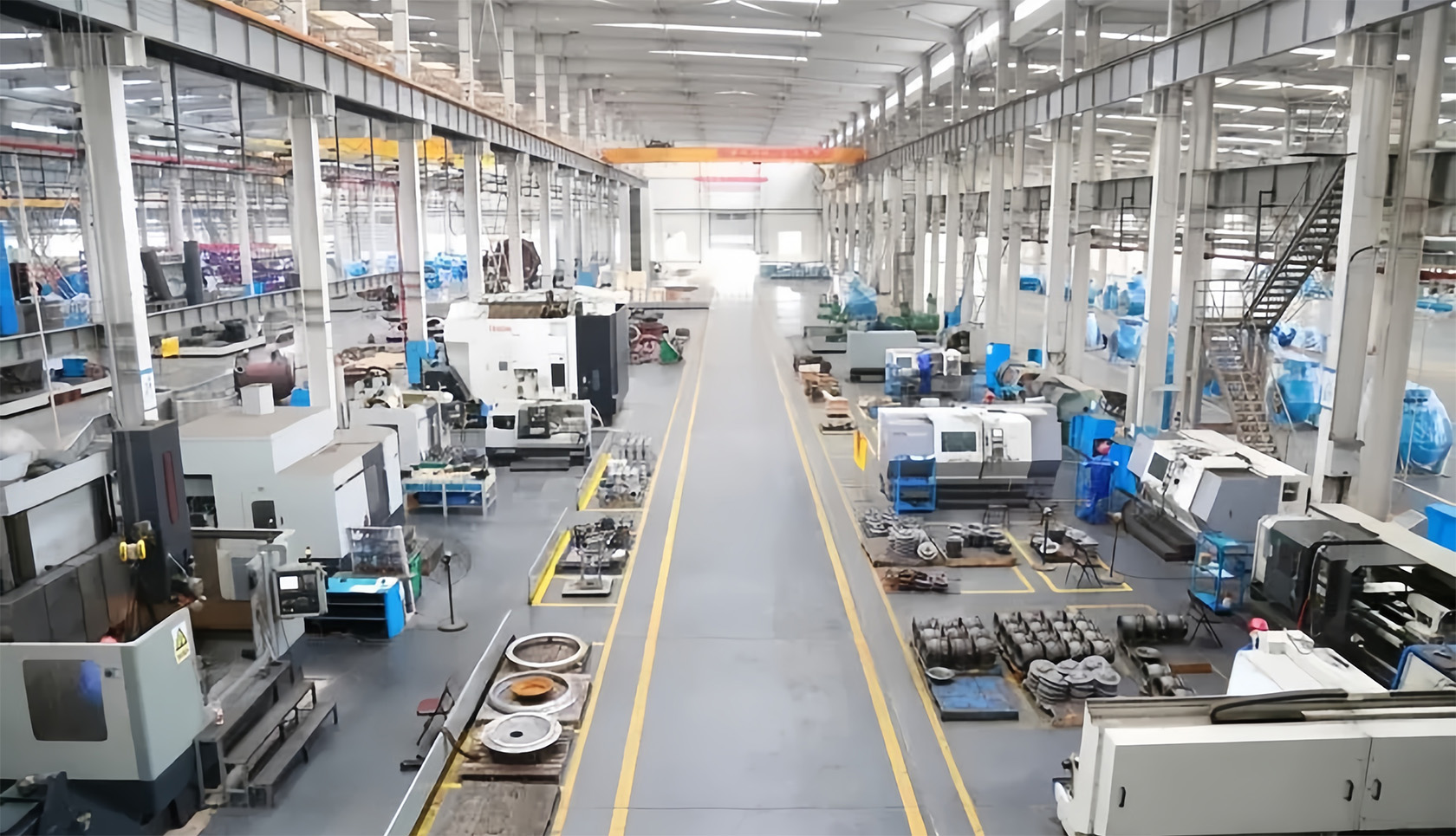
Our commitment to zero leakage and structural integrity is backed by robust design, structured production, and strict testing.
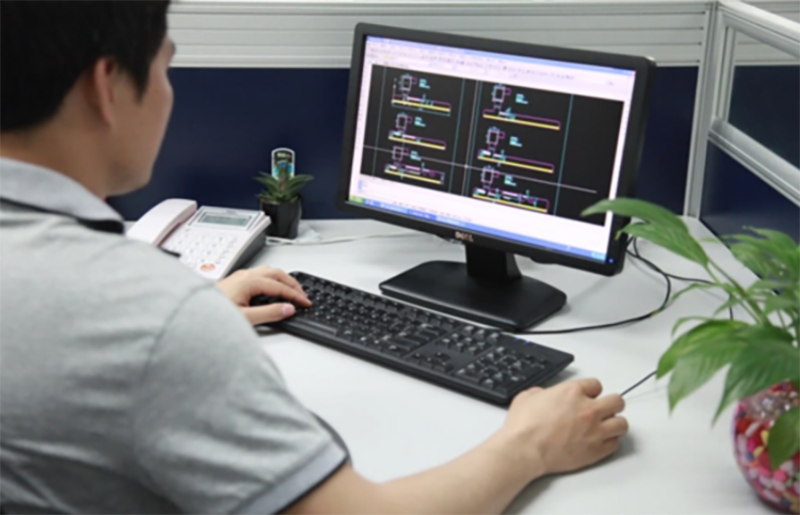
Our dedicated R&D department drives product design and continuous innovation. Technicians design and develop products that meet customer and market requirements, supported by a modern lab that tests and elevates product performance.
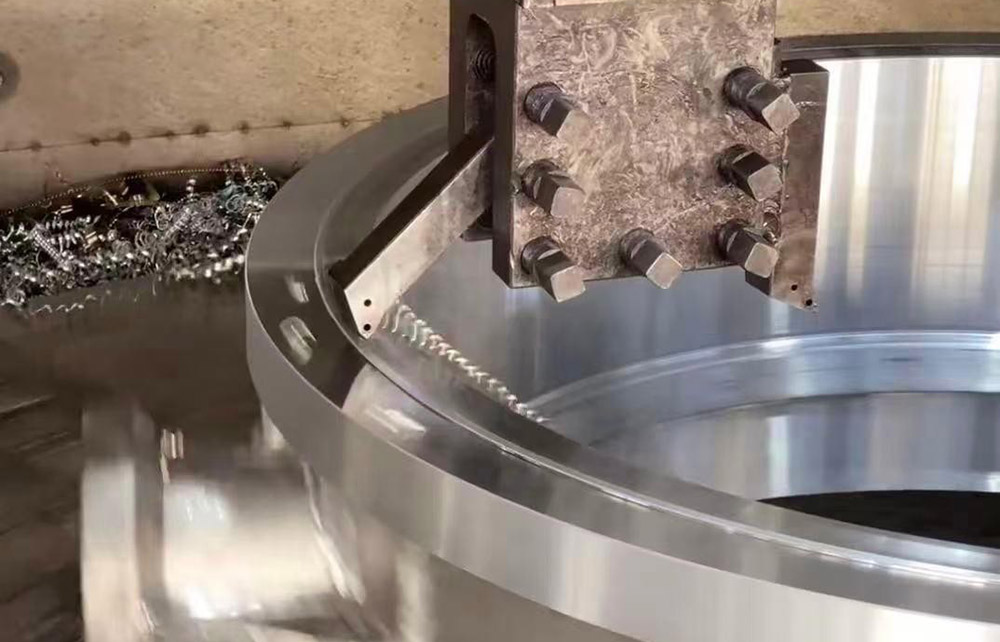
Our production team develops and follows detailed schedules to ensure timely delivery. Products are manufactured under strict supervision in accordance with the ISO 9001 quality management system, utilizing over 30 modern production setups.
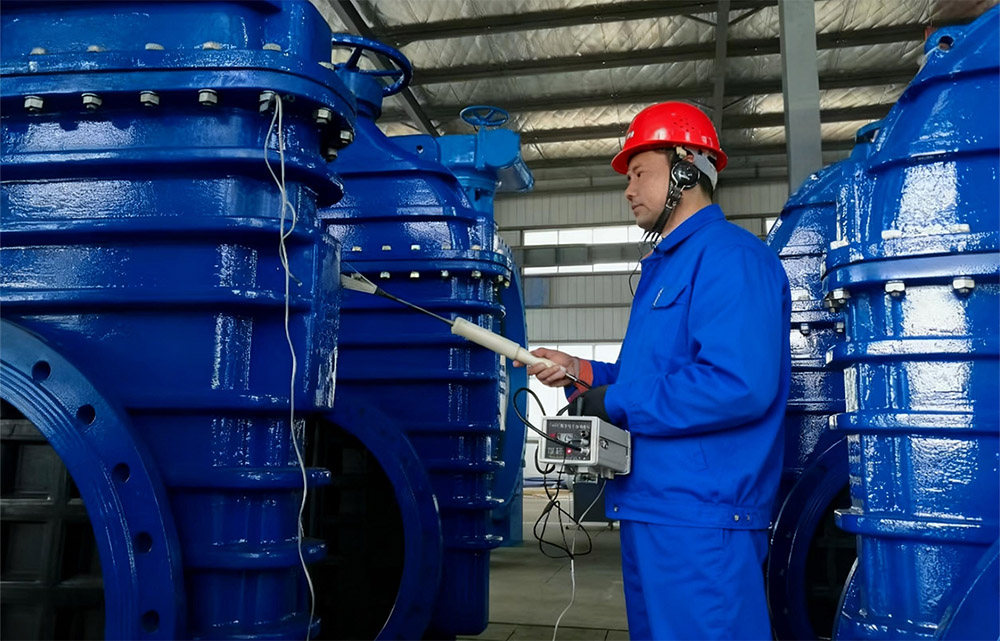
Our inspection department conducts 100% inspection of all products. Zero leakage is our core standard. Following international quality guidelines, we test appearance, dimensions, and pressure resistance, issuing standard compliance reports.
Providing robust flow control products, competitive prices, and reliable engineering support for major international projects.
Alongside our proprietary brand "KR", we offer complete OEM/ODM support, building long-term relationships with several leading valve brands globally.
Our facility houses 15 specialized machining tools and automated assembly lines run by experienced technicians to ensure dimensional accuracy.
We supply 20 product series and over 500 varieties, manufacturing valves to international standards or customized specifications.
We inspect every step of raw material selection, component casting, machining, and final assembly to deliver long-term field performance.
Managing the entire production flow in-house allows us to eliminate excess costs, offering direct manufacturer pricing to our partners.
We provide professional consulting throughout the procurement process. Our engineering team resolves design and installation issues within 24 hours.
Modern industrial supply chains require a balance of cost efficiency, quality consistency, and quick adaptability. The KR manufacturing facility integrates advanced automated systems to achieve high efficiency. By combining computer-aided design (CAD) with automated CNC machining, we minimize human error and ensure precise tolerances down to the micron.
Additionally, our local manufacturing ecosystem provides strong supply chain resilience. We source raw castings, specialized alloys, and industrial polymers from audited regional suppliers. This deep integration shields our production timelines from global raw material shocks, allowing us to maintain standard lead times even during volatile market cycles. Managing casting, machining, testing, and coating under one roof ensures traceable quality and competitive direct-to-customer pricing.
"Each lug butterfly valve body is engraved with a unique serial number, providing traceability back to the raw material heat number, the specific machining run, and the technician responsible for hydrostatic testing. This transparency is central to our quality assurance policy."
How we are engineering smart valves for the next generation of automated processes and low-emission systems.
Developing low-leak stem seal technologies to meet strict environmental standards, reducing fugitive hydrocarbon and chemical emissions in process lines.
Equipping valves with IoT-enabled sensors that transmit torque profiles, seal wear metrics, and cycle counts to plant control rooms for predictive maintenance.
Expanding the performance envelope of our triple-offset metal-seated butterfly valves to work down to -196°C, supporting LNG liquefaction and transport networks.
Applying next-generation thermal spray coatings (like tungsten carbide and stellite overlays) to protect discs against highly abrasive slurry media.
Fluid dynamics vary widely across industries. A valve built for municipal clean water cannot handle corrosive acids in a chemical plant or high abrasive wear in a dam bypass system. Because of these differences, KR designs custom configurations tailored to specific industrial challenges:
Watch our production walkthroughs and pressure testing procedures showing our manufacturing standards.
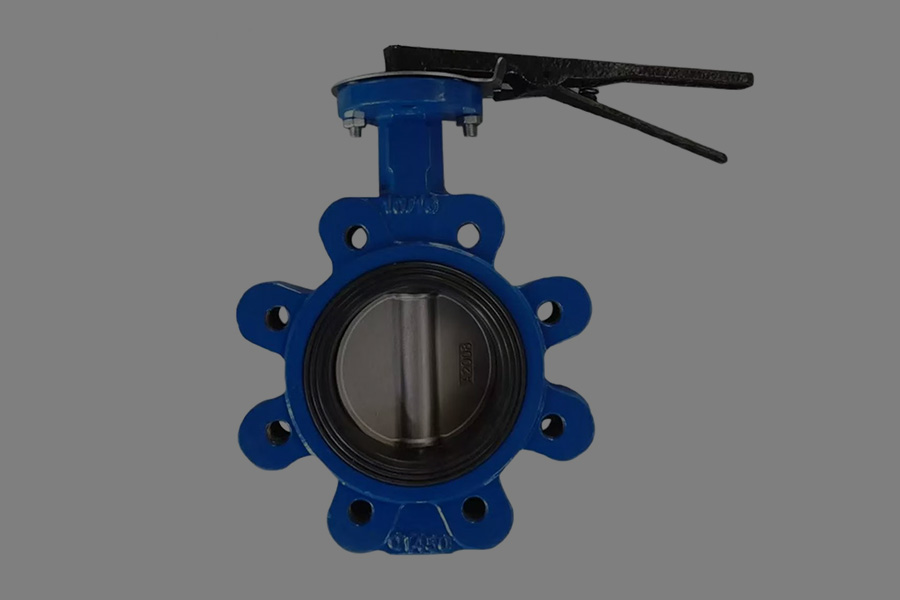
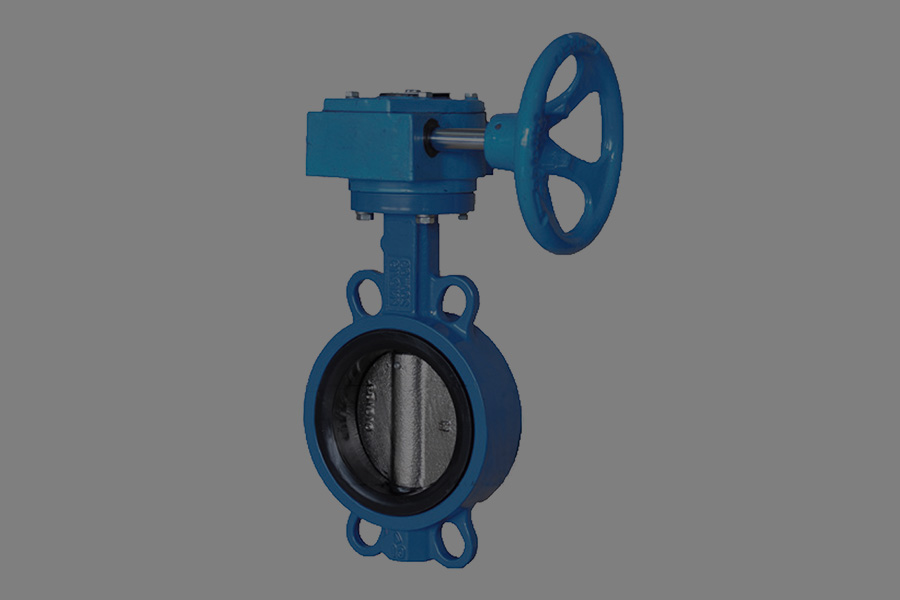
Our valve designs are used worldwide across water networks, gas pipelines, and heavy industrial facilities.
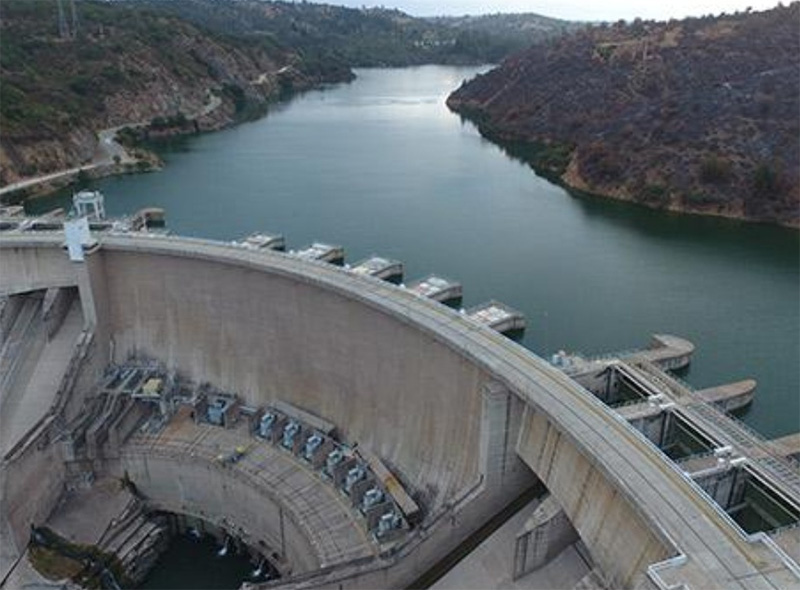
Delivered customized water control systems built to withstand high hydraulic pressure and harsh ambient temperatures in mountainous terrain.
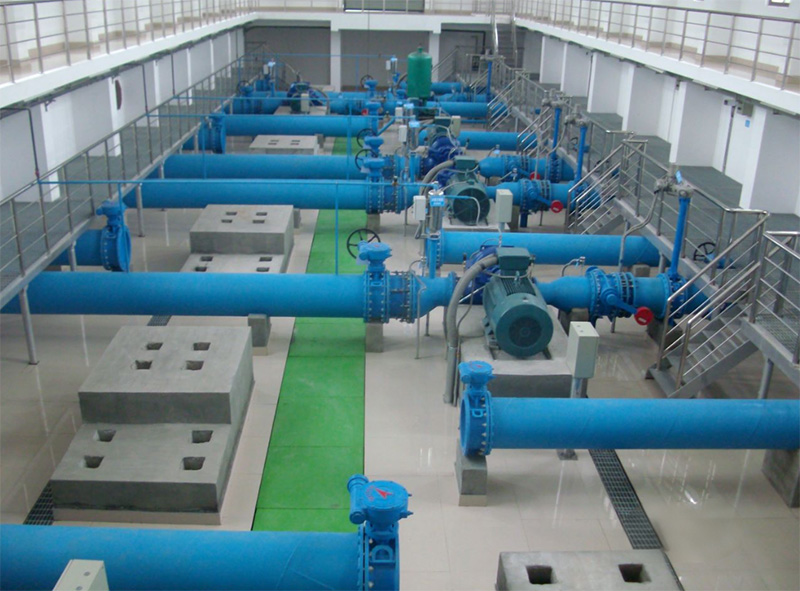
Supplied big-size check and butterfly valves, ensuring low head-loss and long-term sealing stability for regional clean water transmission pipelines.
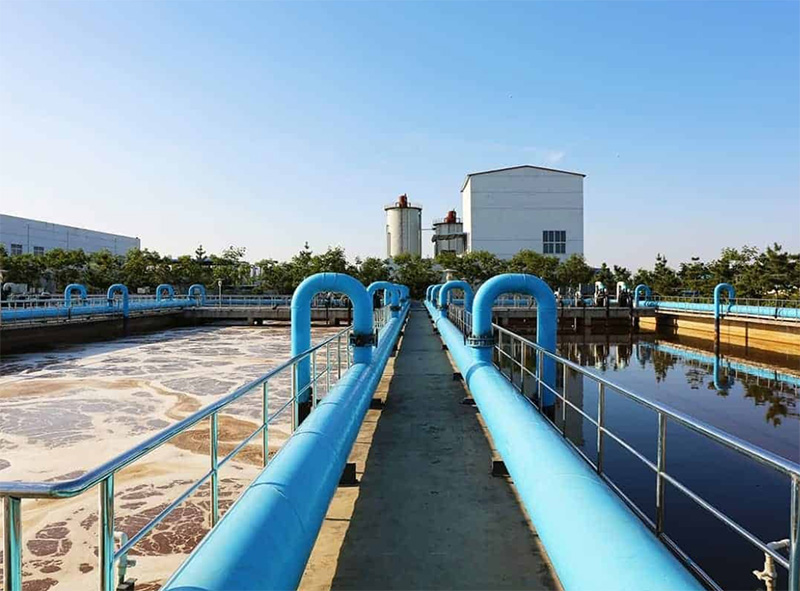
Provided heavy-duty butterfly and gate valves with customized elastomeric seats to resist abrasive media in wastewater processing.
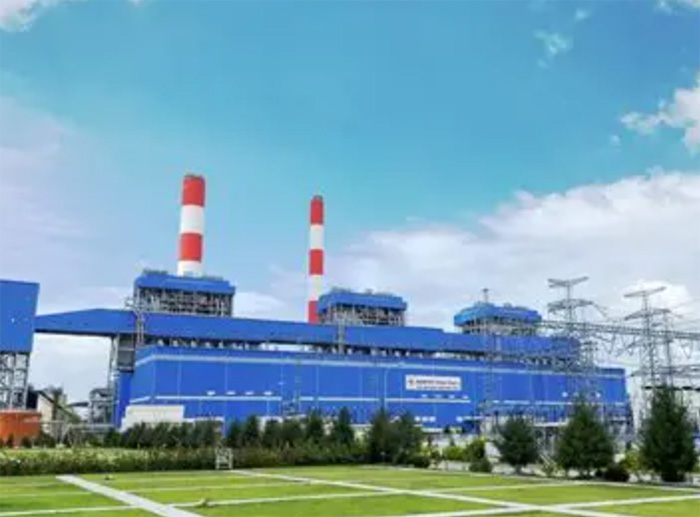
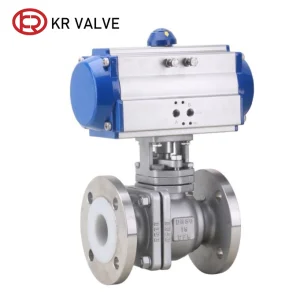
Supplied PTFE-lined acid-resistant ball and butterfly valves, preventing leaks in aggressive industrial processing lines.
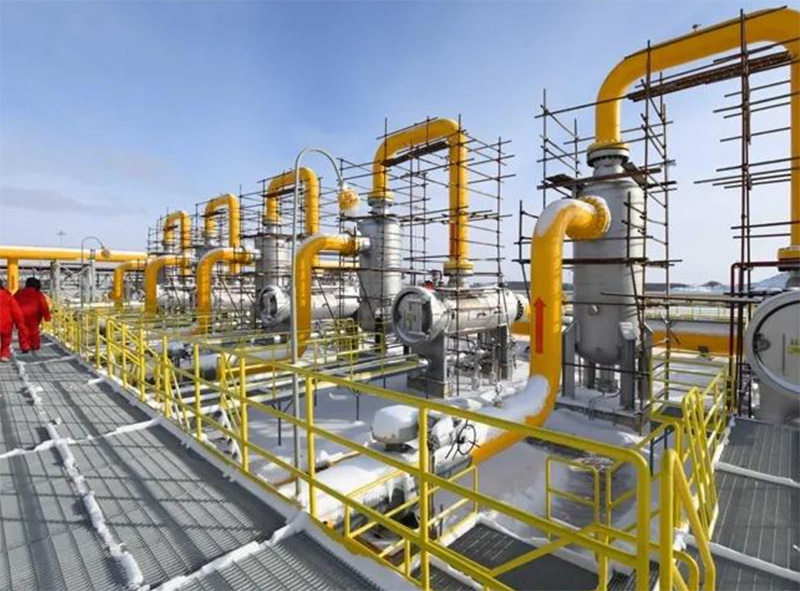
Supplied carbon steel gate and ball valves qualified for low-temperature operation, maintaining pressure boundaries in gas pipeline systems.
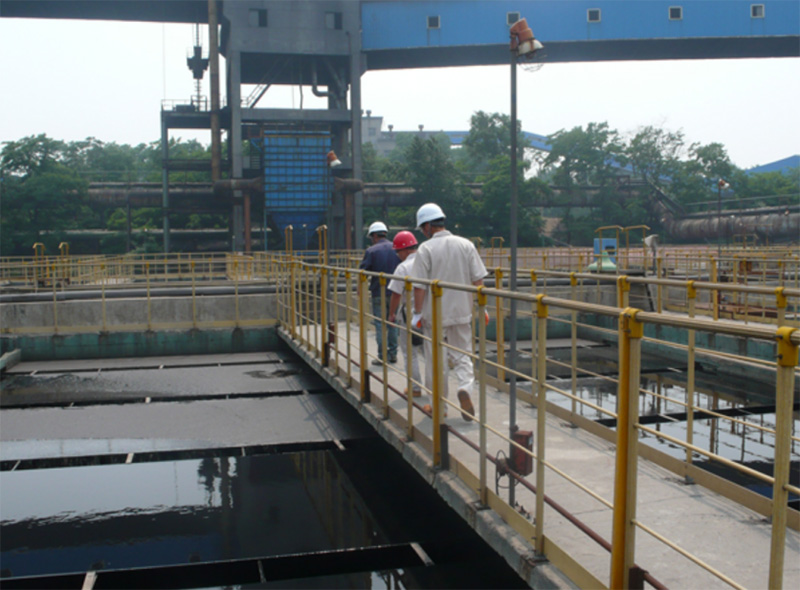
Supplied resilient gate and check valves, reducing maintenance frequency and preventing backflow in municipal sewers.
Get professional answers regarding design specs, installation practices, and application options for lug butterfly valves.
Get in touch with our engineering and sales teams to request detailed CAD drawings, material certifications, and direct manufacturer pricing for your upcoming pipeline projects.
Contact Us for a QuoteBrowse our selection of heavy-duty gate, check, water control, and specialized process butterfly valves.
 KR VAVLE