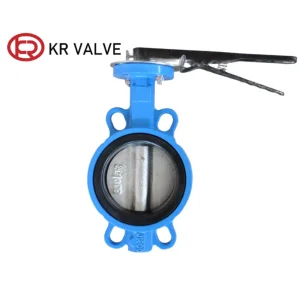
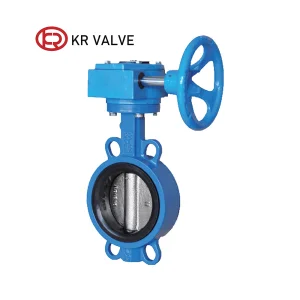
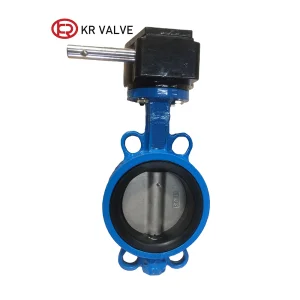
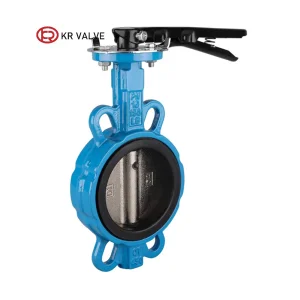
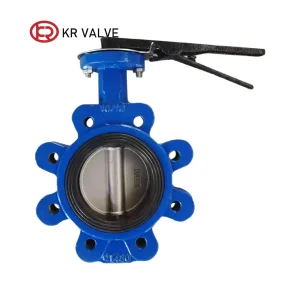
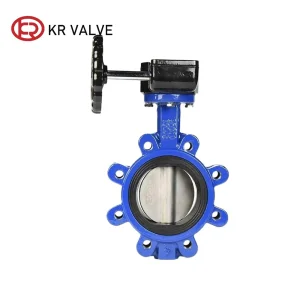
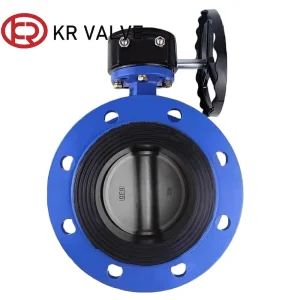
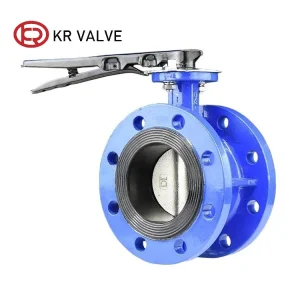
Engineered for High-Pressure Mining Slurries, Chemical Processing, and Municipal Infrastructure
A Comprehensive Technical Whitepaper on Butterfly Valve Application in Critical Chilean Projects
Chile is a global industrial powerhouse, particularly known as the world’s leading copper producer and a key supplier of lithium. From the extremely arid Atacama desert in the north to the heavily forested regions of the south, the country spans multiple climatic zones, each presenting unique engineering hurdles. Butterfly valves serve as the critical control devices in these environments. The harsh industrial processes—such as seawater intake, copper heap leaching, slurry transportation, pulp bleaching, and municipal water management—require high-reliability flow control components. Without the right materials, valves in these sectors face catastrophic failure through severe abrasion, high pressure, and chemical corrosion.
Mining processes require massive volumes of water, slurry, and chemicals. Fluid dynamics in mining involve slurry handling where suspended solid particles act as intense abrasives on the valve disc and seat. Concentric and eccentric butterfly valves are deployed in thickener operations, tailing disposal systems, and flotation cells. High-performance butterfly valves lined with specialized elastomers (such as high-grade EPDM or Neoprene) or manufactured using solid PTFE/RPTFE are essential to resist the corrosive sulfuric acid used in copper heap leaching processes. A single downtime incident due to valve failure in a mining extraction line can result in millions of dollars of lost productivity.
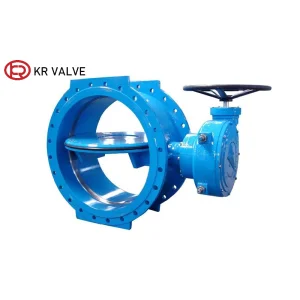
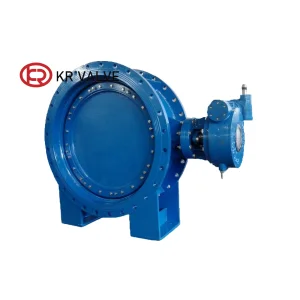
To protect municipal aquifers, the Chilean government mandates the use of desalinated seawater in major mining projects. Desalination plants (utilizing reverse osmosis technology) feature highly corrosive seawater environments. Traditional cast iron valves degrade within months under chloride attack. Consequently, double eccentric and triple eccentric butterfly valves made from Duplex or Super Duplex stainless steel (CF3M, CF8M, and surfacing SS304/SS316 sealing) are now standard. These advanced designs minimize friction, optimize sealing integrity, and prevent crevice corrosion, ensuring a service life exceeding 20 years in harsh marine conditions.
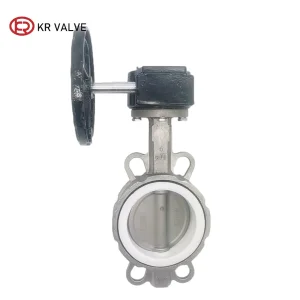
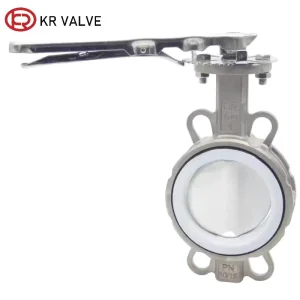
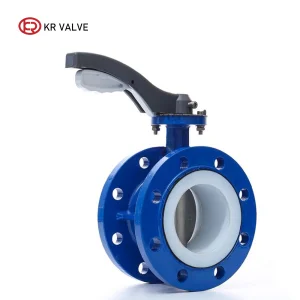
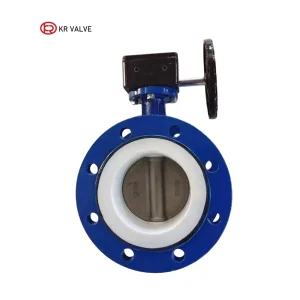
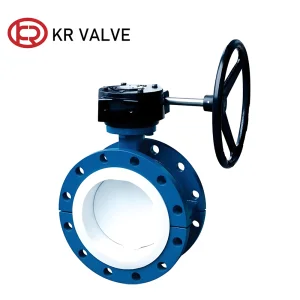
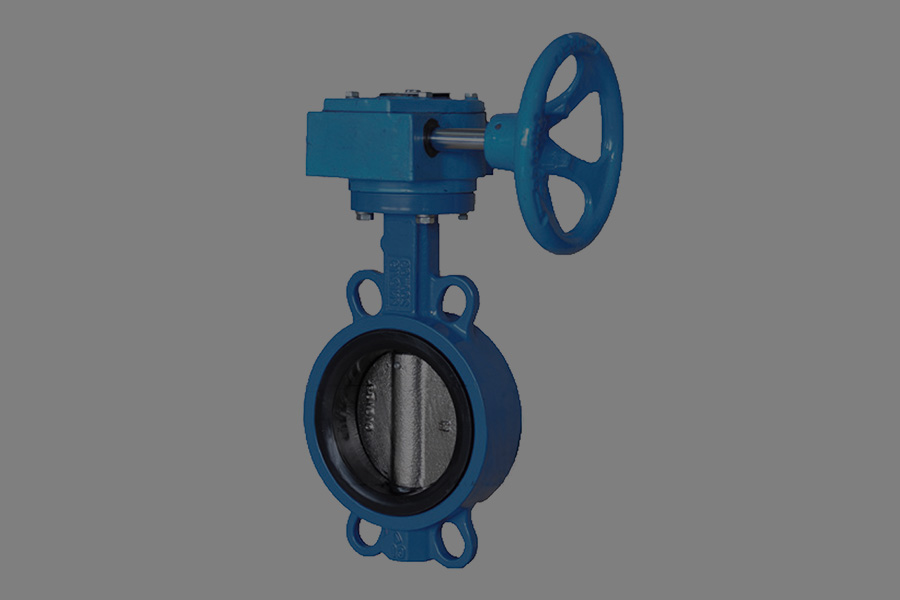
In Southern Chile (regions like Biobío and Araucanía), the pulp and paper industry operates vast process lines handling wood chips, pulp stock, and bleaching agents (chlorine dioxide, sodium hydroxide). The presence of fibrous solids requires valves with self-cleaning capabilities. High-performance butterfly valves with thin, polished discs provide smooth flow paths that prevent fiber accumulation. For highly concentrated chemical lines, split-body butterfly valves featuring full PTFE linings provide complete insulation of the metallic body from the process fluid, preventing premature failure.
KR has more than 20 years of experience in producing standard and non-standard valves of various types. We supply a wide selection of over 500 valve products, including butterfly valves, gate valves, check valves, water control valves, as well as all their matching and accessory products. These products have applications in various industries such as water treatment, dam construction, commercial buildings, energy and heating, chemical engineering, etc. We have won high repeat purchase rates from customers with excellent product variety and quality.
Beyond product excellence, we are dedicated to creating a mutually beneficial partnership with every customer. We believe that reliable service is as crucial as superior products, and we strive to continuously optimize the customer experience to achieve long-term win-win cooperation. Today, KR VALVE’s products have been exported to over 50 countries and regions in Europe, Asia, Africa, and Oceania, providing project construction and brand marketing services to thousands of customers. We look forward to collaborating with you, leveraging our expertise, comprehensive product range, and unwavering commitment to quality and service to support your success.
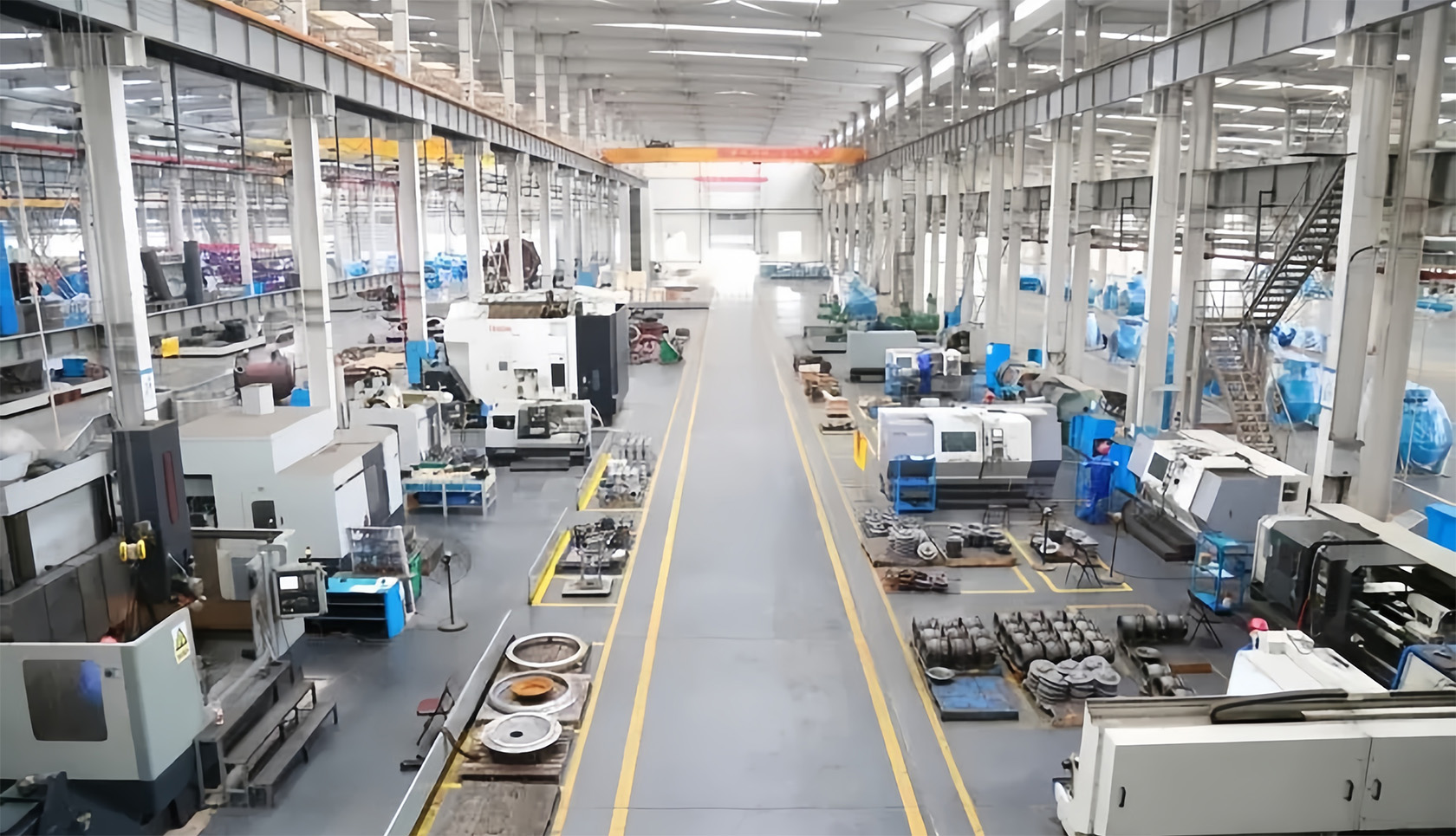
Ensuring Zero Leakage and Extended Lifespans in Harsh Environments
Our dedicated R&D department drives product design and continuous innovation. Technicians design and develop products to meet complex client and market requirements. Our modern testing lab provides extensive evaluation capabilities to elevate performance. Currently, we offer 20 series and over 500 varieties of flow control products.
The production department formulates structured manufacturing plans to ensure timely delivery according to customer specifications. All products are manufactured under strict supervision in accordance with the ISO-9001 quality management system. With over 30 advanced production units, we update inventories monthly to exceed delivery expectations.
Our quality inspection department guarantees 100% inspection of all units. Zero leakage is our core manufacturing principle. In accordance with international standards, we execute a rigorous series of pressure, dimensional, and aesthetic inspections, issuing detailed compliance reports for each batch.
Comparing Concentric, Double Eccentric, and Material Combos for Industrial Operations
Selecting the ideal butterfly valve configuration for demanding industrial lines in Chile involves analyzing fluid chemical composition, temperature extremes, pressure ranges, and expected cycle frequency. Selecting inappropriate configurations leads to premature elastomer degradation, mechanical fatigue, or localized galvanic corrosion.
| Valve Type | Seat Material | Common Applications in Chile | Pressure Rating | Advantages |
|---|---|---|---|---|
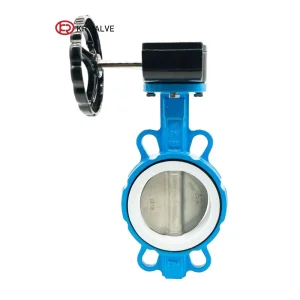
| Concentric Wafer | EPDM / NBR | Santiago Municipal Water, Agricultural Irrigation | PN10 / PN16 | Cost-efficient, bidirectional zero-leakage sealing. |
| Lined Split Body | PTFE / RPTFE | Lithium Brine Processing, Acid Leaching Lines | PN10 / Class 150 | Extreme chemical resistance, isolates metallic body. |
| Double Eccentric | SS304 / PTFE | Reverse Osmosis Desalination, Mine Tailings | PN16 / PN25 | Reduced seat wear, high cycling stability, low torque. |
Ductile Iron (specifically GGG40/GGG50 under DIN standards, or Grade 65-45-12 under ASTM) offers mechanical characteristics that make it ideal for rugged industrial valves. Unlike cast iron, which is brittle and prone to catastrophic cracking under pressure surges (water hammer), ductile iron contains nodular graphite. This microstructure yields superior tensile strength, thermal shock resistance, and ductility. For large infrastructure projects in Chile, such as municipal pipelines or tailing transport loops where ground movements or hydraulic surges are expected, ductile iron provides the toughness necessary to guarantee operational safety.
Selecting the sealing elastomer is a critical decision in valve specification. EPDM (Ethylene Propylene Diene Monomer) provides excellent performance for water distribution, agricultural runoff, and dilute acids within a temperature range of -20°C to 120°C. However, in the presence of hydrocarbons, oils, or concentrated acids, EPDM quickly swells and fails. PTFE (Polytetrafluoroethylene), on the other hand, is chemically inert to almost all industrial fluids, including concentrated sulfuric acid used in copper refinement. The addition of glass fibers or carbon to create RPTFE (Reinforced PTFE) increases wear resistance and reduces cold flow deformation, making it suitable for moderate pressure and temperature applications in chemical processing plants.
How KR Valve Supports Major Operations in Chile and South America
We operate our own independent brand 'KR' and provide comprehensive OEM services for global clients, establishing long-term partnerships with leading engineering firms and distributors.
Our production facility houses 15 high-precision machining centers and semi-automated assembly lines, operated by experienced valve manufacturing technicians.
Featuring 20 product series and over 500 cataloged variations, we supply international standard (API, DIN, ANSI, BS) and non-standard customized valves.
We strictly control raw material sourcing, casting quality, machining tolerances, and final pressure testing for every finished valve.
By managing our full manufacturing chain, we reduce overhead and pass on competitive pricing to international procurement and project managers.
We offer expert advice, from design-in stages to installation guidance and long-term maintenance consultations.
Proven Performance in Water Treatment, Power Generation, and Heavy Industrial Infrastructure
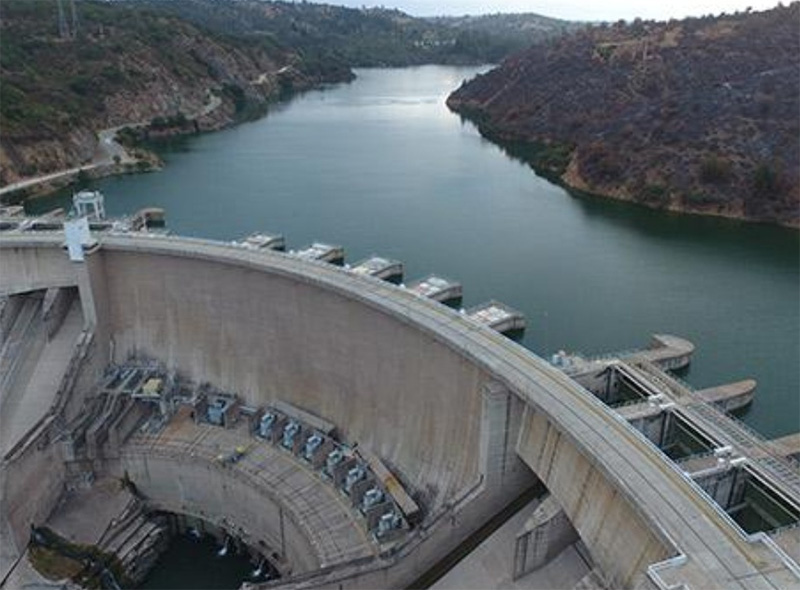
High-pressure water control valves integrated into remote hydraulic dam infrastructure in Chile.
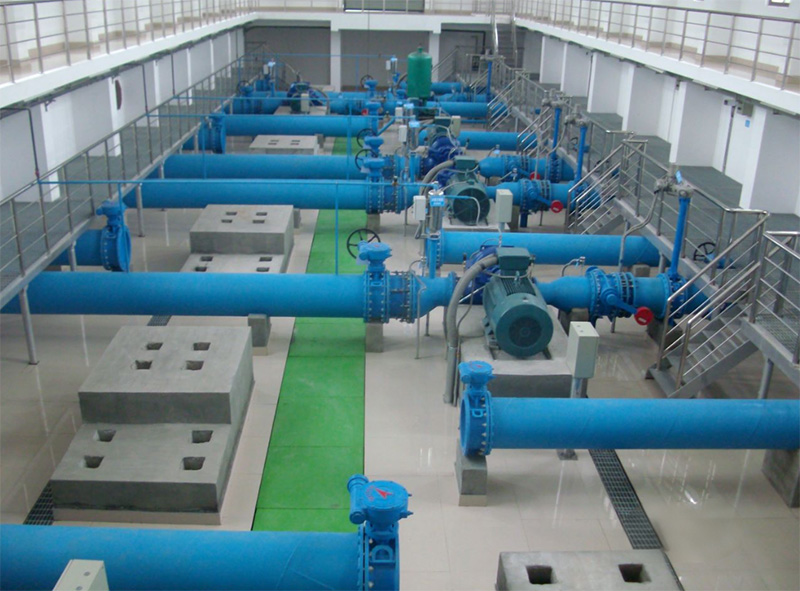
Large-diameter wafer and double-flanged butterfly valves installed in major European water grids.
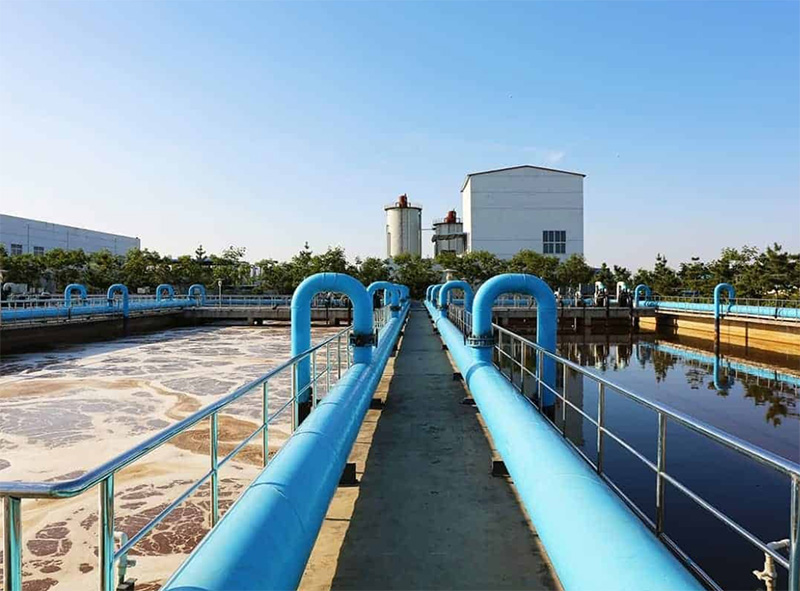
Corrosion-resistant slurry handling valves deployed in aggressive industrial waste plants.
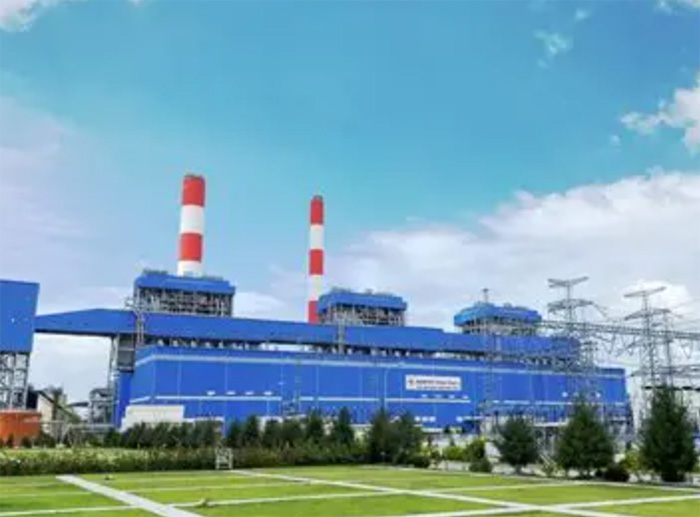
PTFE-lined valves designed for harsh acid distribution and manufacturing lines.
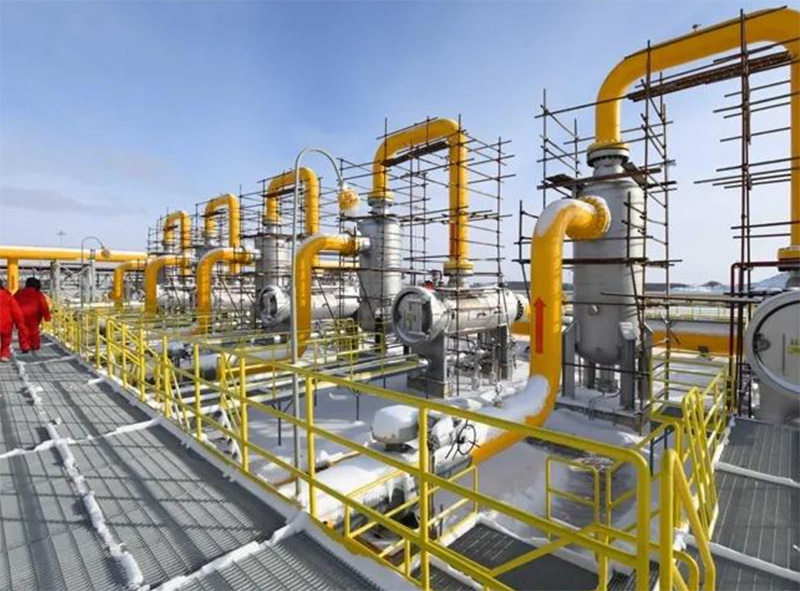
API-compliant high-pressure valves working under low-temperature natural gas conditions.
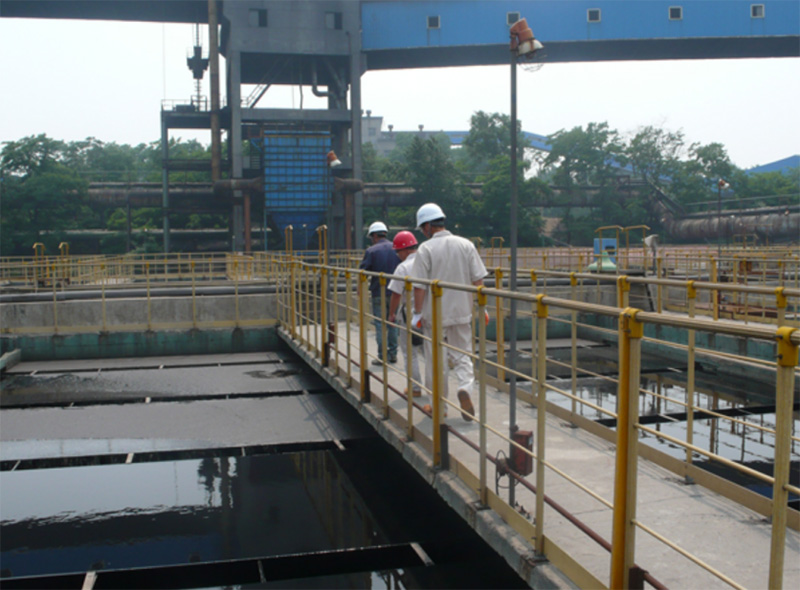
Wastewater and sewage treatment solutions built for high organic load environments.
Get a Virtual Tour of our Advanced Machining, Assembly, and Hydrostatic Testing Operations
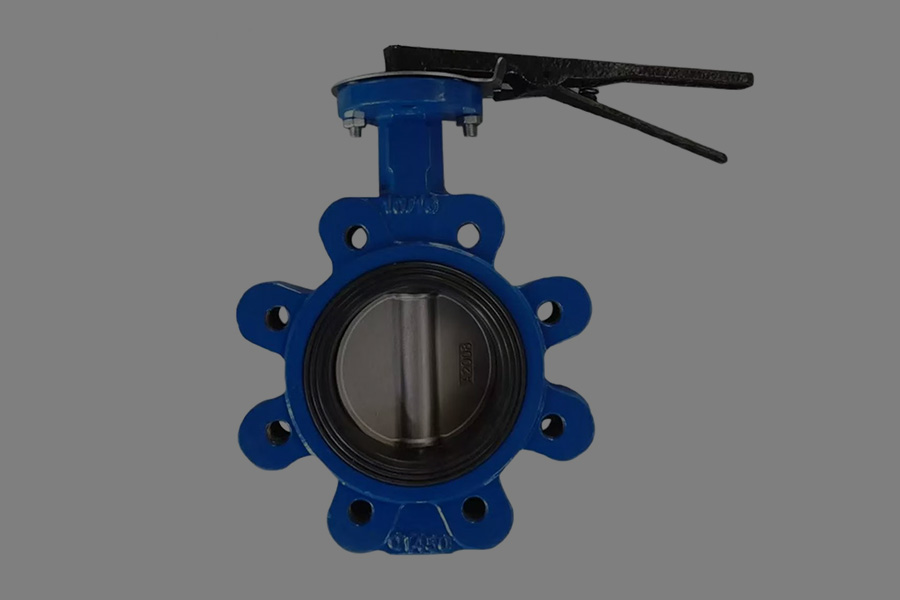
Ensuring Long-Term Performance and Tight Shutoff in Industrial Pipelines
Improper installation is a primary cause of premature valve failure, particularly for soft-seated concentric and high-performance double eccentric butterfly valves. Field engineers in Chile should adhere to these critical procedures to ensure operational longevity:
Before lifting the valve into position, ensure that the upstream and downstream piping is aligned, clean, and free of construction debris (welding slag, metal filings, rust). In desalination plants and mining chemical lines, small particles can become trapped between the valve disc and the elastomer seat, causing permanent scoring and pressure bypass. Verify that the flange spacing matches the face-to-face dimensions of the valve. The valve disc should be slightly open during installation to prevent the disc edge from hitting the flange faces, which can damage the seating surface.
Over-tightening flange bolts is a common error that deforms elastomer seats, leading to increased operating torque or localized leakage. Bolts must be tightened in a crosswise pattern (star pattern) to distribute pressure evenly. Always refer to the manufacturer’s torque specification table. Lined valves (such as full PTFE-lined designs) are particularly sensitive to uneven compression, which can pinch the liner and cause binding of the disc.
Perform hydrostatic pressure tests on the system with the valve in the fully open position to purge any remaining air. When testing the seat seal (bubble-tight test), do not exceed the valve's rated pressure. For actuated valves (equipped with pneumatic or electric gear actuators), calibrate the travel limit switches precisely. If the actuator drives the disc past the seat centerline or stops before reaching complete shutoff, fluid bypass and seat erosion will occur.
Answers to Common Technical Questions from Chilean Project Managers and Procurement Officers
Explore our full range of soft-seal, high-performance, and lined butterfly valves
 KR VAVLE