 KR VAVLE
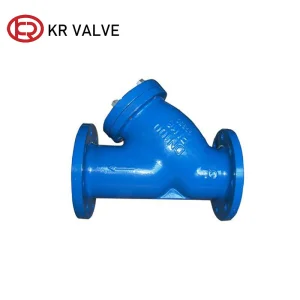
Ductile Iron GGG40 Y-Type Strainer with SS304 Filter
Optimized for Paris municipal water systems and commercial building HVAC piping infrastructure.
View SpecificationsEngineered for high filtration efficiency, minimal pressure drop, and exceptional durability in commercial district heating, water utility, and process cooling applications.
Optimized for Paris municipal water systems and commercial building HVAC piping infrastructure.
View Specifications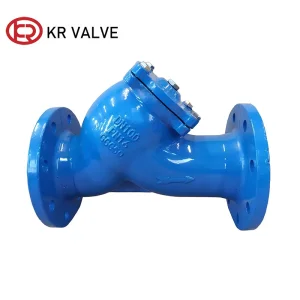
PN16 standard flanged pipeline strainer designed for low-pressure steam and municipal heating grids.
View Specifications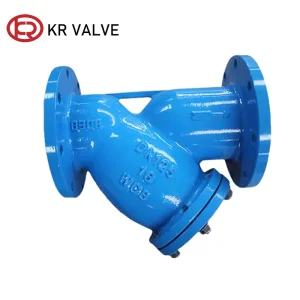
High-strength carbon steel strainer engineered for high temperature and high pressure industrial systems.
View Specifications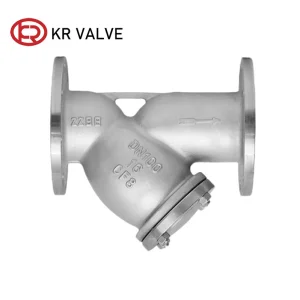
Corrosion-resistant stainless steel body for food, beverage, and chemical process piping networks in Paris.
View SpecificationsThe Paris metropolitan area, known as Île-de-France, is home to one of Europe's most complex and integrated fluid systems. From the massive municipal drinking water network managed by Eau de Paris to the sprawling district heating system operated by Compagnie Parisienne de Chauffage Urbain (CPCU), the demands for high-performance fluid control and debris separation technologies are paramount. Y-Type strainers serve as the primary protective barrier for expensive downstream components, including control valves, pumps, heat exchangers, and custody-transfer flowmeters.
As the city undergoes structural transitions under the Plan Climat de Paris—which calls for major improvements in energy efficiency and environmental sustainability—district heating, cooling networks, and municipal wastewater treatment systems are undergoing massive modernization. Engineers in the Paris market are increasingly strict regarding raw material certifications (such as EN 10204 3.1), strict compliance with the European Pressure Equipment Directive (PED 2014/68/EU), and optimized hydro-mechanical designs that reduce energy loss via pressure drop. As a consequence, sourcing partners must demonstrate deep technical authority and reliable compliance systems.
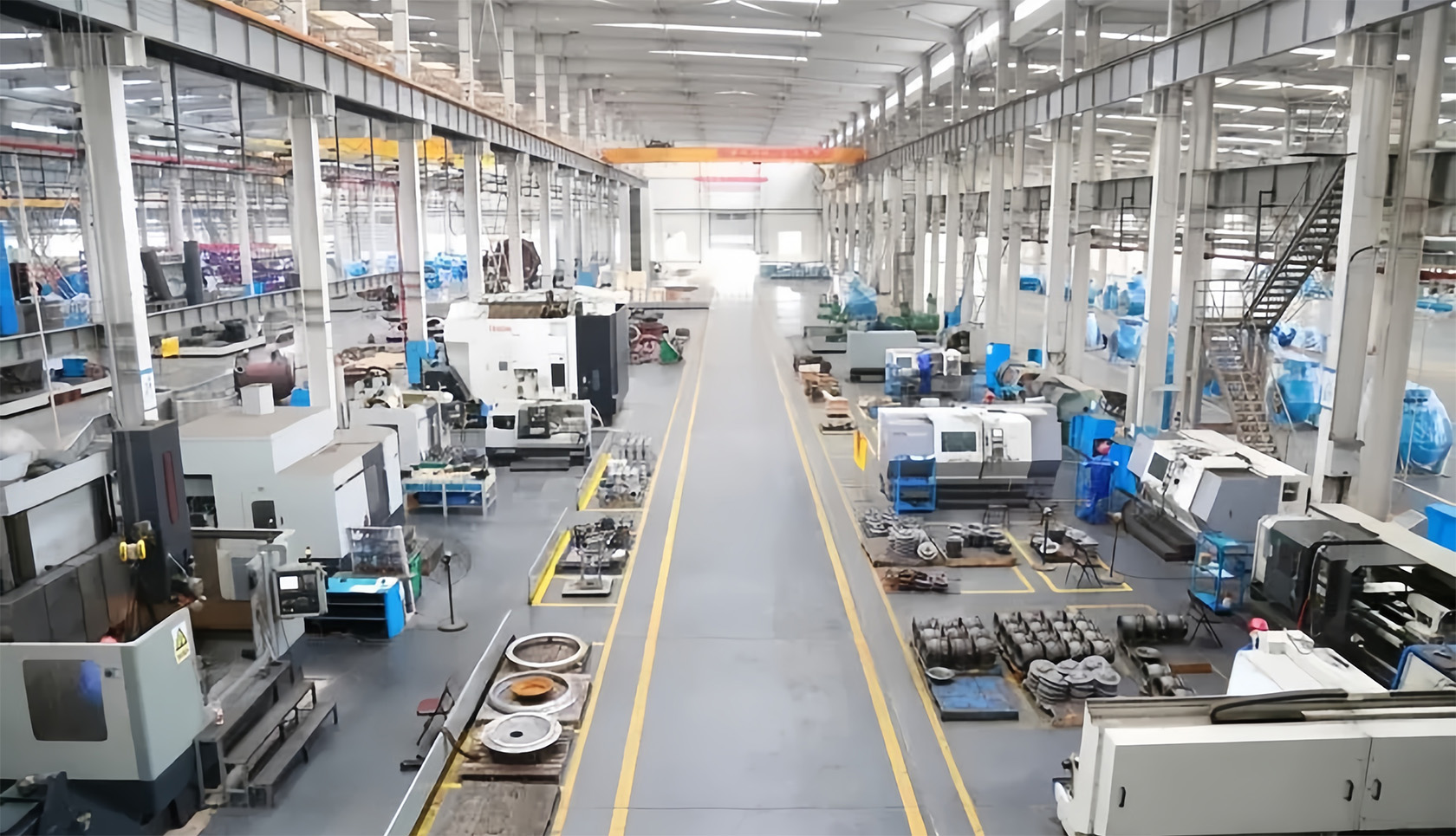
How KR Valve Group combines world-class production economics with the strict design guidelines required by Western European engineering procurement standards.
Our state-of-the-art facilities are equipped with 15 advanced machining centers and automated assembly lines. This guarantees that flanges, bonnet seats, and filter screens are machined to tolerances within micrometers, eliminating bypass leaks and ensuring seamless field installation.
We believe in a "Zero Leakage" standard. Every batch of Y-type strainers undergo hydrostatic tests, shell pressure tests, and detailed dimensional verification in accordance with EN 12266-1 and API 598. Material traceabilities are recorded through spectrographic analysis.
By localizing our raw material sourcing, consolidating foundry processes, and leveraging high volume manufacturing setups, we achieve cost reductions of up to 30% compared to European manufacturers, while maintaining identical or superior performance parameters.
When selecting a Y-type strainer for critical civil municipal works or high-demand chemical processing in Paris, engineers must focus on fluid dynamics, material limits, and construction standards. Choosing between Cast Iron GG25, Ductile Iron GGG40, Cast Steel WCB, and Stainless Steel CF8/CF8M depends directly on the working temperature, pressure rating, and corrosion characteristics of the system.
For standard municipal projects, Cast Iron GG25 and Ductile Iron GGG40 represent the most common body materials. However, their internal structures define their limits:
A poorly chosen strainer can lead to catastrophic pressure losses and high energy consumption for pumps. The hydraulic coefficient (Cv or Kv) and the open area ratio of the inner stainless steel mesh screen are critical criteria:
Open Area Ratio (OAR): The ratio between the total net open area of the mesh holes and the nominal pipe cross-sectional area. A quality Y-type strainer must feature an OAR of at least 3:1 (preferably 4:1) to ensure the device does not cause excessive flow restriction until it is at least 50% clogged. Our design incorporates custom SS304/SS316 screens tailored to specific fluid viscosity and maximum particle size limits.
| Material Designation | Applicable Standards | Pressure Class Options | Temperature Range | Ideal Paris Applications |
|---|---|---|---|---|
| Cast Iron GG25 | EN 1561 / DIN 1691 | PN6 / PN10 / PN16 | -10°C to +200°C | HVAC systems, non-potable water, cooling towers |
| Ductile Iron GGG40 | EN 1563 / DIN 1693 | PN10 / PN16 / PN25 | -10°C to +300°C | Drinking water main supply lines, district heating networks |
| Cast Steel WCB | ASTM A216 / DIN 17245 | Class 150 / 300, PN40 | -29°C to +425°C | High-pressure steam lines, CHP co-generation power plants |
| Stainless Steel CF8 (SS304) | ASTM A351 / DIN 1.4308 | PN16 to PN63, Class 150/300 | -196°C to +538°C | Food & Beverage processing, chemical pipelines, demineralized water |
We supply a wide selection of over 500 valve products, including butterfly valves, gate valves, check valves, water control valves, and their matching accessories.
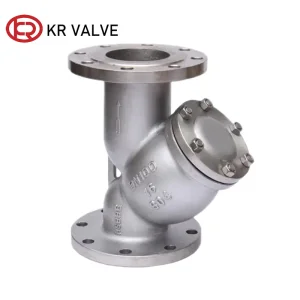
Heavy-duty 150LB ANSI flange basket-style filtration unit with reinforced SS304 screen.
Product Details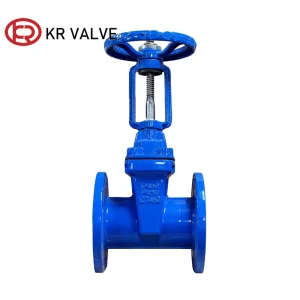
Heavy duty shutoff gate valve with non-rising stem option, complying with European standard EN1171.
Product Details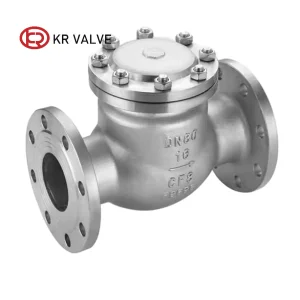
Reliable non-return check valve in CF8 stainless steel, preventing reverse flow in process lines.
Product Details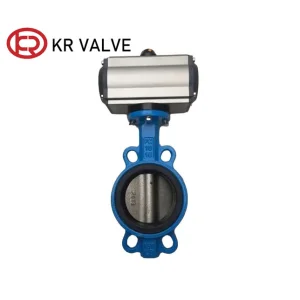
Automated fail-safe pneumatic actuator butterfly valve designed for high-frequency regulation loops.
Product DetailsFrom CAD simulation and casting to machining and hydro-pressure verification, our operations conform strictly to ISO-9001 and CE requirements.
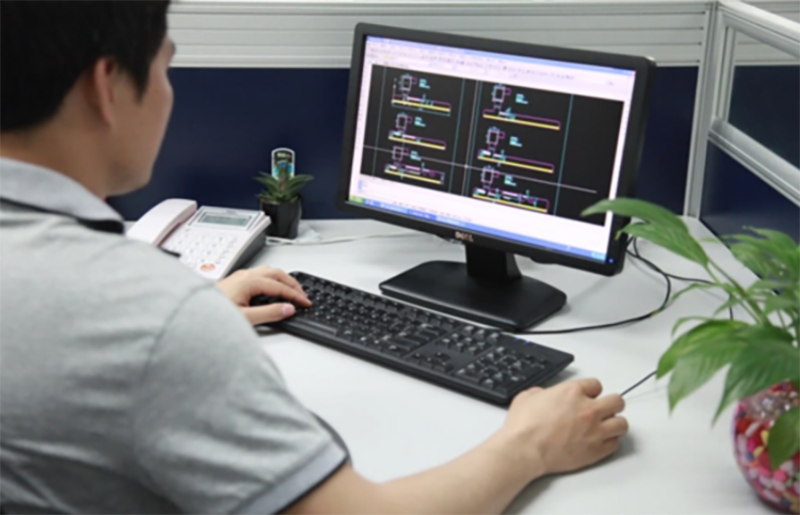
Our technicians use advanced CAD and finite element analysis (FEA) to simulate pressure drops and stress limits. This continuous innovation guarantees products meet specific Paris municipal regulations.
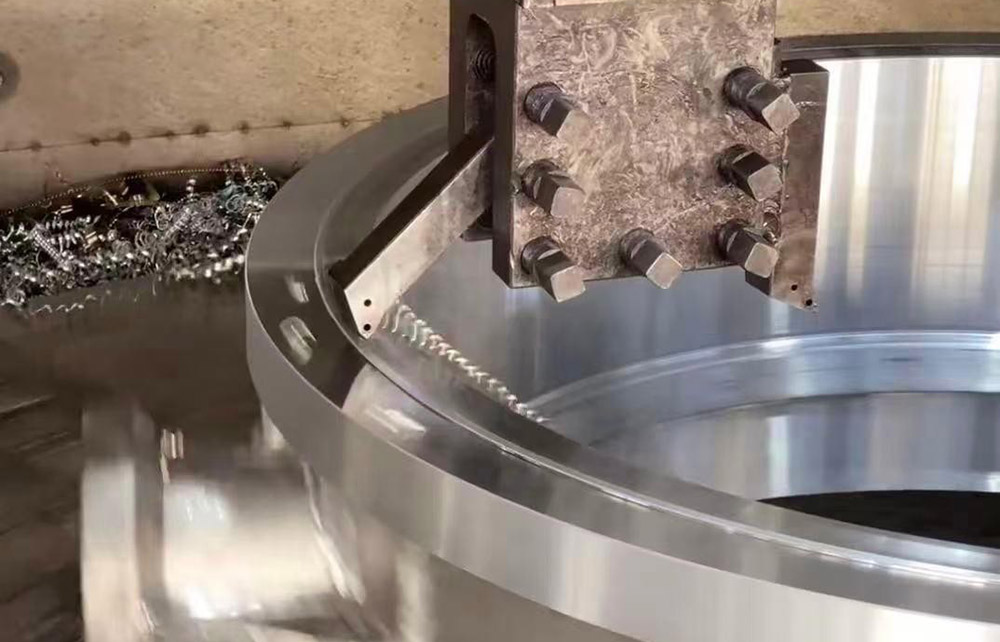
Products are manufactured under strict supervision in accordance with the ISO-9001 quality management system. We update our inventory monthly to meet and exceed client expectations for quick lead times.
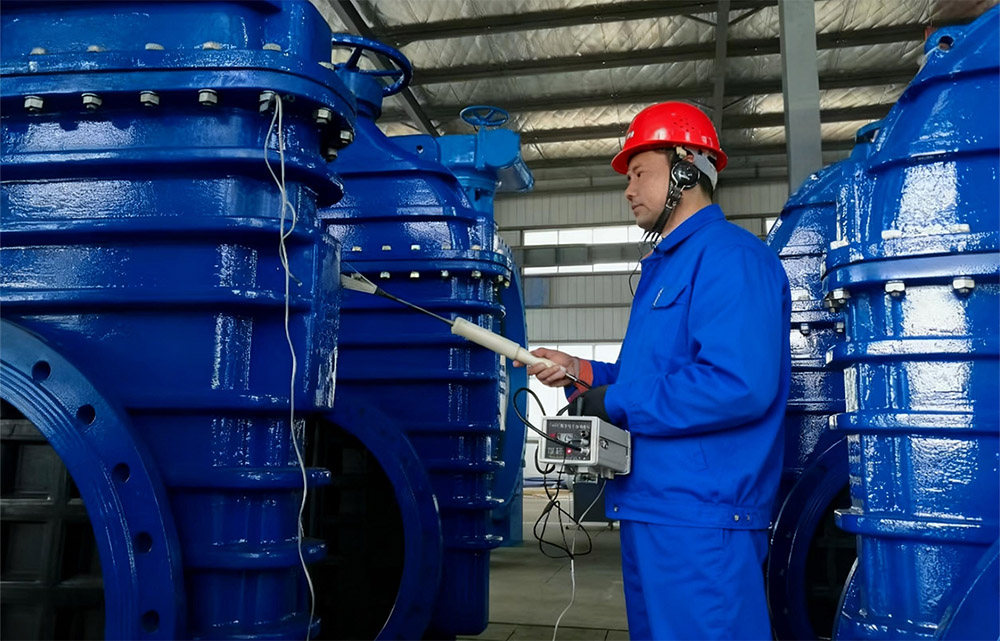
Zero leakage is our fundamental principle. We conduct comprehensive pressure tests and physical inspect body dimensions, issuing standard material test certificates (MTCs) with every shipment.
Our industrial valves and Y-type strainers are successfully operating in municipal water works, large commercial district HVAC lines, and demanding energy systems.
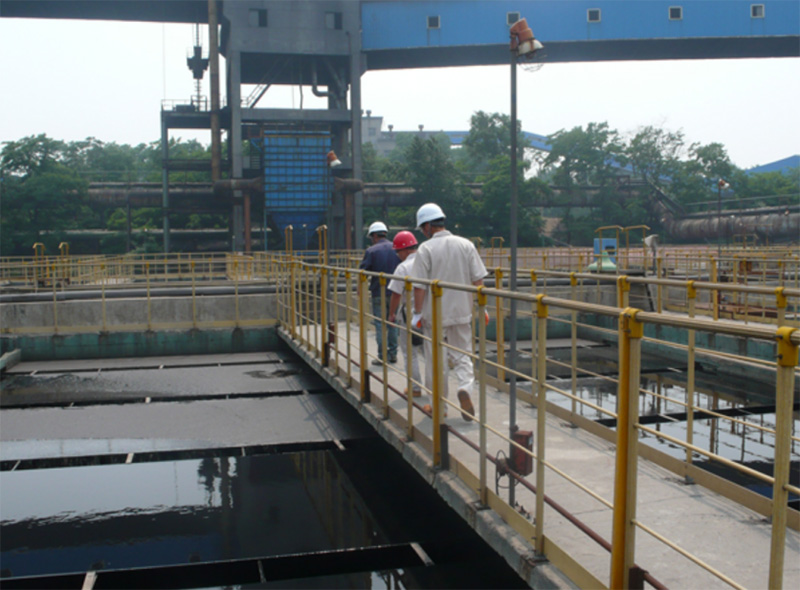
Supplied high-performance water control valves and heavy-duty ductile iron strainers to assist municipal water treatment and flood control networks.
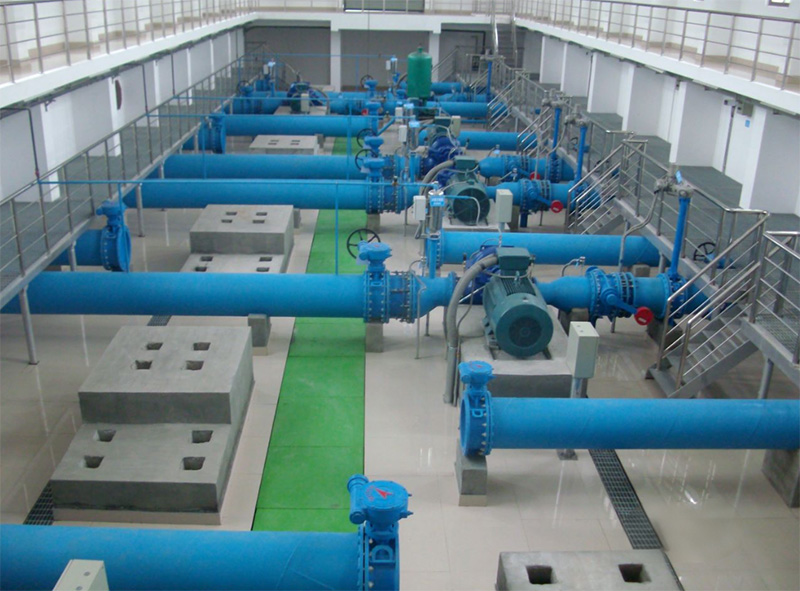
Delivered large size triple offset butterfly valves and high-flow Y-strainers to safeguard the district's centralized refrigeration plant and cooling loops.
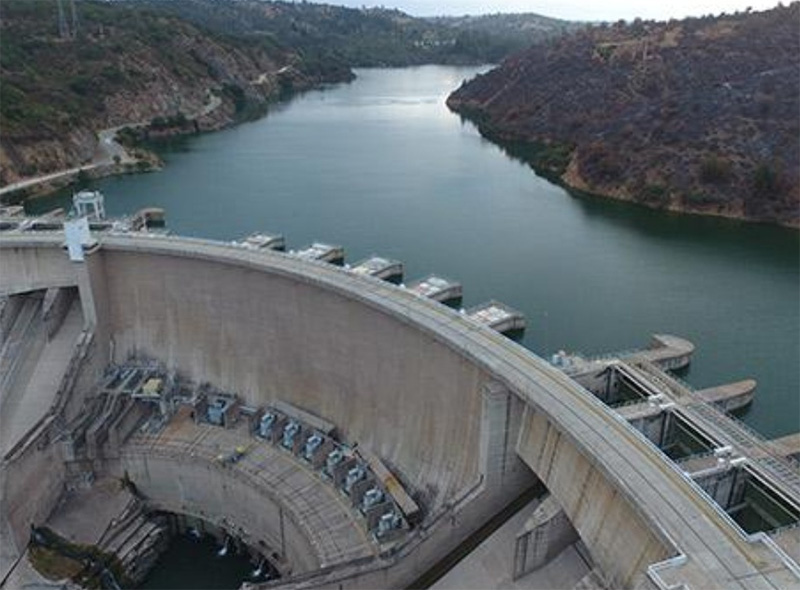
Integrated over 200 units of resilient seat gate valves and GGG50 strainers to clean particulate contamination from the industrial manufacturing sector's incoming supply.
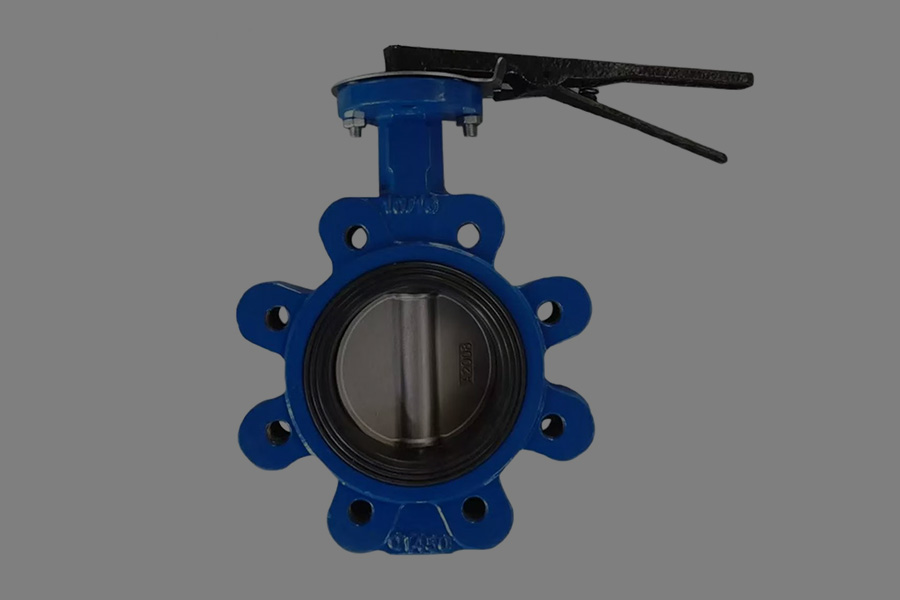
The industrial landscape is evolving towards digital integration and ultra-low maintenance operations. In Paris, where environmental standards mandate minimal energy waste, the following developments are shaping the future of industrial filtration systems:
Traditionally, Y-type strainers are checked manually or on a scheduled timeline, which often leads to either unnecessary labor or undetected blockages that increase energy demands. Modern industrial installations are incorporating differential pressure transmitters directly across the strainer inlets and outlets. By continuously reading the pressure delta (ΔP), smart systems can detect exact clogging percentages in real time, alerting maintenance crews to clean the screen via the blow-off valve before cavitation or pump starvation occurs.
Due to varying mineral deposits in municipal raw water sourced around the Seine and Marne basins, corrosion prevention is a priority for ductile iron components. Standard epoxy coatings are being replaced by fusion-bonded epoxy (FBE) coatings with thicknesses exceeding 250 microns. This non-porous layer prevents contact between the cast iron body and the fluid, significantly extending the service life of GGG40 strainers to over 30 years in sub-surface utility chambers.
Standard filters use a simple perforated plate. However, specialized processes require multi-layered mesh designs. For instance, fine filtration loops down to 50 microns (300 mesh) are paired with internal heavy-duty support cages to prevent the thin screen from collapsing under high differential pressure during sudden flow surges.
Whether you require standard European sizes (DIN DN15 - DN600) or customized ANSI designs, KR Valve Group provides unmatched casting quality, quick lead times, and competitive direct-factory pricing.
Send Inquiry NowClear, direct, and technically accurate answers to the most common engineering and procurement queries regarding Y-type strainers.
For standard municipal or cooling water applications, a mesh size of 1/16 inch to 1/8 inch (approximately 1.6mm to 3.2mm) is standard, providing protection against typical stones, weld slag, and rust flakes. For finer water loops or upstream of control valves, a 40-mesh to 80-mesh (0.4mm to 0.18mm) screen is recommended. However, finer mesh increases the frequency of cleaning and pressure drops, so sizing should be evaluated carefully.
Yes, Y-type strainers can be installed in either horizontal or vertical orientations. However, in a vertical pipeline, the fluid flow must be downwards so that the separated debris falls naturally into the strainer basket pocket. Upward vertical installation is not recommended because the trapped debris would fall back down the pipe when the flow stops.
We provide full EN 10204 3.1 material test certificates (MTC) indicating chemical composition (carbon, manganese, silicon, etc.) and mechanical values (tensile strength, yield strength, elongation). Every batch is tracked to the raw casting pour to ensure complete traceability required by safety authorities in Europe.
Y-strainers feature a compact, angular design with a lower pressure rating threshold but are easier to install in space-restricted pipelines. Basket (T-type) strainers have a straight-through body containing a larger, vertically oriented basket. They offer lower overall pressure drop and a higher dirt-holding capacity, making them suitable for larger pipeline diameters and high-viscosity media.
Valves and strainers installed in France generally require CE marking under the Pressure Equipment Directive (PED 2014/68/EU). Drinking water applications require ACS (Attestation de Conformité Sanitaire) certification. Industrial plants also look for standard ISO 9001 and ISO 14001 factory accreditations.
Explore our wider range of high-performance valves and flow control equipment, designed to work seamlessly with our strainers.
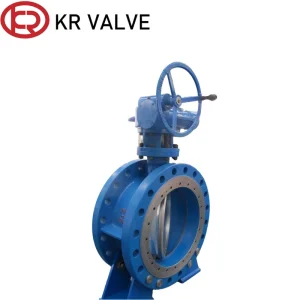
Large size flanged carbon steel butterfly valve designed for high temperature steam shutoff.
Product Details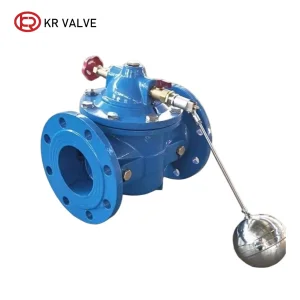
Automatic water level regulation valve engineered for municipal water storage tanks.
Product Details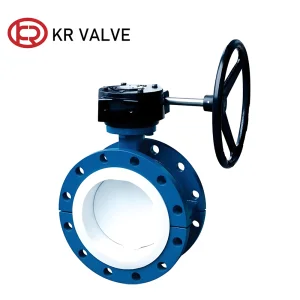
Corrosion resistant full PTFE liner butterfly valve for chemical processing systems.
Product Details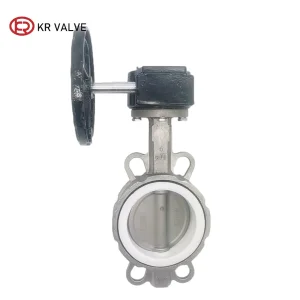
Highly chemical resistant wafer type valve optimized for pharmaceutical and food lines.
Product Details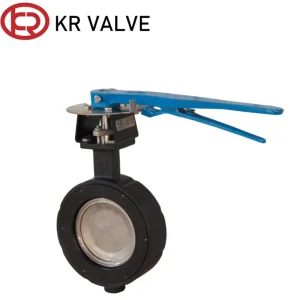
Zero-leakage bi-directional metal-to-metal sealing valve for high pressure lines.
Product Details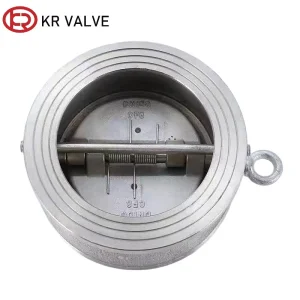
Dual plate wafer structure reducing water hammer risk in fast closing liquid lines.
Product Details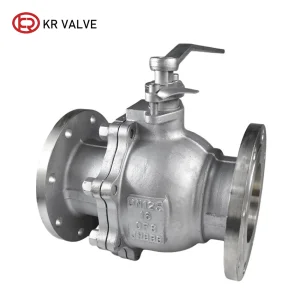
Standard PN16/PN25 stainless steel ball valve with low torque and tight sealing.
Product Details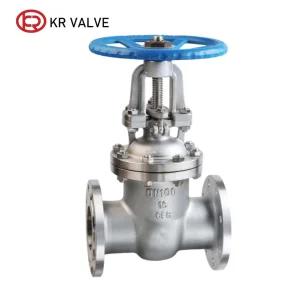
Cast stainless steel heavy-duty gate valve for severe service conditions.
Product Details