Engineered for high-pressure industrial systems, extreme environments, and municipal pipelines.
Hydraulic directional control valves serve as the core intelligence of fluid power systems, determining the path, flow direction, and pressure regulation of high-pressure fluid media. For heavy industrial operations, construction machinery, and precise industrial automation applications, selecting the appropriate hydraulic directional control valve suppliers is a mission-critical decision. High-precision spools, sophisticated actuator setups, and superior sealing technology are required to handle pressures often exceeding 350 bar (5,000 psi) without causing structural fatigue or catastrophic leakage.
With developments in mechanical engineering and materials science, modern industrial demands have evolved beyond simple manual lever-operated spool configurations. Today, global supply chains depend heavily on proportional electro-hydraulic control, integrated load-sensing mechanisms, and high-frequency solenoid actuation. These developments ensure precise control, minimal energy dissipation, and high system reliability. High-integrity valves maintain exact metering characteristics to protect expensive downstream actuators, reduce thermal accumulation, and extend overall equipment lifetime.
At the center of a high-performance system is the valve housing, typically constructed from high-tensile ductile iron (such as GGG40 or GGG50) or precision cast steel (WCB/WCC). The interior bore requires advanced grinding and honing to achieve clearances of just a few microns between the spool and the body. If this tolerance is too large, internal leakage will reduce system efficiency; if it is too small, thermal expansion will cause the spool to stick, resulting in machine downtime. This balance requires strict adherence to international standards like ISO 4401 for mounting interfaces and ISO 10100 for systematic testing protocols.
Global procurement teams face complex challenges when sourcing fluid power components. The priority has shifted from initial cost reduction to ensuring long-term reliability and secure delivery schedules. Sourcing managers at Tier-1 EPC firms, heavy machinery OEMs, and municipal infrastructure authorities prioritize supplier compliance with standards like CE, ASME, API 6D, and ISO 9001. A failure in a basic control component can stall an entire chemical process plant, mining operation, or municipal water grid, incurring significant financial losses.
Sourcing teams also focus on technical support capabilities. High-performing manufacturers do not just supply standard parts; they provide engineering consultations, FEA (Finite Element Analysis) verification, and detailed material traceability. Complete EN 10204 3.1 material certificates are standard requirements, confirming structural integrity and chemical composition to prevent galvanic corrosion or unexpected failures in high-pressure installations.
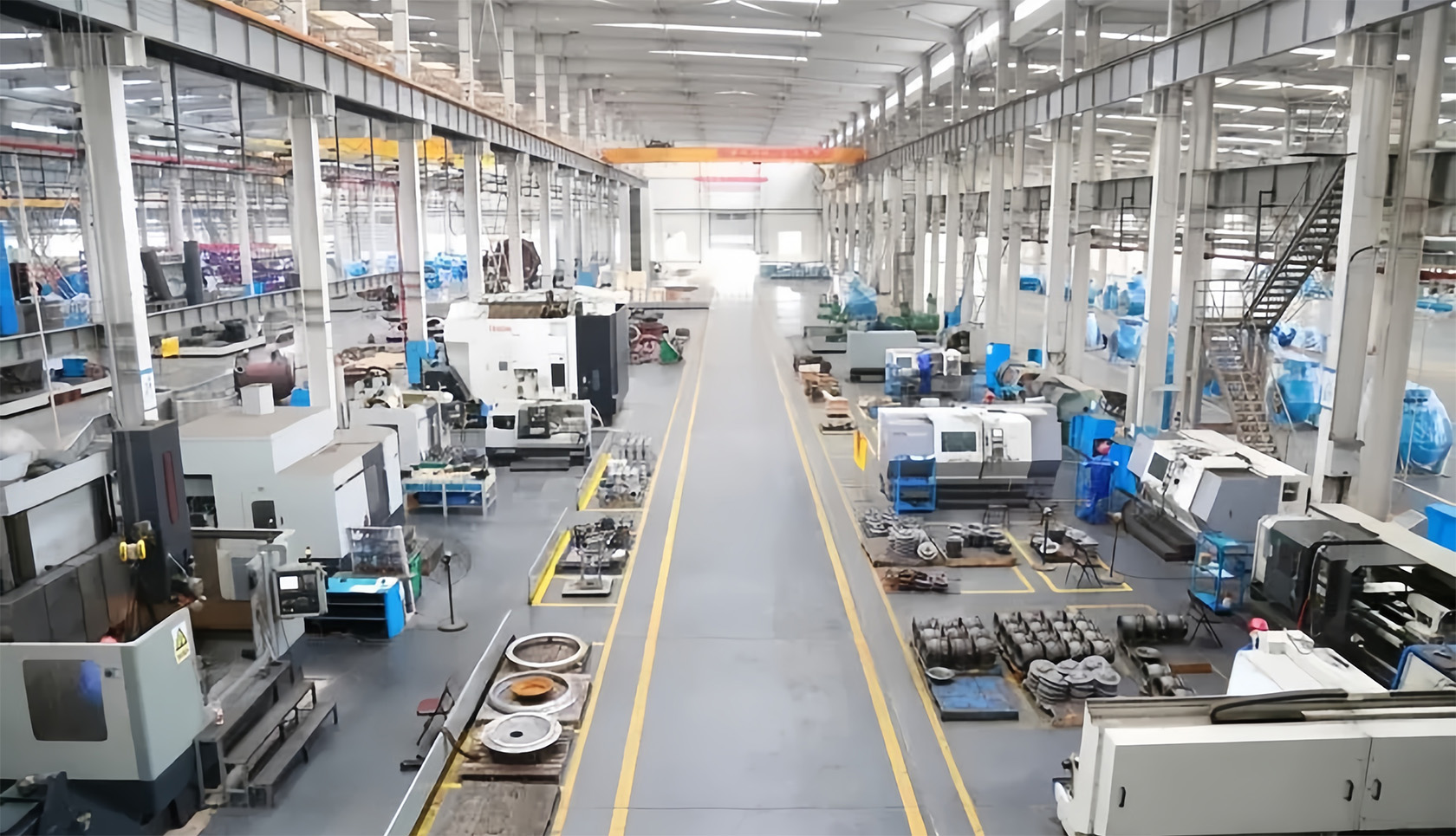
The landscape of Chinese industrial manufacturing has transitioned from high-volume assembly to advanced, precision-engineered production. Under the Factory 4.0 framework, modern Chinese valve factories use advanced technology to meet global engineering standards. Multi-axis CNC machining centers, automated coordinate measuring machines (CMM), and robotic assembly lines ensure consistent production quality, even at scale.
Supply chain resilience is a key advantage of Chinese manufacturing. By sourcing raw castings, sealing components, machining, and surface treatments within concentrated industrial clusters, Chinese factories can quickly scale production. This structural integration helps mitigate global logistics disruptions, offering consistent lead times for large-scale municipal and industrial infrastructure projects.
Technicians continuously design and develop products to meet evolving market requirements. In-house testing laboratories provide advanced analytical capabilities, helping optimize fluid dynamics, reduce pressure drops, and extend valve service life.
Products are manufactured in accordance with the ISO-9001 quality management system. Production scheduling aligns with customer delivery requirements, supported by a regular inventory update cycle to keep projects on track.
A rigorous quality control process ensures 100% inspection of critical components. Standard checks verify appearance, dimensional accuracy, and pressure tolerance, ensuring zero leakage before shipment.
Hydraulic directional control valves and high-performance pipeline valves operate across diverse engineering disciplines. Each environment presents distinct technical challenges, requiring specific design choices: for example, choosing between resilient EPDM linings for potable water or corrosion-resistant CF8M stainless steel for chemical processing lines.
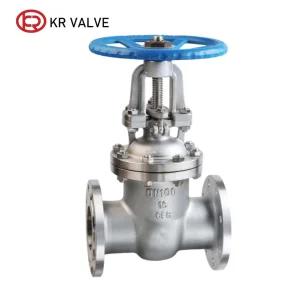
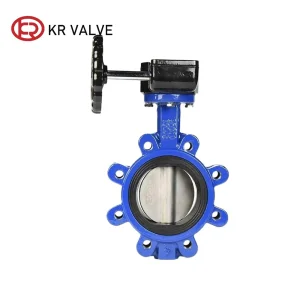
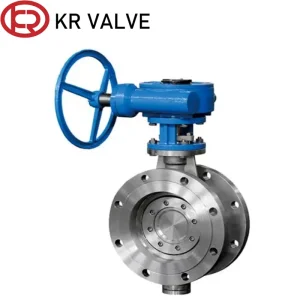
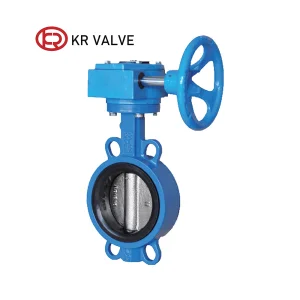
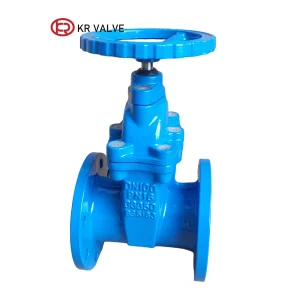
In large-scale municipal waterworks and desalination facilities, control valves manage flow distribution and prevent water hammer damage. Using triple-eccentric metal-seated butterfly valves and resilient gate valves helps prevent internal backflow and guarantees tight shut-off over extended operational lifetimes.
Excavators, cranes, and heavy transport equipment require responsive, load-sensing directional control valves. These systems must handle high pressure levels while providing operators with smooth, predictable control during simultaneous mechanical movements.
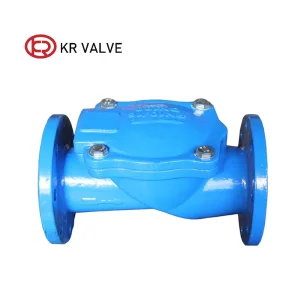
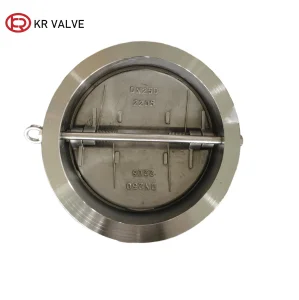
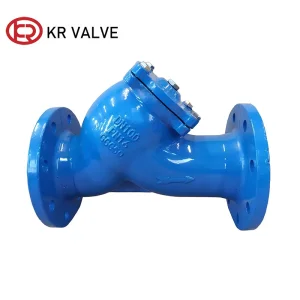
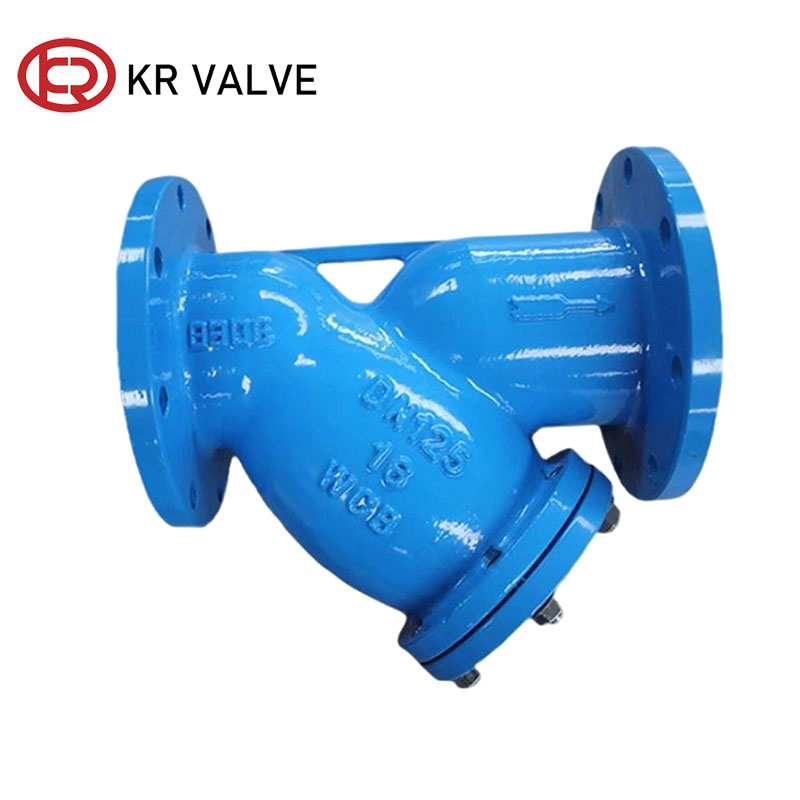
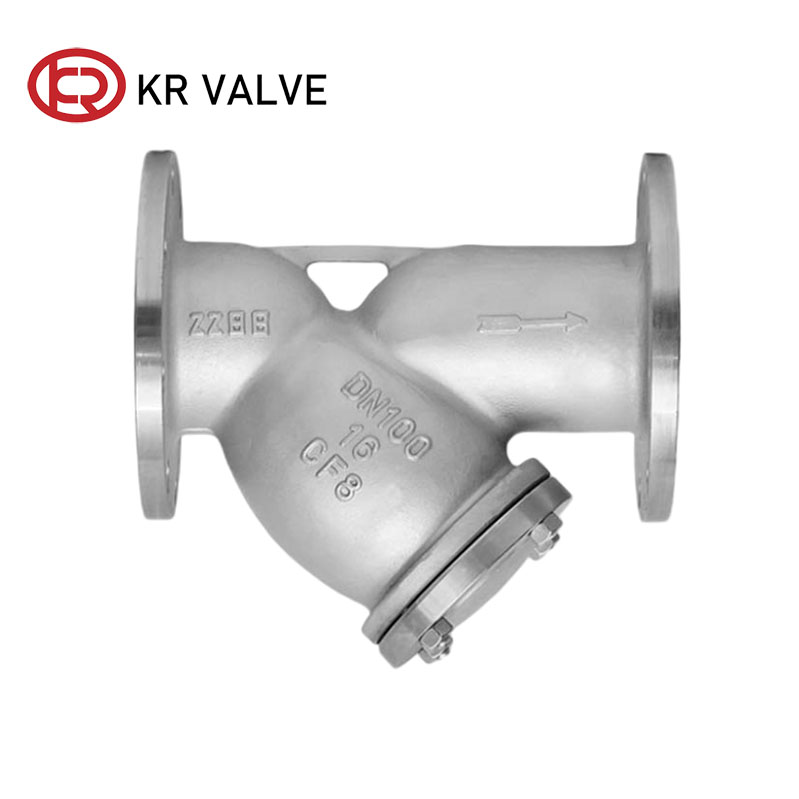
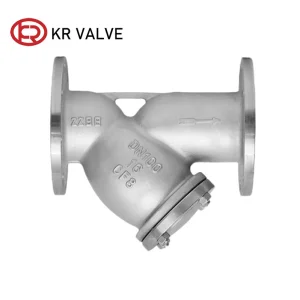
Processing plants handle corrosive chemical media and extreme temperatures. Using CF8/CF8M stainless steel Y-strainers and wafer check valves helps protect downstream instrumentation from particulate contamination and chemical degradation.
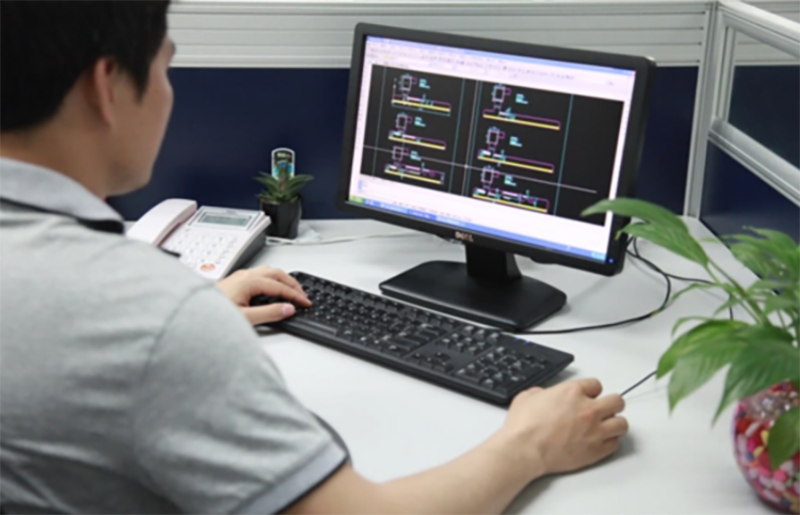
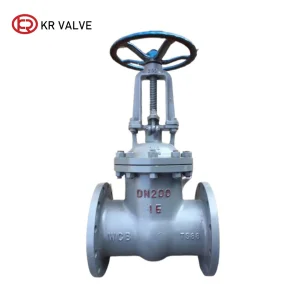
KR brings more than 20 years of experience to the design and manufacture of standard and custom industrial valves. Our product portfolio includes butterfly valves, gate valves, check valves, and water control valves. We serve diverse industries including water treatment, dam construction, commercial infrastructure, power generation, and chemical engineering.
We work closely with global distribution networks, EPC contractors, and OEMs to provide engineering support, prompt delivery, and reliable service. With a presence in over 50 countries, we help ensure our clients have the proper fluid control solutions for their projects.
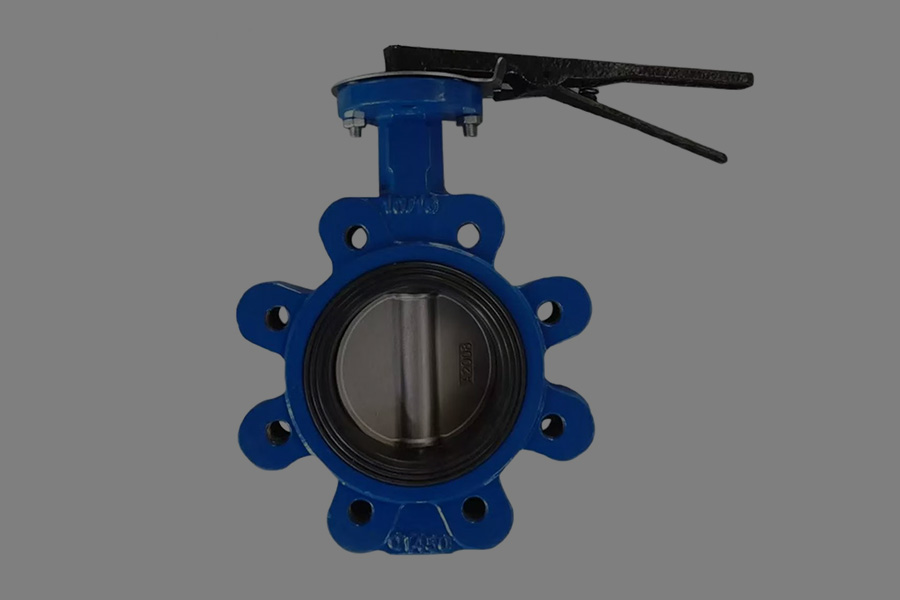
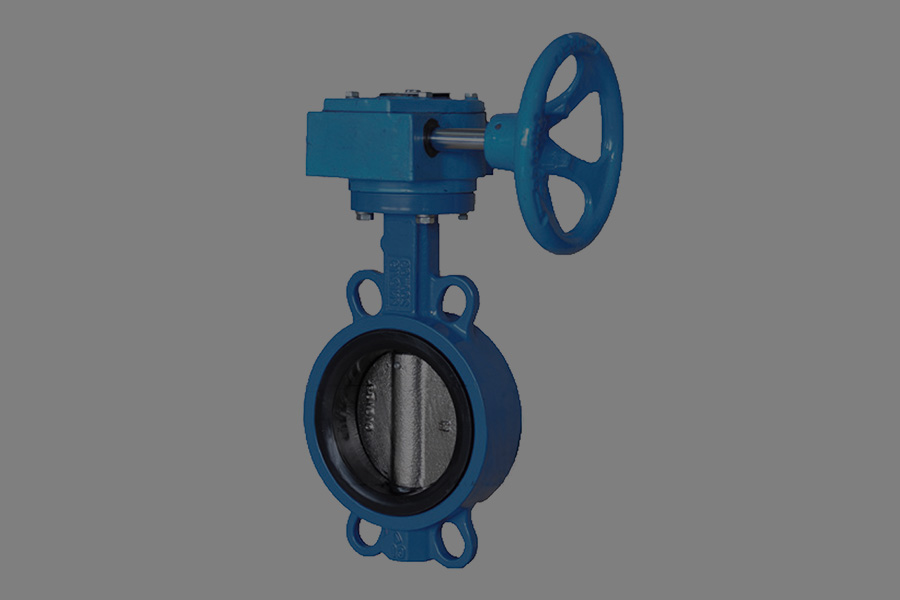
We offer manufacturing under our independent brand "KR" as well as comprehensive OEM/ODM services, maintaining long-term partnerships with leading global brands.
Our facility features 15 advanced machining centers and dedicated assembly lines, staffed by experienced technicians to ensure dimensional accuracy.
We produce 20 distinct valve series encompassing over 500 product variations, conforming to international standards and non-standard custom specifications.
Quality checks are performed at every stage of production, from raw casting analysis to final pressure testing, ensuring reliable field performance.
By managing primary production processes in-house, we control costs and maintain competitive pricing without compromising quality standards.
Our engineering team provides technical consultations, helping you select the correct valve configurations and resolve installation challenges.
Explore our core product ranges, categorized by design and application scenario.
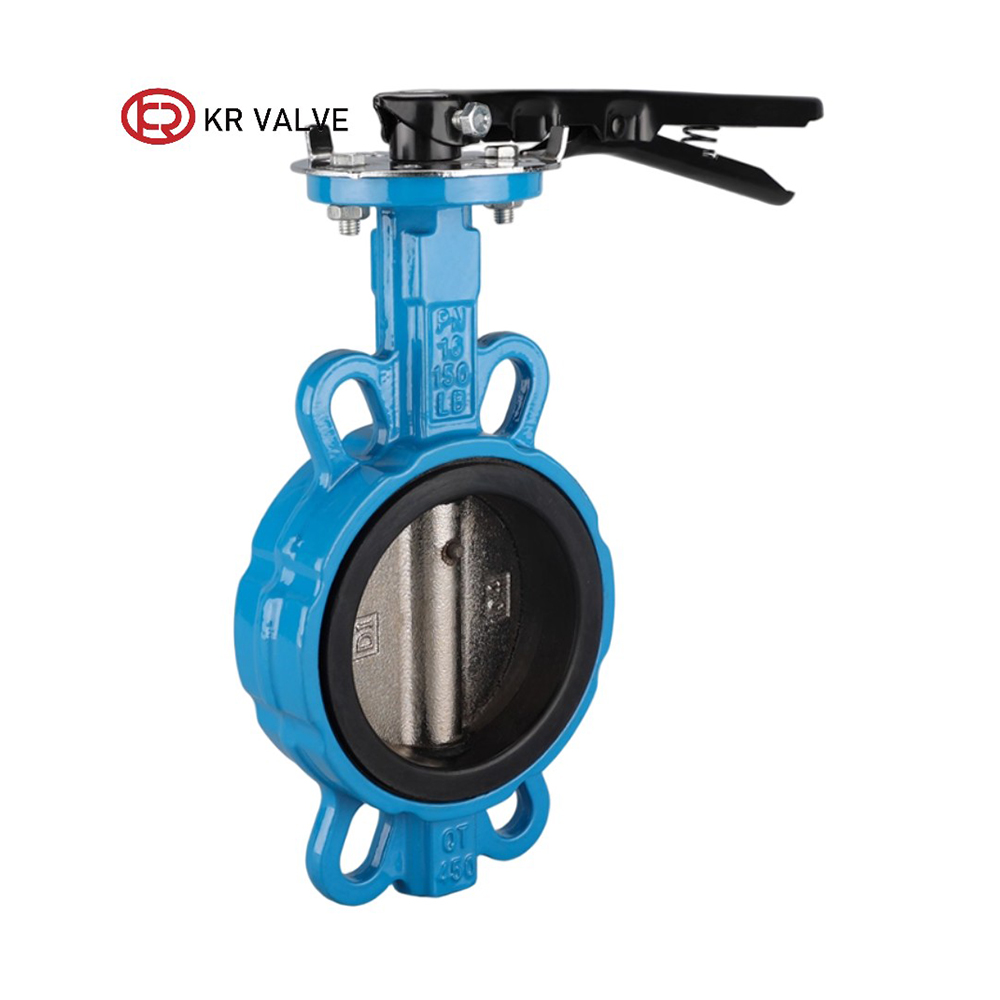
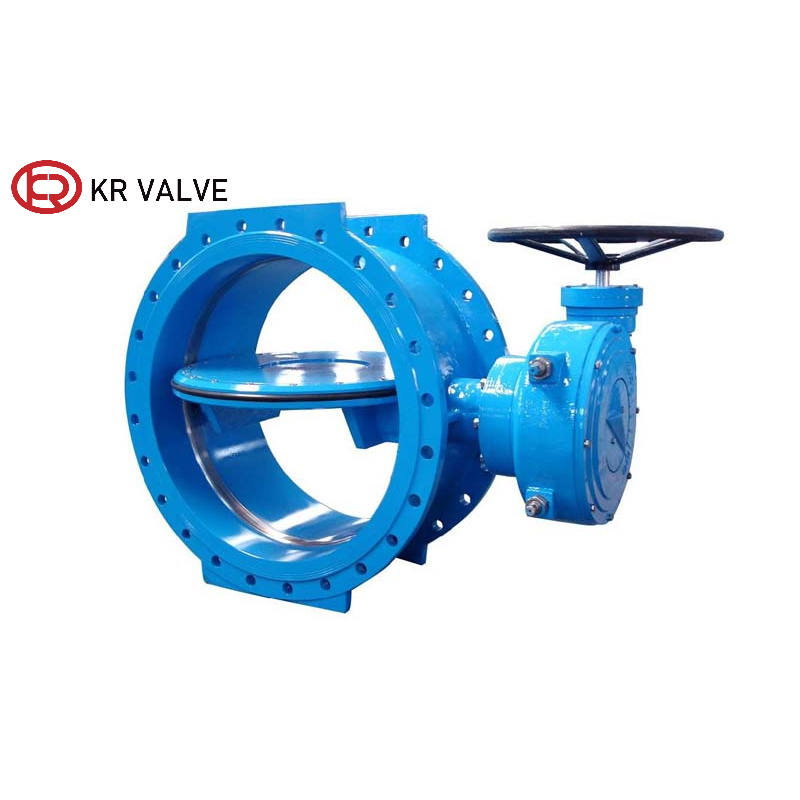
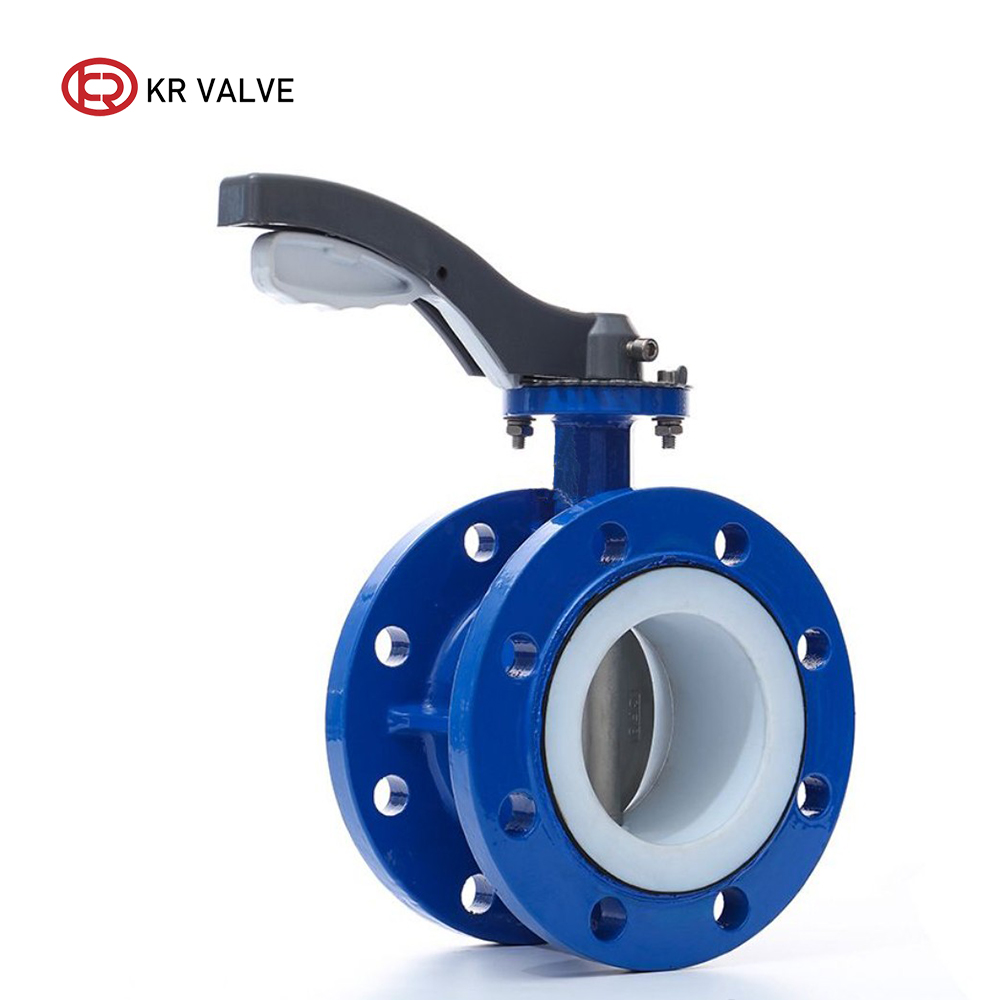
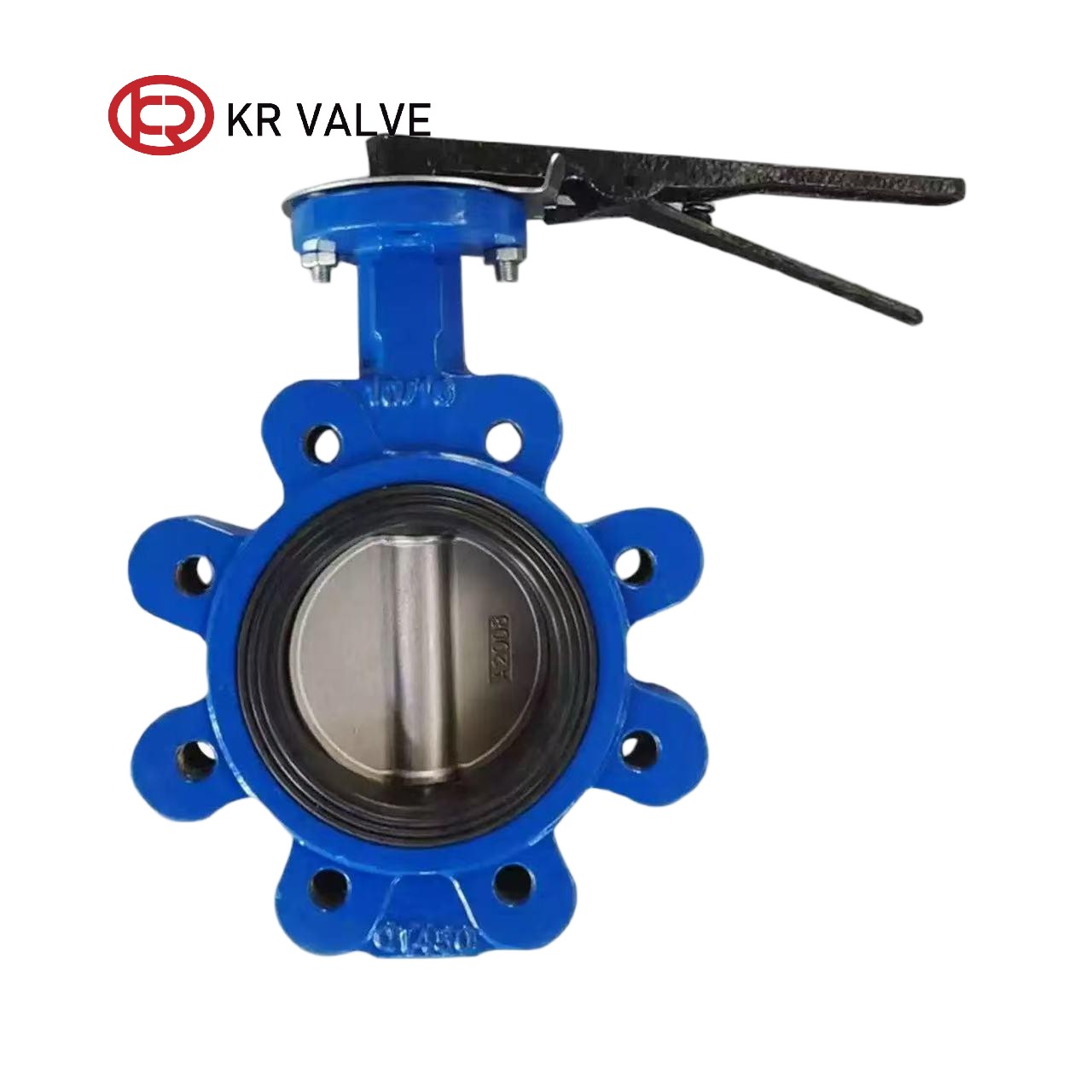
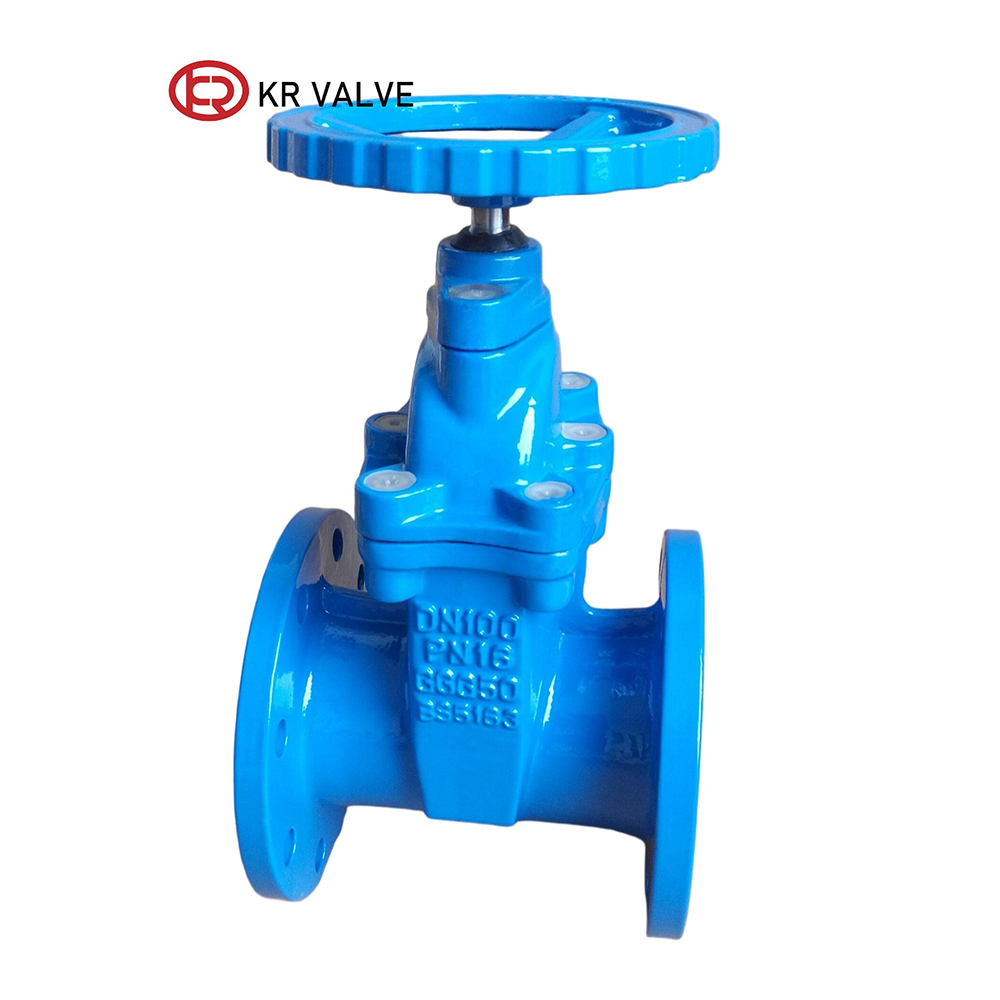
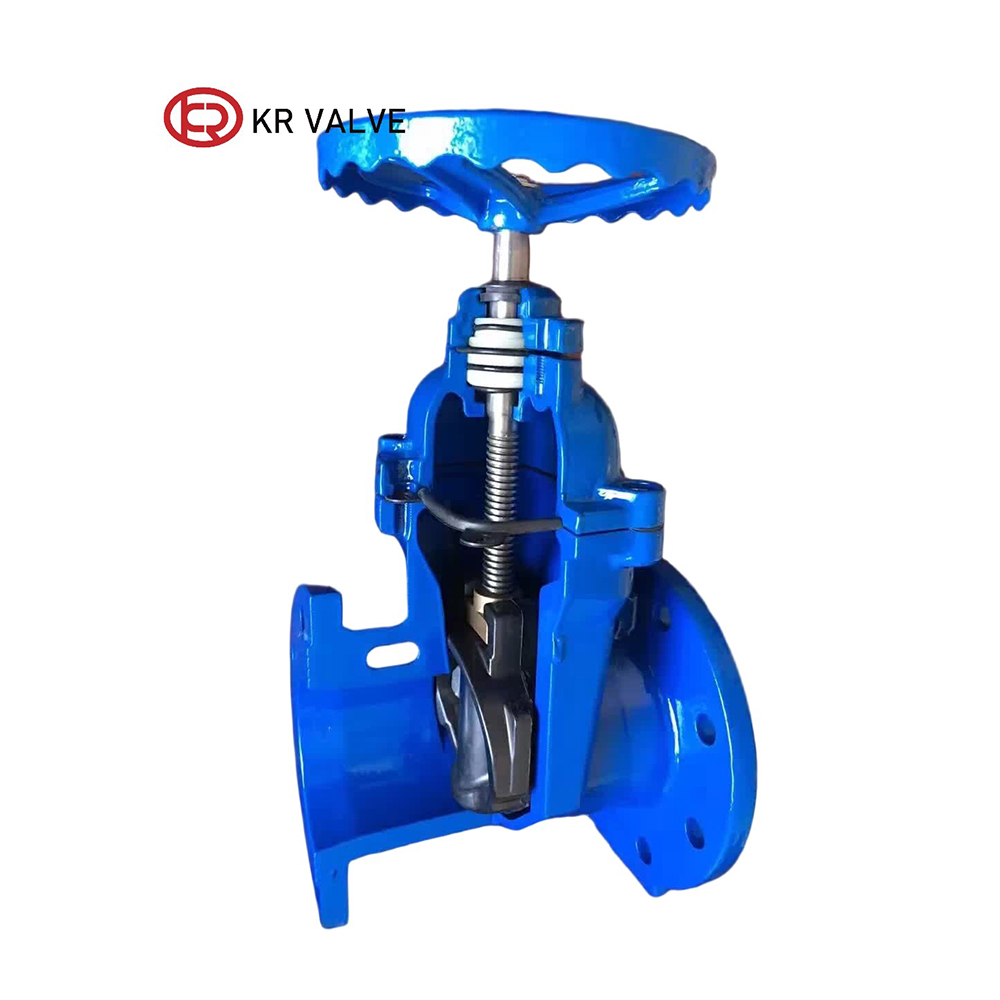
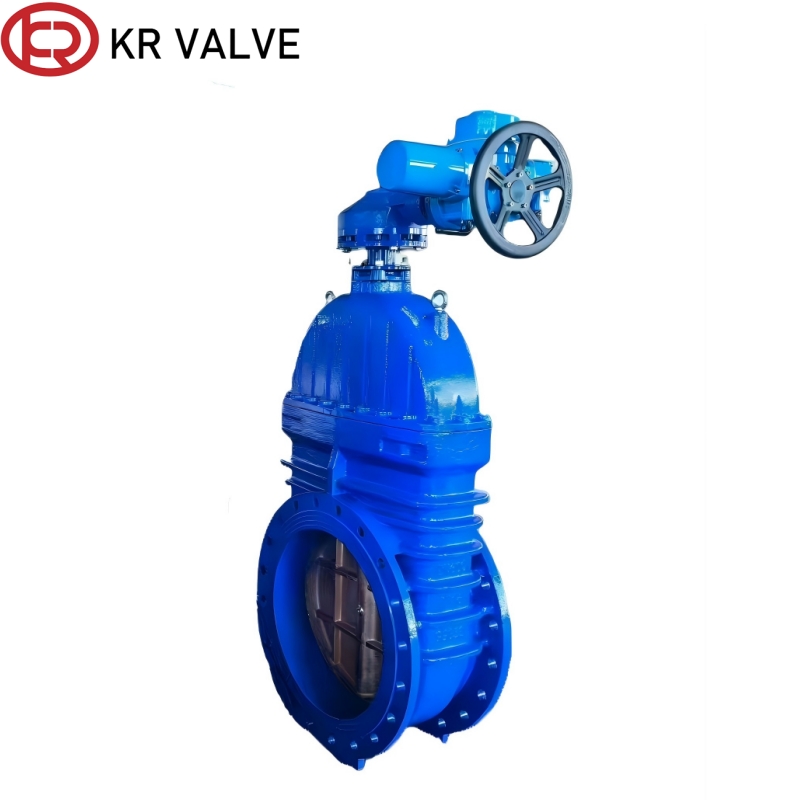
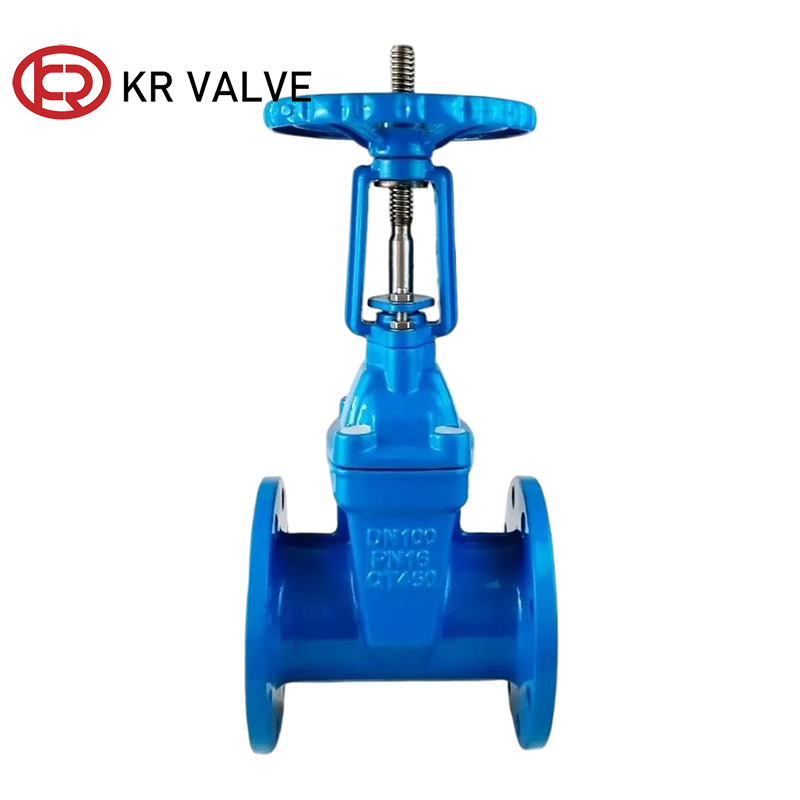
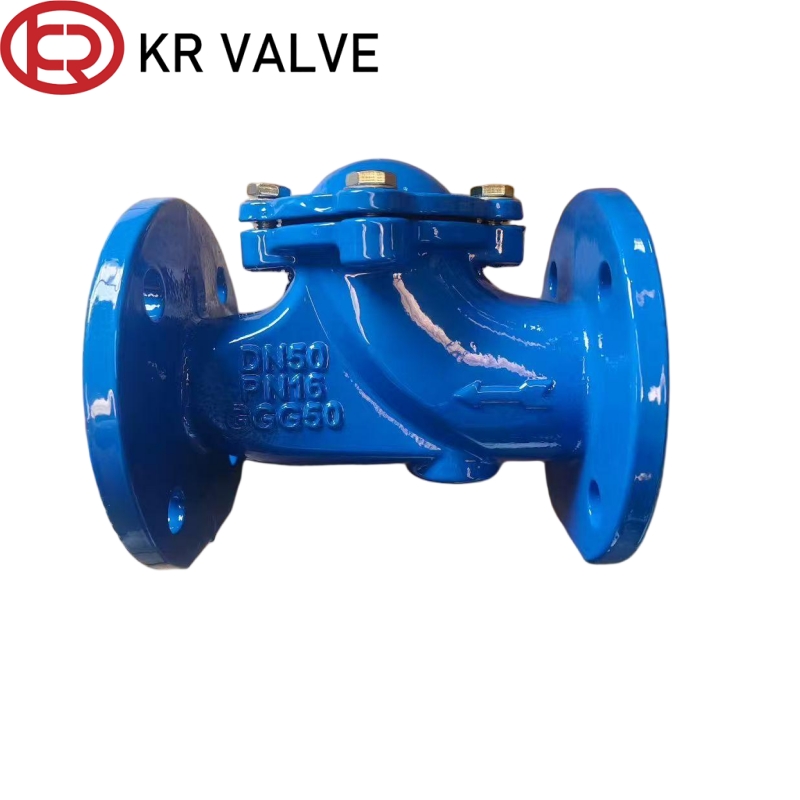
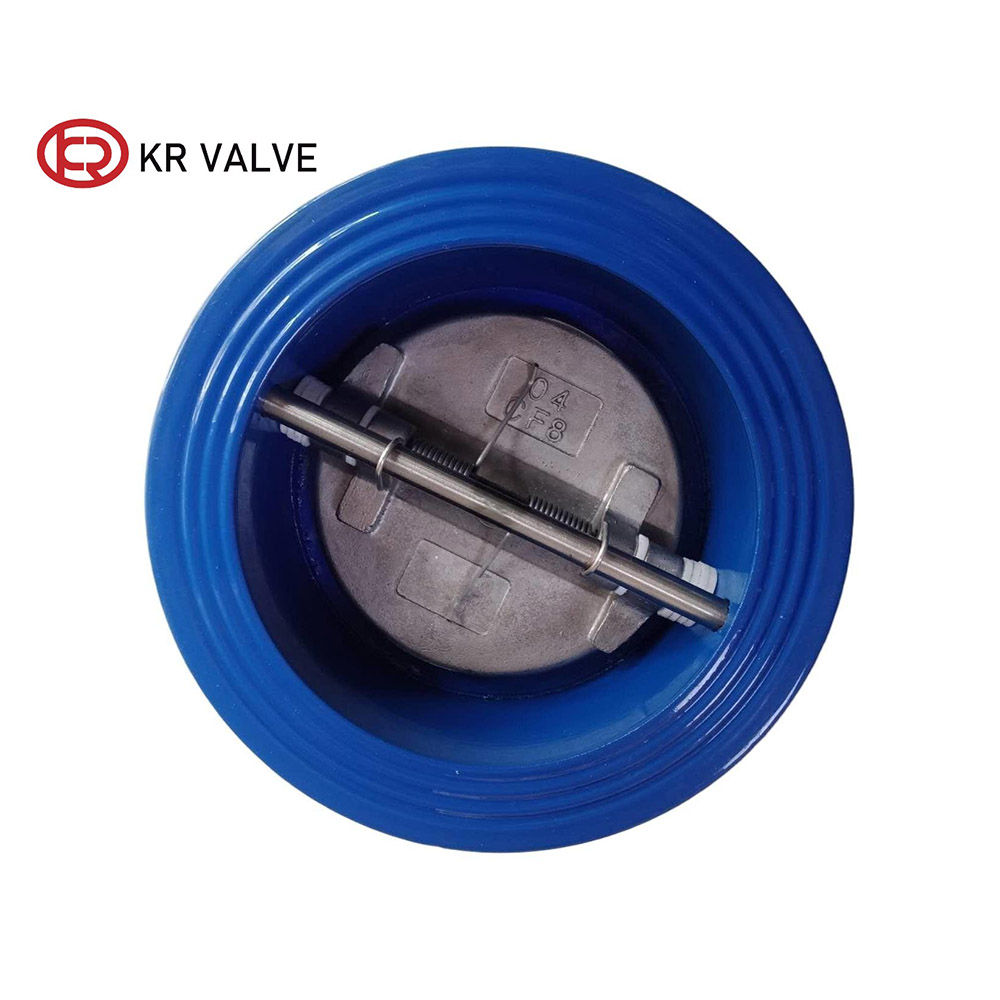
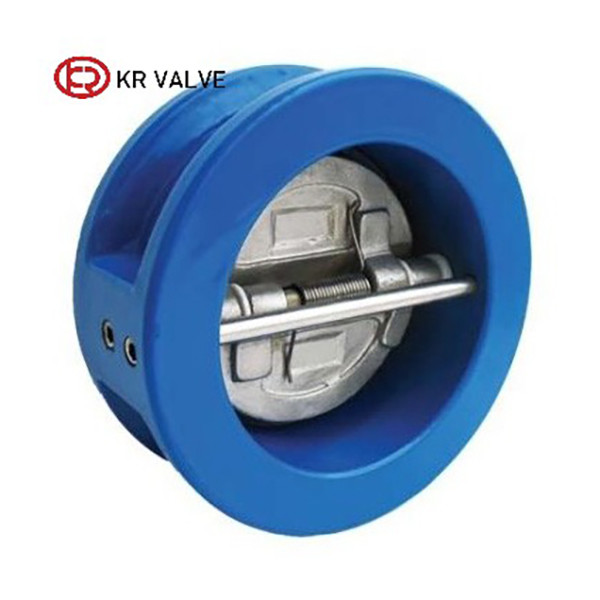
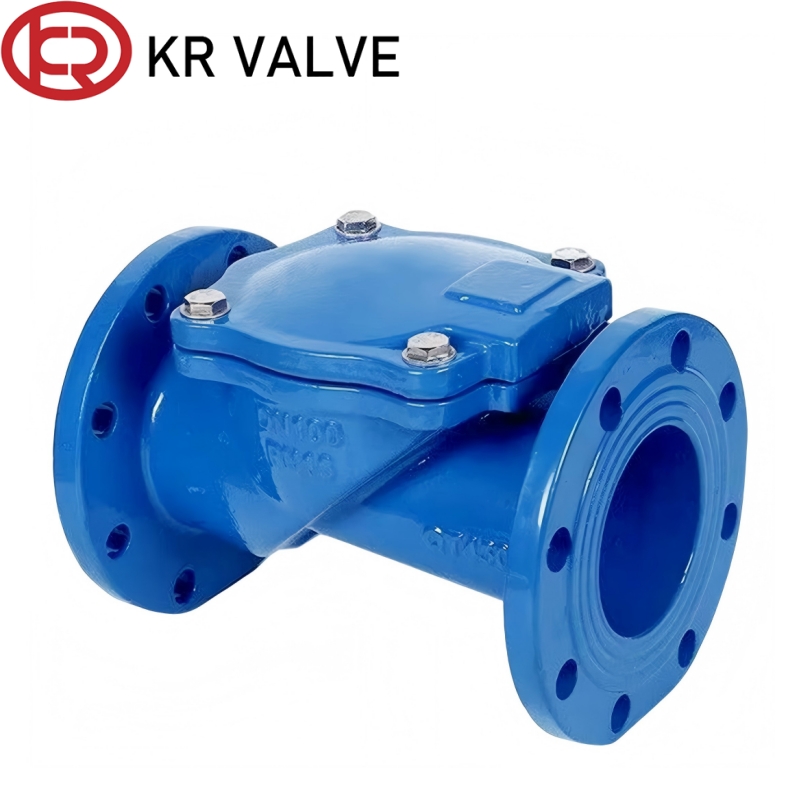
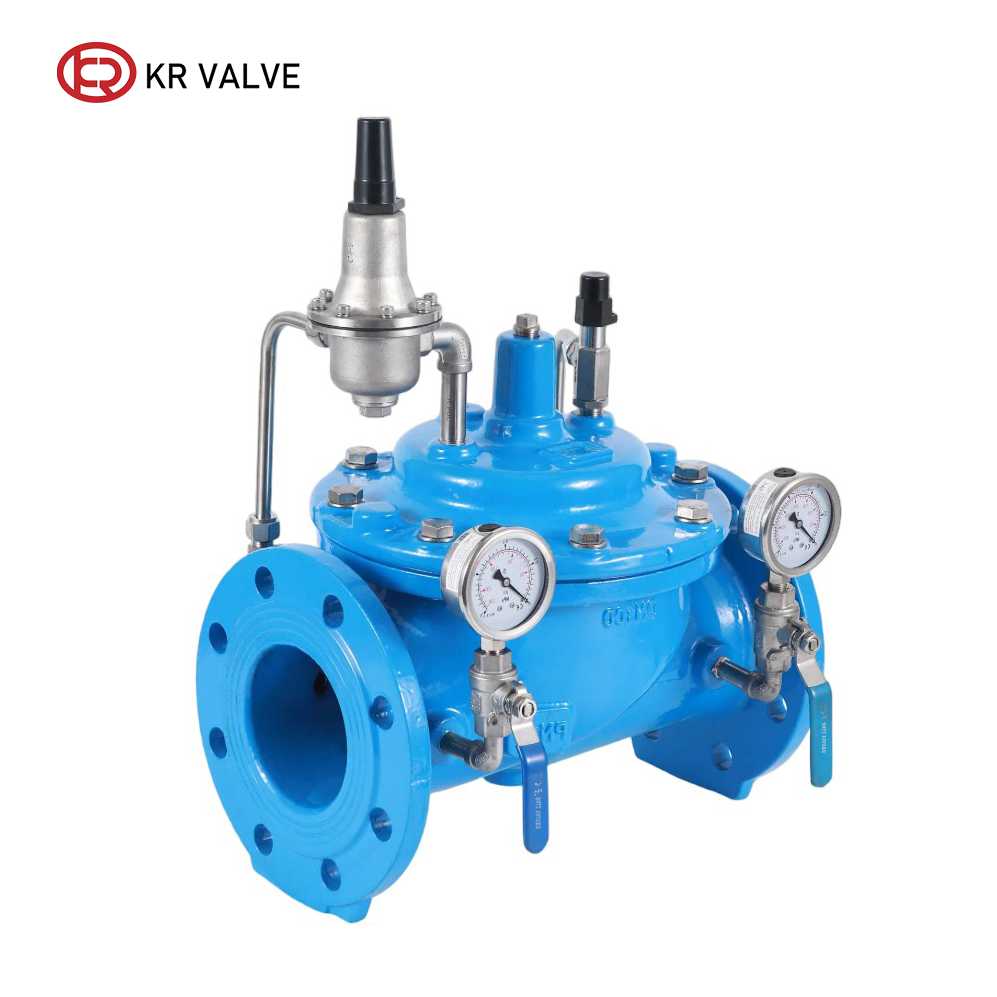
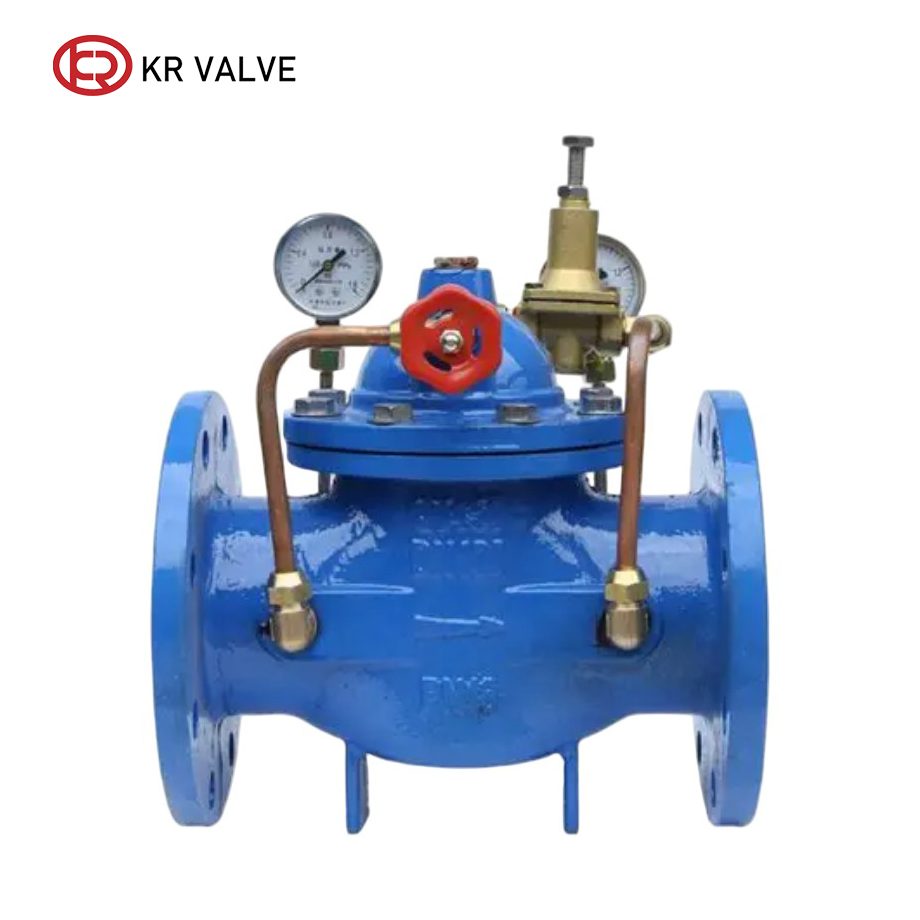
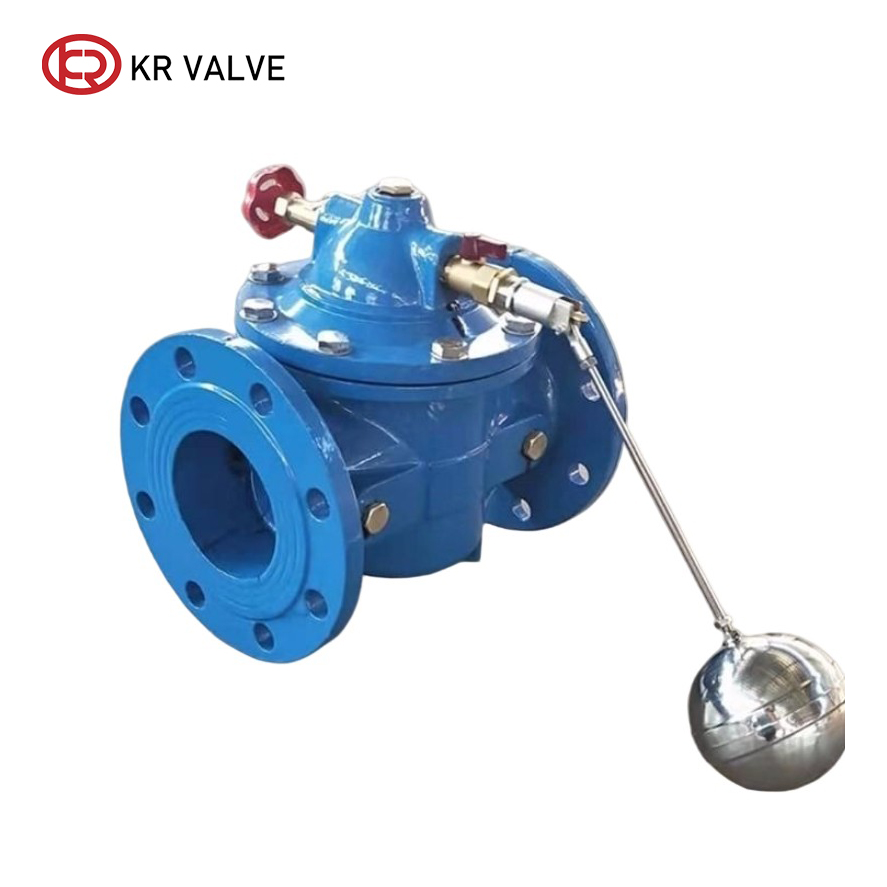
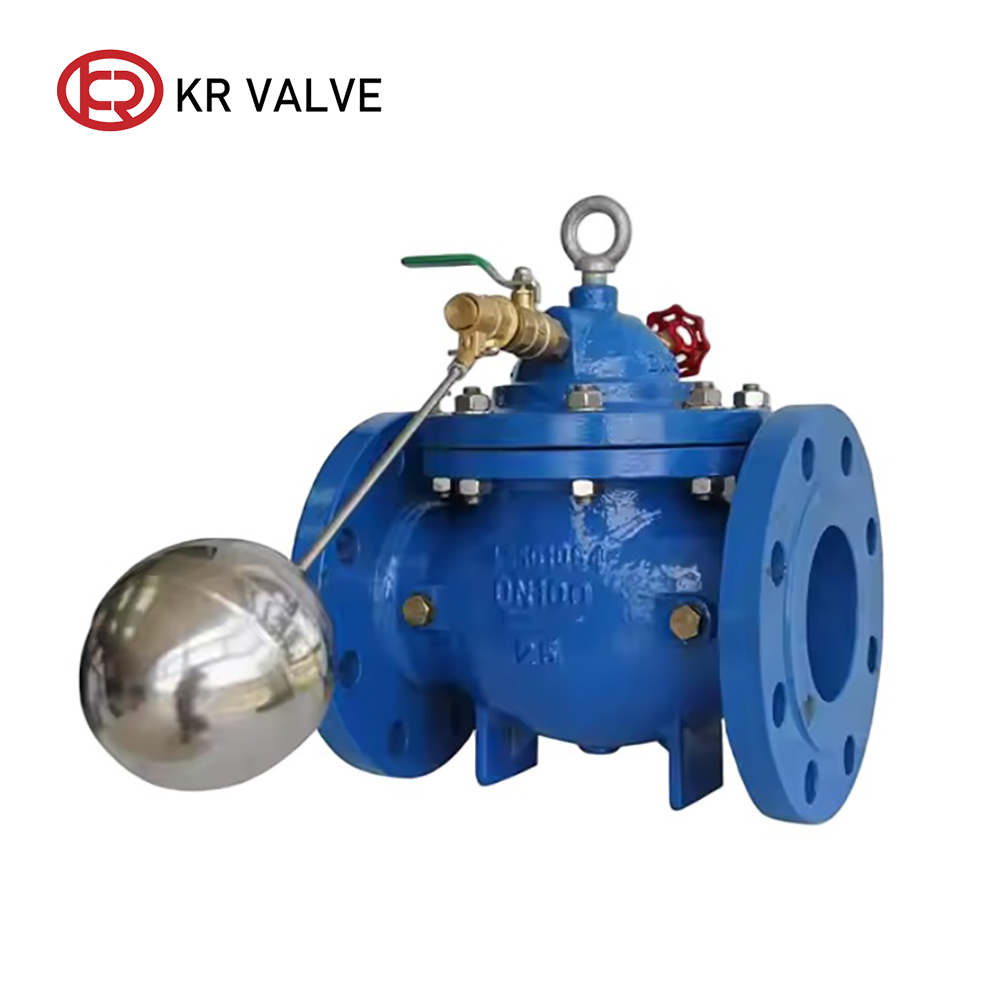
KR Valve Group components are used in municipal distribution systems, natural gas lines, and industrial facilities globally. The cases below demonstrate how our valves perform under different operating conditions.
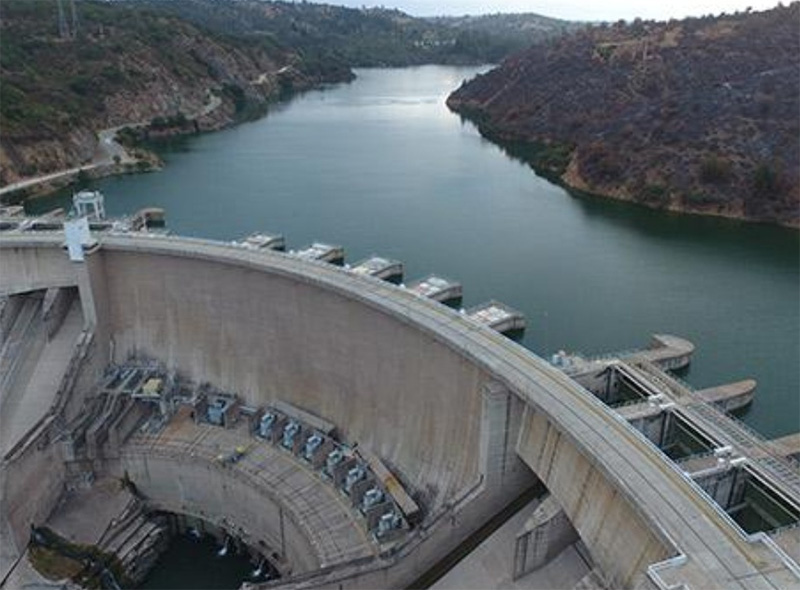
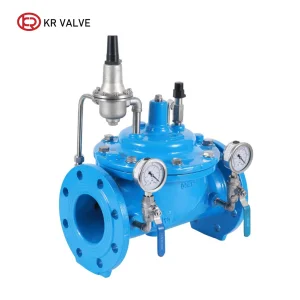
We supplied custom water control valves designed for high-altitude installation and high static pressure requirements in a major Chilean hydroelectric facility.
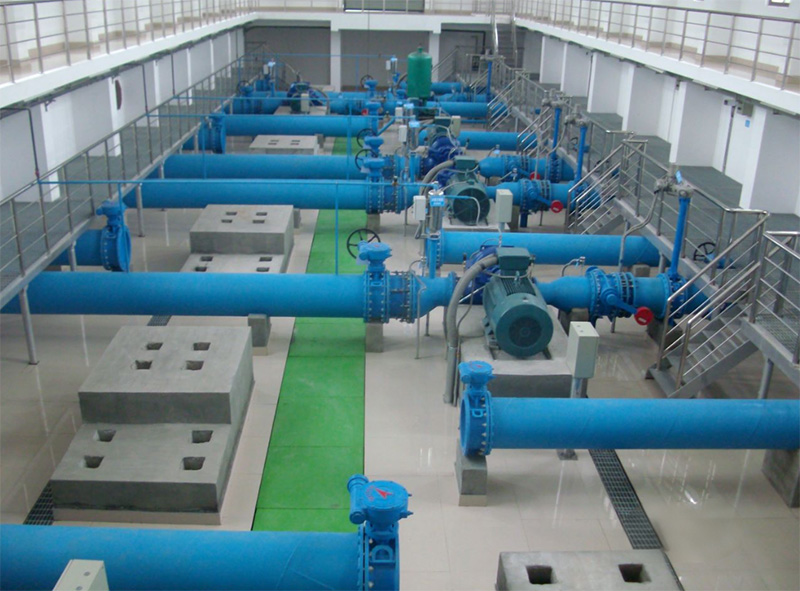
Our team provided large-diameter butterfly valves and quick-closing check valves to municipal water distribution networks in northern Italy, ensuring reliable seal integrity.
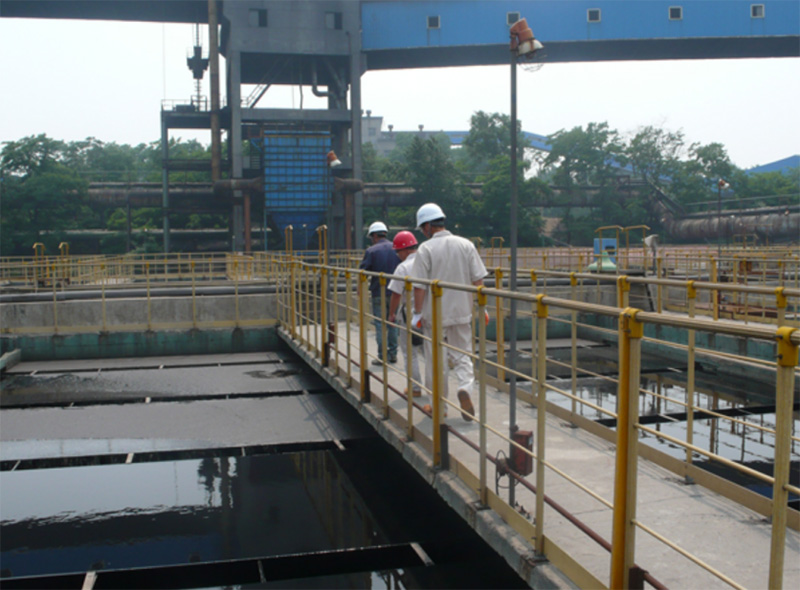
We supplied corrosion-resistant water control valves to wastewater treatment facilities in Brazil, handling high levels of suspended solids and corrosive chemicals.
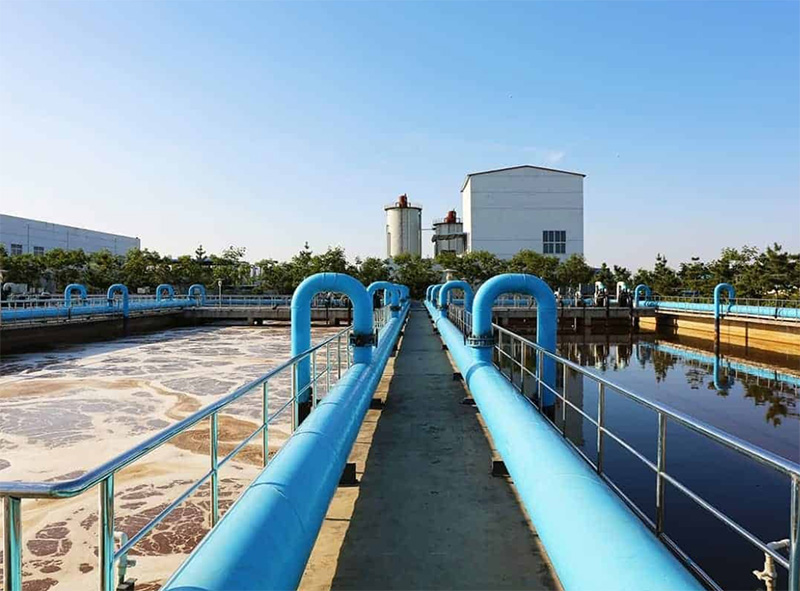
Our gate and butterfly valves manage viscous materials at municipal sludge facilities in Indonesia, with designs optimized to resist abrasion and cavitation.
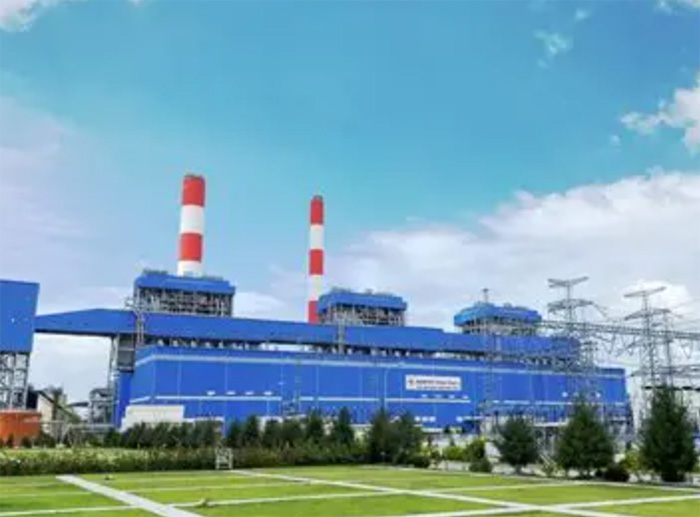
We supplied corrosion-resistant valves, including stainless steel Y-strainers and check valves, to manage acid processing lines at a chemical plant in Vietnam.
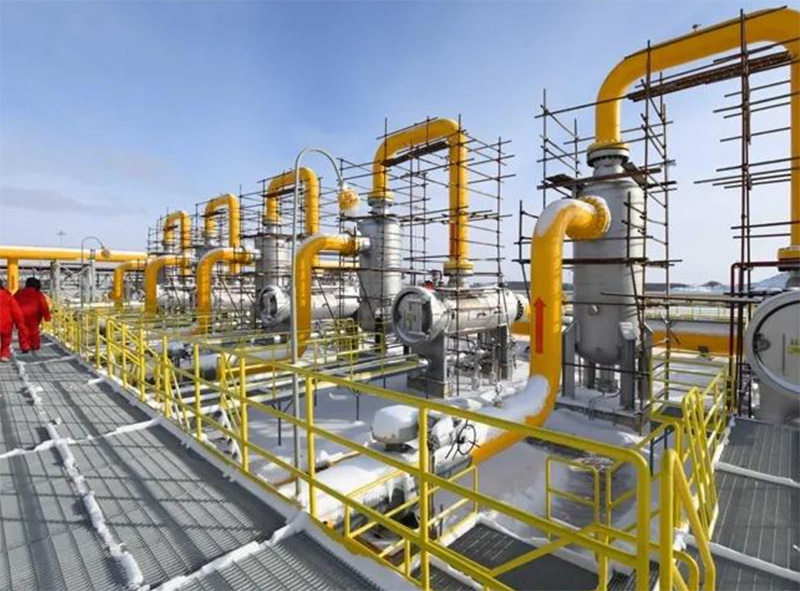
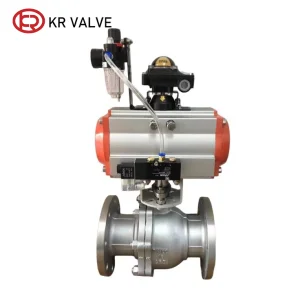
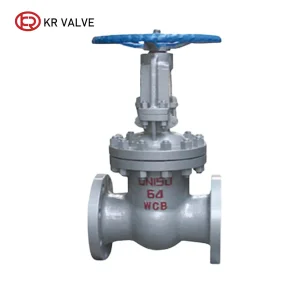
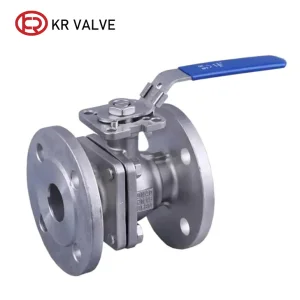
We provided heavy-duty WCB gate valves and forged ball valves designed for low-temperature operation in natural gas extraction and pipeline projects in Russia.
Expert engineering insights regarding valve selection, procurement standards, and operational considerations.
Key considerations include manufacturing precision (such as spool-to-bore clearances of 2-5 microns), certification compliance (ISO 9001, CE, ATEX), pressure ratings (up to 350 bar), and technical support capacity. Working with factories that provide complete material traceability (EN 10204 3.1 certificates) helps ensure reliable long-term performance.
The clearance between the spool and the valve housing must balance leakage control and thermal operation. If the clearance is too large, internal fluid slip occurs, reducing volumetric efficiency and generating heat. If it is too small, mechanical binding can occur under thermal expansion, leading to system failure.
Ductile iron (such as GGG50 or GGG40) contains spheroidal graphite, which provides higher tensile strength, impact resistance, and elongation characteristics compared to gray iron. This allows the valve body to withstand high pressure spikes and transient shocks without fracturing.
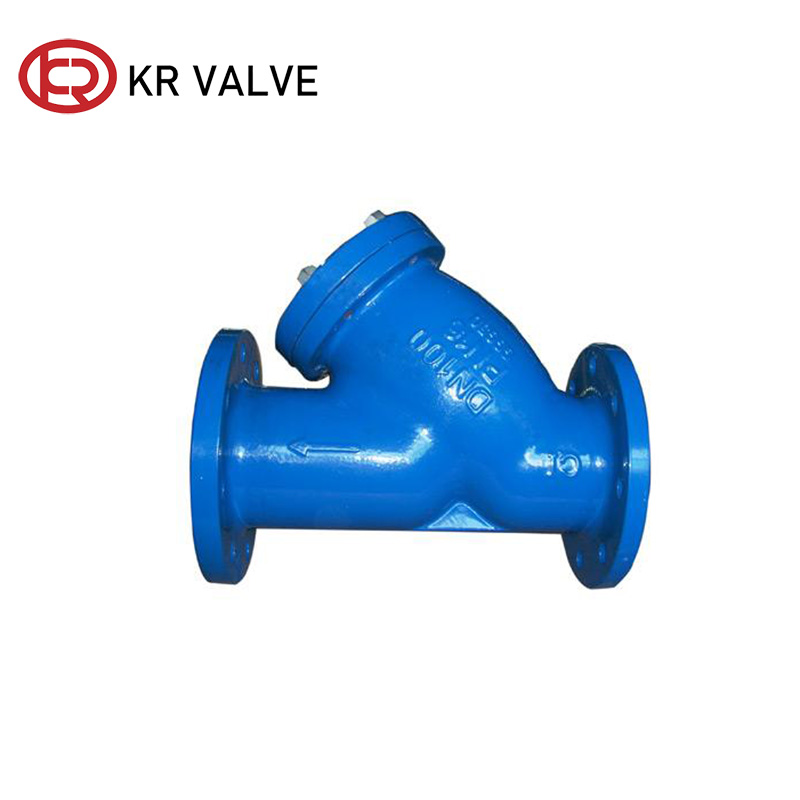
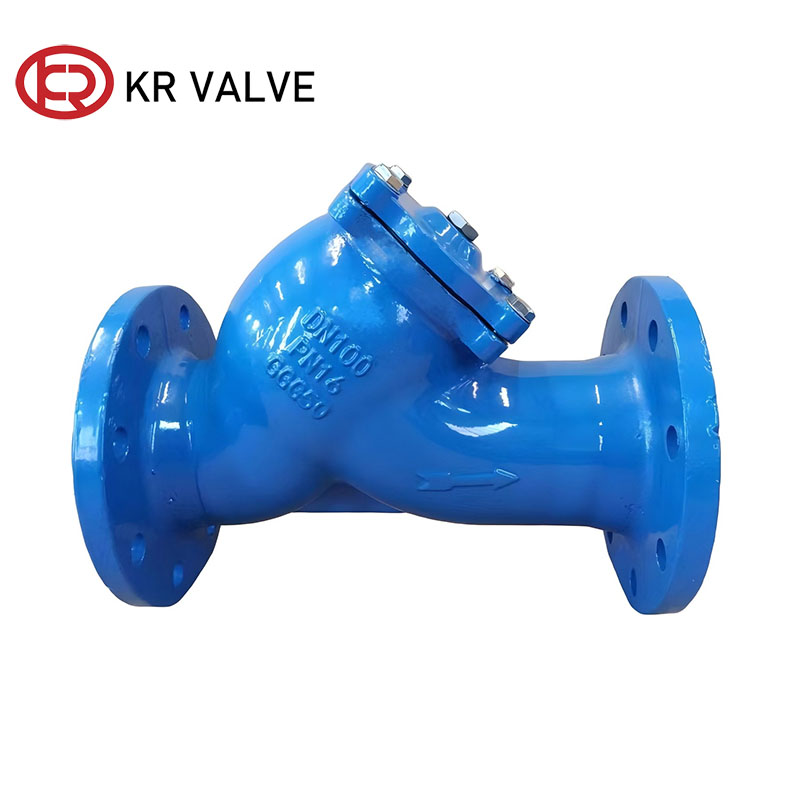
Hydraulic directional control valves rely on tight internal clearances. Solid particulate contamination can cause scoring of the spool surfaces, leading to internal leakage or jamming. Installing Y-strainers with stainless steel mesh elements ahead of critical control components helps capture contaminants and protect system integrity.
The triple-eccentric design uses three distinct offsets to eliminate friction between the disc and the seat during rotation. The disc only makes contact with the seat at the final point of closure, enabling a tight seal and reducing wear on sealing components in both high-pressure and high-temperature services.
Standard quality protocols include chemical composition analysis of the melt, ultrasonic testing for internal casting defects, dimensional verification, and hydrostatic pressure testing according to API 598 or ISO 5208 standards to confirm zero leakage.
Explore our complete product selection for specialized engineering applications.
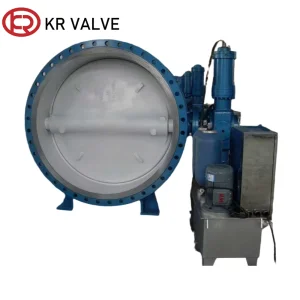
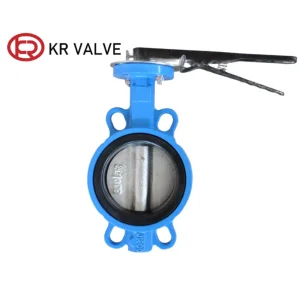
 KR VAVLE